Liu Xing, Ying Jun, Wang Xifeng, Zheng Qingcui, Zhao Tiancheng, Yoon Sungtae, Yu Wen, Yang Danying, Fang Yang, Hua Fuzhou
Department of Anesthesiology, The Second Affiliated Hospital of Nanchang University, Nanchang, China.
Key Laboratory of Anesthesiology of Jiangxi Province, Nanchang, China.
Front Mol Neurosci. 2021 Sep 29;14:729273. doi: 10.3389/fnmol.2021.729273. eCollection 2021.
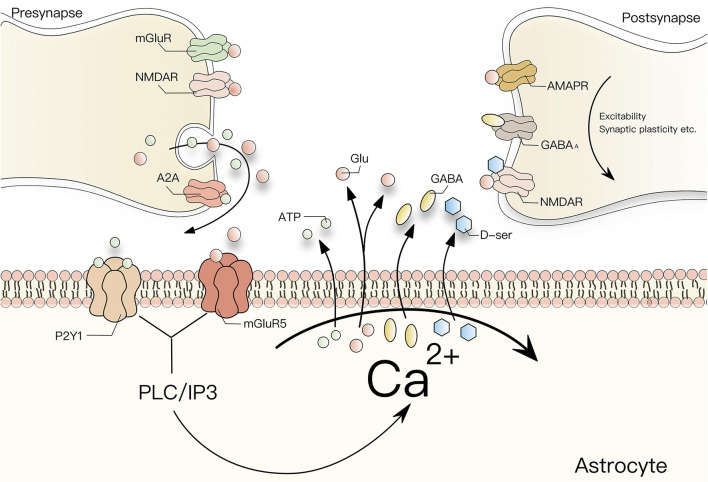
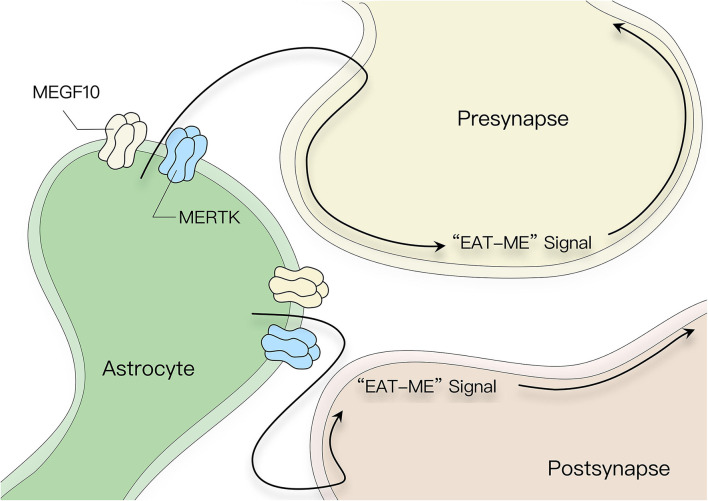
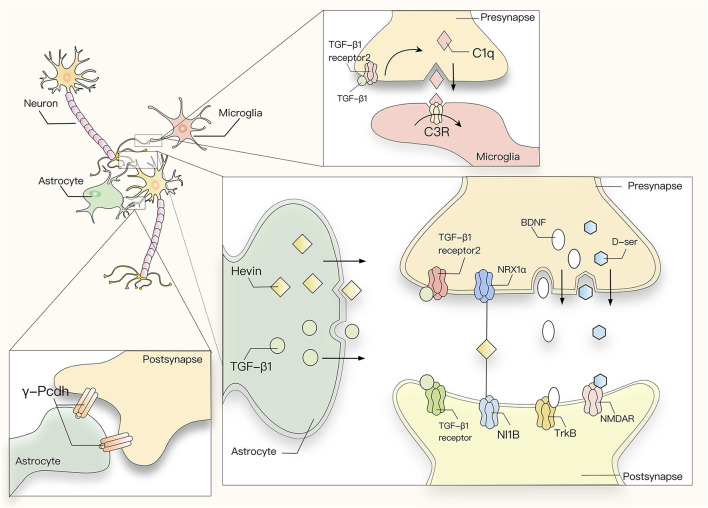
Astrocytes are the major glial cells in the brain, which play a supporting role in the energy and nutritional supply of neurons. They were initially regarded as passive space-filling cells, but the latest progress in the study of the development and function of astrocytes highlights their active roles in regulating synaptic transmission, formation, and plasticity. In the concept of "tripartite synapse," the bidirectional influence between astrocytes and neurons, in addition to their steady-state and supporting function, suggests that any negative changes in the structure or function of astrocytes will affect the activity of neurons, leading to neurodevelopmental disorders. The role of astrocytes in the pathophysiology of various neurological and psychiatric disorders caused by synaptic defects is increasingly appreciated. Understanding the roles of astrocytes in regulating synaptic development and the plasticity of neural circuits could help provide new treatments for these diseases.
星形胶质细胞是大脑中的主要神经胶质细胞,在神经元的能量和营养供应中发挥支持作用。它们最初被视为被动的填充空间的细胞,但星形胶质细胞发育和功能研究的最新进展突出了它们在调节突触传递、形成和可塑性方面的积极作用。在“三方突触”的概念中,星形胶质细胞与神经元之间的双向影响,除了其稳态和支持功能外,表明星形胶质细胞结构或功能的任何负面变化都会影响神经元的活动,导致神经发育障碍。星形胶质细胞在由突触缺陷引起的各种神经和精神疾病的病理生理学中的作用越来越受到重视。了解星形胶质细胞在调节突触发育和神经回路可塑性中的作用有助于为这些疾病提供新的治疗方法。