Li Danfeng, Lin Xiaosheng, Chen Binlie, Ma Zhiyan, Zeng Yongming, Wang Huaiming
Department of Gastrointestinal Surgery, The First Affiliated Hospital of Shantou University Medical College, Shantou, China.
Medical College, Shantou University, Shantou, China.
Front Genet. 2021 Sep 22;12:723802. doi: 10.3389/fgene.2021.723802. eCollection 2021.
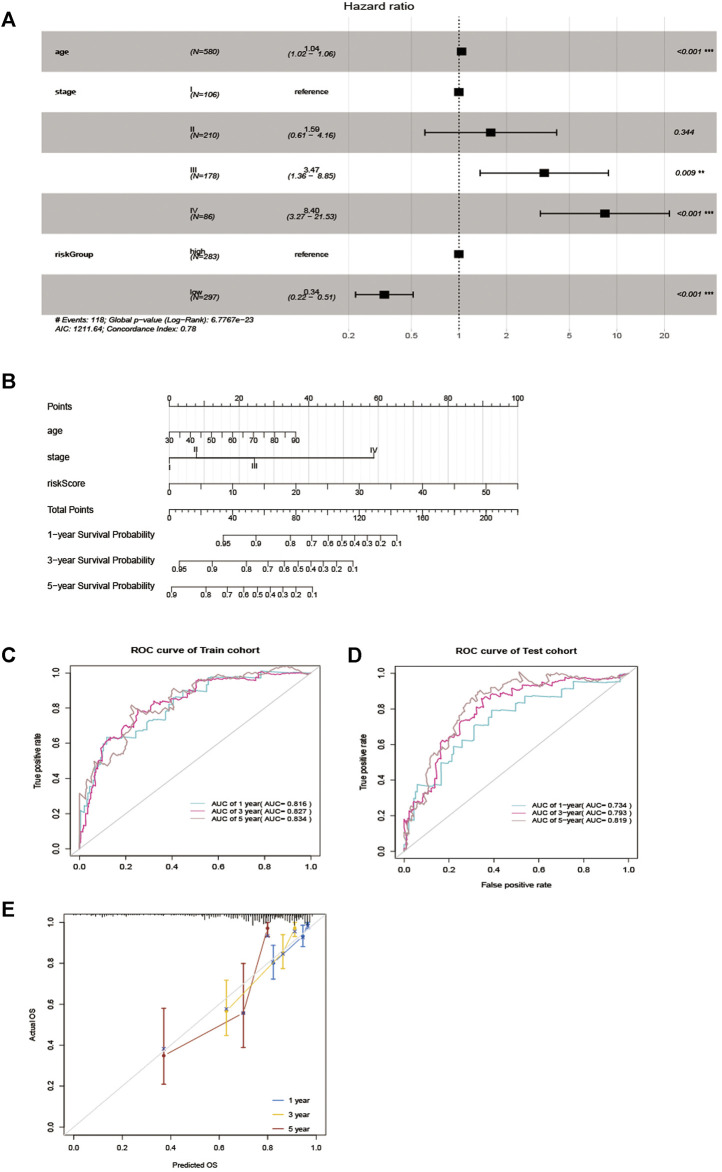
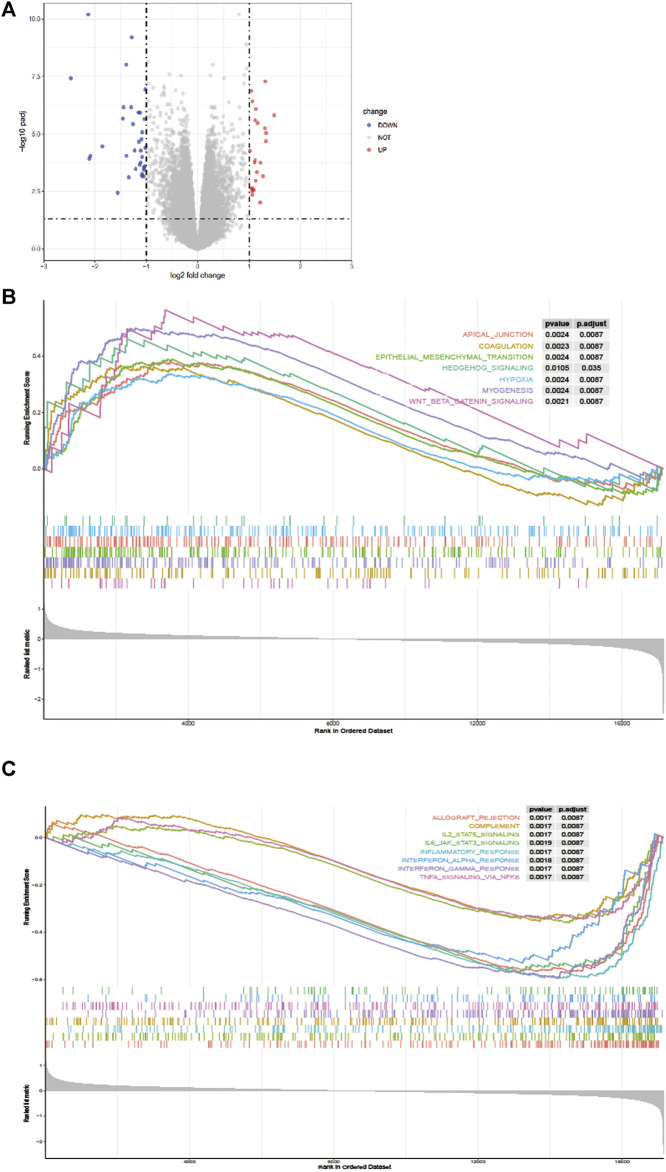
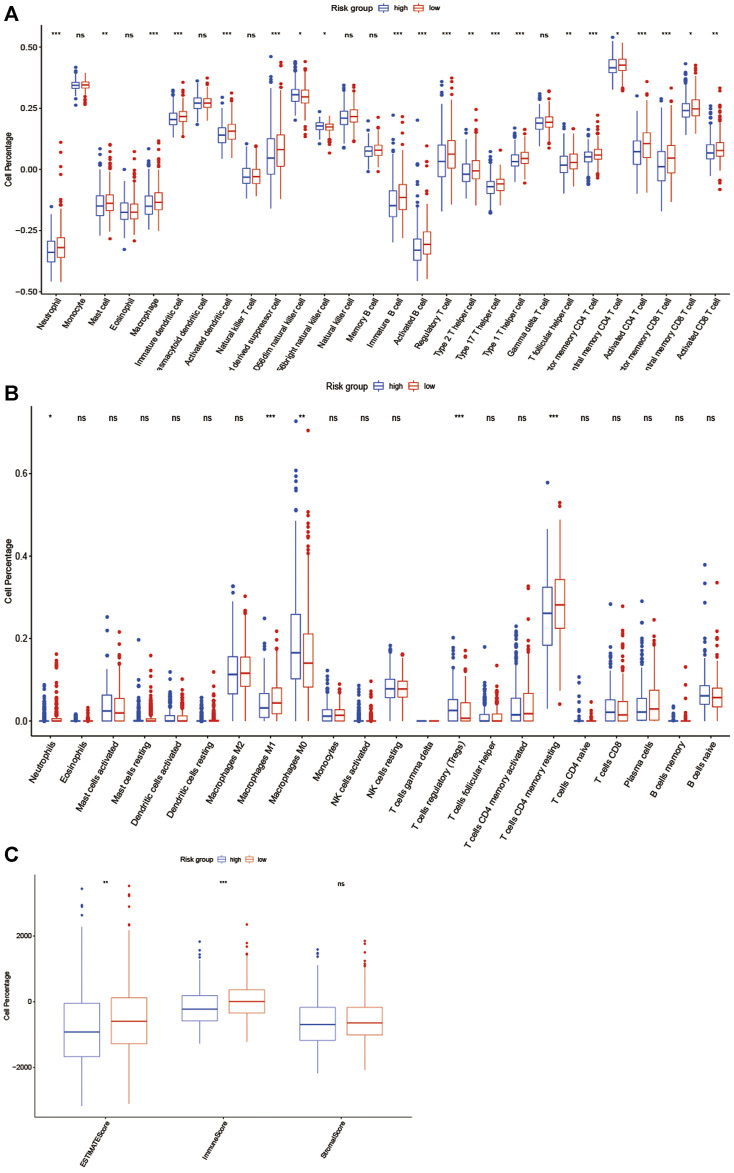
This study aimed to explore the biological functions and prognostic role of Epithelial-mesenchymal transition (Epithelial-mesenchymal transition)-related lncRNAs in colorectal cancer (CRC). The Cancer Genome Atlas database was applied to retrieve gene expression data and clinical information. An EMT-related lncRNA risk signature was constructed relying on univariate Cox regression, Least Absolute Shrinkage and Selector Operation (LASSO) and multivariate Cox regression analysis of the EMT-related lncRNA expression data and clinical information. Then, an individualized prognostic prediction model based on the nomogram was developed and the predictive accuracy and discriminative ability of the nomogram were determined by the receiver operating characteristic curve and calibration curve. Finally, a series of analyses, such as functional analysis and unsupervised cluster analysis, were conducted to explore the influence of independent lncRNAs on CRC. A total of 581 patients were enrolled and an eleven-EMT-related lncRNA risk signature was identified relying on the comprehensive analysis of the EMT-related lncRNA expression data and clinical information in the training cohort. Then, risk scores were calculated to divide patients into high and low-risk groups, and the Kaplan-Meier curve analysis showed that low-risk patients tended to have better overall survival (OS). Multivariate Cox regression analysis indicated that the EMT-related lncRNA signature was significantly associated with prognosis. The results were subsequently confirmed in the validation dataset. Then, we constructed and validated a predictive nomogram for overall survival based on the clinical factors and risk signature. Functional characterization confirmed this signature could predict immune-related phenotype and was associated with immune cell infiltration (i.e., macrophages M0, M1, Tregs, CD4 memory resting cells, and neutrophils), tumor mutation burden (TMB). Our study highlighted the value of the 11-EMT-lncRNA signature as a predictor of prognosis and immunotherapeutic response in CRC.
本研究旨在探讨上皮-间质转化(Epithelial-mesenchymal transition,EMT)相关长链非编码RNA(lncRNAs)在结直肠癌(CRC)中的生物学功能及预后作用。应用癌症基因组图谱数据库检索基因表达数据和临床信息。基于EMT相关lncRNA表达数据和临床信息,通过单因素Cox回归、最小绝对收缩和选择算子(LASSO)以及多因素Cox回归分析构建EMT相关lncRNA风险特征。然后,开发基于列线图的个体化预后预测模型,并通过受试者工作特征曲线和校准曲线确定列线图的预测准确性和鉴别能力。最后,进行一系列分析,如功能分析和无监督聚类分析,以探讨独立lncRNAs对CRC的影响。共纳入581例患者,通过对训练队列中EMT相关lncRNA表达数据和临床信息的综合分析,确定了一个包含11个与EMT相关的lncRNA风险特征。然后,计算风险评分将患者分为高风险和低风险组,Kaplan-Meier曲线分析表明低风险患者总体生存率(OS)往往更好。多因素Cox回归分析表明,EMT相关lncRNA特征与预后显著相关。随后在验证数据集中证实了该结果。然后,我们基于临床因素和风险特征构建并验证了总体生存的预测列线图。功能特征证实该特征可预测免疫相关表型,并与免疫细胞浸润(即巨噬细胞M0、M1、调节性T细胞、CD4记忆静止细胞和中性粒细胞)、肿瘤突变负荷(TMB)相关。我们的研究强调了11个EMT-lncRNA特征作为CRC预后和免疫治疗反应预测指标的价值。