Ren Qianqian, Zhu Peng, Zhang Hui, Ye Tianhe, Liu Dehan, Gong Zhao, Xia Xiangwen
1Department of Radiology, Union Hospital, Tongji Medical College, Huazhong University of Science and Technology, 1277 Jiefang Avenue, Wuhan, 430022 China.
Hubei Province Key Laboratory of Molecular Imaging, Wuhan, 430022 China.
Cancer Cell Int. 2020 Mar 24;20:92. doi: 10.1186/s12935-020-01173-3. eCollection 2020.
Immunotherapies targeting programmed cell death 1 (PD-1) and programmed death-ligand 1 (PD-L1) have been approved for gastric cancer (GC) patients. However, a large proportion of patients with T-cell-inflamed tumor microenvironment do not respond to the PD-1/PD-L1 blockade. The stromal component of the tumor microenvironment has been associated with immunotherapy. This study aims to explore the clinical significance of the non-immune cells in the tumor microenvironment and their potential as biomarkers for immunotherapy.
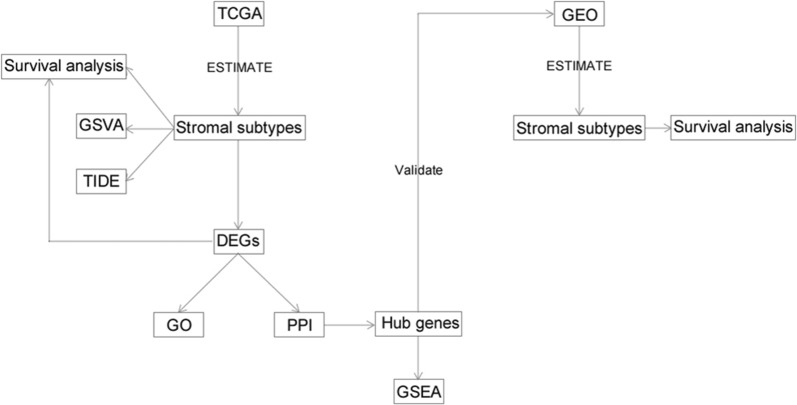
A total of 383 patients with GC from the Cancer Genome Atlas (TCGA) cohort, 300 patients with GC from the GSE62254 cohort in Gene Expression Omnibus (GEO) were included in the study. A stromal score was generated using the ESTIMATE algorithm, and the likelihood of response to PD-1/PD-L1 immunotherapy of GC patients was predicted using the TIDE algorithm. The prognostic value of the stromal score from GC cases was evaluated by the Kaplan-Meier method and Cox regression analysis. Gene set enrichment analysis (GSEA) was also conducted.
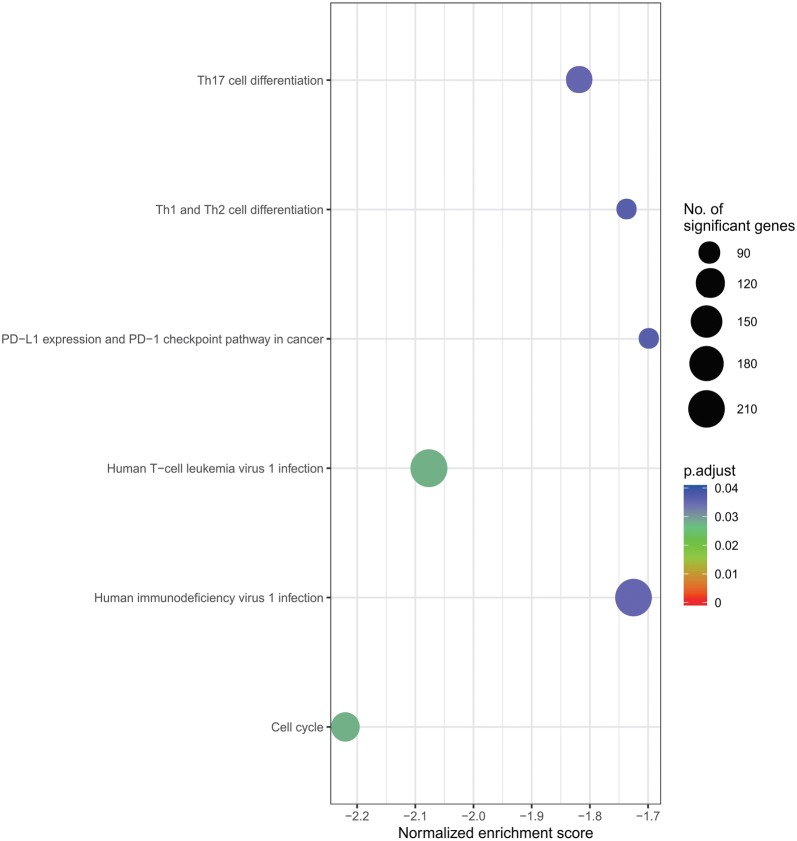
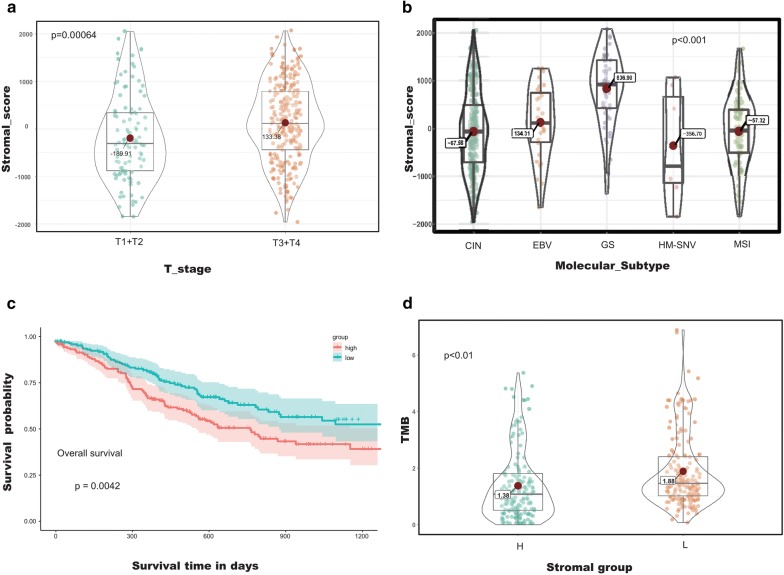
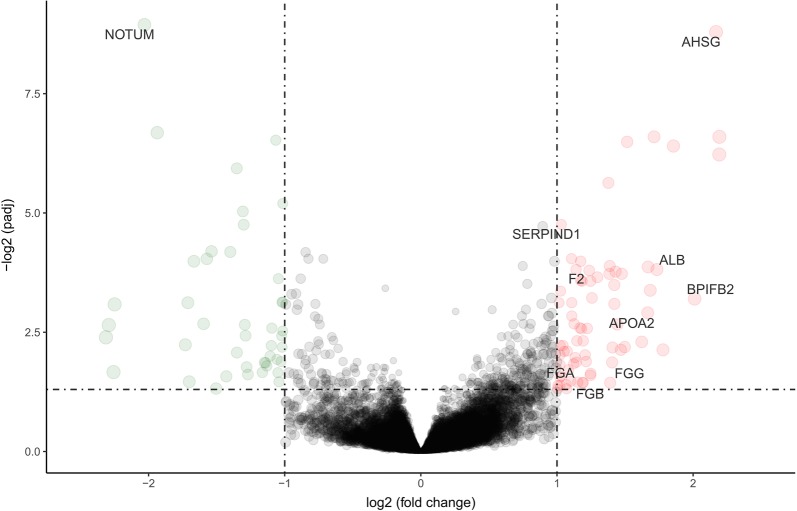
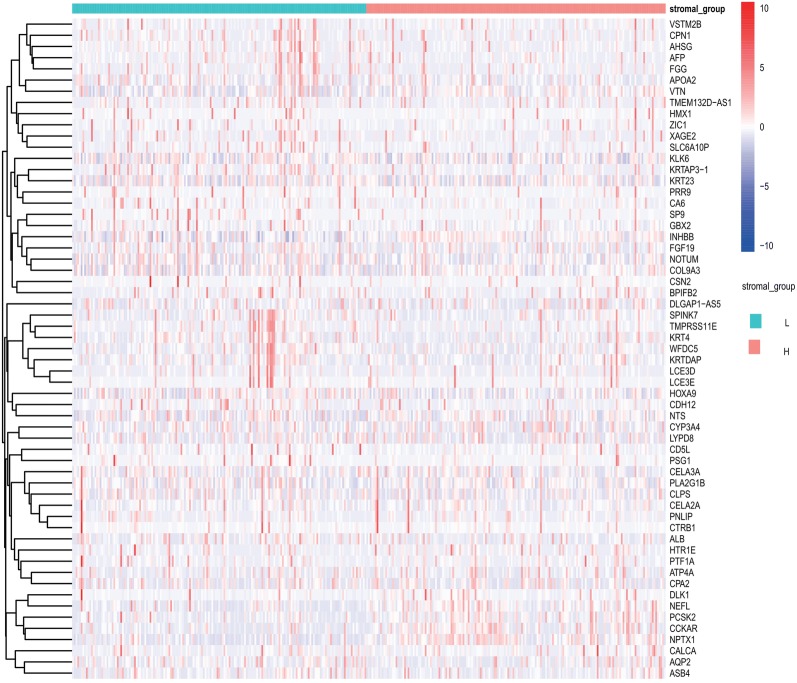
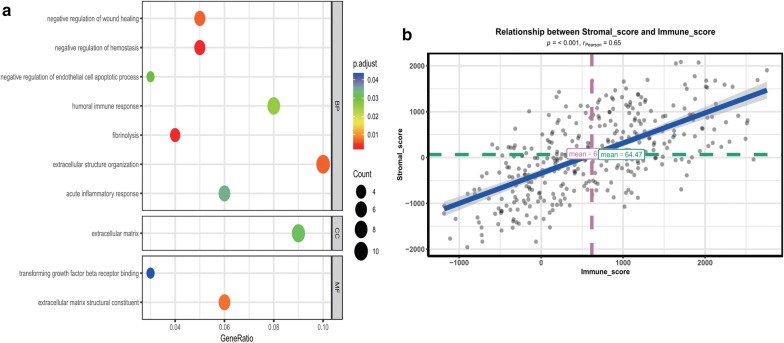
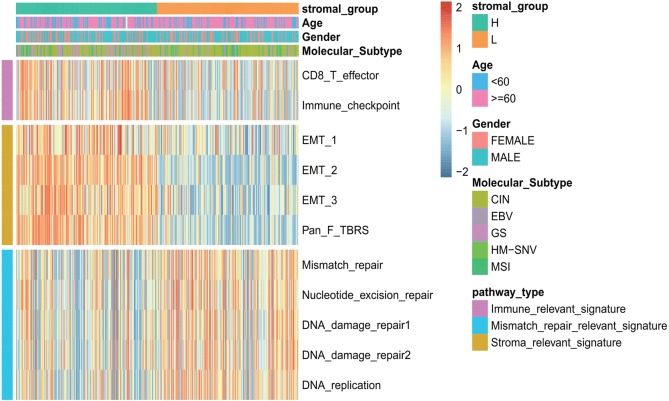
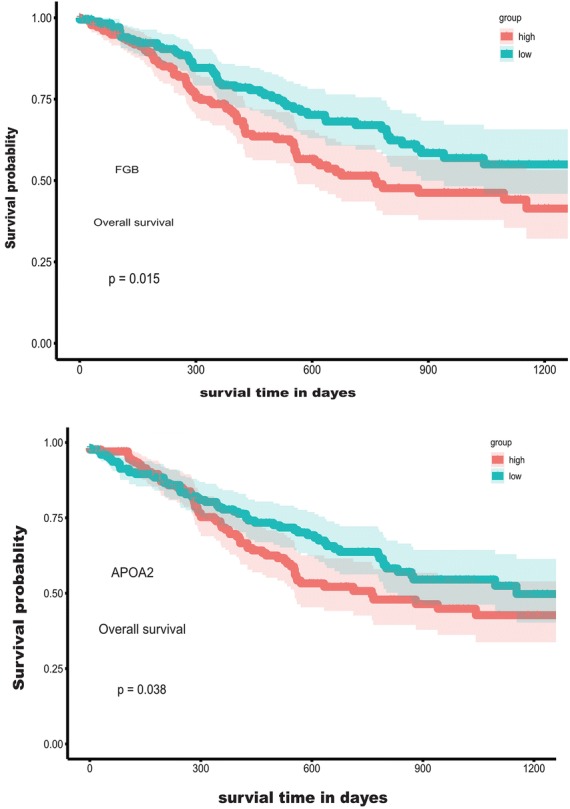
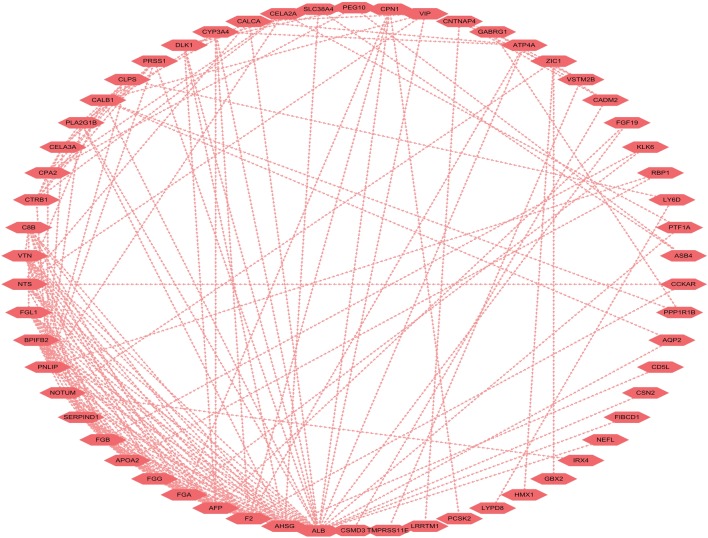
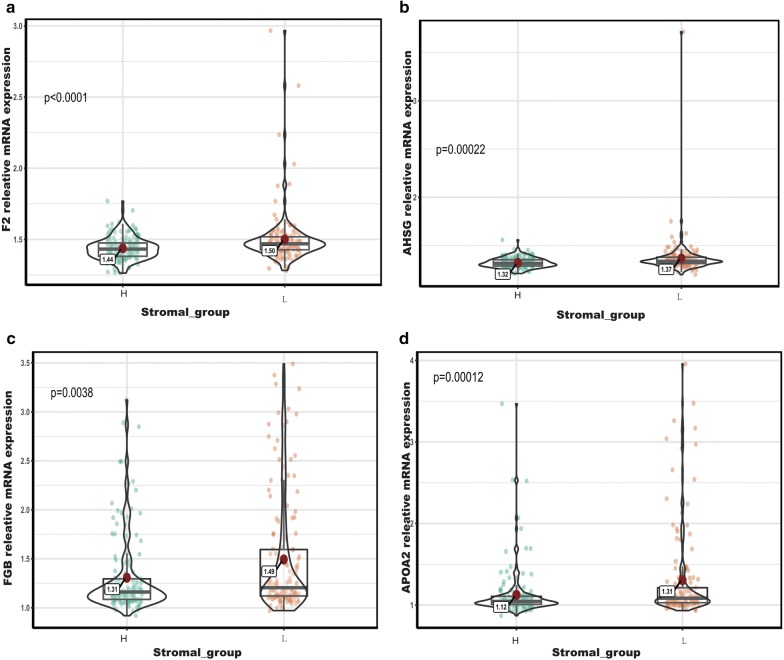
The stromal score showed significant differences in different molecular subtypes and T stages. Multivariate analyses further confirmed that the stromal score was an independent indicator of overall survival (OS) in the two cohorts. The low stromal score group showed higher tumor mutation burden (TMB) and micro-satellite instability (MSI), and was more sensitive to immune checkpoint inhibitor according to the TIDE algorithm. Activation of the transforming growth factor and epithelial-mesenchymal transition were observed in the high stromal score subtype, which is associated with T-cell suppression, and may be responsible for resistance to PD-1/PD-L1 therapy. BPIFB2 was confirmed as a hub gene relevant to immunotherapy.
The stromal score was associated with cancer progression and molecular subtypes, and may serve as a novel biomarker for predicting the prognosis and response to immunotherapy in patients with GC.
靶向程序性细胞死亡蛋白1(PD-1)和程序性死亡配体1(PD-L1)的免疫疗法已被批准用于胃癌(GC)患者。然而,很大一部分具有T细胞炎症性肿瘤微环境的患者对PD-1/PD-L1阻断无反应。肿瘤微环境的基质成分与免疫治疗有关。本研究旨在探讨肿瘤微环境中非免疫细胞的临床意义及其作为免疫治疗生物标志物的潜力。
本研究纳入了来自癌症基因组图谱(TCGA)队列的383例GC患者、来自基因表达综合数据库(GEO)中GSE62254队列的300例GC患者。使用ESTIMATE算法生成基质评分,并使用TIDE算法预测GC患者对PD-1/PD-L1免疫治疗的反应可能性。采用Kaplan-Meier法和Cox回归分析评估GC病例基质评分的预后价值。还进行了基因集富集分析(GSEA)。
基质评分在不同分子亚型和T分期中显示出显著差异。多变量分析进一步证实,基质评分是两个队列中总生存期(OS)的独立指标。低基质评分组显示出更高的肿瘤突变负担(TMB)和微卫星不稳定性(MSI),根据TIDE算法,对免疫检查点抑制剂更敏感。在高基质评分亚型中观察到转化生长因子的激活和上皮-间质转化,这与T细胞抑制有关,可能是对PD-1/PD-L1治疗耐药的原因。BPIFB2被确认为与免疫治疗相关的枢纽基因。
基质评分与癌症进展和分子亚型相关,可能作为预测GC患者预后和免疫治疗反应的新型生物标志物。