Fernandes Silva Lilian, Vangipurapu Jagadish, Laakso Markku
Institute of Clinical Medicine, Internal Medicine, University of Eastern Finland, 70210 Kuopio, Finland.
Metabolites. 2021 Oct 9;11(10):691. doi: 10.3390/metabo11100691.
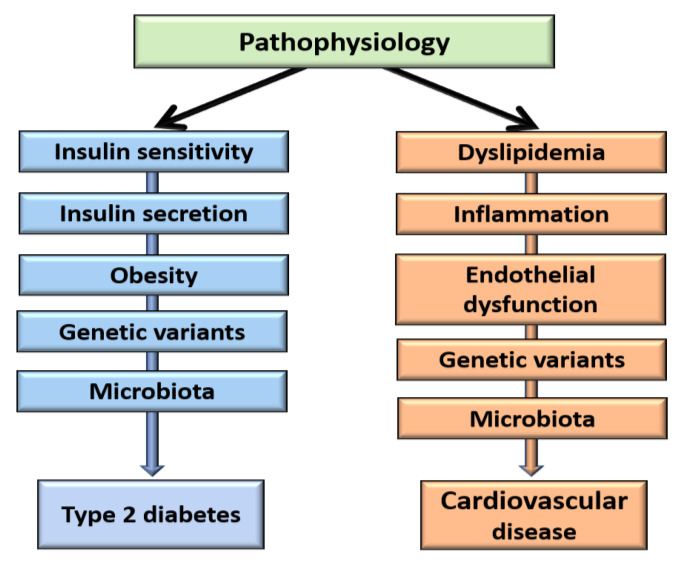
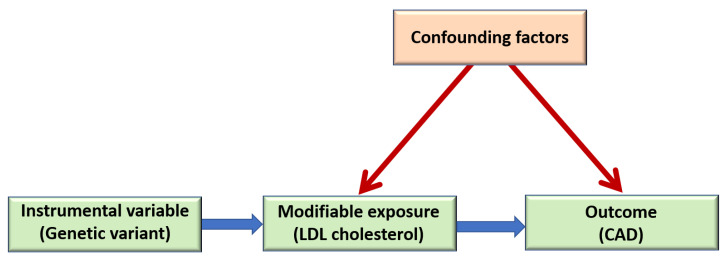
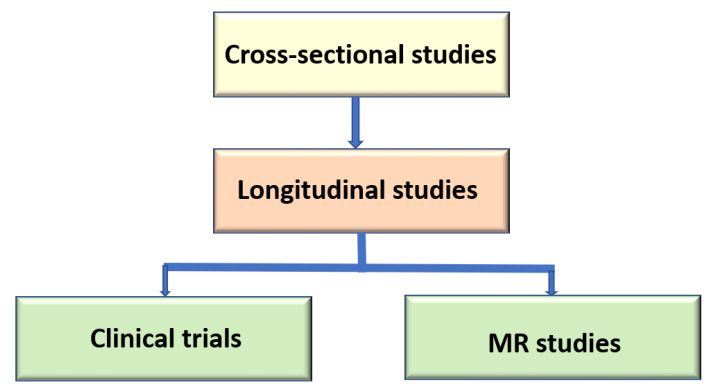
The prevalence and the incidence of type 2 diabetes (T2D), representing >90% of all cases of diabetes, are increasing rapidly worldwide. Identification of individuals at high risk of developing diabetes is of great importance, as early interventions might delay or even prevent full-blown disease. T2D is a complex disease caused by multiple genetic variants in interaction with lifestyle and environmental factors. Cardiovascular disease (CVD) is the major cause of morbidity and mortality. Detailed understanding of molecular mechanisms underlying in CVD events is still largely missing. Several risk factors are shared between T2D and CVD, including obesity, insulin resistance, dyslipidemia, and hyperglycemia. CVD can precede the development of T2D, and T2D is a major risk factor for CVD, suggesting that both conditions have common genetic and environmental antecedents and that they share "common soil". We analyzed the relationship between the risk factors for T2D and CVD based on genetics and population-based studies with emphasis on Mendelian randomization studies.
2型糖尿病(T2D)占所有糖尿病病例的90%以上,其患病率和发病率在全球范围内正迅速上升。识别有患糖尿病高风险的个体非常重要,因为早期干预可能会延缓甚至预防全面疾病的发生。T2D是一种复杂的疾病,由多种基因变异与生活方式和环境因素相互作用引起。心血管疾病(CVD)是发病和死亡的主要原因。对CVD事件潜在分子机制的详细了解仍大多缺失。T2D和CVD之间存在一些共同的风险因素,包括肥胖、胰岛素抵抗、血脂异常和高血糖。CVD可能先于T2D出现,而T2D是CVD的主要风险因素,这表明这两种情况有共同的遗传和环境前驱因素,且它们共享“共同土壤”。我们基于遗传学和人群研究,重点是孟德尔随机化研究,分析了T2D和CVD风险因素之间的关系。