Department of Medical Oncology, Dana-Farber Cancer Institute, Boston, Massachusetts.
Harvard Medical School, Boston, Massachusetts.
Cancer Res. 2021 Dec 15;81(24):6117-6130. doi: 10.1158/0008-5472.CAN-21-1273. Epub 2021 Oct 22.
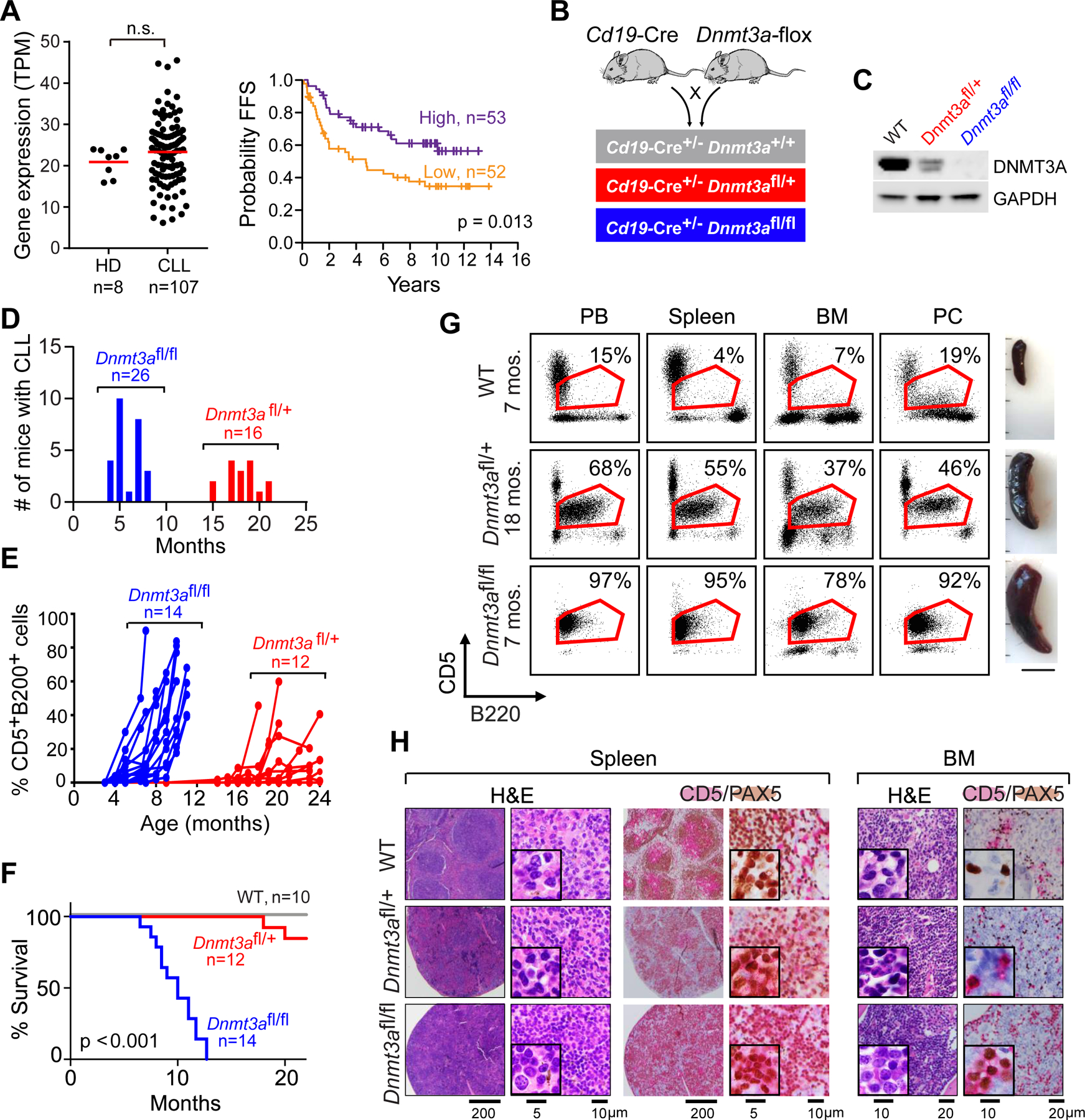
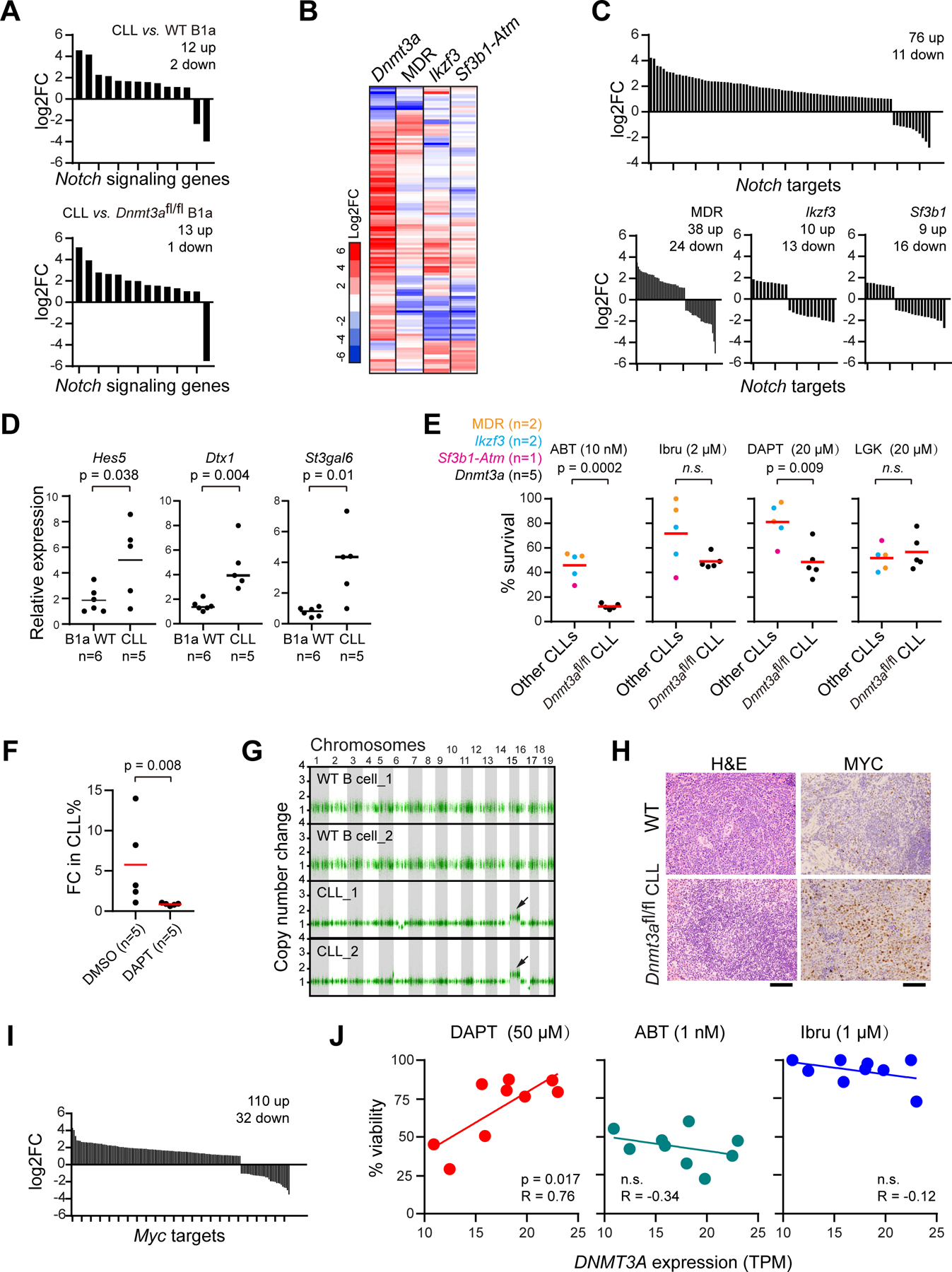
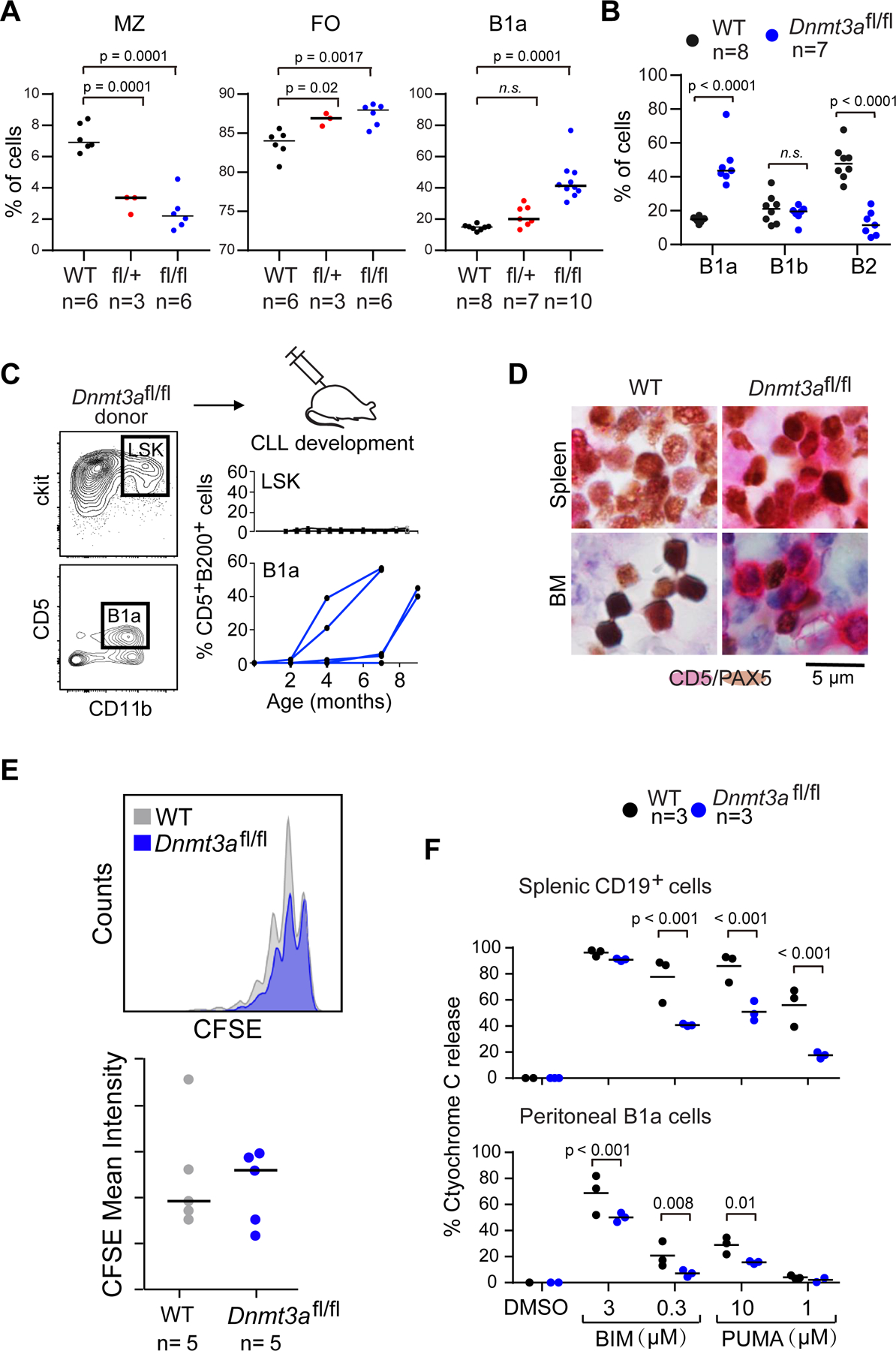
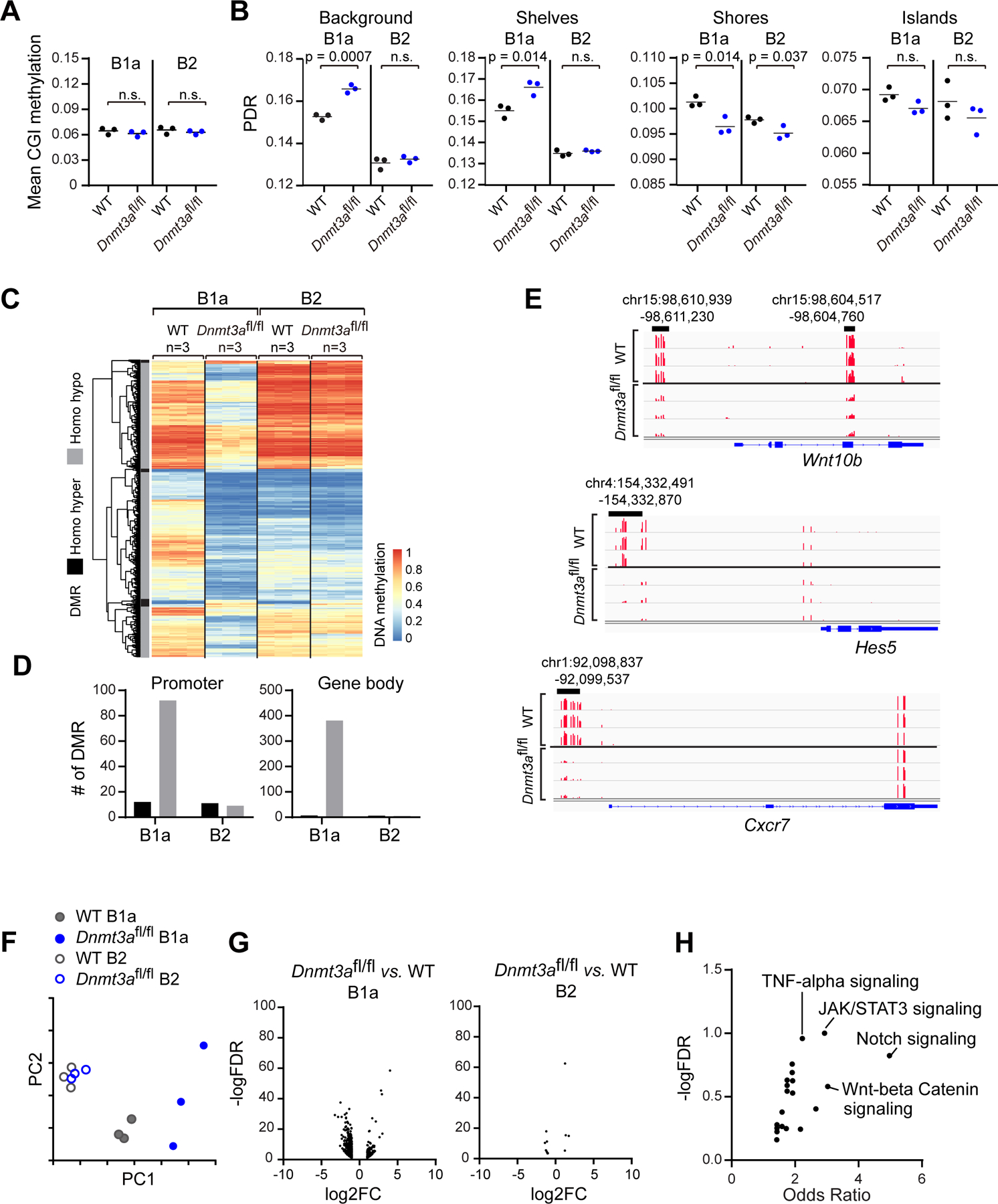
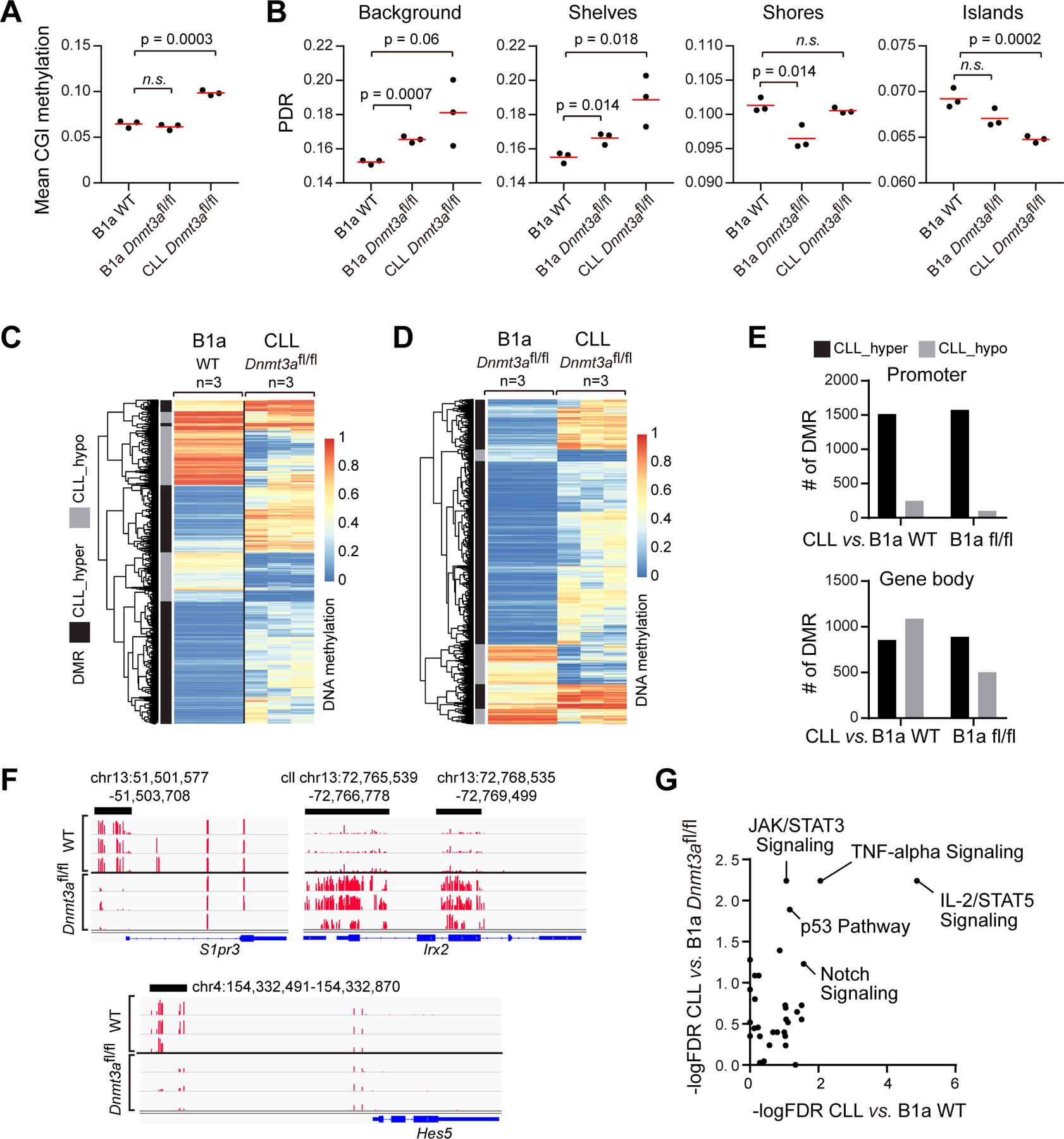
Chronic lymphocytic leukemia (CLL) is characterized by disordered DNA methylation, suggesting these epigenetic changes might play a critical role in disease onset and progression. The methyltransferase is a key regulator of DNA methylation. Although somatic mutations in CLL are rare, we found that low expression is associated with more aggressive disease. A conditional knockout mouse model showed that homozygous depletion of from B cells results in the development of CLL with 100% penetrance at a median age of onset of 5.3 months, and heterozygous depletion yields a disease penetrance of 89% with a median onset at 18.5 months, confirming its role as a haploinsufficient tumor suppressor. B1a cells were confirmed as the cell of origin of disease in this model, and depletion resulted in focal hypomethylation and activation of and signaling. Amplification of chromosome 15 containing the gene was detected in all CLL mice tested, and infiltration of high--expressing CLL cells in the spleen was observed. Notably, hyperactivation of and signaling was exclusively observed in the CLL mice, but not in three other CLL mouse models tested (, , and ), and -depleted CLL were sensitive to pharmacologic inhibition of signaling and . Consistent with these findings, human CLL samples with lower expression were more sensitive to inhibition than those with higher expression. Altogether, these results suggest that depletion induces CLL that is highly dependent on activation of and signaling. SIGNIFICANCE: Loss of expression is a driving event in CLL and is associated with aggressive disease, activation of and signaling, and enhanced sensitivity to inhibition.
慢性淋巴细胞白血病(CLL)的特征是 DNA 甲基化紊乱,表明这些表观遗传变化可能在疾病的发生和进展中起关键作用。甲基转移酶 是 DNA 甲基化的关键调节因子。虽然 CLL 中的体细胞突变很少,但我们发现低表达与更具侵袭性的疾病有关。条件性敲除小鼠模型表明,B 细胞中 的纯合缺失导致 CLL 的发展,其发病中位年龄为 5.3 个月,杂合缺失的疾病发生率为 89%,发病中位年龄为 18.5 个月,证实其作为单倍不足肿瘤抑制因子的作用。该模型中确认 B1a 细胞为疾病的起源细胞,且 缺失导致局灶性低甲基化和 及 信号的激活。在所有检测到的 CLL 小鼠中均检测到包含 基因的 15 号染色体扩增,并且在脾脏中观察到高表达 CLL 细胞的浸润。值得注意的是, 及 信号的过度激活仅在 缺失的 CLL 小鼠中观察到,而在另外三种测试的 CLL 小鼠模型( 、 和 )中未观察到,且 -缺失的 CLL 对 信号通路的药理学抑制 及 敏感。与这些发现一致,表达水平较低的人类 CLL 样本比表达水平较高的样本对 抑制更敏感。总的来说,这些结果表明, 缺失诱导的 CLL 高度依赖于 及 信号的激活。意义: 表达缺失是 CLL 的驱动事件,与侵袭性疾病、 及 信号的激活以及对 抑制的敏感性增强有关。