Key Laboratory of Diagnosis and Treatment of Severe Hepato-Pancreatic Diseases of Zhejiang Province, The First Affiliated Hospital of Wenzhou Medical University, Wenzhou 325000, China.
Mediators Inflamm. 2021 Oct 13;2021:3399357. doi: 10.1155/2021/3399357. eCollection 2021.
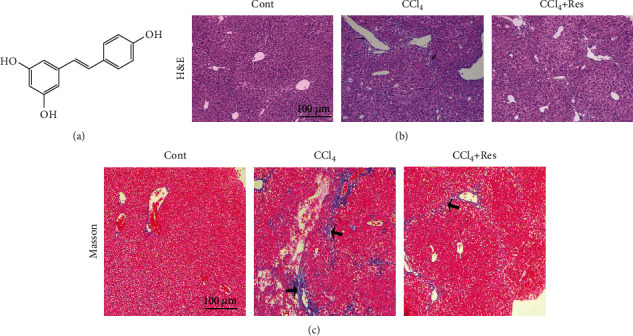
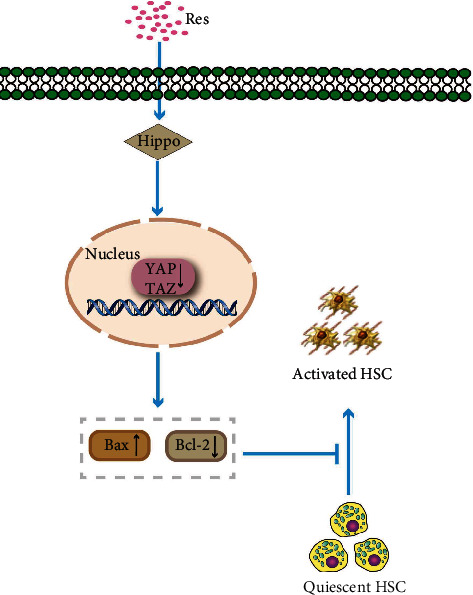
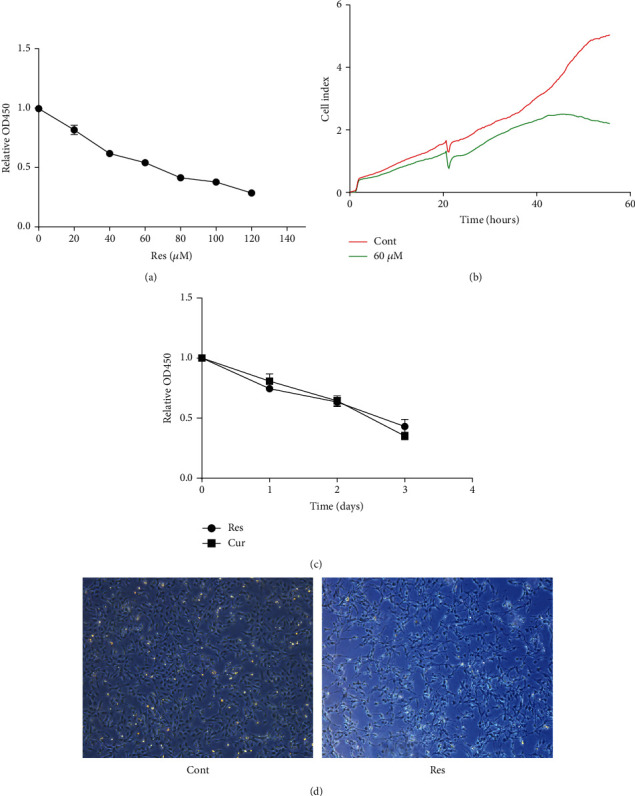
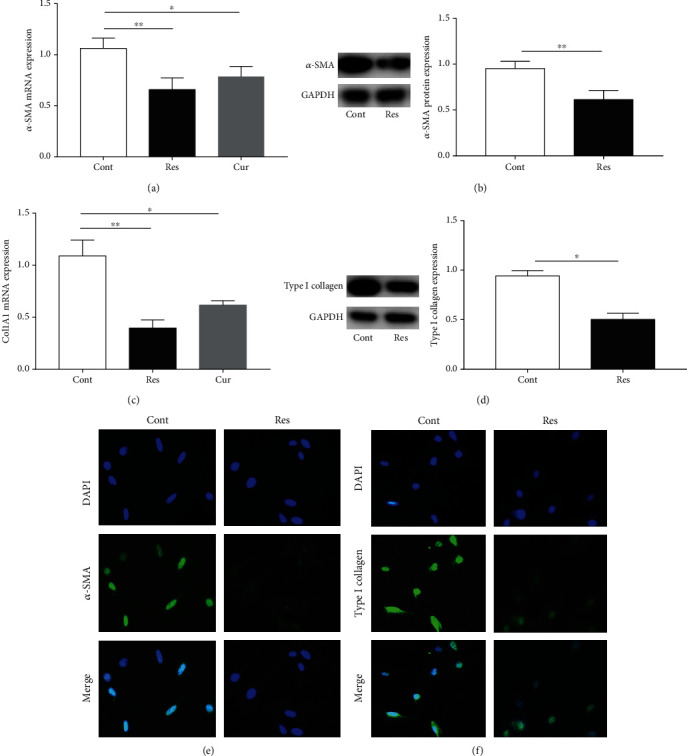
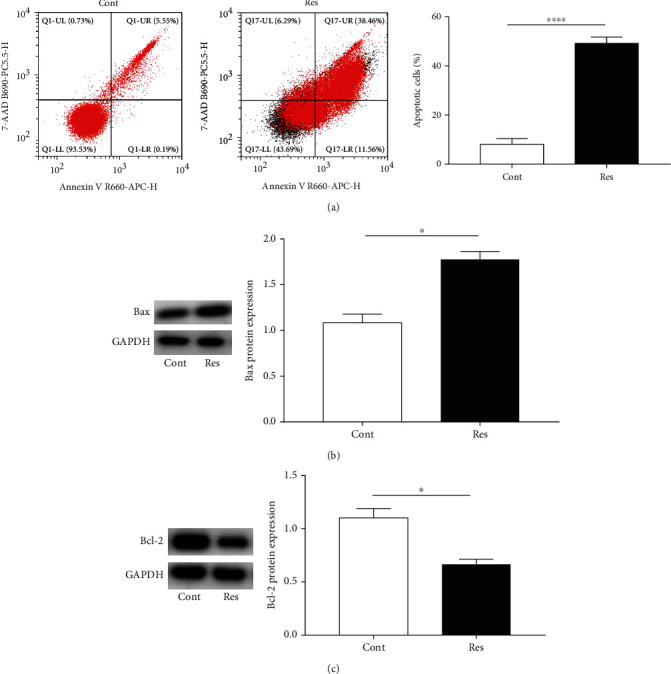
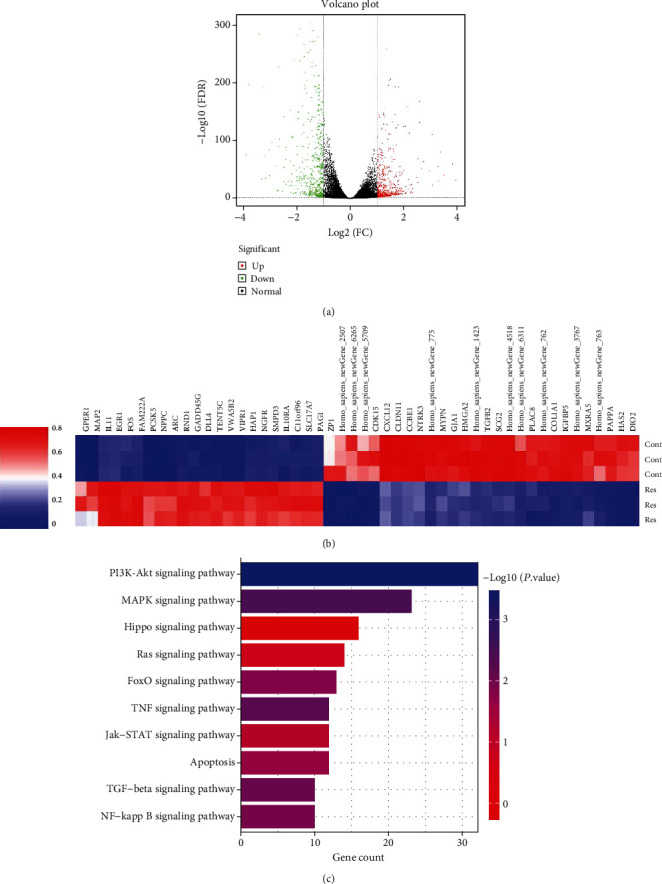
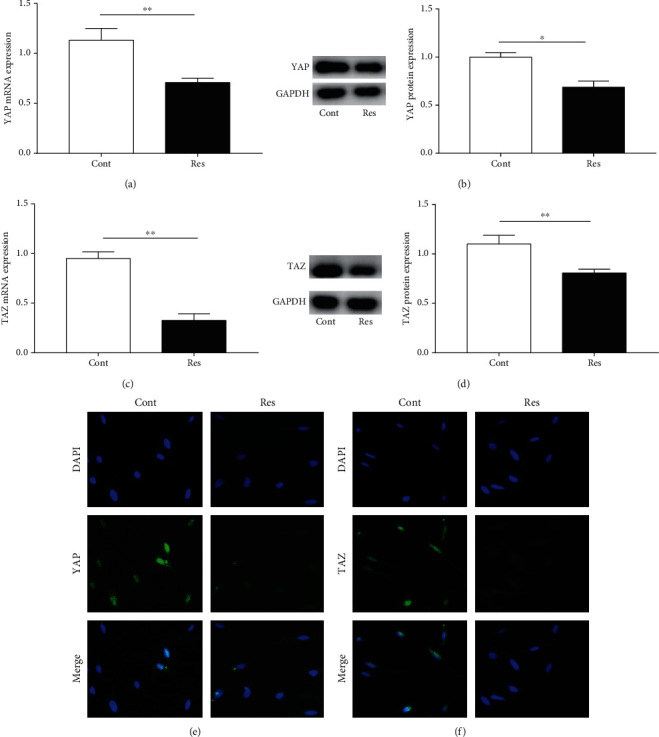
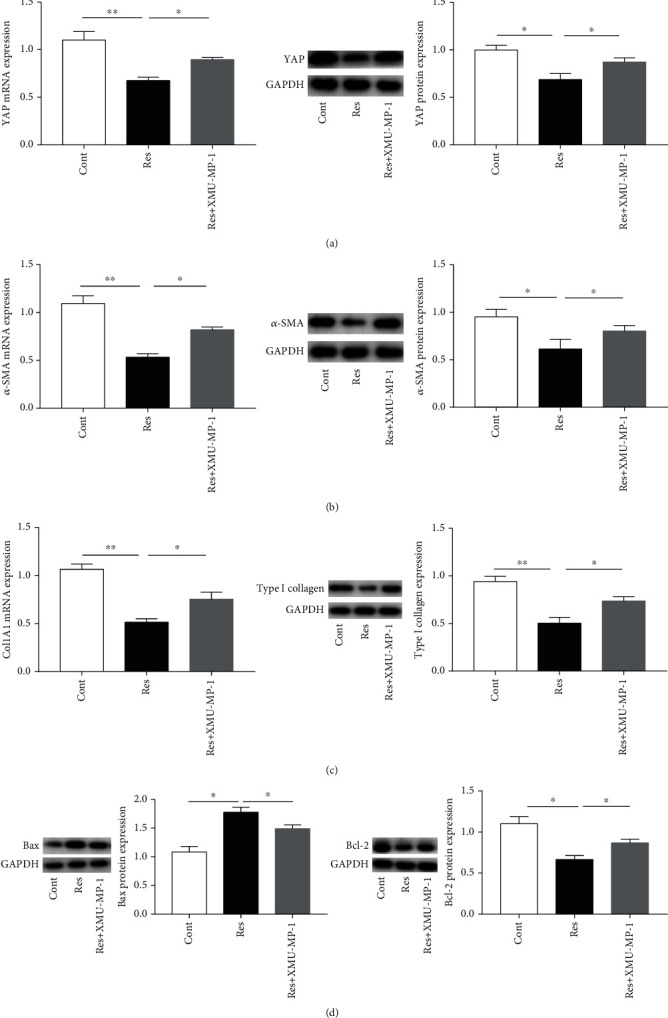
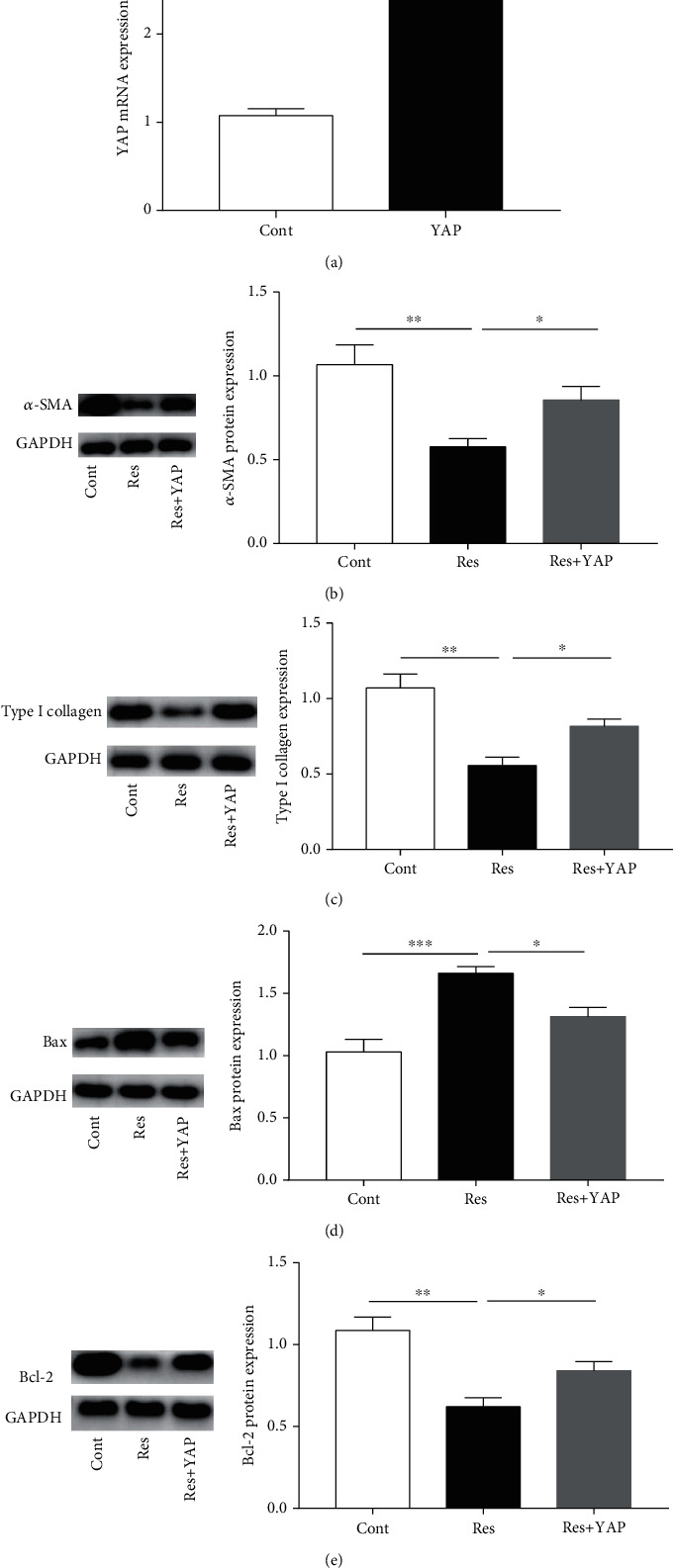
Liver fibrosis, which results from chronic liver injury due to factors such as chronic alcohol consumption, hepatitis virus infections, and immune attacks, is marked by excessive deposition of extracellular matrix (ECM). Resveratrol (Res), a polyphenol phytoalexin, has been demonstrated to show anti-inflammatory, antioxidative, antiproliferative, and chemopreventive activities. In recent years, Res has been found to inhibit liver fibrosis. Enhanced Hippo pathway activation has also been reported to inhibit tumor progression and liver fibrosis. In the present study, the role of the Hippo pathway in mediating the effects of Res on hepatic stellate cells (HSCs) was examined. We found that Res significantly suppresses HSC proliferation, reducing the cell index. Res induced HSC inactivation, reducing collagen deposition and -smooth muscle actin (-SMA) expression. In addition, Res contributed to HSC apoptosis, upregulating Bax and downregulating Bcl-2 expression. Notably, the Hippo pathway was involved in the Res-mediated suppression of HSC activation. Res enhanced the activation of the Hippo pathway and reduced yes-associated protein (YAP) and transcriptional coactivator with the PDZ-binding motif (TAZ) expression. Interestingly, the YAP overexpression inhibited Res-induced HSC inactivation and apoptosis. In conclusion, these results demonstrate that Res inhibits HSC activation, at least in part, via the Hippo pathway. The present study indicates a new antifibrotic mechanism of Res and provides novel insights into Hippo-mediated HSC apoptosis and HSC activation in liver fibrosis.
肝纤维化是由慢性酒精摄入、肝炎病毒感染和免疫攻击等因素引起的慢性肝损伤导致的,其特征是细胞外基质(ECM)过度沉积。白藜芦醇(Res)是一种多酚植物抗毒素,已被证明具有抗炎、抗氧化、抗增殖和化学预防作用。近年来,Res 被发现能抑制肝纤维化。增强 Hippo 通路的激活也被报道能抑制肿瘤进展和肝纤维化。在本研究中,研究了 Hippo 通路在介导 Res 对肝星状细胞(HSCs)作用中的作用。结果发现 Res 能显著抑制 HSC 的增殖,降低细胞指数。Res 诱导 HSC 失活,减少胶原沉积和 -平滑肌肌动蛋白(-SMA)表达。此外,Res 促进 HSC 凋亡,上调 Bax 表达,下调 Bcl-2 表达。值得注意的是,Hippo 通路参与了 Res 介导的 HSC 激活抑制。Res 增强了 Hippo 通路的激活,降低了 yes 相关蛋白(YAP)和含有 PDZ 结合基序的转录共激活因子(TAZ)的表达。有趣的是,YAP 的过表达抑制了 Res 诱导的 HSC 失活和凋亡。总之,这些结果表明 Res 通过 Hippo 通路抑制 HSC 的激活,至少部分是通过 Hippo 通路抑制 HSC 的激活。本研究表明了 Res 的一种新的抗纤维化机制,并为 Hippo 介导的 HSC 凋亡和肝纤维化中 HSC 激活提供了新的见解。