Ketkar Harshada, Alqahtani Maha, Tang Samantha, Parambath Sreema Puthiya, Bakshi Chandra Shekhar, Jain Sudhir
Department of Pathology, Microbiology and Immunology, New York Medical College, Valhalla, NY, United States.
Front Microbiol. 2023 May 17;14:1173577. doi: 10.3389/fmicb.2023.1173577. eCollection 2023.
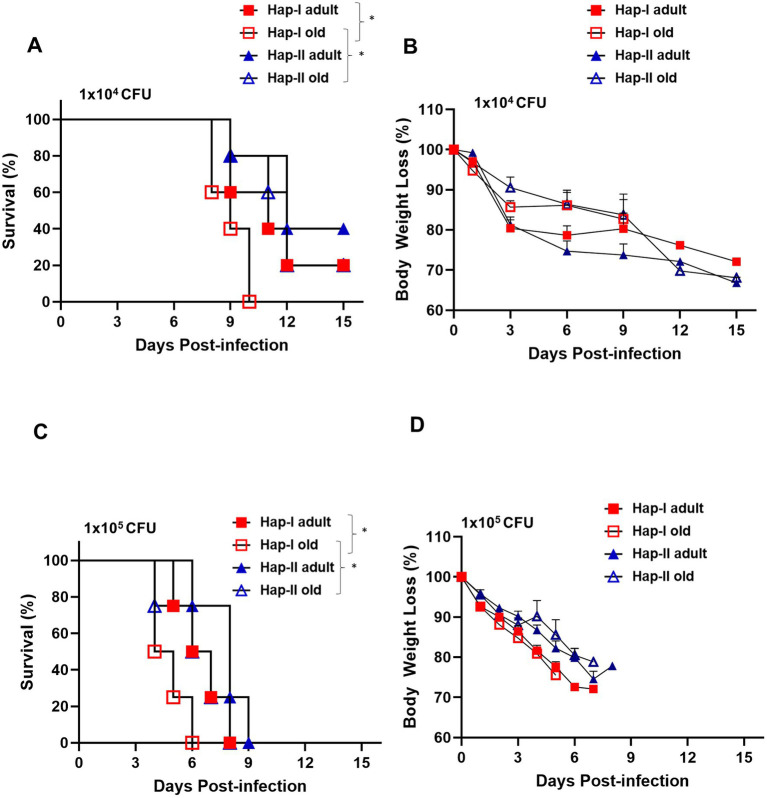
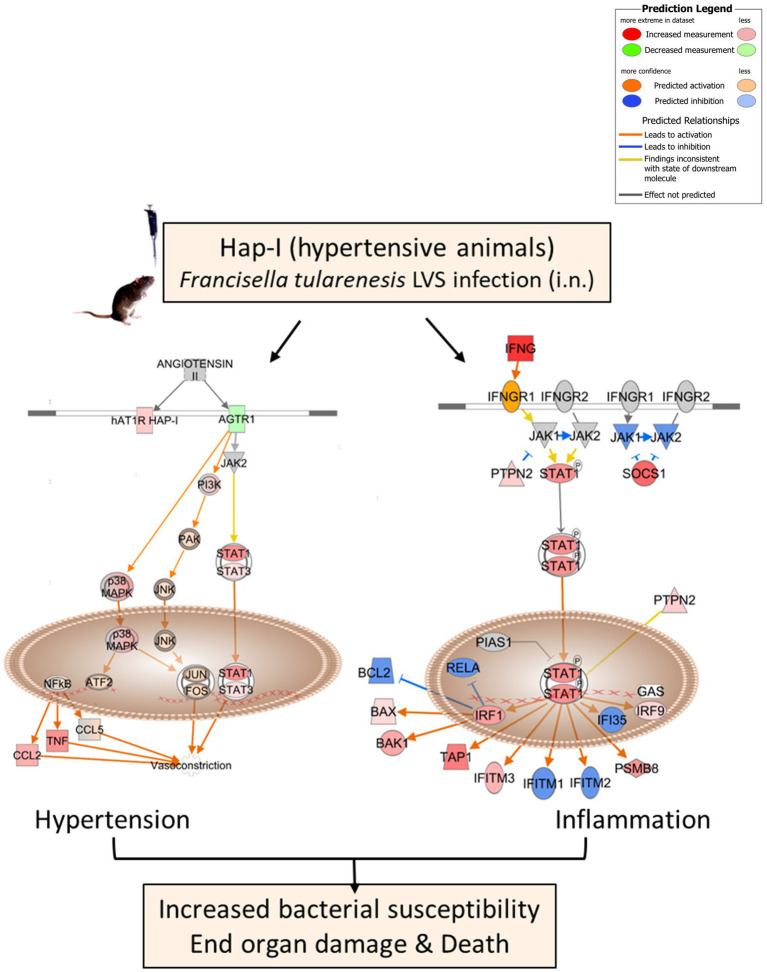
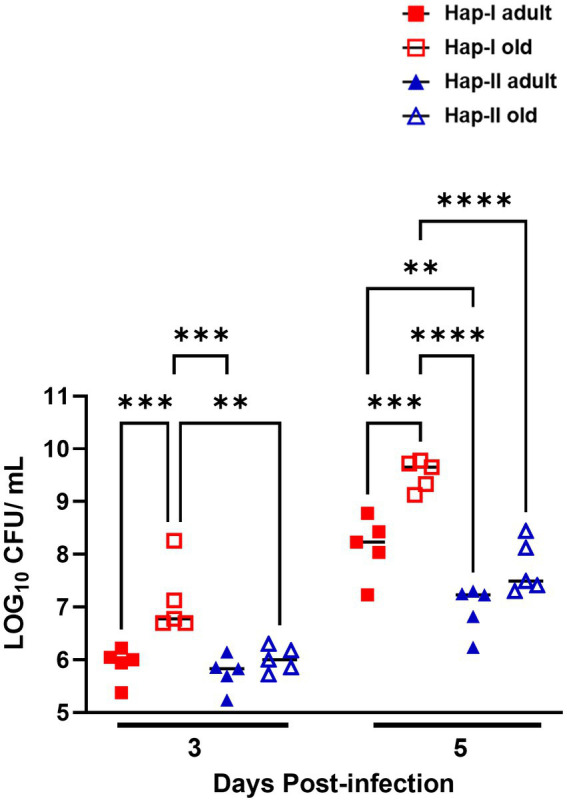
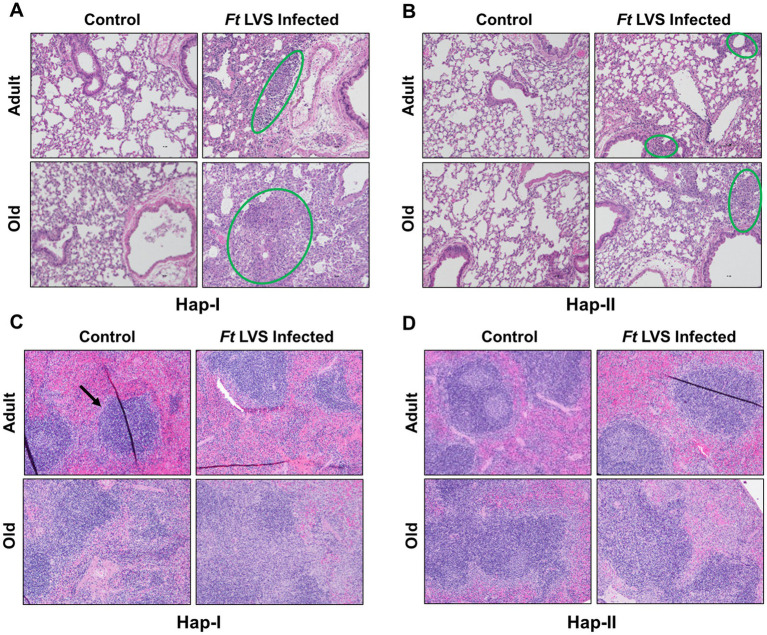
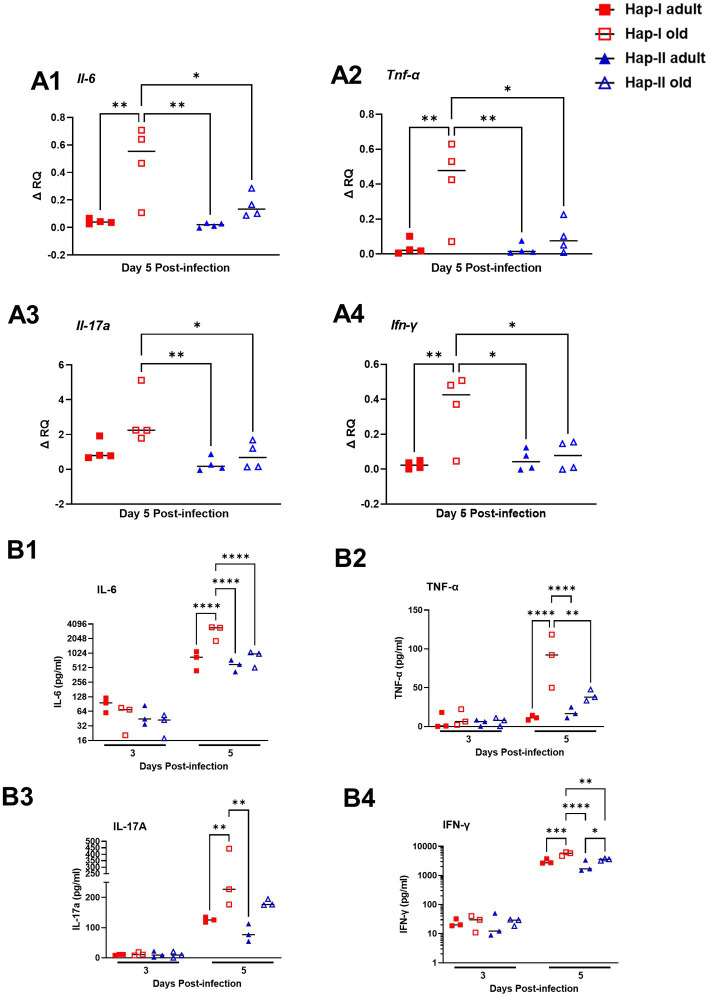
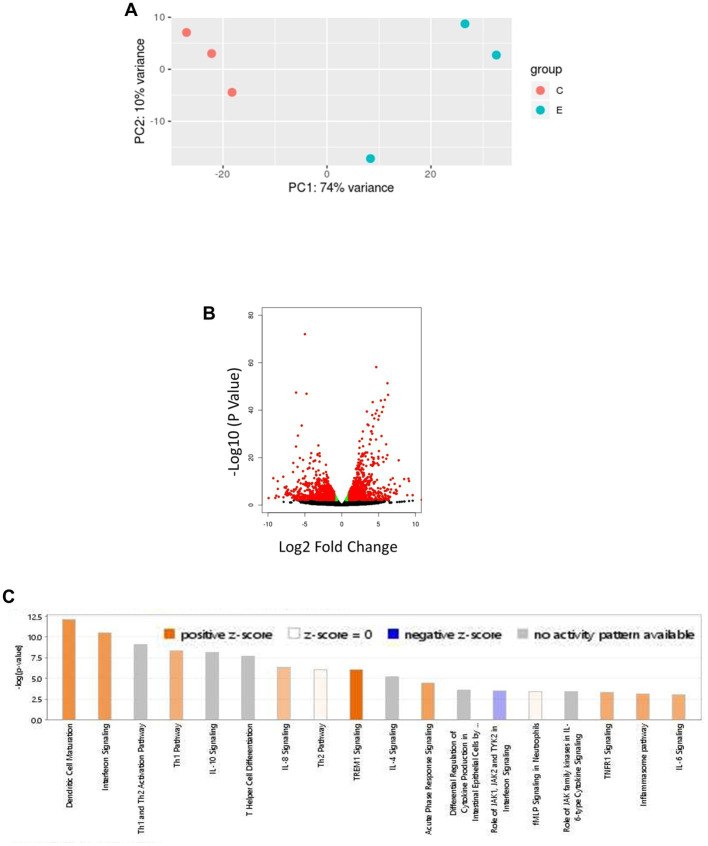
Age-related illnesses, including hypertension and accompanying metabolic disorders, compromise immunity and exacerbate infection-associated fatalities. Renin-angiotensin system (RAS) is the key mechanism that controls blood pressure. Upregulation of RAS through angiotensin receptor type 1 (AT1R), a G-protein coupled receptor, contributes to the pathophysiological consequences leading to vascular remodeling, hypertension, and end-organ damage. Genetic variations that increase the expression of human AT1R may cause the above pathological outcomes associated with hypertension. Previously we have shown that our chronically hypertensive transgenic (TG) mice containing the haplotype-I variant (Hap-I, hypertensive genotype) of human () gene are more prone to develop the metabolic syndrome-related disorders as compared to the TG mice containing the haplotype-II variant (Hap-II, normotensive genotype). Since aging and an increased risk of hypertension can impact multiple organ systems in a complex manner, including susceptibility to various infections, the current study investigated the susceptibility and potential effect of acute bacterial infection using a Gram-negative intracellular bacterial pathogen, in our hAT1R TG mice. Our results show that compared to Hap-II, infected aged Hap-I TG mice have significantly higher mortality post-infection, higher bacterial load and lung pathology, elevated inflammatory cytokines and altered gene expression profile favoring hypertension and inflammation. Consistent with worsened phenotype in aged Hap-I mice post- infection, gene expression profiles from their lungs revealed significantly altered expression of more than 1,400 genes. Furthermore, bioinformatics analysis identified genes associated with RAS and IFN-γ pathways regulating blood pressure and inflammation. These studies demonstrate that haplotype-dependent over-expression of the gene leads to enhanced susceptibility and lethality due to LVS infection, which gets aggravated in aged animals. Clinically, these findings will help in exploring the role of AT1R-induced hypertension and enhanced susceptibility to infection-related respiratory diseases.
与年龄相关的疾病,包括高血压及伴随的代谢紊乱,会损害免疫力并加剧感染相关的死亡。肾素-血管紧张素系统(RAS)是控制血压的关键机制。通过1型血管紧张素受体(AT1R,一种G蛋白偶联受体)上调RAS,会导致血管重塑、高血压和终末器官损伤等病理生理后果。增加人类AT1R表达的基因变异可能会导致上述与高血压相关的病理结果。此前我们已经表明,与含有单倍型II变异体(Hap-II,正常血压基因型)的转基因小鼠相比,我们的携带人类()基因单倍型I变异体(Hap-I,高血压基因型)的慢性高血压转基因(TG)小鼠更容易发生与代谢综合征相关的疾病。由于衰老和高血压风险增加会以复杂的方式影响多个器官系统,包括对各种感染的易感性,因此本研究使用革兰氏阴性细胞内细菌病原体,在我们的hAT1R TG小鼠中研究了急性细菌感染的易感性和潜在影响。我们的结果表明,与Hap-II相比,受感染的老年Hap-I TG小鼠在感染后死亡率显著更高,细菌载量和肺部病理情况更严重,炎性细胞因子升高,基因表达谱改变,有利于高血压和炎症。与老年Hap-I小鼠感染后表型恶化一致,它们肺部的基因表达谱显示超过1400个基因的表达发生了显著改变。此外,生物信息学分析确定了与调节血压和炎症的RAS和IFN-γ途径相关的基因。这些研究表明,基因的单倍型依赖性过表达会导致由于土拉热弗朗西斯菌LVS感染而增加的易感性和致死率,而在老年动物中这种情况会加剧。在临床上,这些发现将有助于探索AT1R诱导的高血压以及对感染相关呼吸系统疾病易感性增加的作用。