Institute of Sustainable Energy, Universiti Tenaga Nasional, Kajang 43000, Malaysia.
Department of Microbiology, Faculty of Medicine, Manipal University College Malaysia, Bukit Baru, Melaka 75150, Malaysia.
Sensors (Basel). 2021 Oct 16;21(20):6866. doi: 10.3390/s21206866.
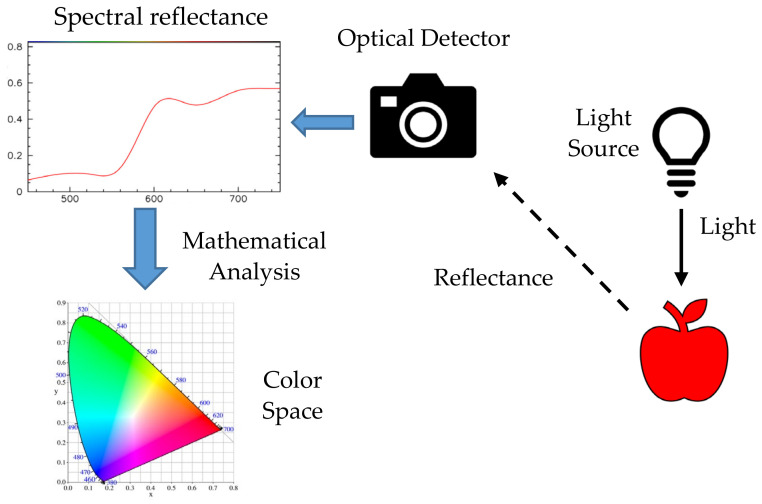
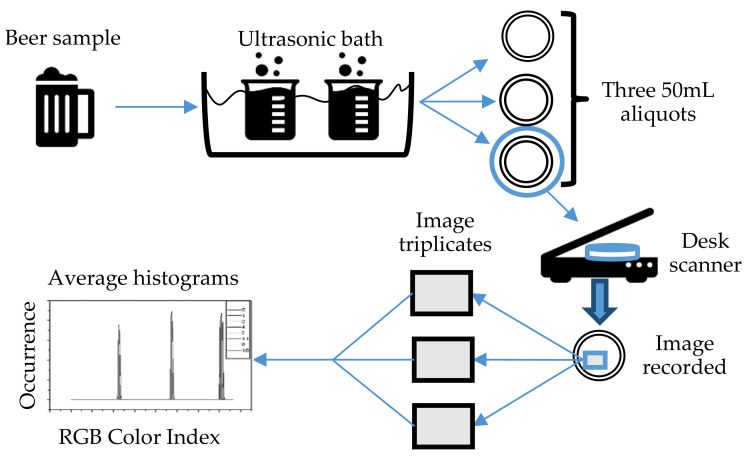
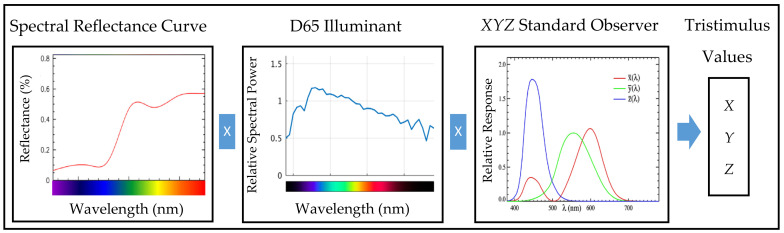
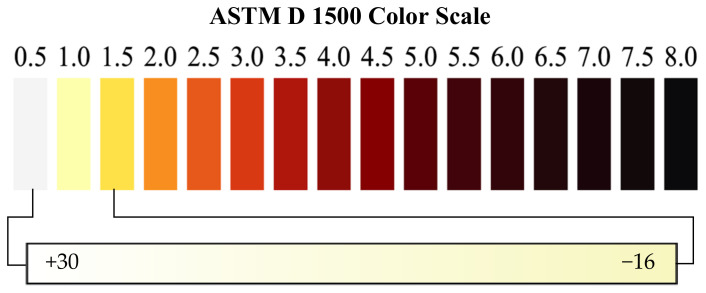
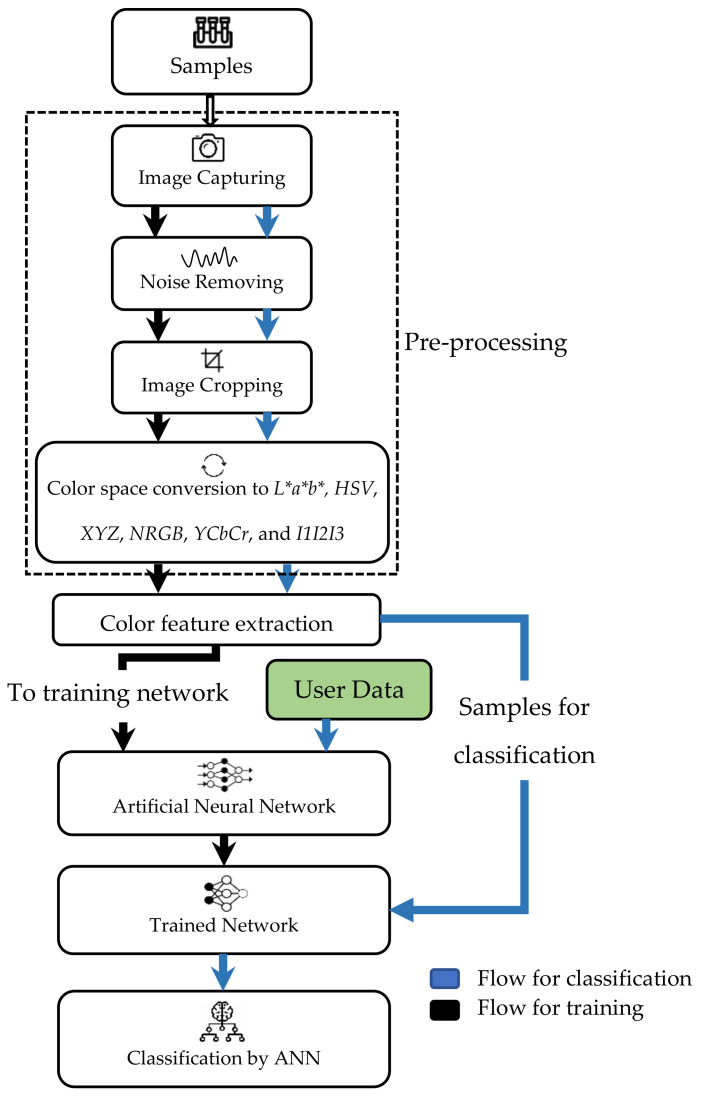
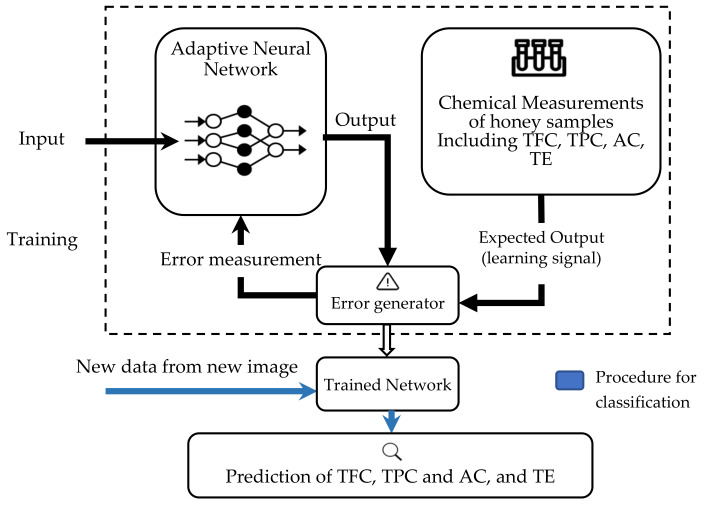
For most natural or naturally-derived liquid products, their color reflects on their quality and occasionally affects customer preferences. To date, there are a few subjective and objective methods for color measurement which are currently utilized by various industries. Researchers are also improving these methods and inventing new methods, as color is proven to have the ability to provide various information on the condition and quality of the liquid. However, a review on the methods, especially for amber-colored liquid, has not been conducted yet. This paper presents a comprehensive review on the subjective and objective methods for color measurement of amber-colored liquids. The pros and cons of the measurement methods, the effects of the color on customer preferences, and the international industry standards on color measurements are reviewed and discussed. In addition, this study elaborates on the issues and challenges related to the color measurement techniques as well as recommendations for future research. This review demonstrates that the existing color measurement technique can determine the color according to the standards and color scales. However, the efforts toward minimizing the complexity of the hardware while maximizing the signal processing through advanced computation are still lacking. Therefore, through this critical review, this review can hopefully intensify the efforts toward finding an optimized method or technique for color measurement of liquids and thus expedite the development of a portable device that can measure color accurately.
对于大多数天然或天然衍生的液体产品,其颜色反映了其质量,偶尔也会影响消费者的偏好。迄今为止,有一些主观和客观的颜色测量方法,目前被各个行业所采用。研究人员也在改进这些方法和发明新方法,因为颜色被证明具有提供液体状况和质量的各种信息的能力。然而,对于琥珀色液体的方法,还没有进行综述。本文对琥珀色液体的颜色测量的主观和客观方法进行了全面综述。综述讨论了测量方法的优缺点、颜色对消费者偏好的影响,以及颜色测量的国际行业标准。此外,本研究还详细阐述了与颜色测量技术相关的问题和挑战,并对未来的研究提出了建议。本综述表明,现有的颜色测量技术可以根据标准和色标来确定颜色。然而,通过先进的计算来最大限度地提高信号处理并同时最小化硬件复杂性的努力仍然不足。因此,通过这篇关键性的综述,希望能加强寻找液体颜色测量优化方法或技术的力度,从而加速开发能够准确测量颜色的便携式设备。