Kotey Erasmus Nikoi, Ampofo William Kwabena, Daines Rebecca, Sadeyen Jean-Remy, Iqbal Munir, Quaye Osbourne
West African Centre for Cell Biology of Infectious Pathogens (WACCBIP), University of Ghana, Legon, Accra 23321, Ghana.
Department of Biochemistry, Cell & Molecular Biology, University of Ghana, Legon, Accra 23321, Ghana.
Vaccines (Basel). 2021 Oct 15;9(10):1182. doi: 10.3390/vaccines9101182.
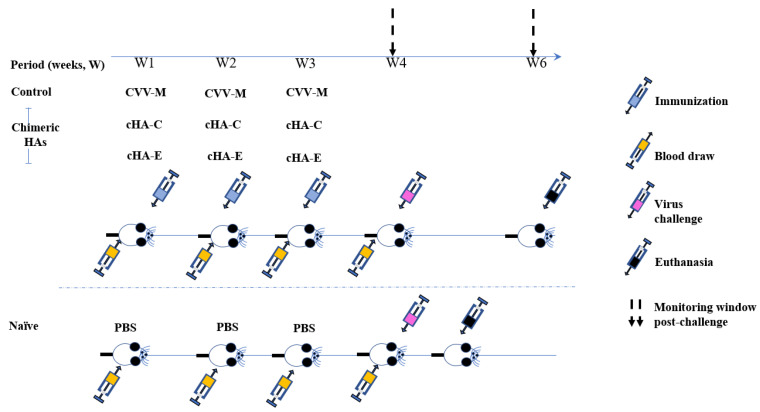
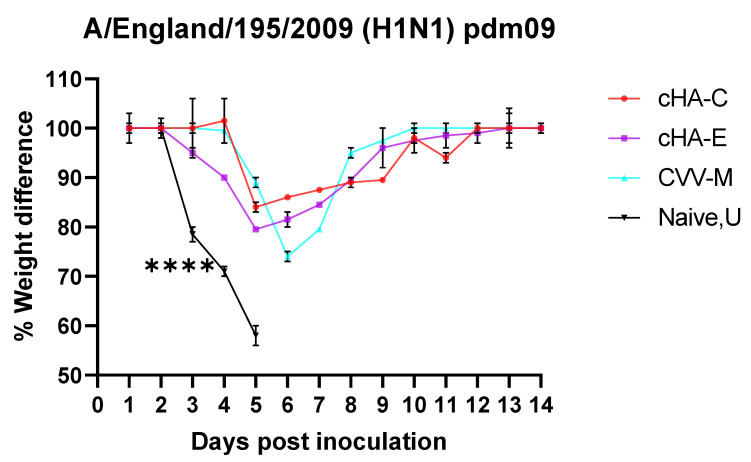
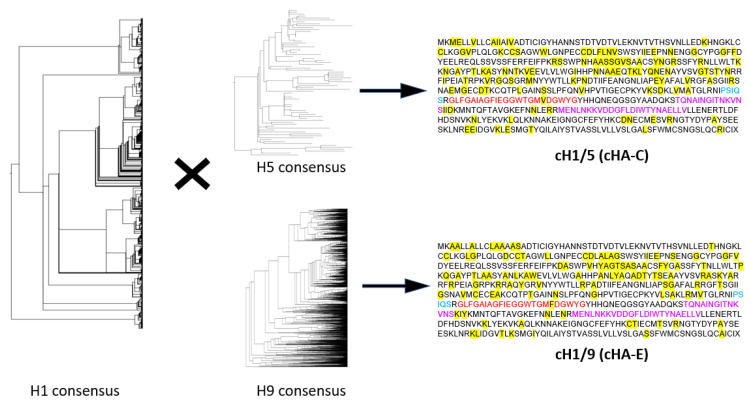
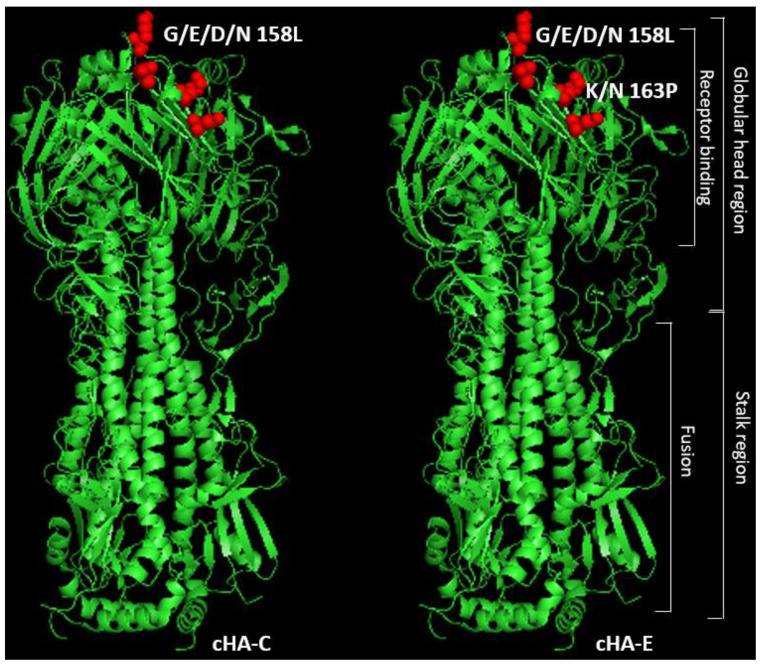
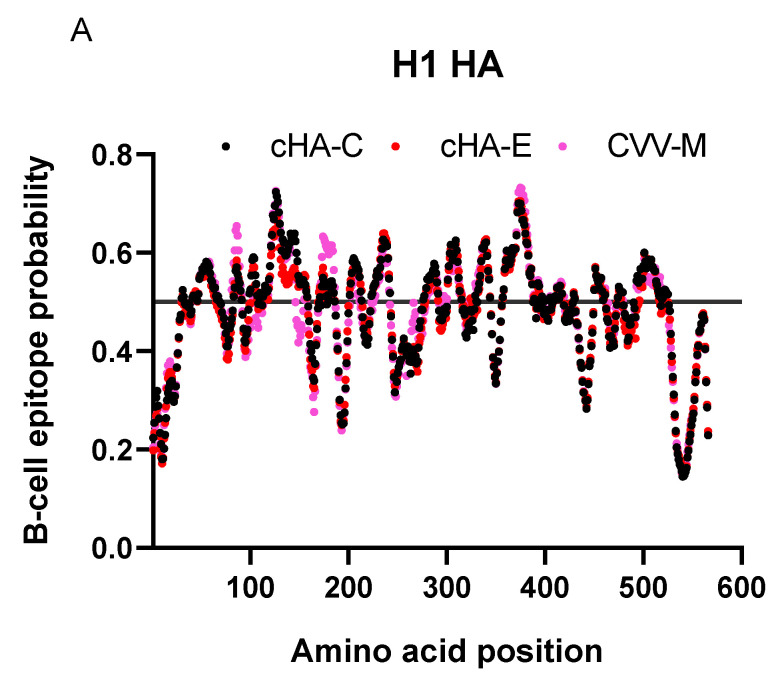
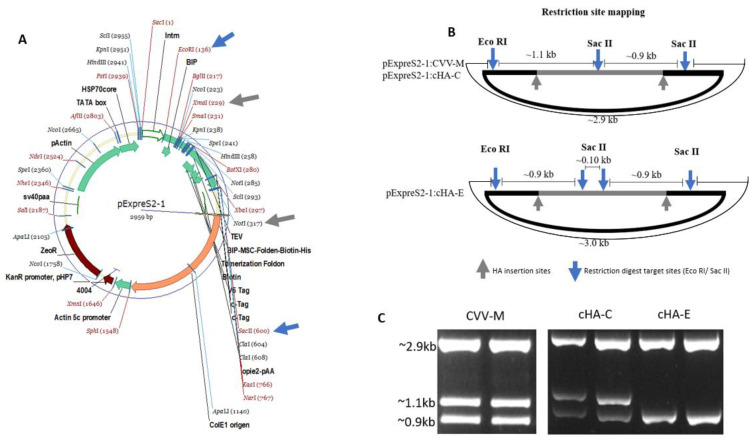
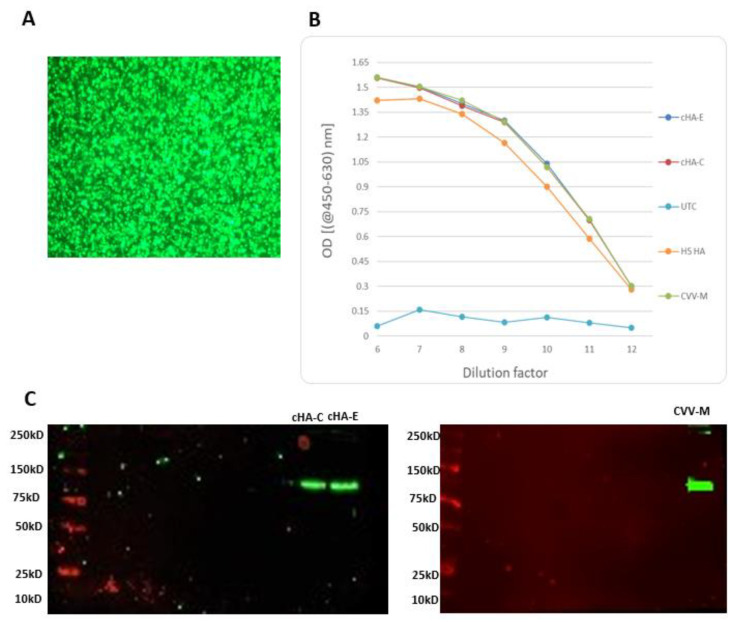
Identification of a universal influenza vaccine candidate has remained a global challenge for both humans and animals. This study describes an approach that uses consensus sequence building to generate chimeric HAs (cHAs): two resultant H1 HA-based chimeras comprising of conserved sequences (within several areas spanning the head and stalk regions) of H1 and H5 or H9 HAs. These cHAs expressed in cells (S2) were used to immunize mice. All immunized mice were protected from an infectious H1 virus challenge. Seroconverted mice sera to the H1 cHAs inhibited both the challenge virus and an H5 virus isolate by haemagglutination inhibition (HI) assay. These findings further emphasize that cHAs induce cross-reactive antibodies against conserved areas of both head and stalk regions of the seasonal influenza A (H1N1) pdm09 virus' HA and holds potential for further development of a universal influenza vaccine.
鉴定一种通用流感疫苗候选物对人类和动物来说一直是一项全球性挑战。本研究描述了一种利用共有序列构建来生成嵌合血凝素(cHA)的方法:两种基于H1 HA的嵌合体,由H1与H5或H9 HA的保守序列(在跨越头部和柄部区域的几个区域内)组成。在细胞(S2)中表达的这些cHA被用于免疫小鼠。所有免疫小鼠都受到保护,免受感染性H1病毒攻击。血清转化的小鼠血清对H1 cHA通过血凝抑制(HI)试验抑制了攻击病毒和一种H5病毒分离株。这些发现进一步强调,cHA诱导针对季节性甲型流感(H1N1)pdm09病毒HA的头部和柄部区域保守区域的交叉反应抗体,并具有进一步开发通用流感疫苗的潜力。