Department of Immunology, Roswell Park Comprehensive Cancer Center, Buffalo, NY 14263, USA.
Department of Immunology, Roswell Park Comprehensive Cancer Center, Buffalo, NY 14263, USA.
Cell Rep. 2021 Oct 26;37(4):109883. doi: 10.1016/j.celrep.2021.109883.
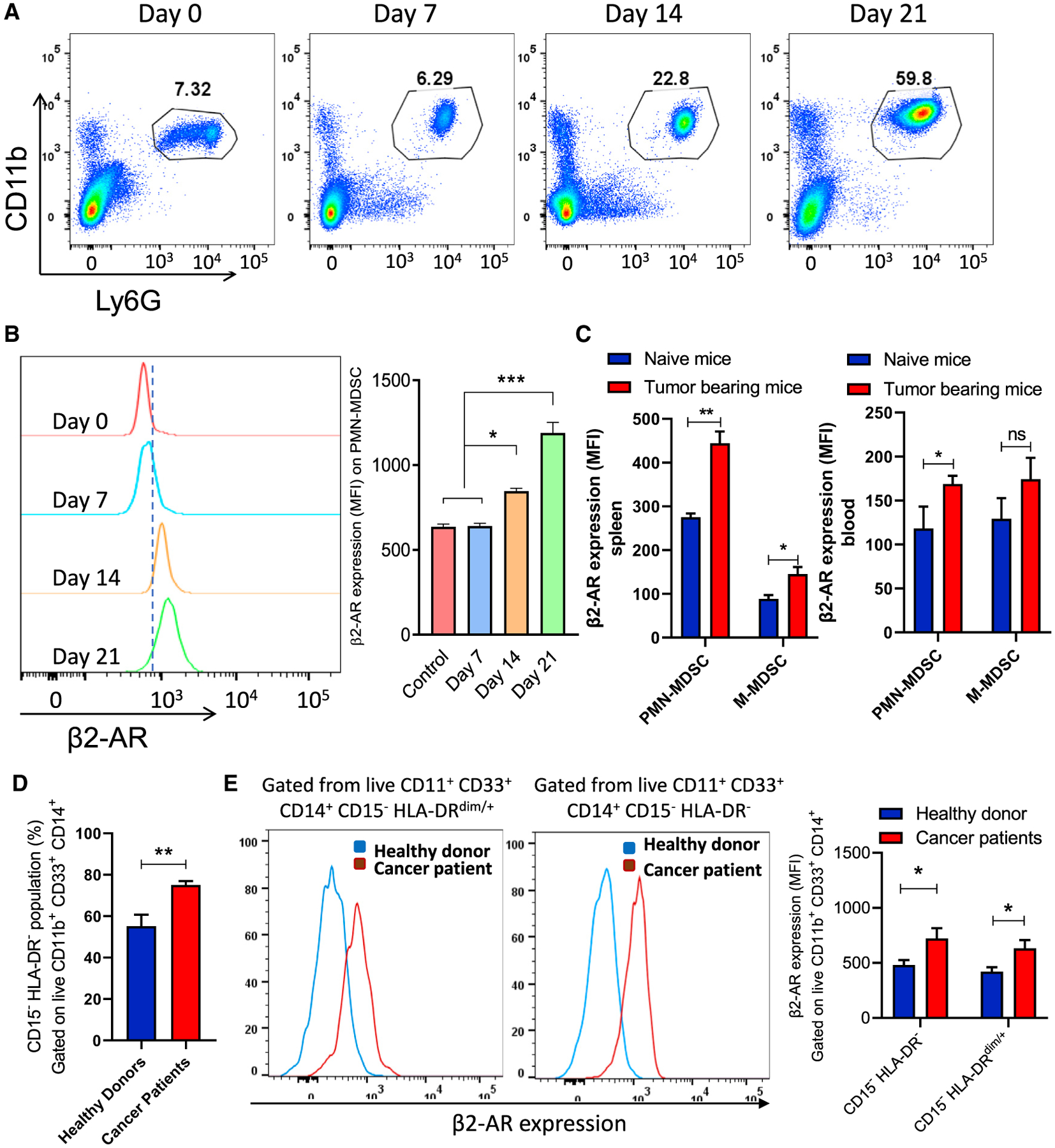
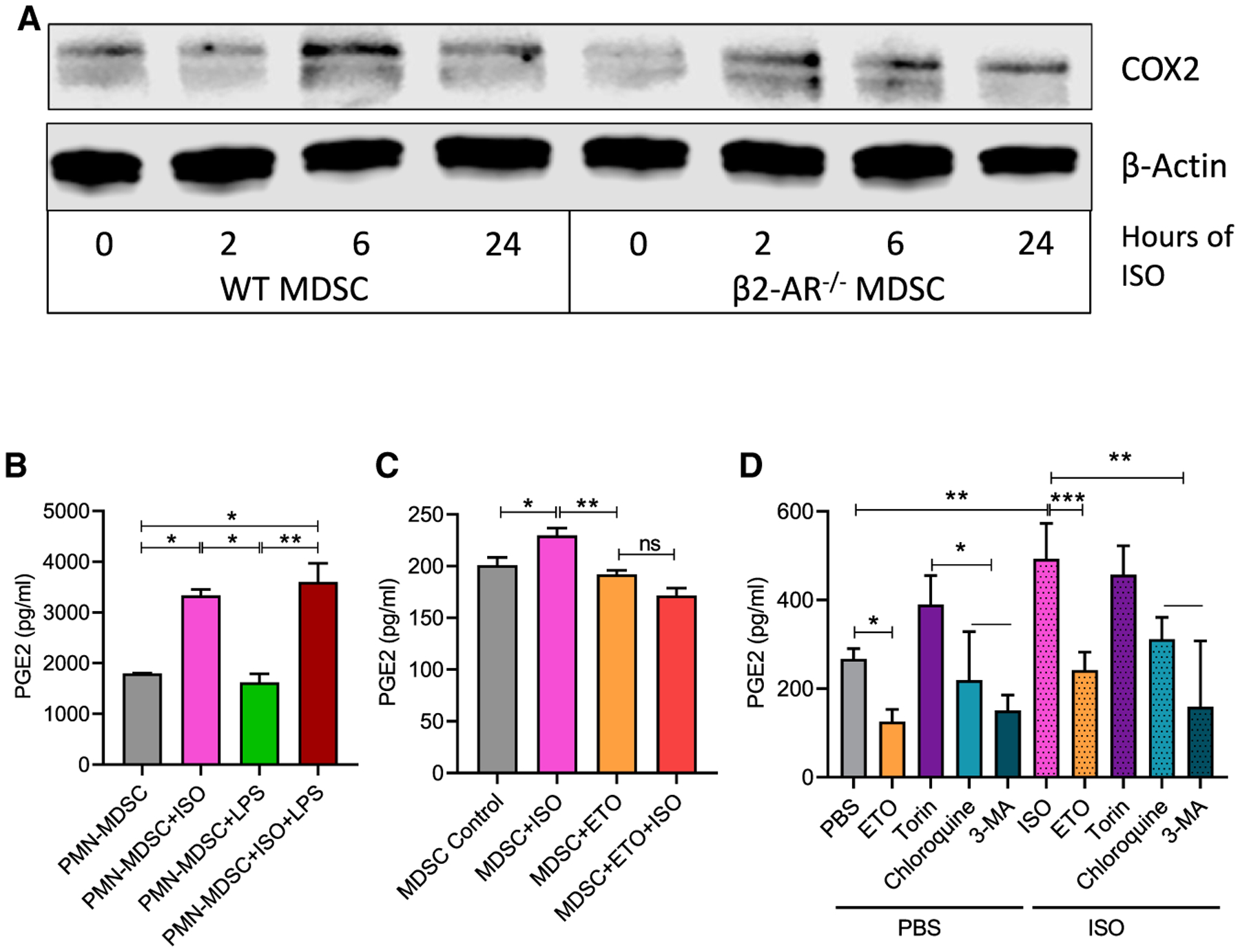
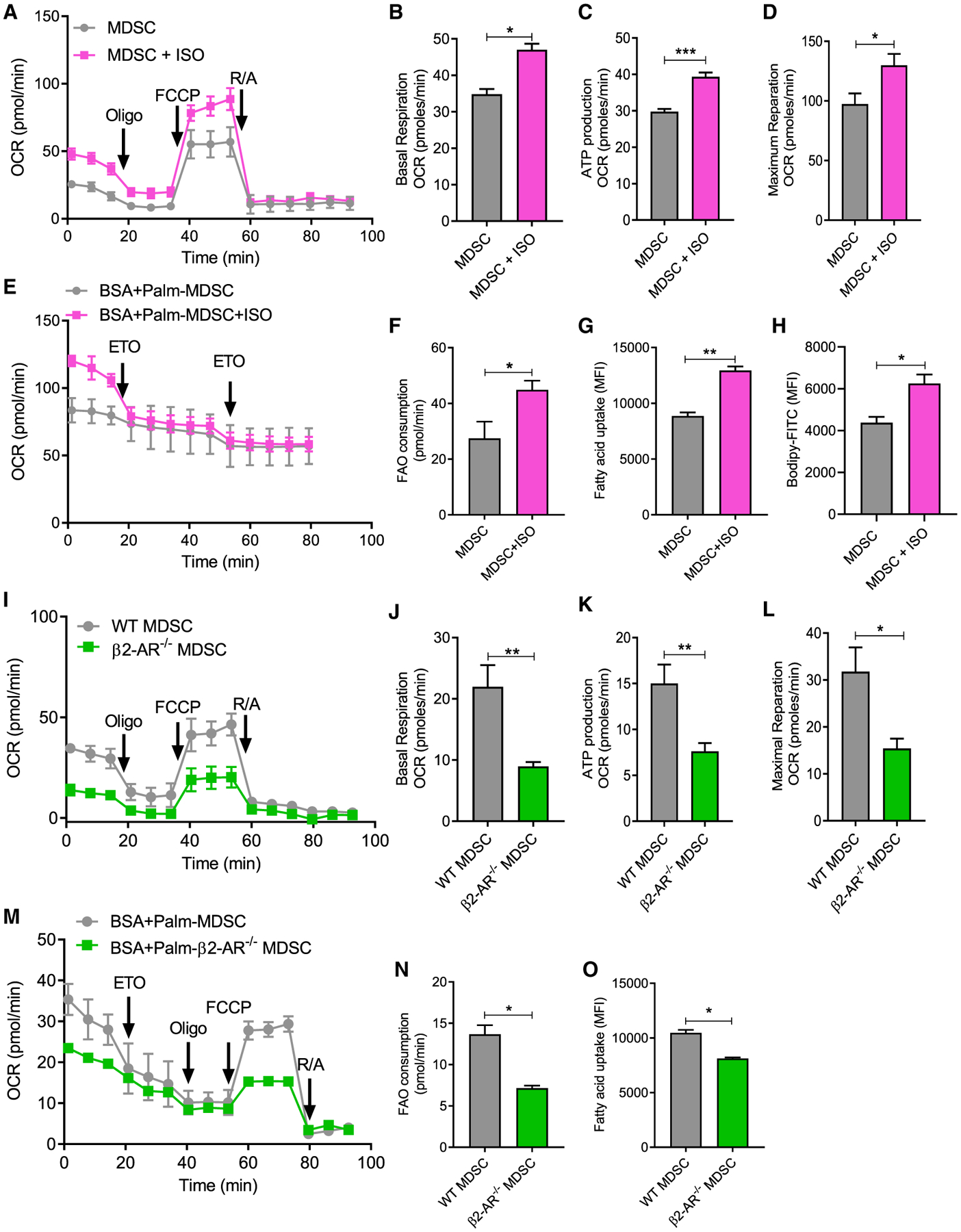
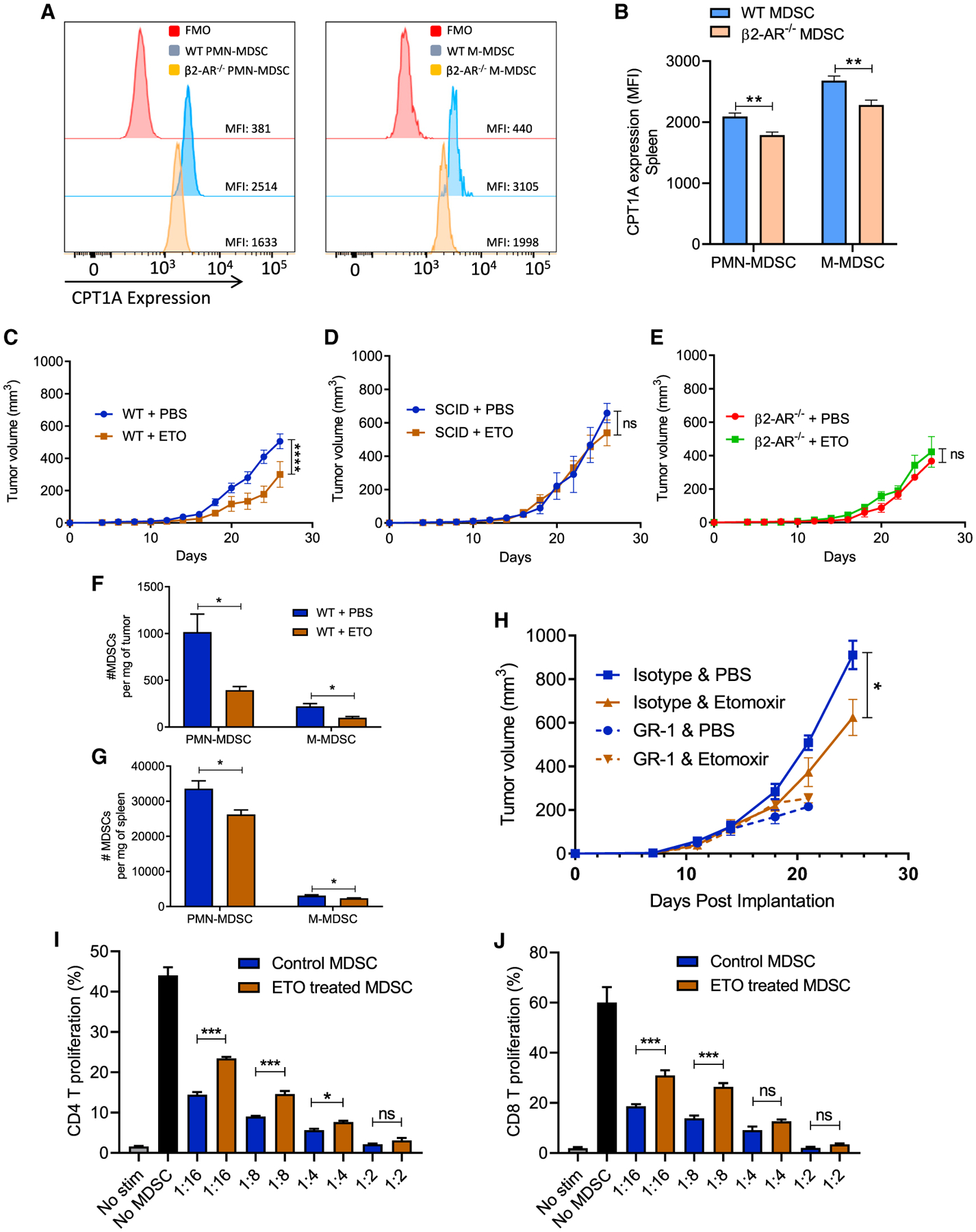
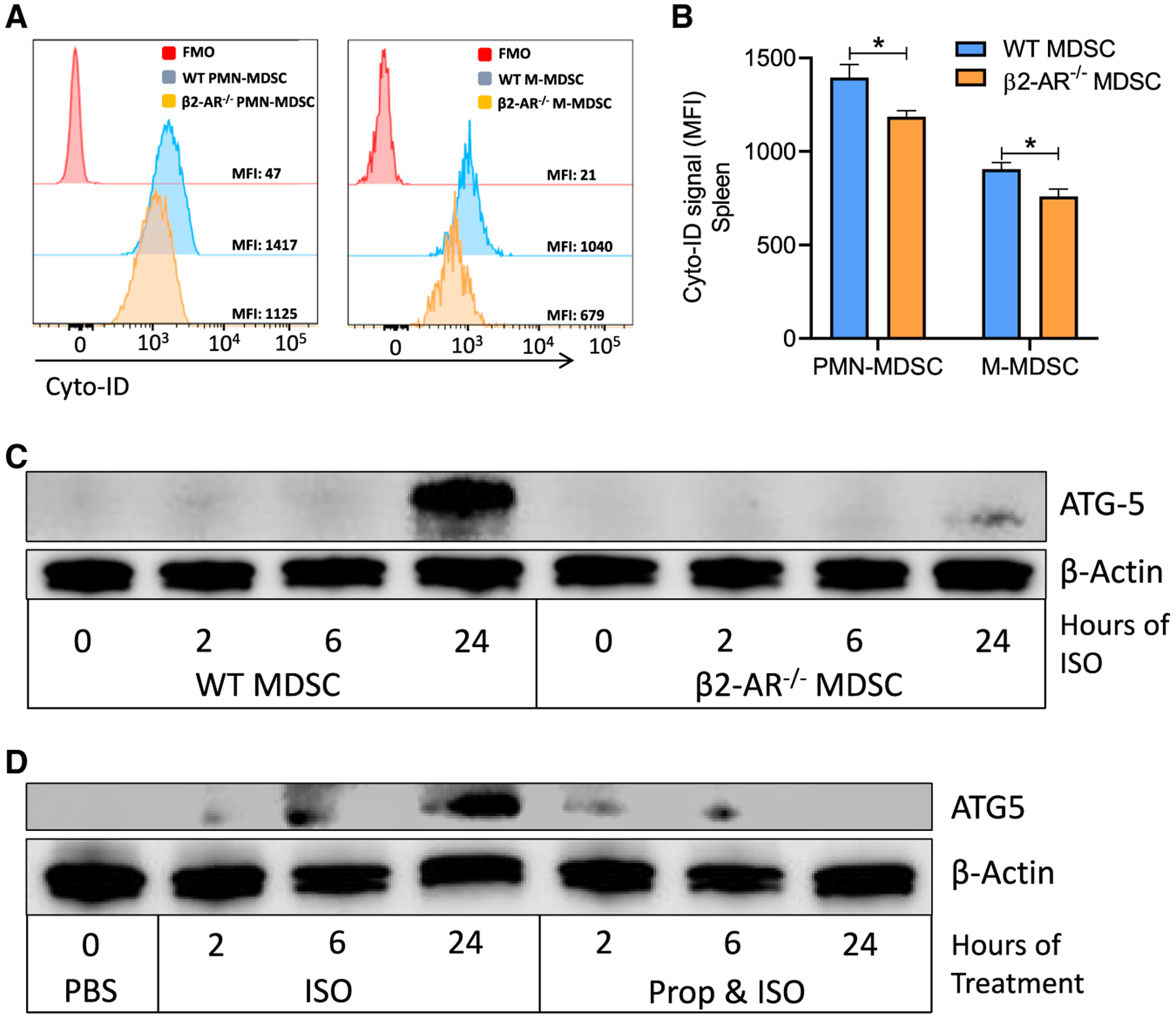
Myeloid-derived suppressor cells (MDSCs) impede antitumor immunity; however, the precise mechanisms that regulate their suppressive function remain unresolved. Identifying these mechanisms could lead to therapeutic interventions to boost cancer immunotherapy efficacy. Here, we reveal that β2 adrenergic receptor (β2-AR) expression on MDSCs increases with tumor growth and that the β2-AR stress pathway drives the immune suppressive activity of MDSCs by altering their metabolism. We show that β2-AR signaling decreases glycolysis and increases oxidative phosphorylation and fatty acid oxidation (FAO). It also increases expression of the fatty acid transporter CPT1A, which is necessary for the FAO-mediated immunosuppressive function of MDSCs. Moreover, we show that β2-AR signaling increases autophagy and activates the arachidonic acid cycle, both required for increasing the release of the immunosuppressive mediator, PGE2. Our data reveal that β2-AR signaling triggered by stress is an important physiological regulator of key metabolic pathways in MDSCs, driving their immunosuppressive function.
髓源性抑制细胞 (MDSCs) 抑制抗肿瘤免疫;然而,调节其抑制功能的确切机制仍未解决。确定这些机制可能会导致治疗干预措施来提高癌症免疫治疗的效果。在这里,我们揭示了 MDSCs 上β2 肾上腺素能受体 (β2-AR) 的表达随着肿瘤的生长而增加,β2-AR 应激途径通过改变其代谢来驱动 MDSCs 的免疫抑制活性。我们表明,β2-AR 信号转导降低糖酵解并增加氧化磷酸化和脂肪酸氧化 (FAO)。它还增加了脂肪酸转运蛋白 CPT1A 的表达,CPT1A 对于 MDSCs 的 FAO 介导的免疫抑制功能是必需的。此外,我们表明β2-AR 信号转导增加自噬并激活花生四烯酸循环,这两者对于增加免疫抑制介质 PGE2 的释放都是必需的。我们的数据表明,应激引发的β2-AR 信号转导是 MDSCs 中关键代谢途径的重要生理调节剂,驱动其免疫抑制功能。