Eaton D L, Fless G M, Kohr W J, McLean J W, Xu Q T, Miller C G, Lawn R M, Scanu A M
Proc Natl Acad Sci U S A. 1987 May;84(10):3224-8. doi: 10.1073/pnas.84.10.3224.
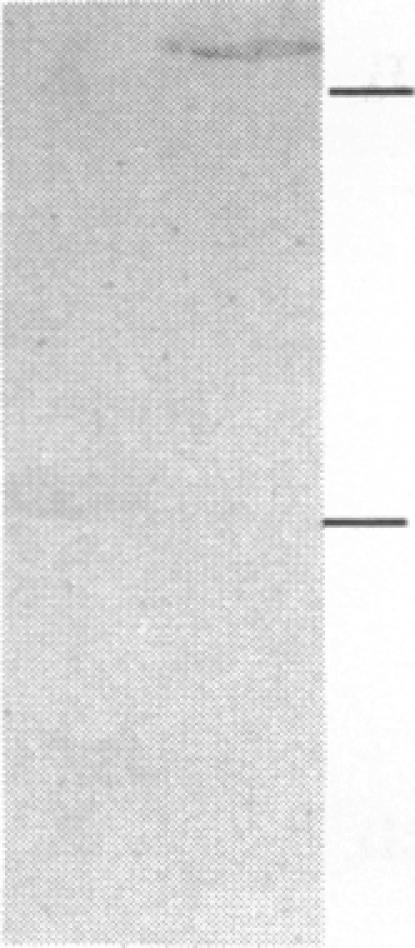
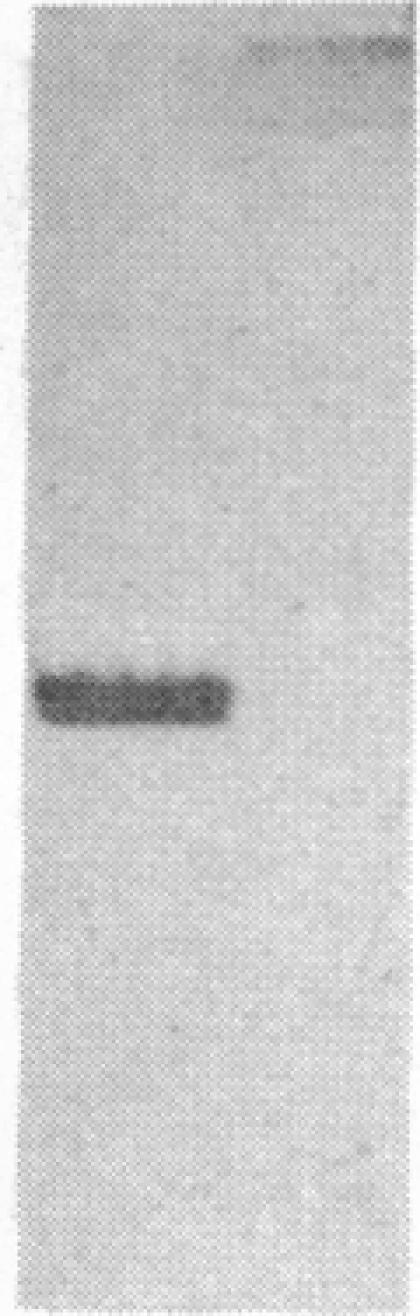
Apolipoprotein(a) [apo(a)] is a glycoprotein with Mr approximately equal to 280,000 that is disulfide linked to apolipoprotein B in lipoprotein(a) particles. Elevated plasma levels of lipoprotein(a) are correlated with atherosclerosis. Partial amino acid sequence of apo(a) shows that it has striking homology to plasminogen. Plasminogen is a plasma serine protease zymogen that consists of five homologous and tandemly repeated domains called kringles and a trypsin-like protease domain. The amino-terminal sequence obtained for apo(a) is homologous to the beginning of kringle 4 but not the amino terminus of plasminogen. Apo(a) was subjected to limited proteolysis by trypsin or V8 protease, and fragments generated were isolated and sequenced. Sequences obtained from several of these fragments are highly (77-100%) homologous to plasminogen residues 391-421, which reside within kringle 4. Analysis of these internal apo(a) sequences revealed that apo(a) may contain at least two kringle 4-like domains. A sequence obtained from another tryptic fragment also shows homology to the end of kringle 4 and the beginning of kringle 5. Sequence data obtained from two tryptic fragments show homology with the protease domain of plasminogen. One of these sequences is homologous to the sequences surrounding the activation site of plasminogen. Plasminogen is activated by the cleavage of a specific arginine residue by urokinase and tissue plasminogen activator; however, the corresponding site in apo(a) is a serine that would not be cleaved by tissue plasminogen activator or urokinase. Using a plasmin-specific assay, no proteolytic activity could be demonstrated for lipoprotein(a) particles. These results suggest that apo(a) contains kringle-like domains and an inactive protease domain.
载脂蛋白(a)[apo(a)]是一种糖蛋白,其分子量约为280,000,通过二硫键与脂蛋白(a)颗粒中的载脂蛋白B相连。血浆中脂蛋白(a)水平升高与动脉粥样硬化相关。apo(a)的部分氨基酸序列显示它与纤溶酶原具有显著的同源性。纤溶酶原是一种血浆丝氨酸蛋白酶原,由五个同源且串联重复的结构域(称为kringle结构域)和一个胰蛋白酶样蛋白酶结构域组成。apo(a)的氨基末端序列与kringle 4的起始部分同源,但与纤溶酶原的氨基末端不同源。apo(a)用胰蛋白酶或V8蛋白酶进行有限的蛋白水解,产生的片段被分离并测序。从这些片段中的几个获得的序列与纤溶酶原位于kringle 4内的391 - 421位残基高度同源(77 - 100%)。对这些apo(a)内部序列的分析表明,apo(a)可能至少包含两个kringle 4样结构域。从另一个胰蛋白酶片段获得的序列也显示与kringle 4的末端和kringle 5的起始部分同源。从两个胰蛋白酶片段获得的序列数据显示与纤溶酶原的蛋白酶结构域同源。其中一个序列与纤溶酶原激活位点周围的序列同源。纤溶酶原通过尿激酶和组织纤溶酶原激活剂切割特定的精氨酸残基而被激活;然而,apo(a)中的相应位点是一个丝氨酸,不会被组织纤溶酶原激活剂或尿激酶切割。使用纤溶酶特异性测定法,未检测到脂蛋白(a)颗粒的蛋白水解活性。这些结果表明,apo(a)包含kringle样结构域和一个无活性的蛋白酶结构域。