CAS Key Laboratory of Infection and Immunity, Institute of Biophysics, Chinese Academy of Sciences, Beijing 100101, China.
CAS Center for Excellence in Biomacromolecules, Institute of Biophysics, Chinese Academy of Sciences, Beijing 100101, China.
Cell Rep Med. 2021 Nov 16;2(11):100448. doi: 10.1016/j.xcrm.2021.100448. Epub 2021 Oct 23.
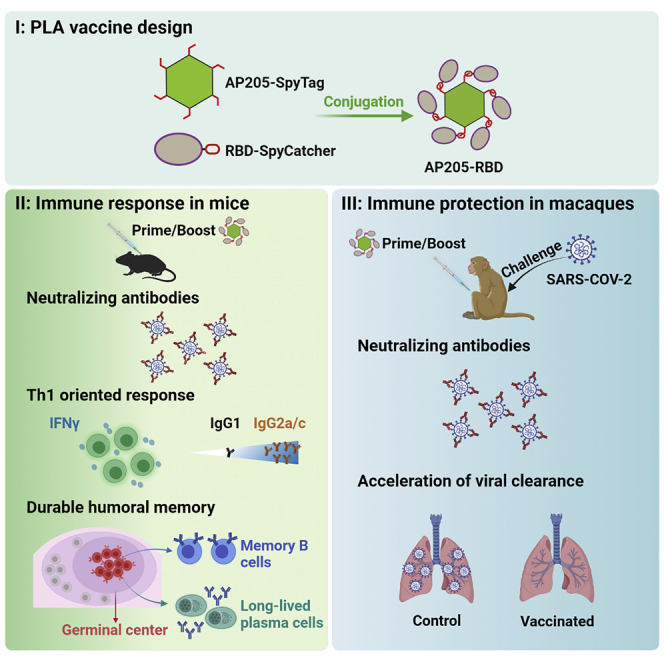
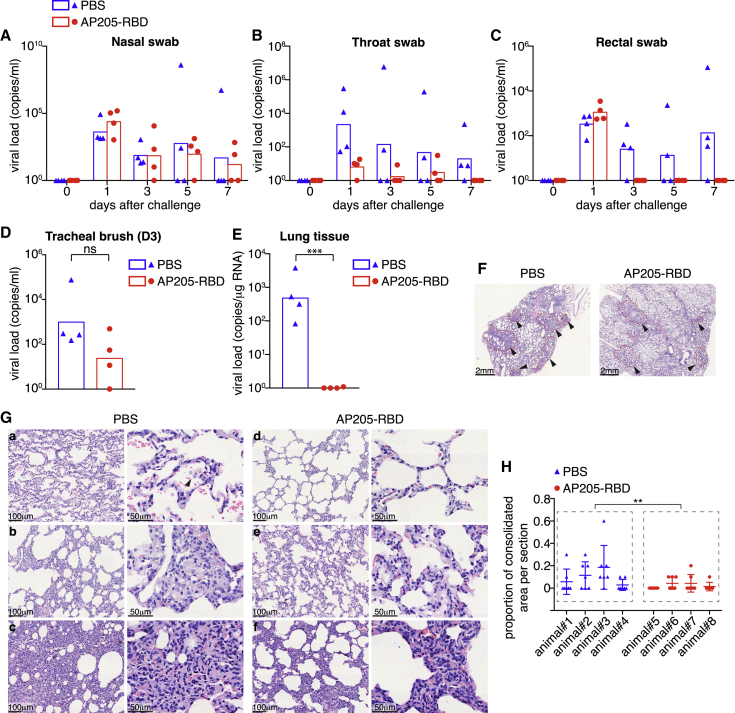
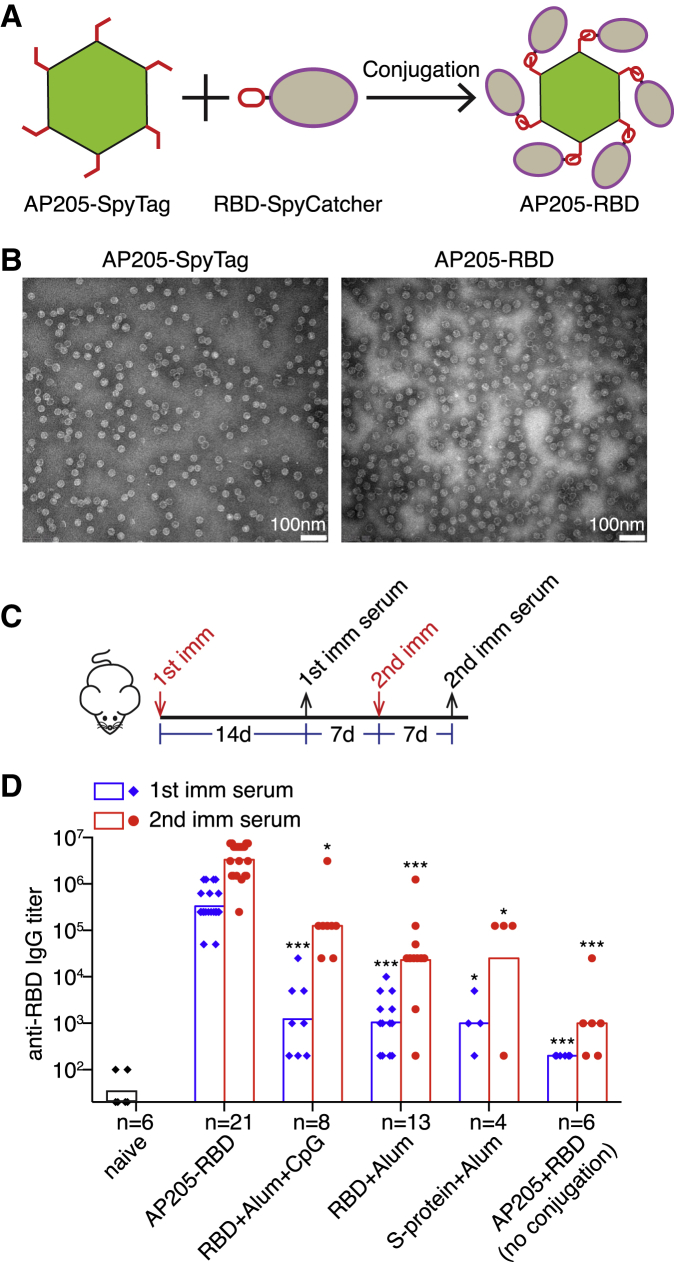
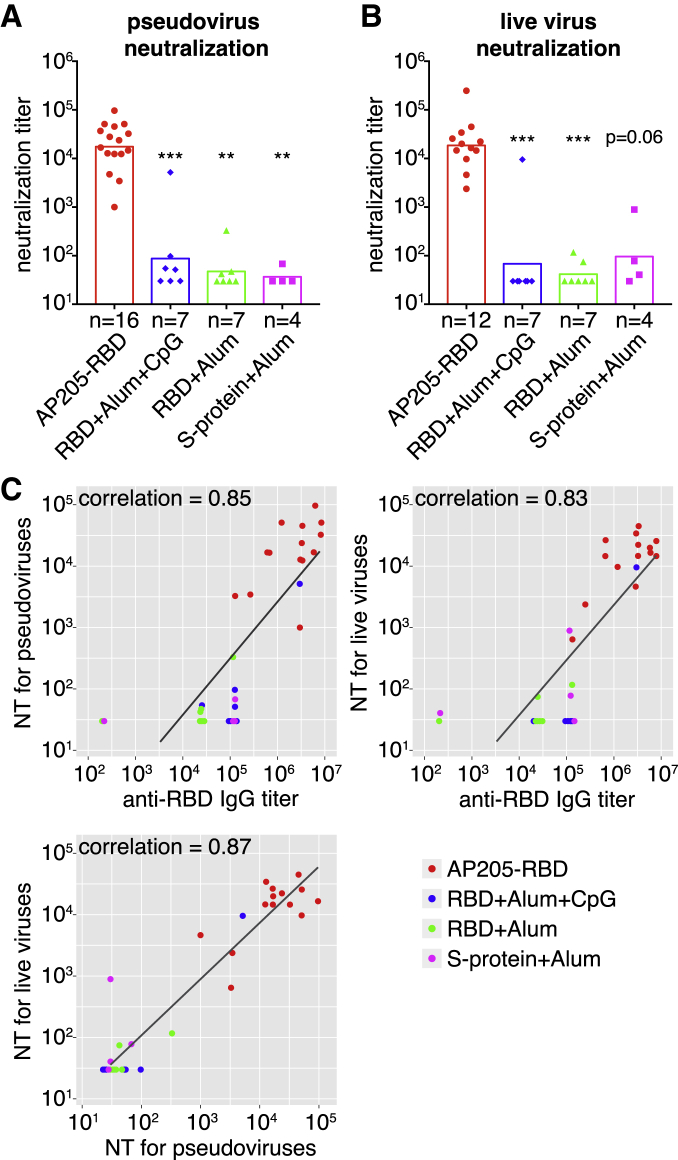
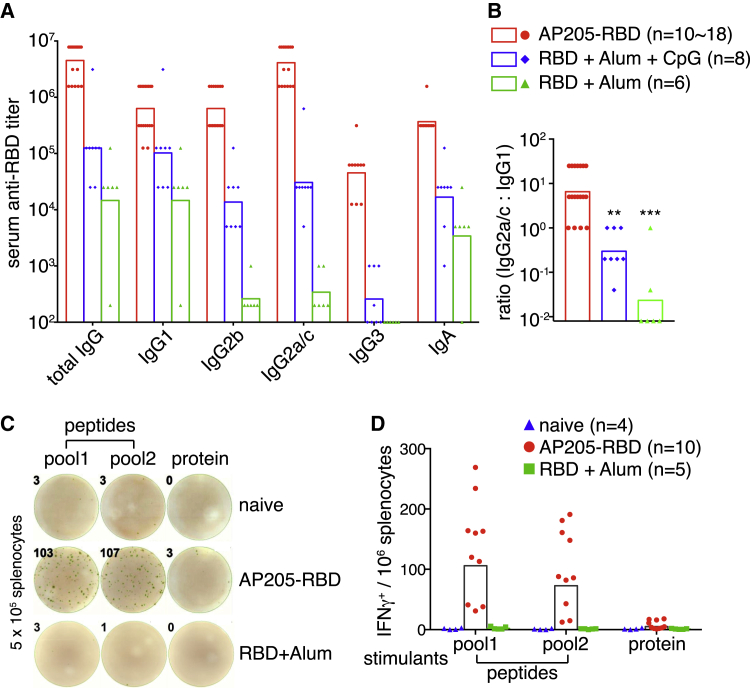
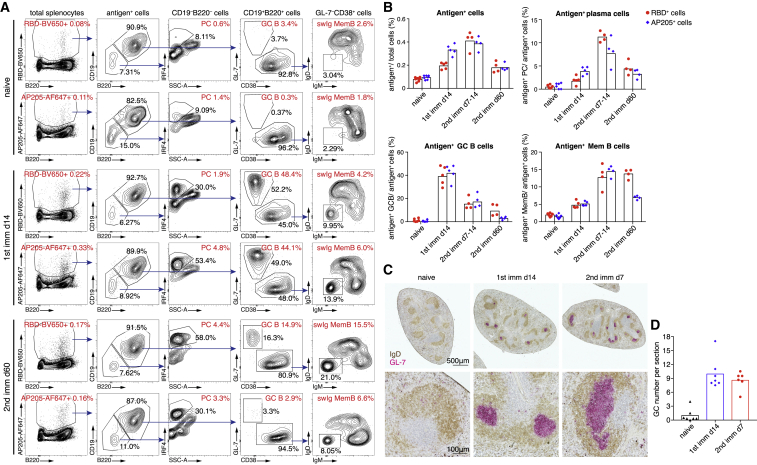
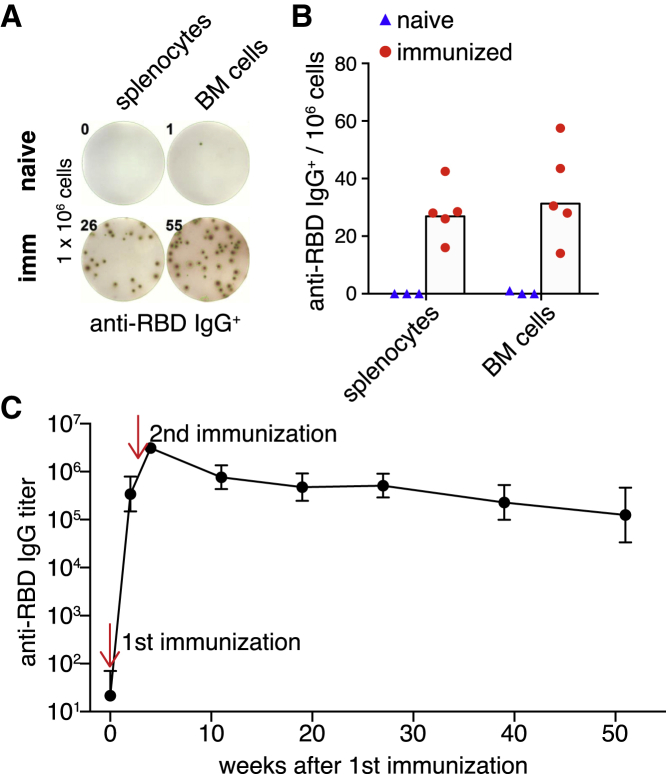
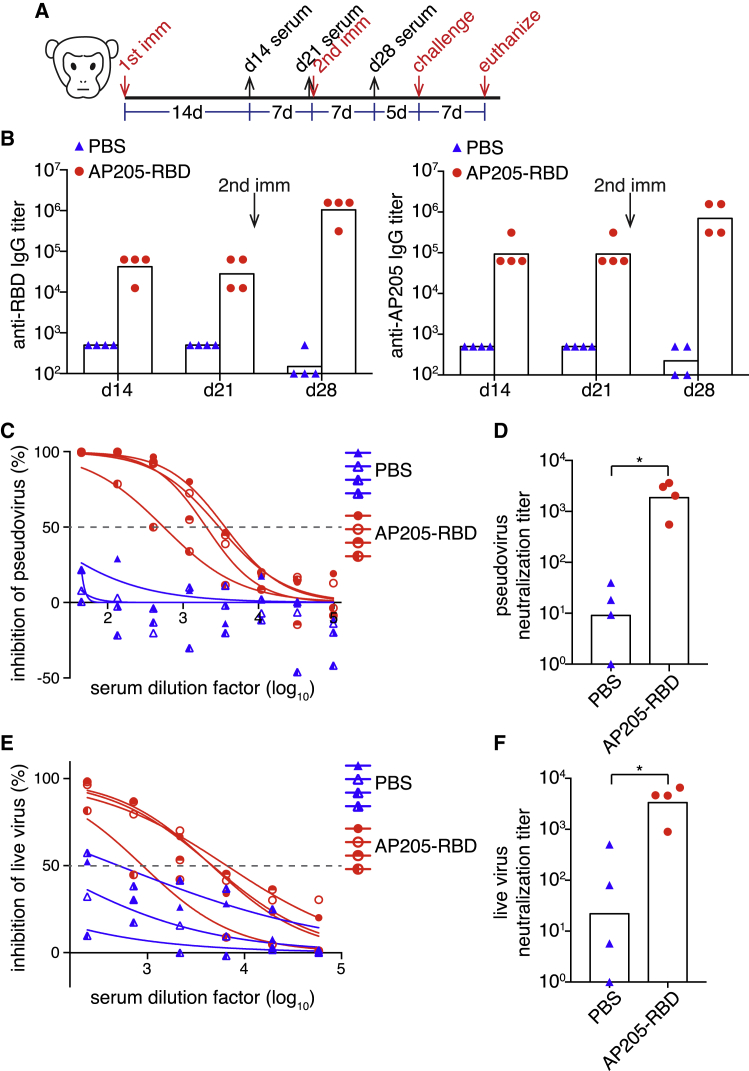
Activation of nucleic acid sensing Toll-like receptors (TLRs) in B cells is involved in antiviral responses by promoting B cell activation and germinal center responses. In order to take advantage of this natural pathway for vaccine development, synthetic pathogen-like antigens (PLAs) constructed of multivalent antigens with encapsulated TLR ligands can be used to activate B cell antigen receptors and TLRs in a synergistic manner. Here we report a PLA-based coronavirus disease 2019 (COVID-19) vaccine candidate designed by combining a phage-derived virus-like particle carrying bacterial RNA as TLR ligands with the receptor-binding domain of severe acute respiratory syndrome coronavirus 2 (SARS-CoV-2) S protein as the target antigen. This PLA-based vaccine candidate induces robust neutralizing antibodies in both mice and non-human primates (NHPs). Using a NHP infection model, we demonstrate that the viral clearance is accelerated in vaccinated animals. In addition, the PLA-based vaccine induces a T helper 1 (Th1)-oriented response and a durable memory, supporting its potential for further clinical development.
B 细胞中核酸感应 Toll 样受体 (TLR) 的激活参与抗病毒反应,促进 B 细胞激活和生发中心反应。为了利用这种天然途径开发疫苗,具有包裹 TLR 配体的多价抗原的合成类似病原体抗原 (PLA) 可协同激活 B 细胞抗原受体和 TLR。在这里,我们报告了一种基于 PLA 的 2019 年冠状病毒病 (COVID-19) 疫苗候选物,该候选物通过将携带细菌 RNA 的噬菌体衍生病毒样颗粒与严重急性呼吸系统综合征冠状病毒 2 (SARS-CoV-2) S 蛋白的受体结合结构域结合,作为靶向抗原进行设计。这种基于 PLA 的疫苗候选物在小鼠和非人类灵长类动物 (NHPs) 中均能诱导出强烈的中和抗体。使用 NHPs 感染模型,我们证明接种疫苗的动物中病毒清除速度加快。此外,基于 PLA 的疫苗诱导 Th1 定向反应和持久的记忆,支持其进一步临床开发的潜力。