Giovannini Daniela, Andreola Federica, Spitalieri Paola, Krasnowska Ewa Krystyna, Colini Baldeschi Arianna, Rossi Simona, Sangiuolo Federica, Cozzolino Mauro, Serafino Annalucia
Institute of Translational Pharmacology-National Research Council of Italy, Rome, Italy.
Department of Biomedicine and Prevention, Genetic Medicine Unit, University of Rome "Tor Vergata", Rome, Italy.
Cell Death Discov. 2021 Nov 1;7(1):330. doi: 10.1038/s41420-021-00723-6.
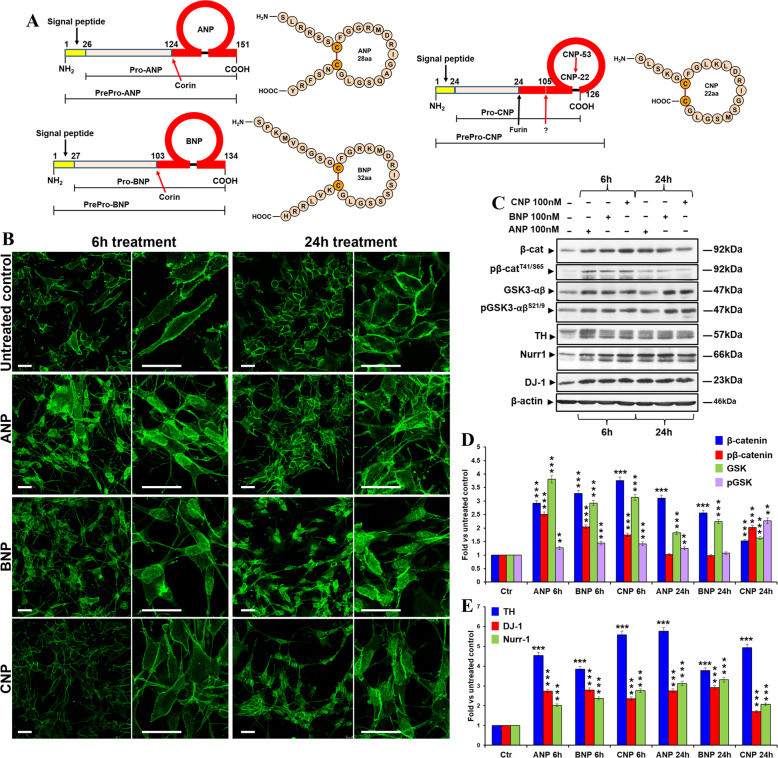
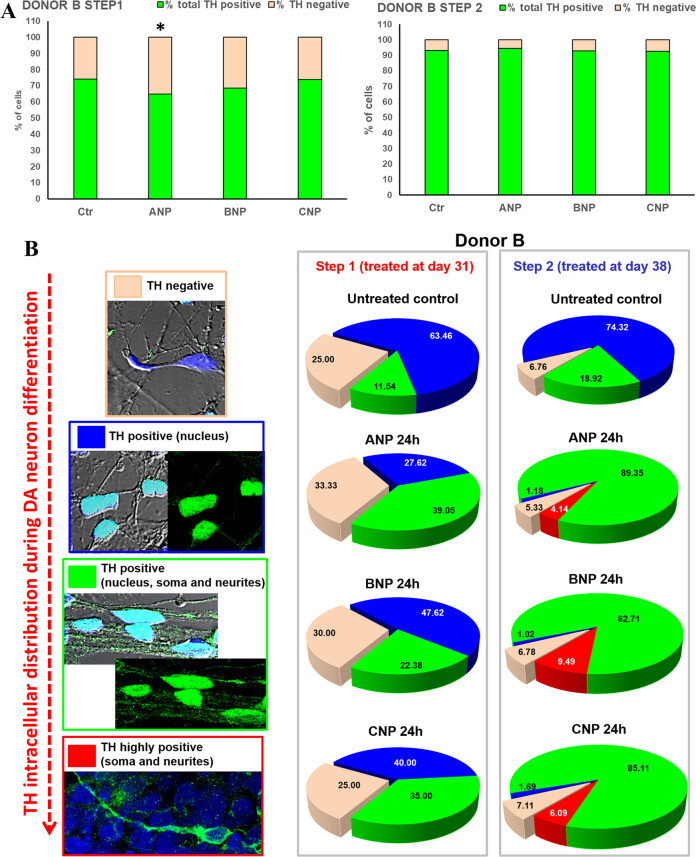
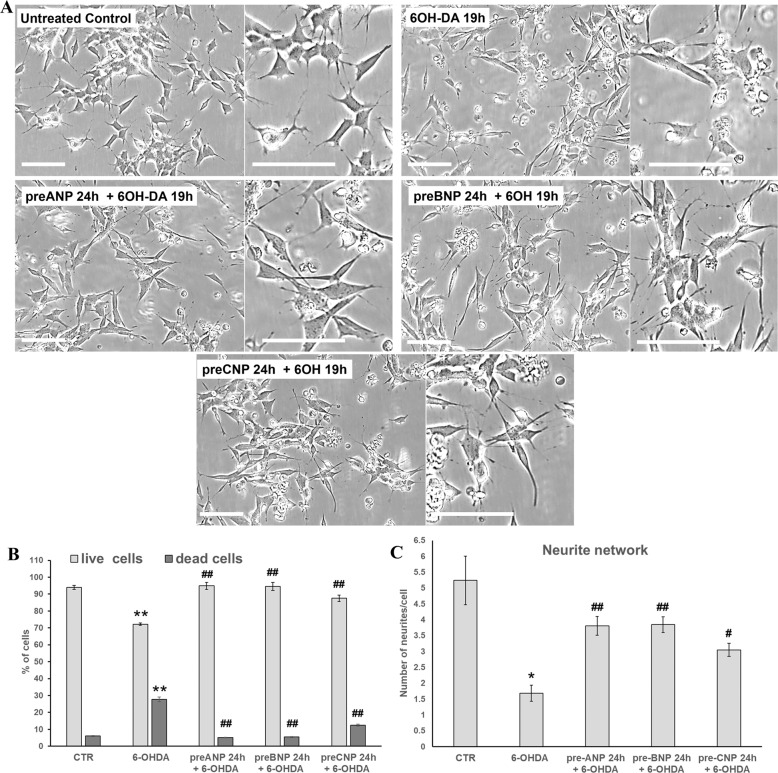
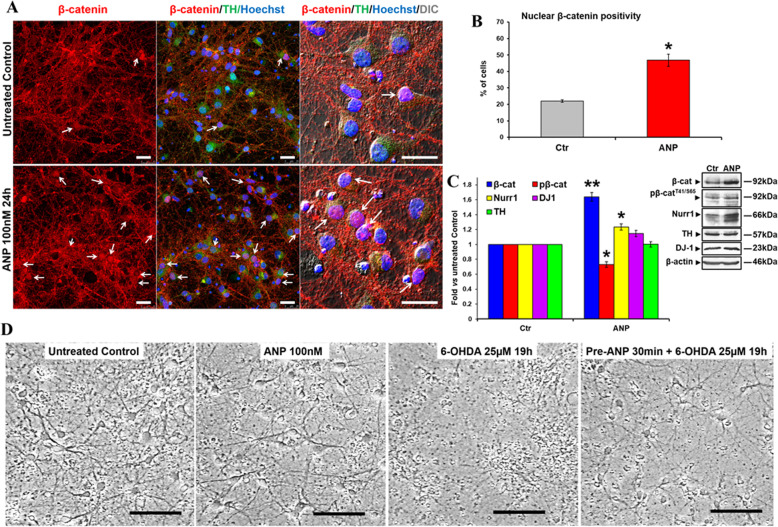
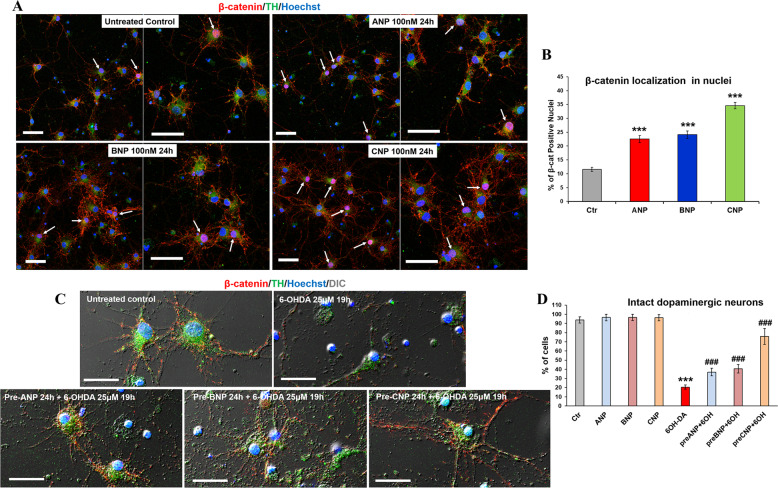
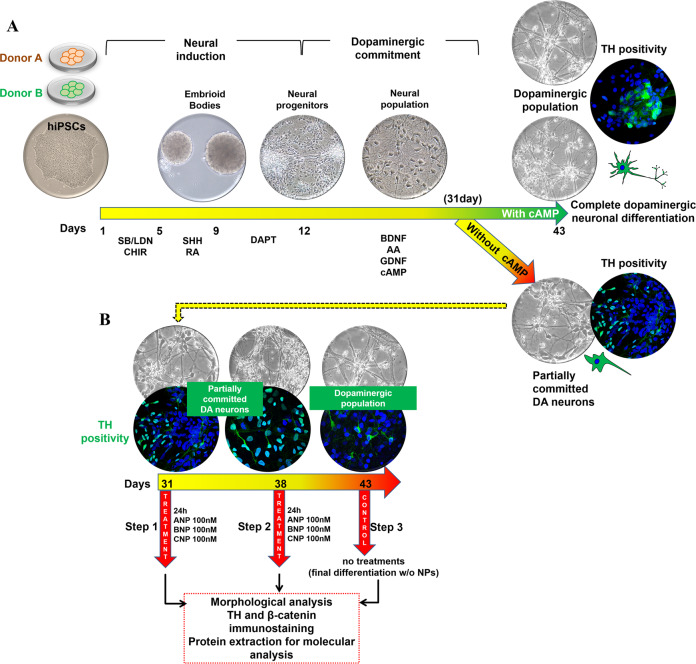
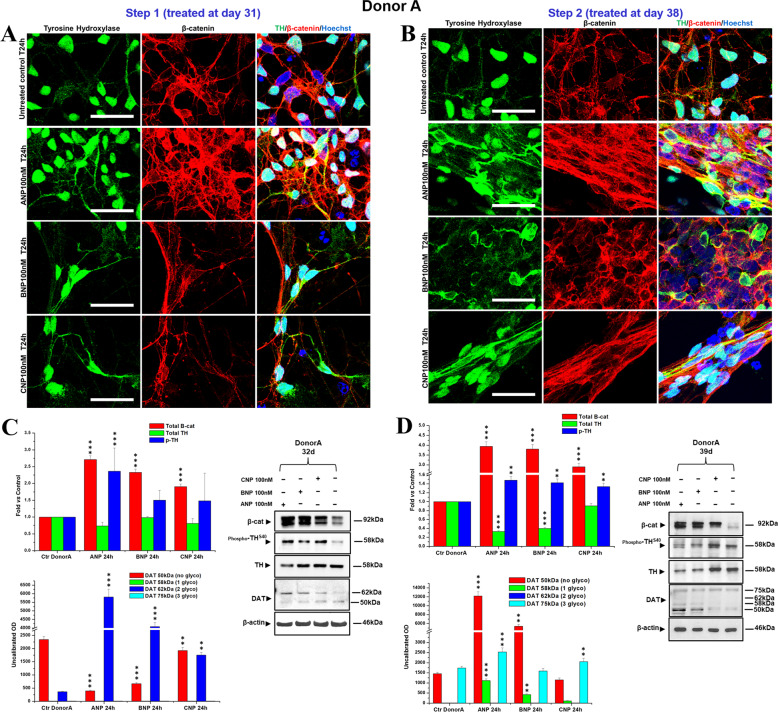
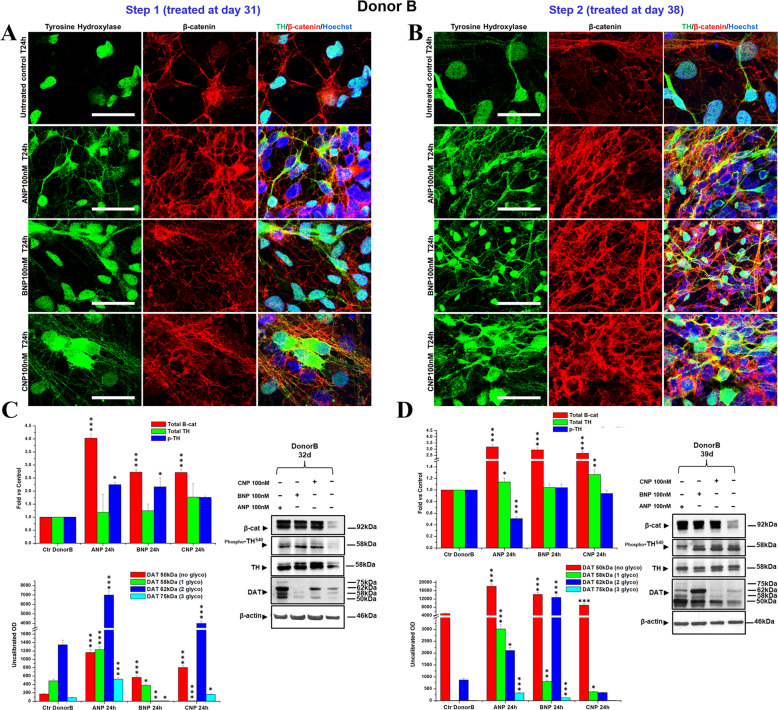
Over the last 20 years, the efforts to develop new therapies for Parkinson's disease (PD) have focused not only on the improvement of symptomatic therapy for motor and non-motor symptoms but also on the discovering of the potential causes of PD, in order to develop disease-modifying treatments. The emerging role of dysregulation of the Wnt/β-catenin signaling in the onset and progression of PD, as well as of other neurodegenerative diseases (NDs), renders the targeting of this signaling an attractive therapeutic opportunity for curing this brain disorder. The natriuretic peptides (NPs) atrial natriuretic peptide (ANP), brain natriuretic peptide (BNP), and C-type natriuretic peptide (CNP), are cardiac and vascular-derived hormones also widely expressed in mammalian CNS, where they seem to participate in numerous brain functions including neural development/differentiation and neuroprotection. We recently demonstrated that ANP affects the Wnt/β-catenin pathway possibly through a Frizzled receptor-mediated mechanism and that it acts as a neuroprotective agent in in vitro models of PD by upregulating this signaling. Here we provide further evidence supporting the therapeutic potential of this class of natriuretic hormones. Specifically, we demonstrate that all the three natriuretic peptides are neuroprotective for SHSY5Y cells and primary cultures of DA neurons from mouse brain, subjected to neurotoxin insult with 6-hydroxydopamine (6-OHDA) for mimicking the neurodegeneration of PD, and these effects are associated with the activation of the Wnt/β-catenin pathway. Moreover, ANP, BNP, CNP are able to improve and accelerate the dopaminergic differentiation and maturation of hiPSCs-derived neural population obtained from two differed healthy donors, concomitantly affecting the canonical Wnt signaling. Our results support the relevance of exogenous ANP, BNP, and CNP as attractive molecules for both neuroprotection and neurorepair in PD, and more in general, in NDs for which aberrant Wnt signaling seems to be the leading pathogenetic mechanism.
在过去20年里,开发帕金森病(PD)新疗法的努力不仅集中在改善运动和非运动症状的对症治疗上,还集中在发现PD的潜在病因上,以便开发疾病修饰疗法。Wnt/β-连环蛋白信号失调在PD以及其他神经退行性疾病(NDs)的发病和进展中日益凸显的作用,使得靶向该信号成为治疗这种脑部疾病的一个有吸引力的治疗机会。利钠肽(NPs),即心房利钠肽(ANP)、脑利钠肽(BNP)和C型利钠肽(CNP),是源自心脏和血管的激素,在哺乳动物中枢神经系统中也广泛表达,它们似乎参与了包括神经发育/分化和神经保护在内的多种脑功能。我们最近证明,ANP可能通过一种卷曲受体介导的机制影响Wnt/β-连环蛋白途径,并且它在PD的体外模型中通过上调该信号发挥神经保护剂的作用。在此,我们提供进一步的证据支持这类利钠激素的治疗潜力。具体而言,我们证明,这三种利钠肽对遭受6-羟基多巴胺(6-OHDA)神经毒素损伤以模拟PD神经退行性变的SHSY5Y细胞和来自小鼠脑的多巴胺能神经元原代培养物具有神经保护作用,并且这些作用与Wnt/β-连环蛋白途径的激活有关。此外,ANP、BNP、CNP能够改善并加速从两名不同健康供体获得的人诱导多能干细胞衍生神经群体的多巴胺能分化和成熟,同时影响经典Wnt信号。我们的结果支持外源性ANP、BNP和CNP作为PD中神经保护和神经修复的有吸引力分子的相关性,更一般地说,在Wnt信号异常似乎是主要致病机制的NDs中也是如此。