Department of Environment and Health, Istituto Superiore di Sanità, Rome, Italy.
Department of Food Safety, Nutrition and Veterinary Public Health, Istituto Superiore di Sanità, Rome, Italy.
Food Environ Virol. 2022 Dec;14(4):315-354. doi: 10.1007/s12560-021-09498-6. Epub 2021 Nov 2.
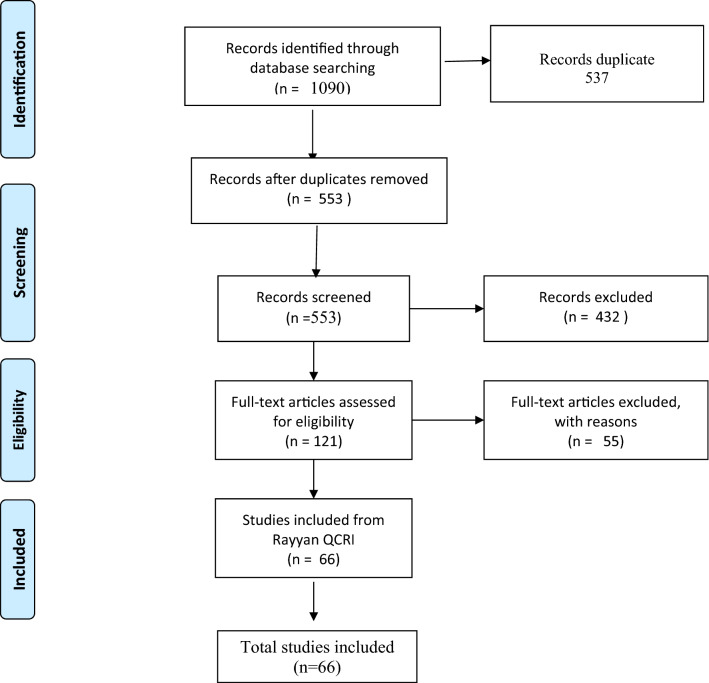
The outbreak of coronavirus infectious disease-2019 (COVID-19), caused by the Severe Acute Respiratory Syndrome Coronavirus 2 (SARS-CoV-2), has rapidly spread throughout the world. Several studies have shown that detecting SARS-CoV-2 in untreated wastewater can be a useful tool to identify new outbreaks, establish outbreak trends, and assess the prevalence of infections. On 06 May 2021, over a year into the pandemic, we conducted a scoping review aiming to summarize research data on SARS-CoV-2 in sewage. Papers dealing with raw sewage collected at wastewater treatment plants, sewer networks, septic tanks, and sludge treatment facilities were included in this review. We also reviewed studies on sewage collected in community settings such as private or municipal hospitals, healthcare facilities, nursing homes, dormitories, campuses, airports, aircraft, and cruise ships. The literature search was conducted using the electronic databases PubMed, EMBASE, and Web Science Core Collection. This comprehensive research yielded 1090 results, 66 of which met the inclusion criteria and are discussed in this review. Studies from 26 countries worldwide have investigated the occurrence of SARS-CoV-2 in sewage of different origin. The percentage of positive samples in sewage ranged from 11.6 to 100%, with viral concentrations ranging from ˂LOD to 4.6 × 10 genome copies/L. This review outlines the evidence currently available on wastewater surveillance: (i) as an early warning system capable of predicting COVID-19 outbreaks days or weeks before clinical cases; (ii) as a tool capable of establishing trends in current outbreaks; (iii) estimating the prevalence of infections; and (iv) studying SARS-CoV-2 genetic diversity. In conclusion, as a cost-effective, rapid, and reliable source of information on the spread of SARS-CoV-2 and its variants in the population, wastewater surveillance can enhance genomic and epidemiological surveillance with independent and complementary data to inform public health decision-making during the ongoing pandemic.
新型冠状病毒病(COVID-19)的爆发是由严重急性呼吸系统综合征冠状病毒 2(SARS-CoV-2)引起的,已迅速在全球范围内蔓延。多项研究表明,检测未经处理的废水中的 SARS-CoV-2 可以成为识别新爆发、建立爆发趋势和评估感染流行率的有用工具。2021 年 5 月 6 日,在大流行一年多后,我们进行了一项范围界定审查,旨在总结有关污水中 SARS-CoV-2 的研究数据。本综述纳入了处理来自废水处理厂、污水管网、化粪池和污泥处理设施的原始污水的论文。我们还审查了在社区环境中收集的污水的研究,例如私人或市政医院、医疗保健设施、养老院、宿舍、校园、机场、飞机和游轮。文献检索使用了电子数据库 PubMed、EMBASE 和 Web Science Core Collection。这项全面的研究产生了 1090 个结果,其中 66 个符合纳入标准,并在本综述中进行了讨论。来自全球 26 个国家的研究调查了不同来源的污水中 SARS-CoV-2 的发生情况。污水中阳性样本的百分比范围为 11.6%至 100%,病毒浓度范围为 ˂LOD 至 4.6×10 基因组拷贝/L。本综述概述了目前关于废水监测的证据:(i)作为一种能够在临床病例发生前几天或几周预测 COVID-19 爆发的预警系统;(ii)作为一种能够确定当前爆发趋势的工具;(iii)估计感染的流行率;和(iv)研究 SARS-CoV-2 的遗传多样性。总之,作为一种经济有效的、快速的、可靠的信息来源,用于了解 SARS-CoV-2 及其变体在人群中的传播情况,废水监测可以增强基因组和流行病学监测,提供独立和互补的数据,为大流行期间的公共卫生决策提供信息。