Student Research Committee, Department of Medical Genetics, School of Medicine, Shahid Beheshti University of Medical Sciences, Tehran, Iran.
Department of Medical Genetics, School of Medicine, Shahid Beheshti University of Medical Sciences, Tehran, Iran.
Orphanet J Rare Dis. 2021 Nov 2;16(1):461. doi: 10.1186/s13023-021-02101-y.
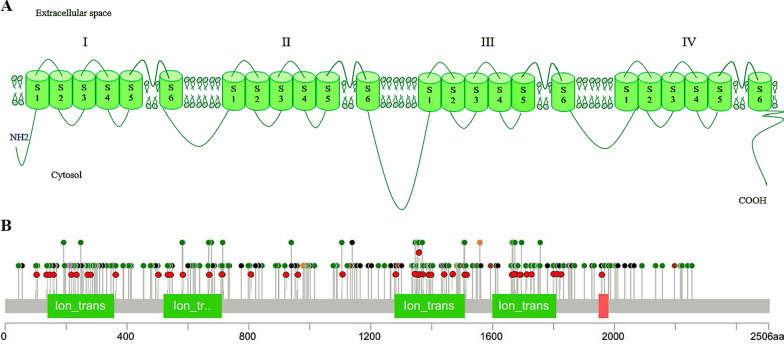
Epilepsy is a neurological disorder characterized by the potential to induce seizure and accompanied by cognitive, psychological, and social consequences. CACNA1A gene is a voltage-gated P/Q-type Cav2.1 channel that is broadly expressed in the central nervous system, and the pathogenic variants within this gene may be associated with the epileptic phenotype. In the present study, we collected clinical and molecular data related to epileptic patients with CACNA1A pathogenic variants and investigated possible meaningful relationship between age at onset, neurodevelopmental disorders, type of seizures, brain imaging abnormalities, genotype, and protein domains.
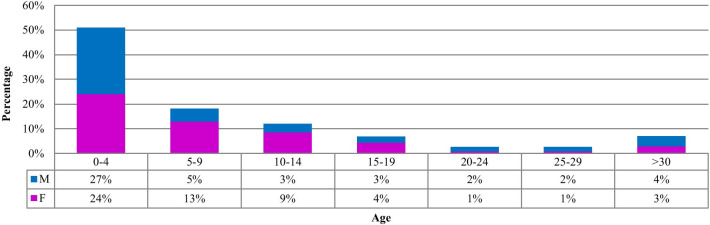
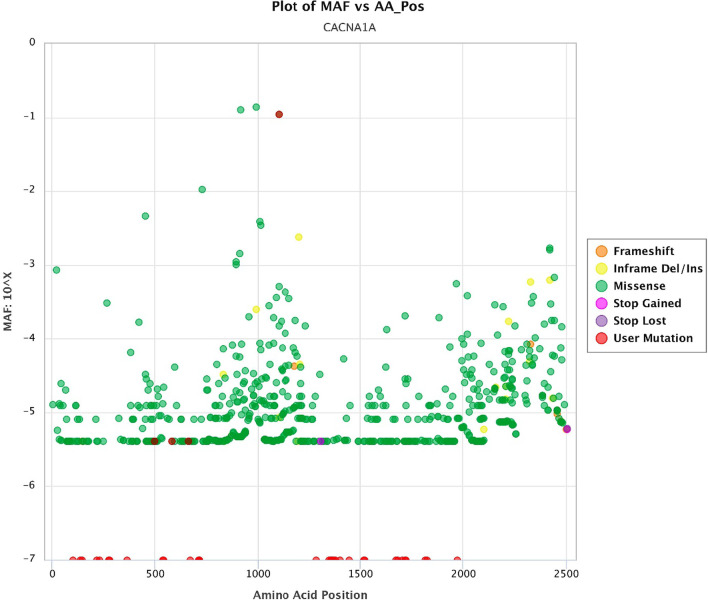
In our retrospective literature studies, from among 890 articles reviewed, a total of 90 individuals were related to epilepsy phenotype. Our findings showed that about 90 percent of patients have shown the first symptoms in childhood and teenage years and different types of neurodevelopmental disorders, such as intellectual disability, developmental arrest, and behavioral disorders, have been common findings for these patients. Further, a wide range of abnormalities have been observed in their brain imaging, and generalized seizures have been the most type of seizures in these patients. However, our data showed no specific genotype-phenotype correlation in epileptic patients with CACNA1A pathogenic alterations.
Our study focused on epileptic phenotype in patients with CACNA1A pathogenic variants and showed a wide range of clinical and molecular heterogeneity with no specific genotype-phenotype correlation. It seems that incomplete penetrance, de-novo variants, and modifier genes are obstacles in predicting the clinical outcome.
癫痫是一种以癫痫发作和认知、心理和社会后果为特征的神经障碍。CACNA1A 基因是一种电压门控 P/Q 型 Cav2.1 通道,广泛表达于中枢神经系统,该基因内的致病变异可能与癫痫表型有关。在本研究中,我们收集了与 CACNA1A 致病变异相关的癫痫患者的临床和分子数据,并研究了发病年龄、神经发育障碍、发作类型、脑影像学异常、基因型和蛋白结构域之间可能存在的有意义关系。
在我们的回顾性文献研究中,从审查的 890 篇文章中,共有 90 名个体与癫痫表型相关。我们的研究结果表明,约 90%的患者在儿童和青少年时期出现首发症状,不同类型的神经发育障碍,如智力障碍、发育停滞和行为障碍,是这些患者的常见表现。此外,他们的脑影像学检查显示出广泛的异常,全身性发作是这些患者最常见的发作类型。然而,我们的数据显示,CACNA1A 致病性改变导致的癫痫患者没有特定的基因型-表型相关性。
我们的研究集中在 CACNA1A 致病性变异患者的癫痫表型上,显示出广泛的临床和分子异质性,没有特定的基因型-表型相关性。不完全外显、新生变异和修饰基因似乎是预测临床结局的障碍。