Zhang Qun, Cheng Lei, Qin Yanmei, Kong Linghui, Shi Xiao, Hu Jing, Li Li, Ding Zhou, Wang Ting, Shen Jie, Yang Yang, Yu Lixia, Liu Baorui, Liu Chenchen, Qian Xiaoping
The Comprehensive Cancer Center Nanjing University Medical School Affiliated Nanjing Drum Tower Hospital Clinical Cancer Institute of Nanjing University Nanjing China.
Department of Pulmonary Medicine Shanghai Chest Hospital Shanghai Jiao Tong University Shanghai China.
Clin Transl Immunology. 2021 Oct 26;10(10):e1347. doi: 10.1002/cti2.1347. eCollection 2021.
Epstein-Barr virus (EBV) infection is associated with a better response to anti-PD1 immunotherapy. We hypothesised that genetic alterations induced by EBV infection are responsible for the activation of key immune responses and hence are predictive of anti-PD1 efficacy.
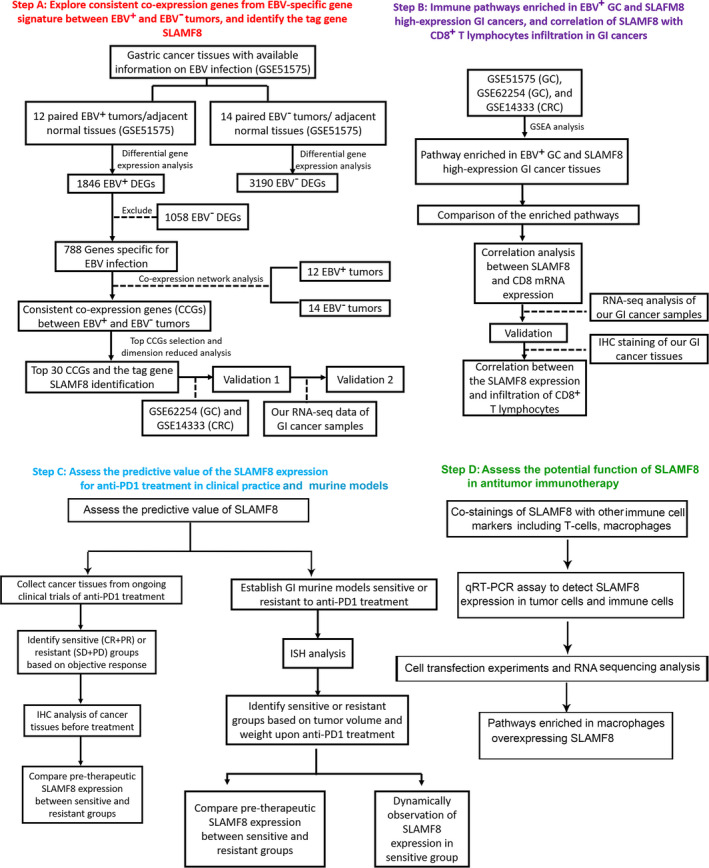
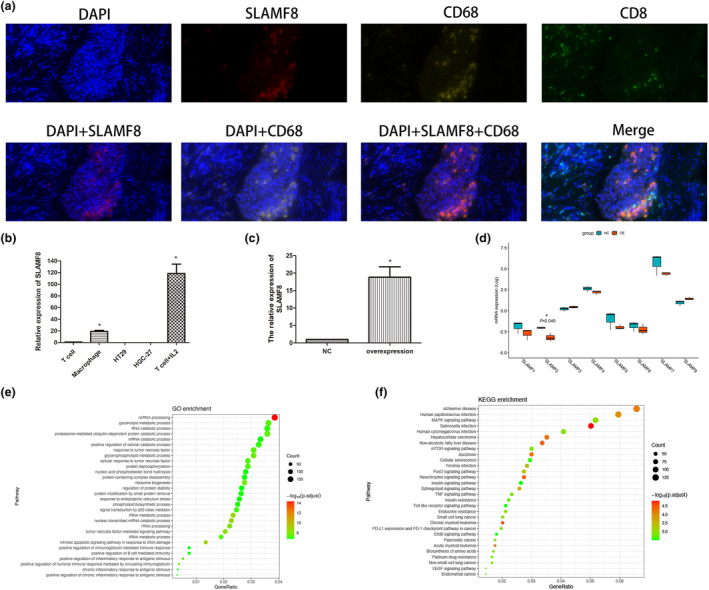
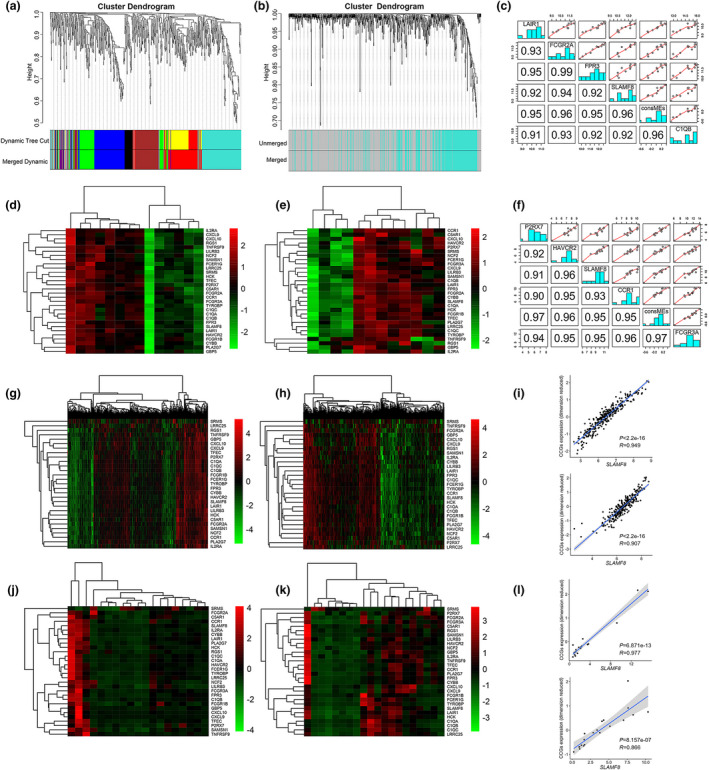
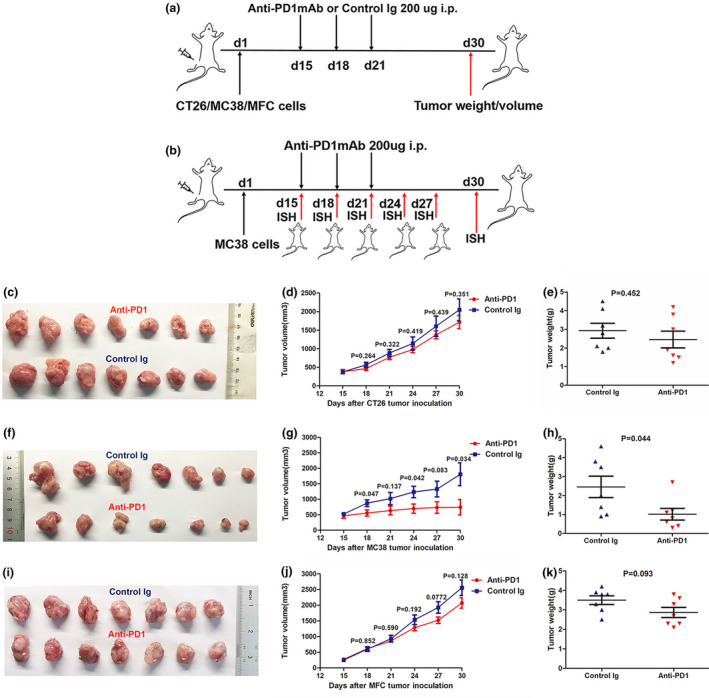
With transcriptome data of gastric cancer (GC), we explored differentially expressed genes (DEGs) specific for EBV infection and performed coexpression network analysis using the DEGs to identify the consistent coexpression genes (CCGs) between EBV-positive and EBV-negative GC tissues. We selected the tag genes of the CCGs and validated them using RNA sequencing and immunohistochemistry. We established murine models and collected tissues from clinical patients to test the value of in predicting anti-PD1 treatment. The location and expression of were characterised by multiplex immunofluorescence and quantitative PCR. Moreover, exogenous overexpression and RNA-sequencing analysis were used to test the potential function of .
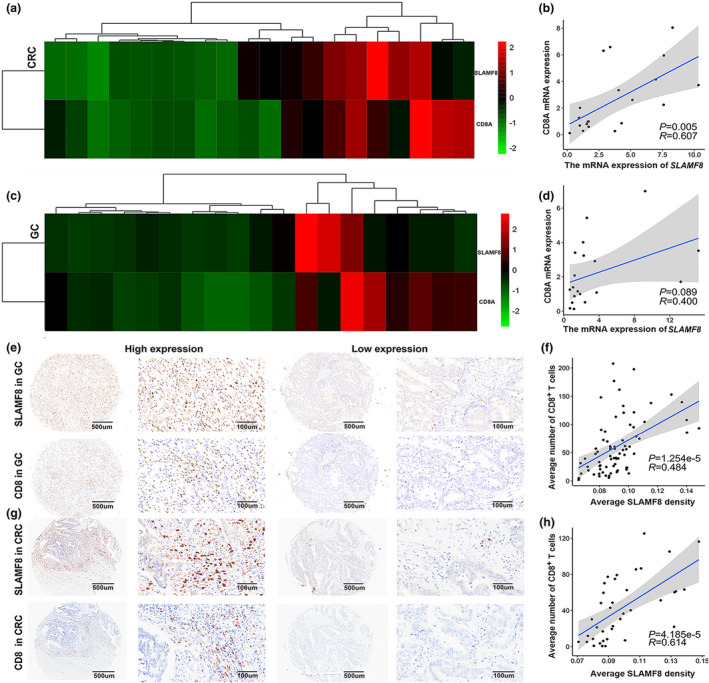
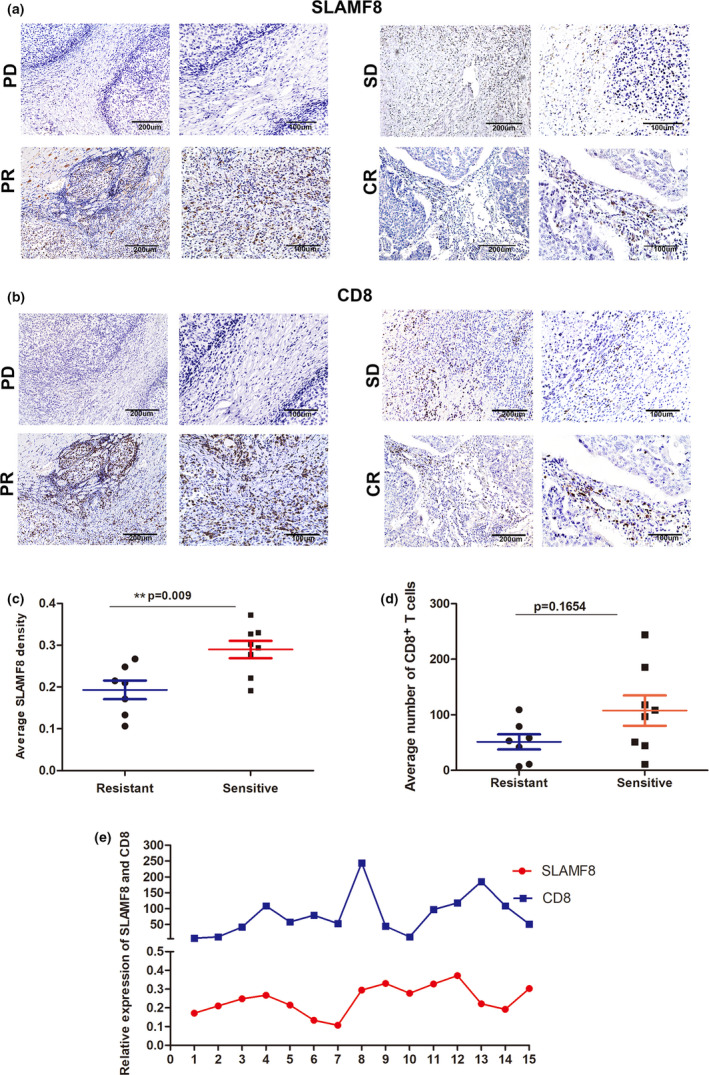
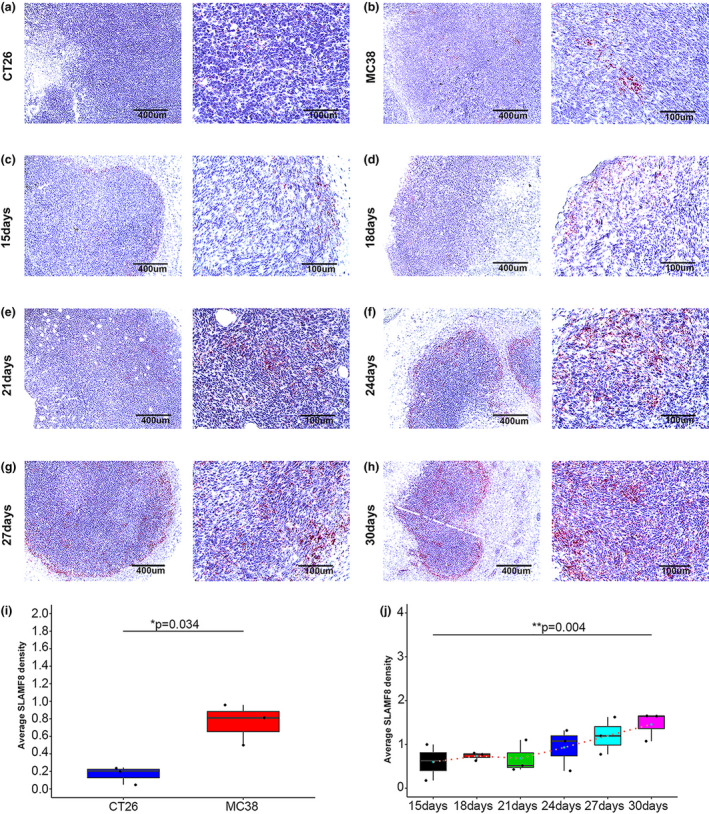
We identified 290 CCGs and validated the tag gene in transcriptome data of gastrointestinal cancer (GI). We observed that the T-cell activation pathway was significantly enriched in high-expression GI cancers. Higher SLAMF8 expression was positively associated with CD8 expression and a better response to anti-PD1 treatment. We further observed dynamically increased expression of in murine models relatively sensitive to anti-PD1 treatment. was mainly expressed on the surface of macrophages. Exogenous overexpression of SLAMF8 in macrophages resulted in enrichment of positive regulation of multiple immune-related pathways.
Higher SLAMF8 expression may predict better anti-PD1 immunotherapy efficacy in GI cancer.
爱泼斯坦-巴尔病毒(EBV)感染与抗PD1免疫治疗的更好反应相关。我们假设EBV感染诱导的基因改变是关键免疫反应激活的原因,因此可预测抗PD1疗效。
利用胃癌(GC)的转录组数据,我们探索了EBV感染特有的差异表达基因(DEG),并使用这些DEG进行共表达网络分析,以确定EBV阳性和EBV阴性GC组织之间的一致共表达基因(CCG)。我们选择了CCG的标签基因,并通过RNA测序和免疫组织化学进行验证。我们建立了小鼠模型并收集临床患者的组织,以测试其在预测抗PD1治疗中的价值。通过多重免疫荧光和定量PCR对其定位和表达进行表征。此外,利用外源性过表达和RNA测序分析来测试其潜在功能。
我们鉴定出290个CCG,并在胃肠道癌(GI)的转录组数据中验证了标签基因。我们观察到T细胞激活途径在高表达的GI癌症中显著富集。较高的信号淋巴细胞激活分子家族成员8(SLAMF8)表达与CD8表达呈正相关,且对抗PD1治疗反应更好。我们进一步观察到在对抗PD1治疗相对敏感的小鼠模型中,SLAMF8的表达动态增加。SLAMF8主要表达于巨噬细胞表面。巨噬细胞中外源性过表达SLAMF8导致多个免疫相关途径的正调控富集。
较高的SLAMF8表达可能预测GI癌症中抗PD1免疫治疗的疗效更好。