Department of Pharmacology, The Key Laboratory of Neural and Vascular Biology, Ministry of Education, The Key Laboratory of New Drug Pharmacology and Toxicology, Hebei Medical University, Shijiazhuang, Hebei 050017, China.
Department of Pharmacology, The Key Laboratory of Neural and Vascular Biology, Ministry of Education, The Key Laboratory of New Drug Pharmacology and Toxicology, Hebei Medical University, Shijiazhuang, Hebei 050017, China; Department of Pharmacochemistry, Hebei University of Chinese Medicine, Shijiazhuang, Hebei 050091, China.
Cell Rep. 2021 Nov 2;37(5):109936. doi: 10.1016/j.celrep.2021.109936.
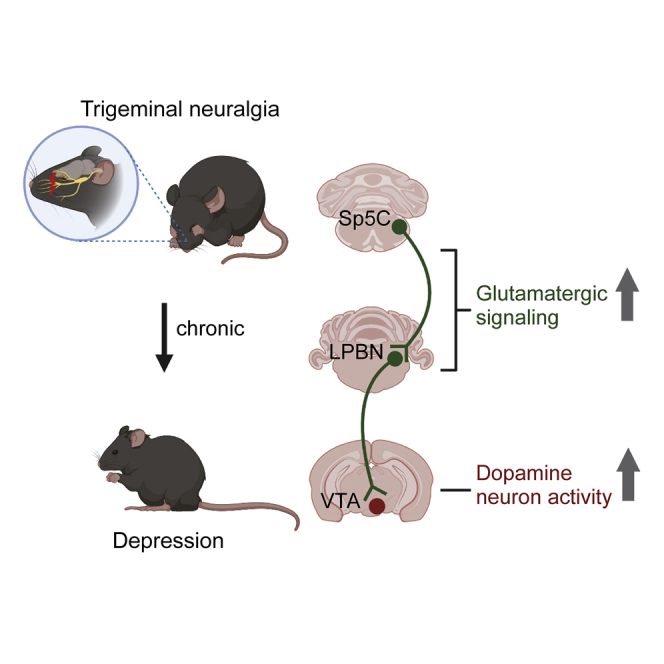
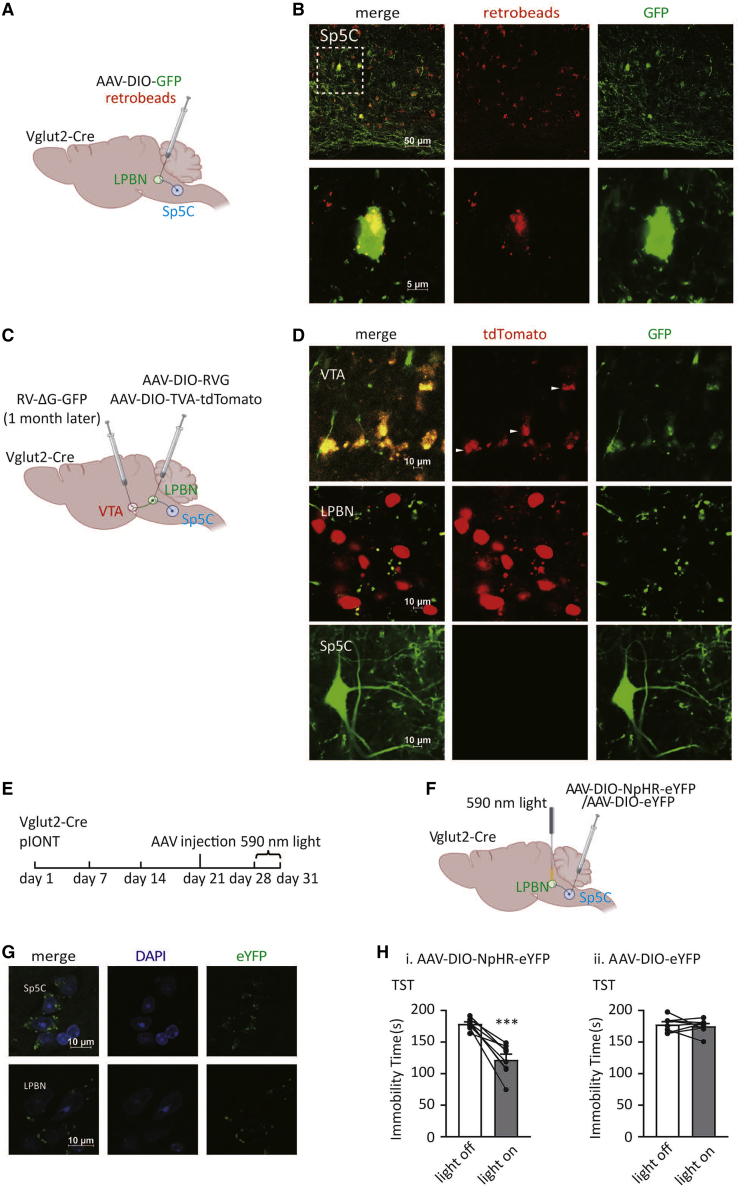
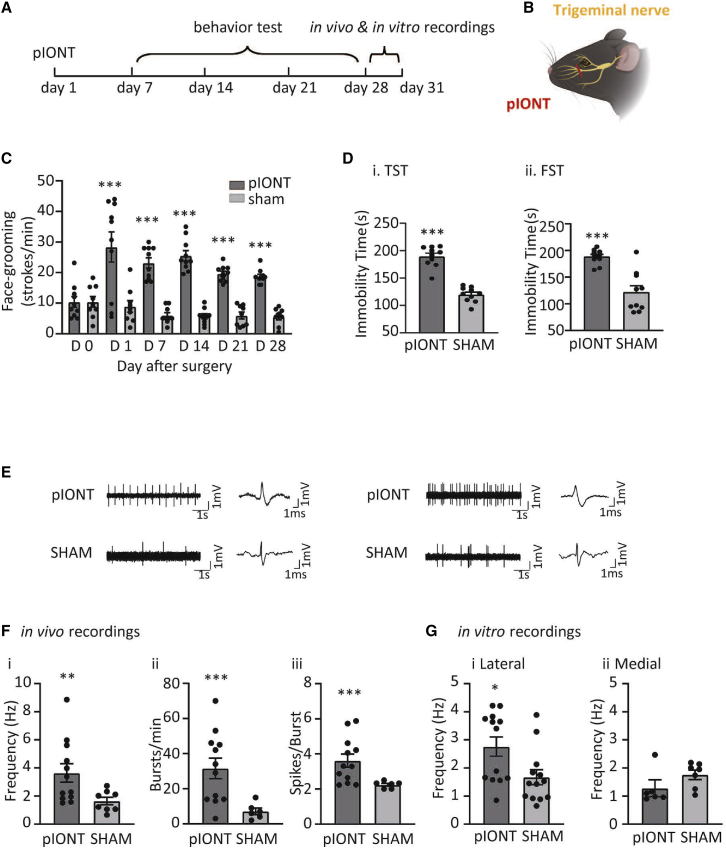
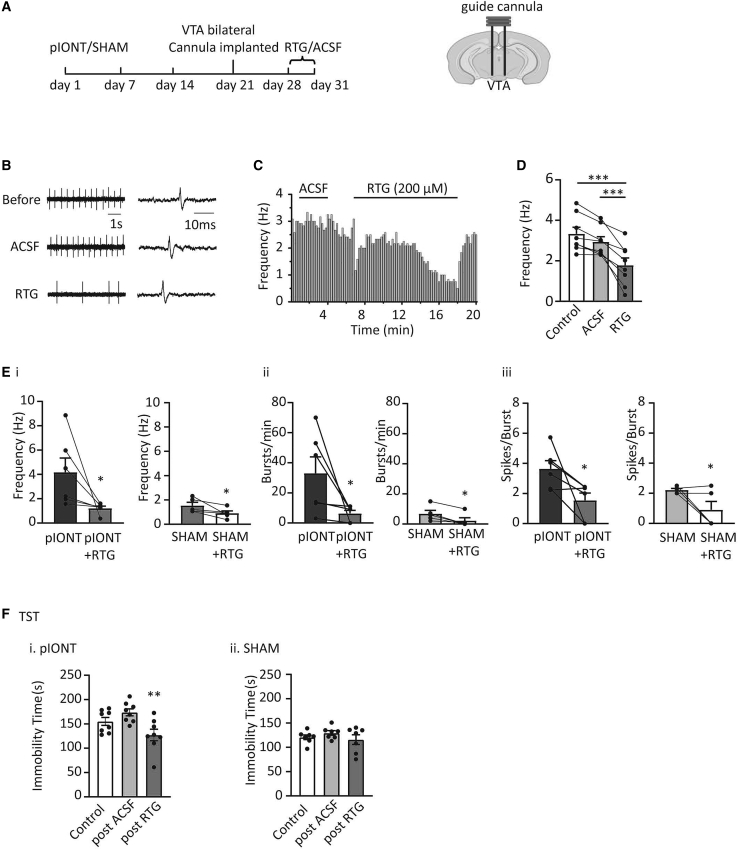
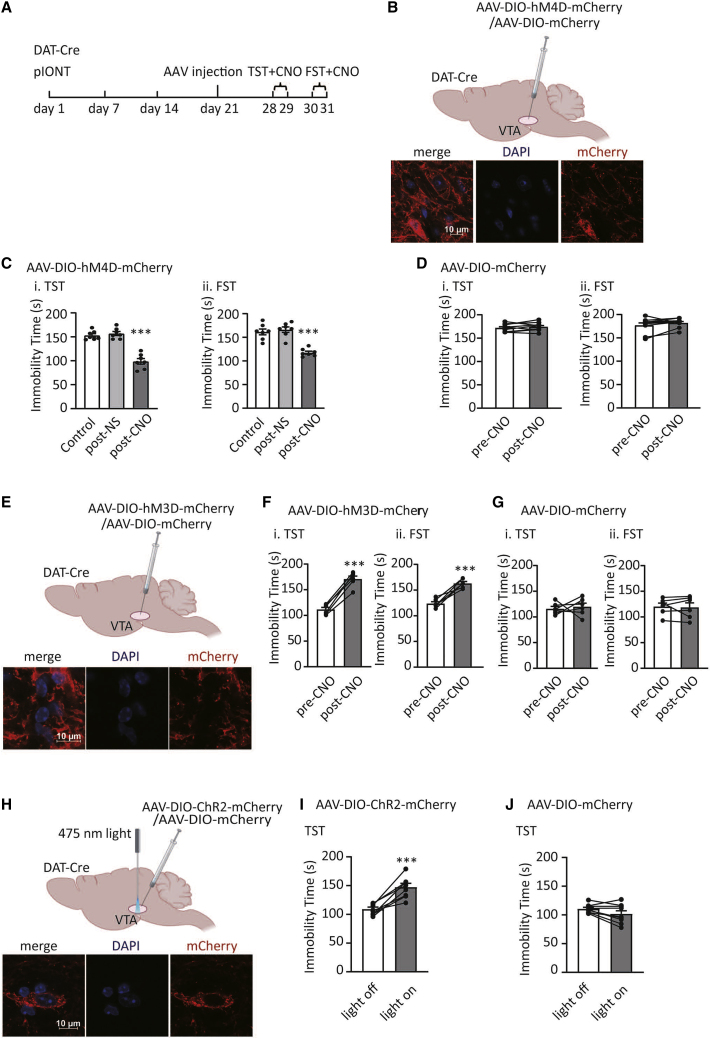
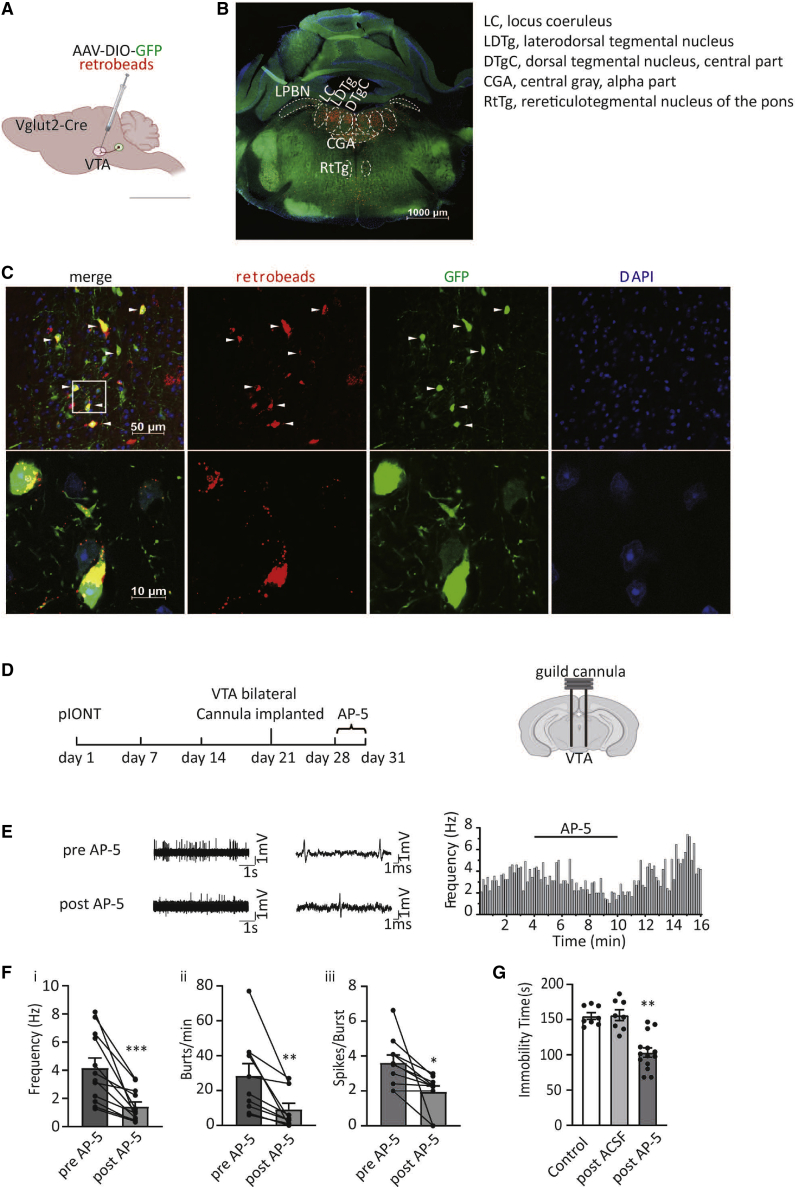
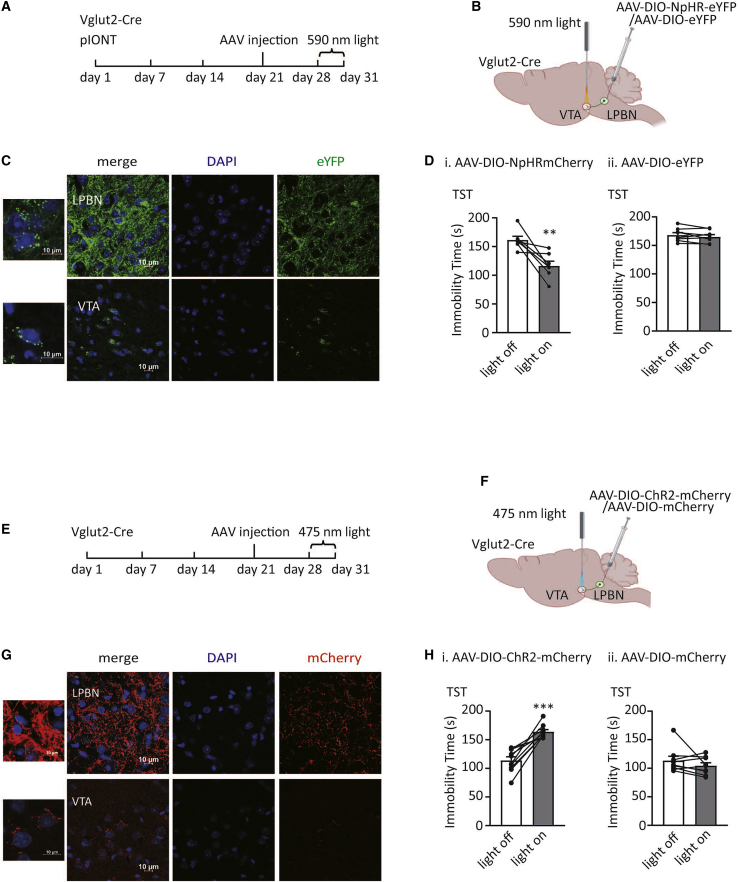
Depression symptoms are often found in patients suffering from chronic pain, a phenomenon that is yet to be understood mechanistically. Here, we systematically investigate the cellular mechanisms and circuits underlying the chronic-pain-induced depression behavior. We show that the development of chronic pain is accompanied by depressive-like behaviors in a mouse model of trigeminal neuralgia. In parallel, we observe increased activity of the dopaminergic (DA) neuron in the midbrain ventral tegmental area (VTA), and inhibition of this elevated VTA DA neuron activity reverses the behavioral manifestations of depression. Further studies establish a pathway of glutamatergic projections from the spinal trigeminal subnucleus caudalis (Sp5C) to the lateral parabrachial nucleus (LPBN) and then to the VTA. These glutamatergic projections form a direct circuit that controls the development of the depression-like behavior under the state of the chronic neuropathic pain.
抑郁症状常存在于慢性疼痛患者中,但其中的机制尚不清楚。在这里,我们系统地研究了慢性疼痛引起抑郁样行为的细胞机制和回路。我们发现,在三叉神经痛的小鼠模型中,慢性疼痛的发展伴随着抑郁样行为。与此同时,我们观察到中脑腹侧被盖区(VTA)中的多巴胺能(DA)神经元活性增加,而抑制这种升高的 VTA DA 神经元活性可逆转抑郁的行为表现。进一步的研究建立了一个从脊髓三叉神经亚核尾侧(Sp5C)到外侧臂旁核(LPBN)再到 VTA 的谷氨酸能投射通路。这些谷氨酸能投射形成了一个直接的回路,控制着慢性神经病理性疼痛状态下抑郁样行为的发展。