Ghasemi Asghar, Jeddi Sajad, Kashfi Khosrow
Endocrine Physiology Research Center, Research Institute for Endocrine Sciences, Shahid Beheshti University of Medical Sciences, Tehran, Iran.
Department of Molecular, Cellular and Biomedical Sciences, Sophie Davis School of Biomedical Education, City University of New York School of Medicine, New York, USA.
EXCLI J. 2021 Sep 23;20:1431-1445. doi: 10.17179/excli2021-4072. eCollection 2021.
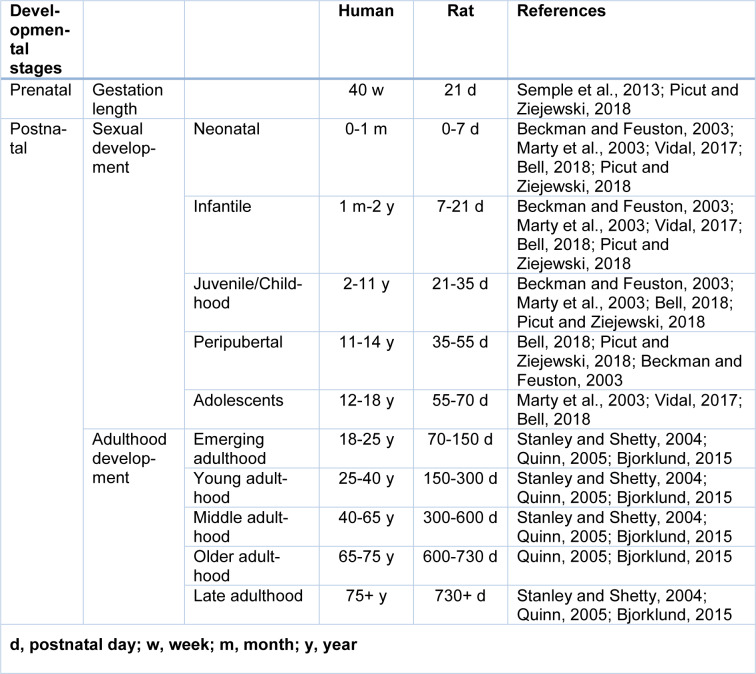
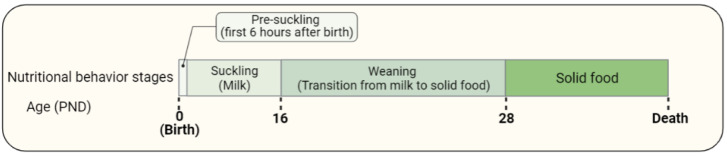
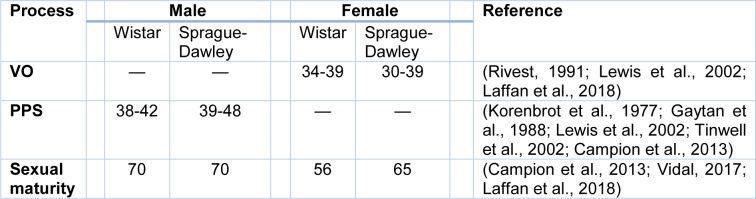
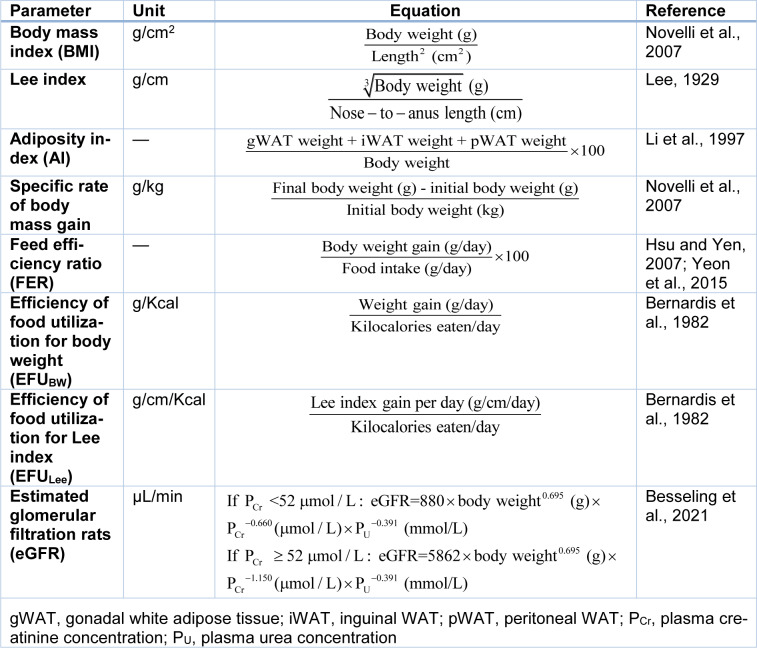
Animal experimentation helps us to understand human biology. Rodents and, in particular, rats are among the most common animals used in animal experiments. Reporting data on animal age, animal body weight, and animal postnatal developmental stages is not consistent, which can cause the failure to translate animal data to humans. This review summarizes age-related postnatal developmental stages in rats by addressing age-related changes in their body weights. The age and body weight of animals can affect drug metabolism, gene expression, metabolic parameters, and other dependent variables measured in animal studies. In addition, considering the age and the body weight of the animals is of particular importance in animal modeling of human diseases. Appropriate reporting of age, body weight, and the developmental stage of animals used in studies can improve animal to human translation.
动物实验有助于我们了解人类生物学。啮齿动物,尤其是大鼠,是动物实验中最常用的动物之一。关于动物年龄、体重和出生后发育阶段的数据报告并不一致,这可能导致无法将动物数据转化为人类数据。本综述通过阐述大鼠体重随年龄的变化,总结了大鼠出生后与年龄相关的发育阶段。动物的年龄和体重会影响药物代谢、基因表达、代谢参数以及在动物研究中测量的其他因变量。此外,在人类疾病的动物模型中,考虑动物的年龄和体重尤为重要。在研究中对所用动物的年龄、体重和发育阶段进行适当报告,可以改善从动物到人类的转化。