Department of Internal Medicine, Division of Pulmonary, Critical Care, and Sleep Medicine, The Ohio State University, Columbus, Ohio.
Center for Free Radical and Antioxidant Health, Department of Environmental and Occupational Health, University of Pittsburgh, Pittsburgh, Pennsylvania.
Transl Res. 2022 Feb;240:1-16. doi: 10.1016/j.trsl.2021.10.007. Epub 2021 Nov 2.
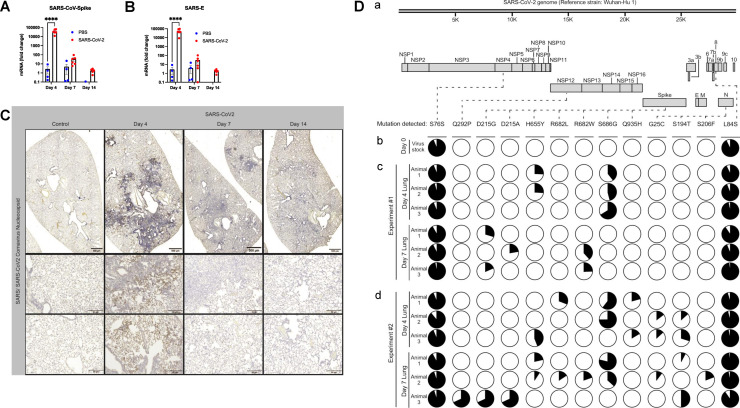
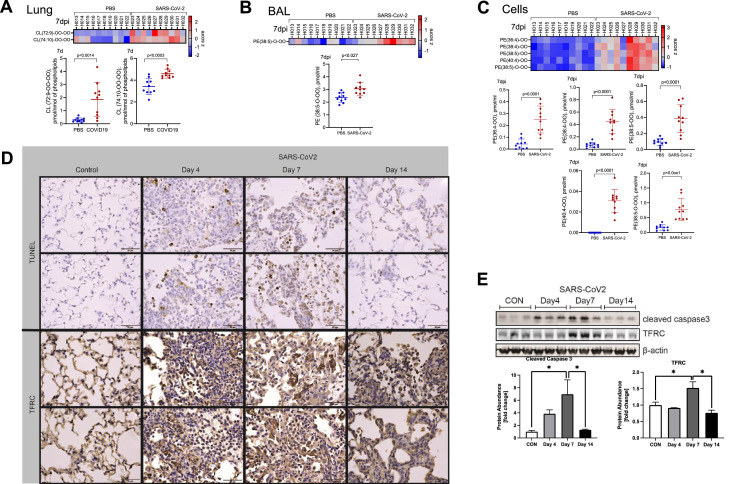
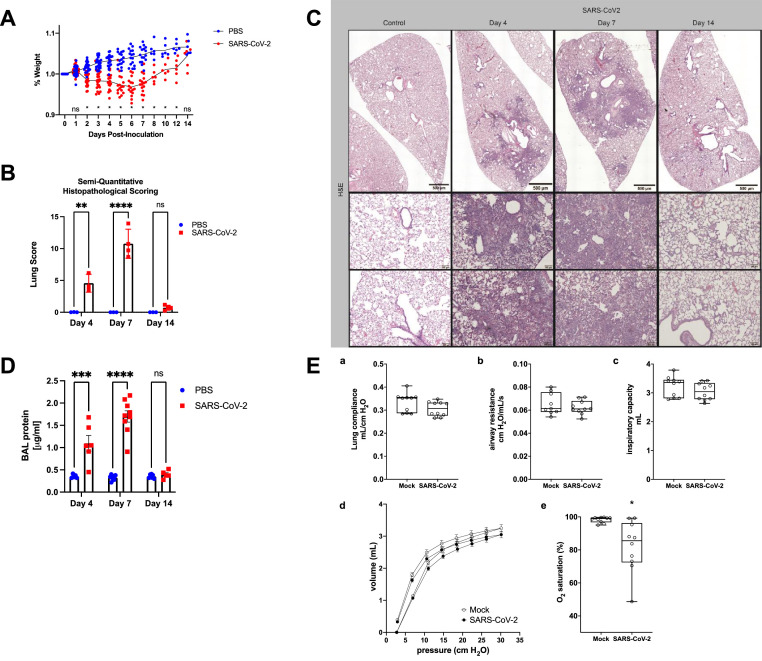
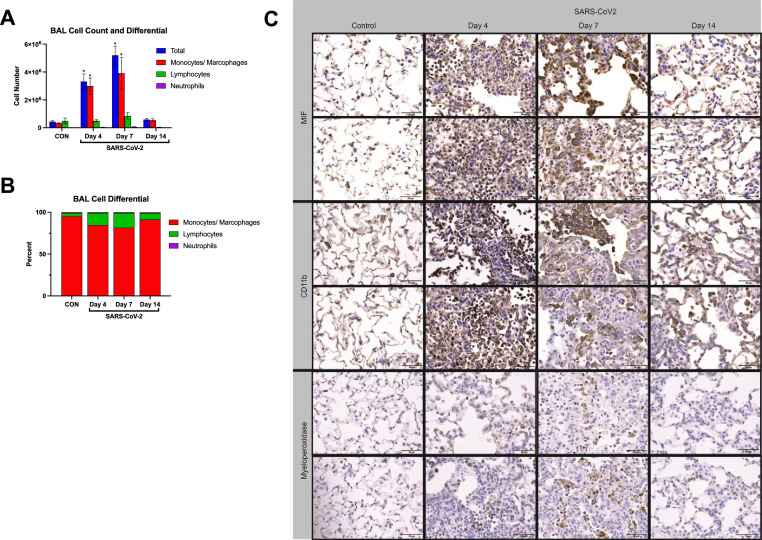
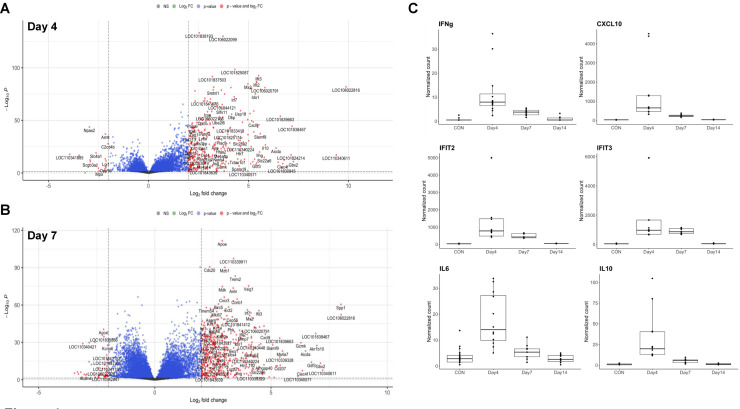
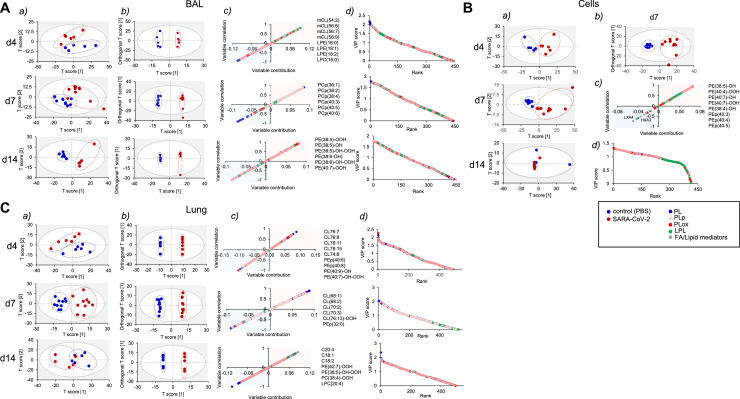
The acute respiratory distress syndrome (ARDS) is a common complication of severe COVID-19 (coronavirus disease 2019) caused by SARS-CoV-2 (severe acute respiratory syndrome coronavirus 2) infection. Knowledge of molecular mechanisms driving host responses to SARS-CoV-2 is limited by the lack of reliable preclinical models of COVID-19 that recapitulate human illness. Further, existing COVID-19 animal models are not characterized as models of experimental acute lung injury (ALI) or ARDS. Acknowledging differences in experimental lung injury in animal models and human ARDS, here we systematically evaluate a model of experimental acute lung injury as a result of SARS-CoV-2 infection in Syrian golden hamsters. Following intranasal inoculation, hamsters demonstrate acute SARS-CoV-2 infection, viral pneumonia, and systemic illness but survive infection with clearance of virus. Hamsters exposed to SARS-CoV-2 exhibited key features of experimental ALI, including histologic evidence of lung injury, increased pulmonary permeability, acute inflammation, and hypoxemia. RNA sequencing of lungs indicated upregulation of inflammatory mediators that persisted after infection clearance. Lipidomic analysis demonstrated significant differences in hamster phospholipidome with SARS-CoV-2 infection. Lungs infected with SARS-CoV-2 showed increased apoptosis and ferroptosis. Thus, SARS-CoV-2 infected hamsters exhibit key features of experimental lung injury supporting their use as a preclinical model of COVID-19 ARDS.
急性呼吸窘迫综合征(ARDS)是由严重急性呼吸综合征冠状病毒 2(SARS-CoV-2)感染引起的严重 COVID-19(2019 年冠状病毒病)的常见并发症。由于缺乏可靠的能够重现人类疾病的 COVID-19 临床前模型,因此对导致宿主对 SARS-CoV-2 产生反应的分子机制的了解有限。此外,现有的 COVID-19 动物模型不能被描述为实验性急性肺损伤(ALI)或 ARDS 的模型。鉴于动物模型和人类 ARDS 中实验性肺损伤的差异,我们在这里系统地评估了 SARS-CoV-2 感染叙利亚金黄地鼠的实验性急性肺损伤模型。通过鼻腔接种后,金黄地鼠表现出急性 SARS-CoV-2 感染、病毒性肺炎和全身疾病,但能在清除病毒后存活。感染 SARS-CoV-2 的金黄地鼠表现出实验性 ALI 的关键特征,包括肺损伤的组织学证据、肺通透性增加、急性炎症和低氧血症。肺部的 RNA 测序表明,感染清除后炎症介质的上调持续存在。脂质组学分析表明,SARS-CoV-2 感染后金黄地鼠的磷脂组有显著差异。感染 SARS-CoV-2 的肺部显示出增加的细胞凋亡和铁死亡。因此,感染 SARS-CoV-2 的金黄地鼠表现出实验性肺损伤的关键特征,支持将其用作 COVID-19 ARDS 的临床前模型。