Department of Biomedical Sciences, Humanitas University, Via Rita Levi Montalcini 4, 20090 Pieve Emanuele, Milan, Italy; IRCCS Humanitas Research Hospital, via Manzoni 56, 20089 Rozzano, Milan, Italy.
IRCCS Humanitas Research Hospital, via Manzoni 56, 20089 Rozzano, Milan, Italy; Institute of Neuroscience - National Research Council, 20139 Milan, Italy.
Immunity. 2021 Nov 9;54(11):2611-2631.e8. doi: 10.1016/j.immuni.2021.10.006.
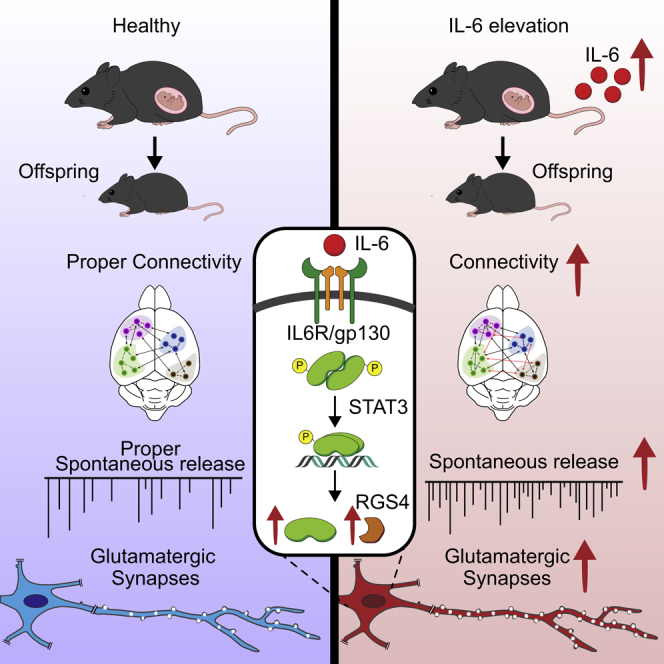
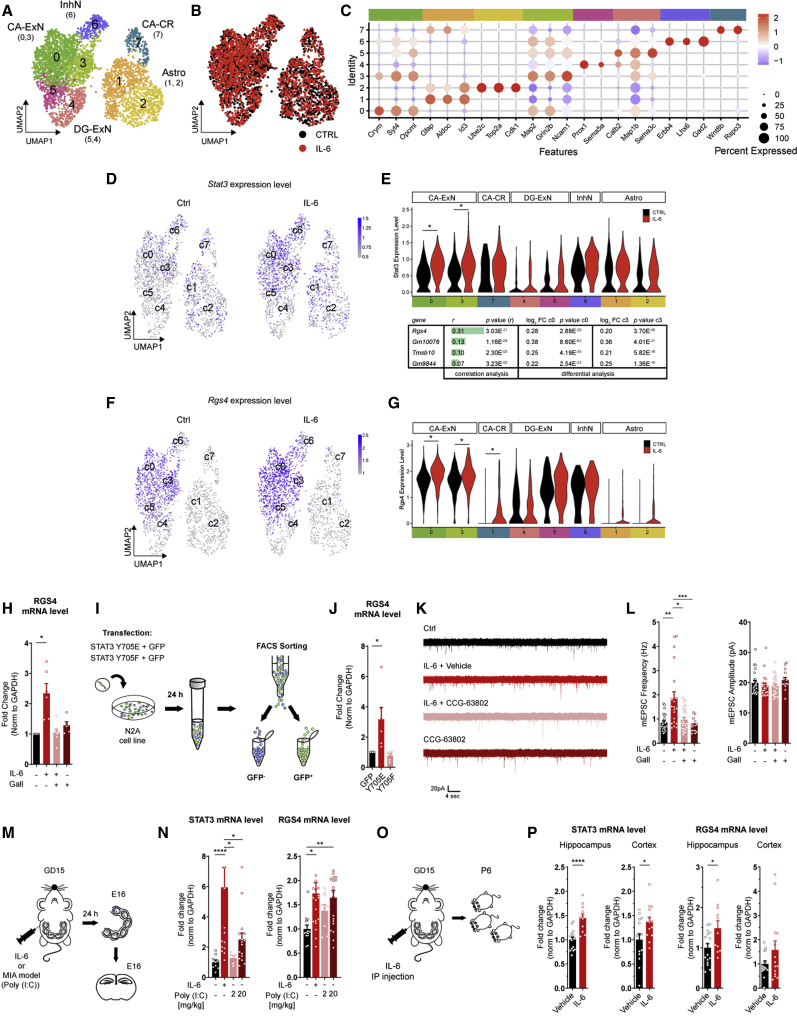
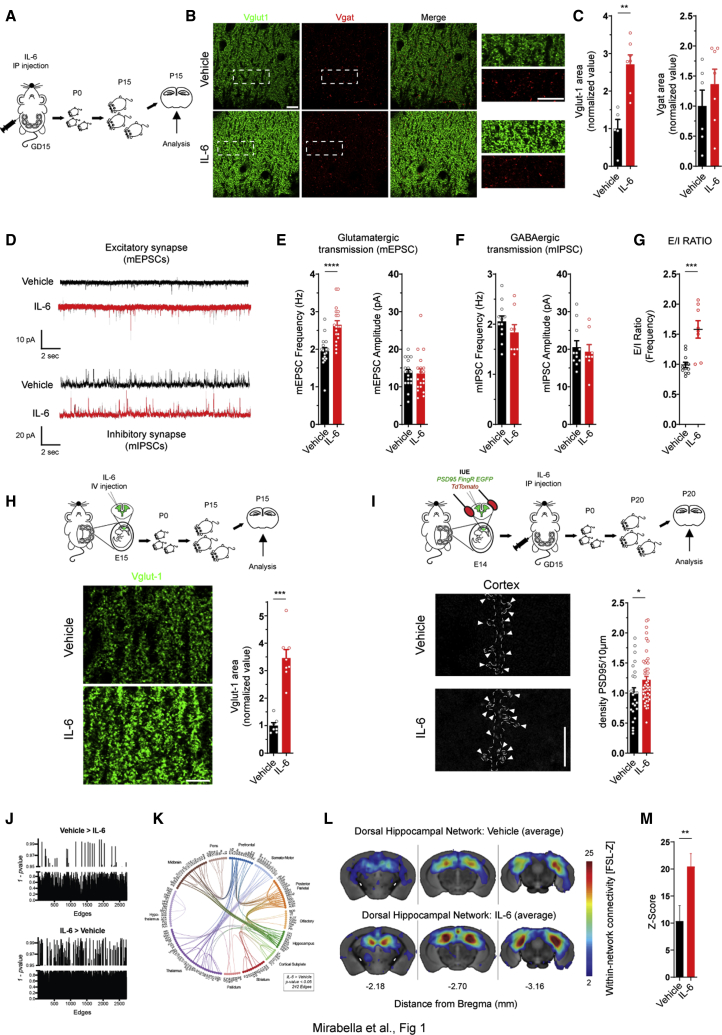
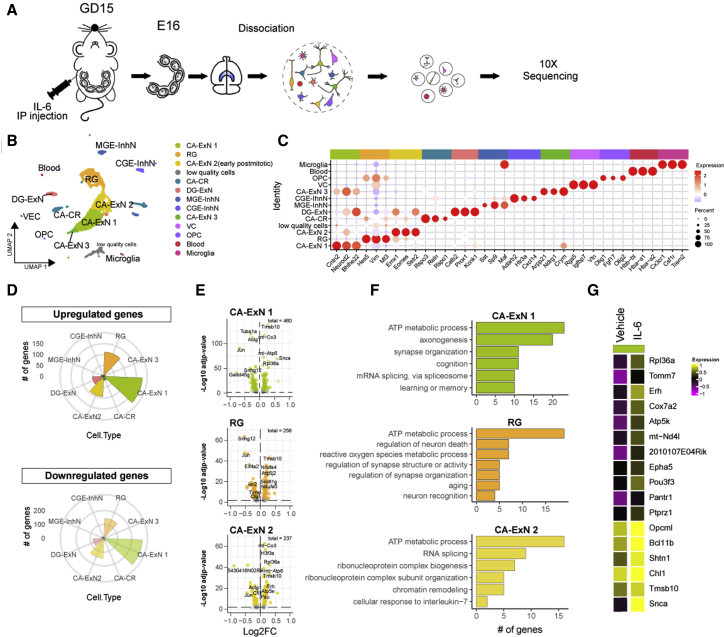
Early prenatal inflammatory conditions are thought to be a risk factor for different neurodevelopmental disorders. Maternal interleukin-6 (IL-6) elevation during pregnancy causes abnormal behavior in offspring, but whether these defects result from altered synaptic developmental trajectories remains unclear. Here we showed that transient IL-6 elevation via injection into pregnant mice or developing embryos enhanced glutamatergic synapses and led to overall brain hyperconnectivity in offspring into adulthood. IL-6 activated synaptogenesis gene programs in glutamatergic neurons and required the transcription factor STAT3 and expression of the RGS4 gene. The STAT3-RGS4 pathway was also activated in neonatal brains during poly(I:C)-induced maternal immune activation, which mimics viral infection during pregnancy. These findings indicate that IL-6 elevation at early developmental stages is sufficient to exert a long-lasting effect on glutamatergic synaptogenesis and brain connectivity, providing a mechanistic framework for the association between prenatal inflammatory events and brain neurodevelopmental disorders.
早期产前炎症被认为是多种神经发育障碍的危险因素。怀孕期间母体白细胞介素-6(IL-6)的升高会导致后代出现异常行为,但这些缺陷是否是由于突触发育轨迹的改变所致尚不清楚。在这里,我们发现通过向怀孕小鼠或发育中的胚胎注射短暂升高 IL-6 会增强谷氨酸能突触,并导致后代成年后大脑整体过度连接。IL-6 激活了谷氨酸能神经元中的突触发生基因程序,需要转录因子 STAT3 和 RGS4 基因的表达。在多聚(I:C)诱导的母体免疫激活期间,新生大脑中也会激活 STAT3-RGS4 通路,这模拟了怀孕期间的病毒感染。这些发现表明,在早期发育阶段升高 IL-6 足以对谷氨酸能突触发生和大脑连接产生持久影响,为产前炎症事件与大脑神经发育障碍之间的关联提供了一个机制框架。