Dong Mingwei, Chen Jing, Deng Yiran, Zhang Danying, Dong Ling, Sun Dalong
Department of Gastroenterology and Hepatology, Xiamen Branch, Zhongshan Hospital, Fudan University, Xiamen, China.
National Health Commission (NHC) Key Laboratory of Glycoconjugates Research, Department of Biochemistry and Molecular Biology, School of Basic Medical Sciences, Fudan University, Shanghai, China.
Front Oncol. 2021 Oct 25;11:701736. doi: 10.3389/fonc.2021.701736. eCollection 2021.
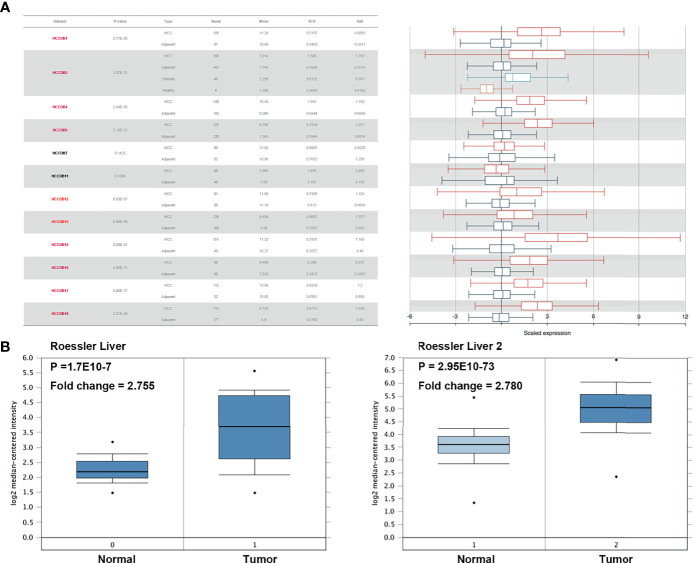
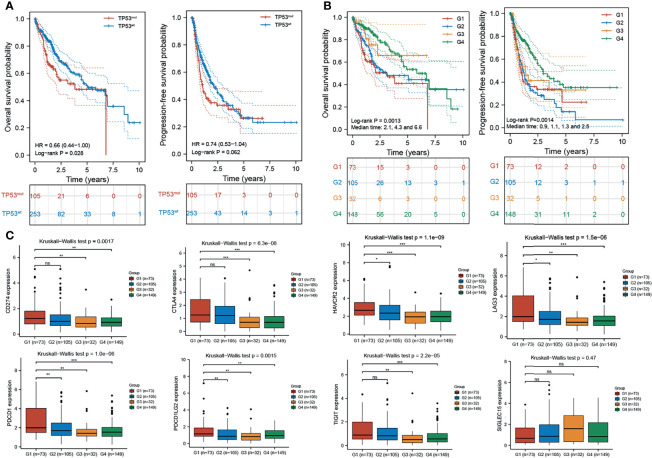
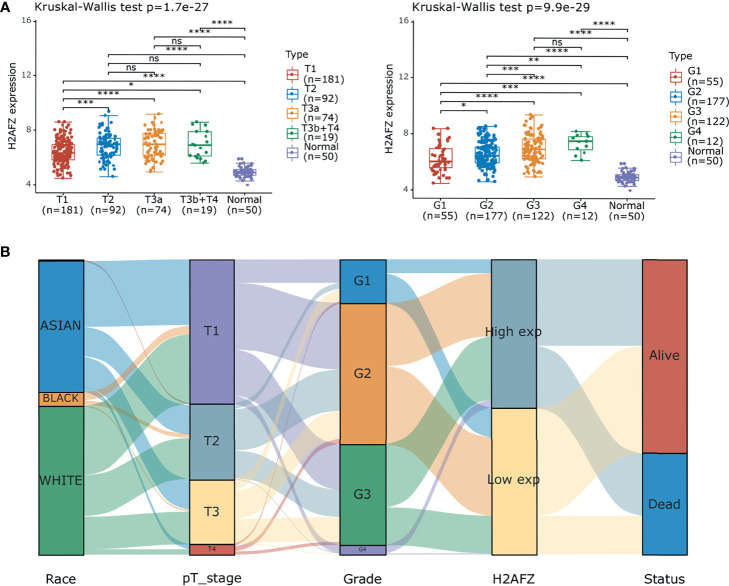
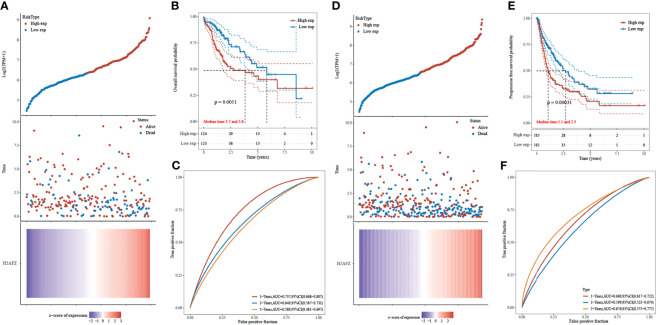
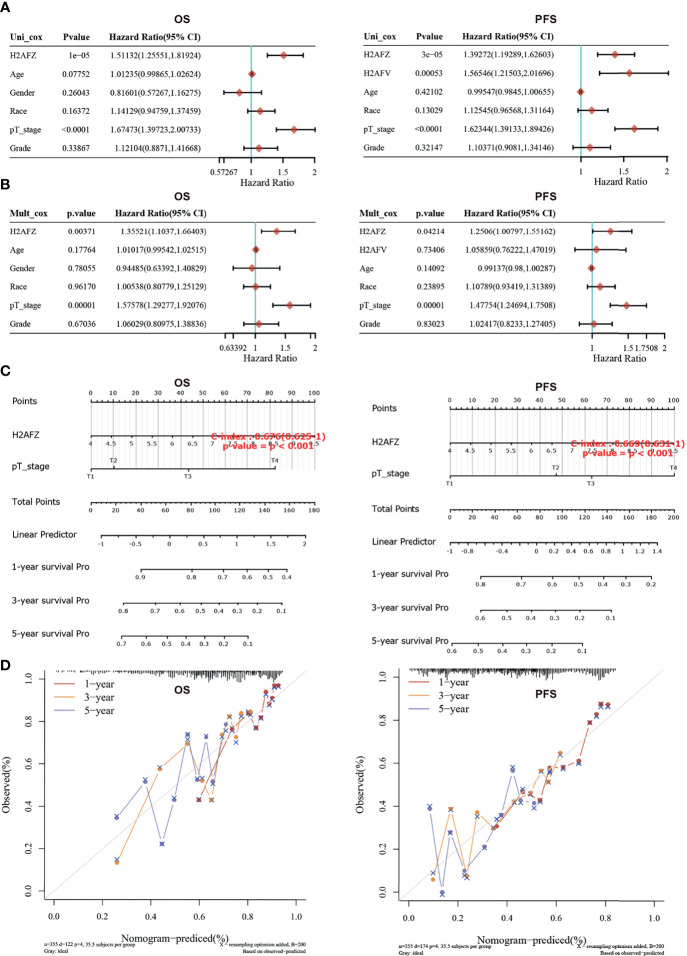
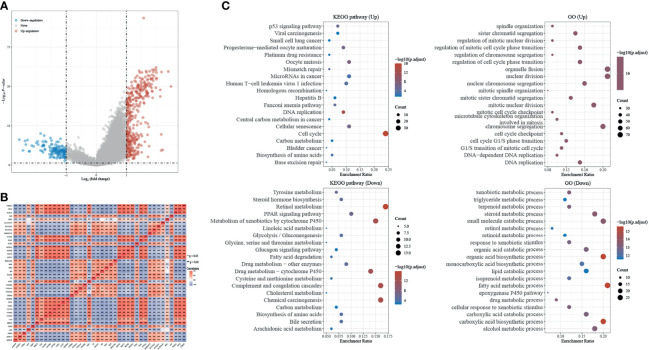
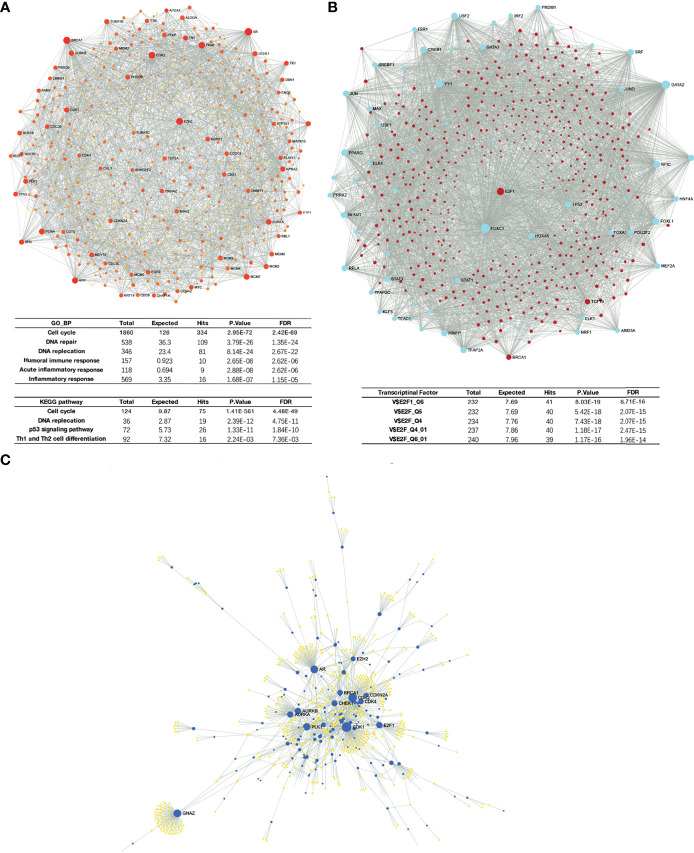
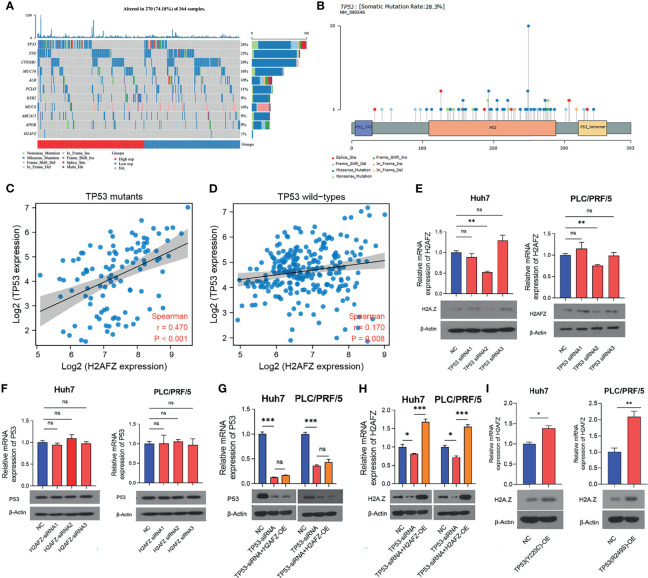
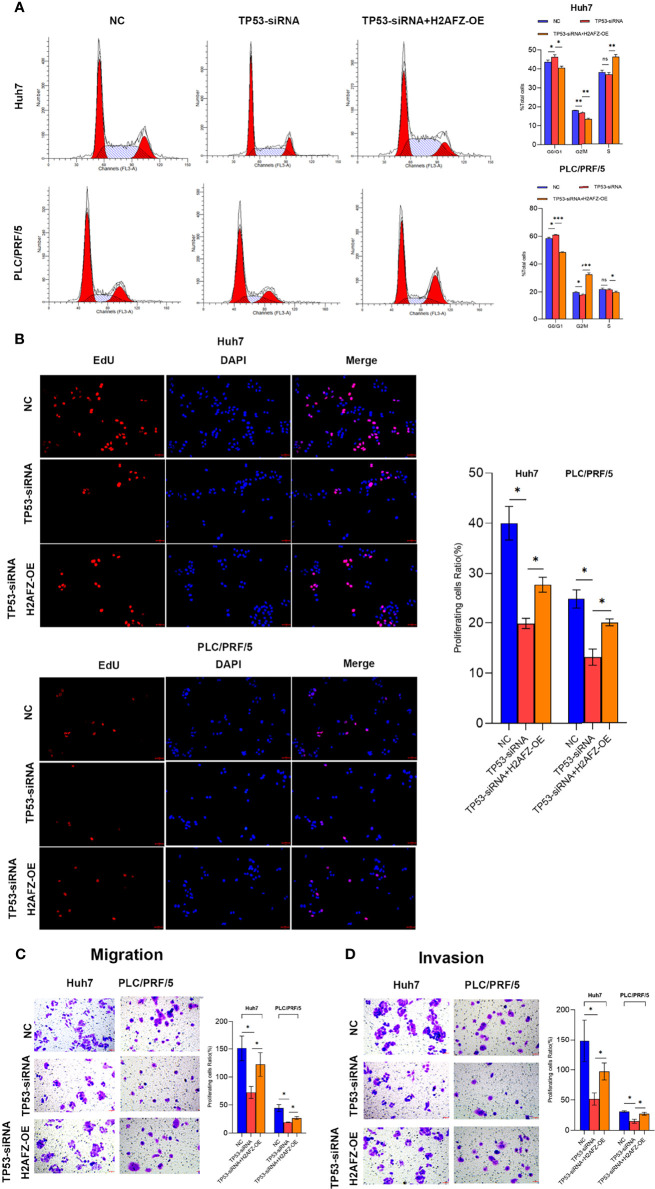
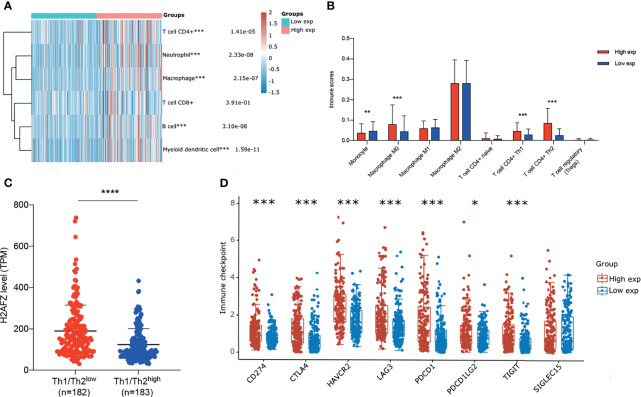
H2A family member Z (H2AFZ) is a highly conserved gene encoding H2A.Z.1, an isoform of histone variant H2A.Z, and is implicated in cancer. In this study, we report that overexpression of H2AFZ is associated with tumor malignancy and poor prognosis in HCC patients. Functional network analysis suggested that H2AFZ mainly regulates cell cycle signaling and DNA replication pathways involving several cancer-related kinases and transcription factor E2F1. Further studies revealed that H2AFZ overexpression is regulated by TP53 mutation and led to an attenuation of rapid proliferation phenotype and aggressive behavior in HCC cells. Moreover, we found that H2AFZ was related to immune infiltrations and was co-expressed with immune checkpoint genes, including CD274 (PD-L1), CTLA-4, HAVCR2 (TIM3), LAG3, PDCD1 (PD-1), and TIGIT (VSIG9) in HCC, indicating that H2AFZ-overexpressed HCC patients may be sensitive to immune checkpoint blockades (ICBs). Integrated analysis suggested that H2AFZ/TP53 patients had the shortest OS and PFS time, but most likely to respond to ICBs. These findings indicate that the H2AFZ possesses potential value as a novel prognostic indicator for HCC patients and is correlated with immune infiltration in HCC, laying a foundation for future study of HCC investigation and intervention.
H2A家族成员Z(H2AFZ)是一个高度保守的基因,编码组蛋白变体H2A.Z的一种亚型H2A.Z.1,与癌症相关。在本研究中,我们报告H2AFZ的过表达与肝癌患者的肿瘤恶性程度及不良预后相关。功能网络分析表明,H2AFZ主要调节涉及多种癌症相关激酶和转录因子E2F1的细胞周期信号传导和DNA复制途径。进一步研究显示,H2AFZ的过表达受TP53突变调控,并导致肝癌细胞快速增殖表型和侵袭性行为减弱。此外,我们发现H2AFZ与免疫浸润相关,且在肝癌中与免疫检查点基因共表达,包括CD274(PD-L1)、CTLA-4、HAVCR2(TIM3)、LAG3、PDCD1(PD-1)和TIGIT(VSIG9),这表明H2AFZ过表达的肝癌患者可能对免疫检查点阻断(ICB)敏感。综合分析表明,H2AFZ/TP53患者的总生存期和无进展生存期最短,但最有可能对ICB产生反应。这些发现表明,H2AFZ作为肝癌患者的一种新型预后指标具有潜在价值,且与肝癌中的免疫浸润相关,为未来肝癌研究和干预奠定了基础。