Department of Pediatrics, Child Health Research Center, University of Virginia School of Medicine, Charlottesville, Virginia, USA.
Division of Clinical Nephrology and Rheumatology, Kidney Research Center, Niigata University Graduate School of Medical and Dental Sciences, Niigata, Niigata, Japan.
JCI Insight. 2021 Dec 22;6(24):e154337. doi: 10.1172/jci.insight.154337.
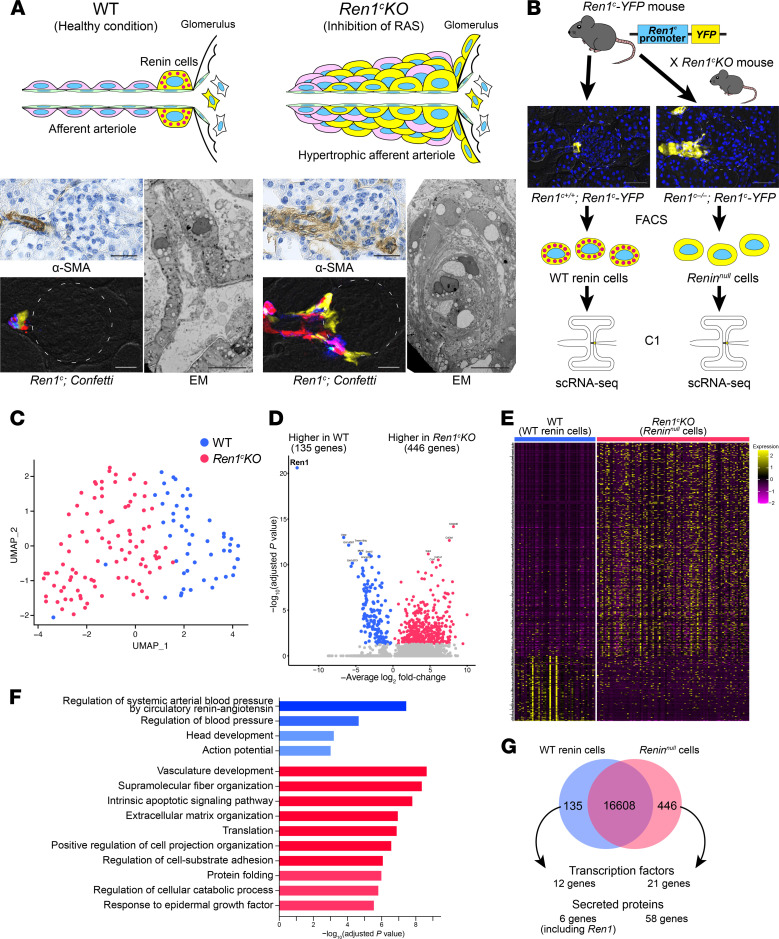
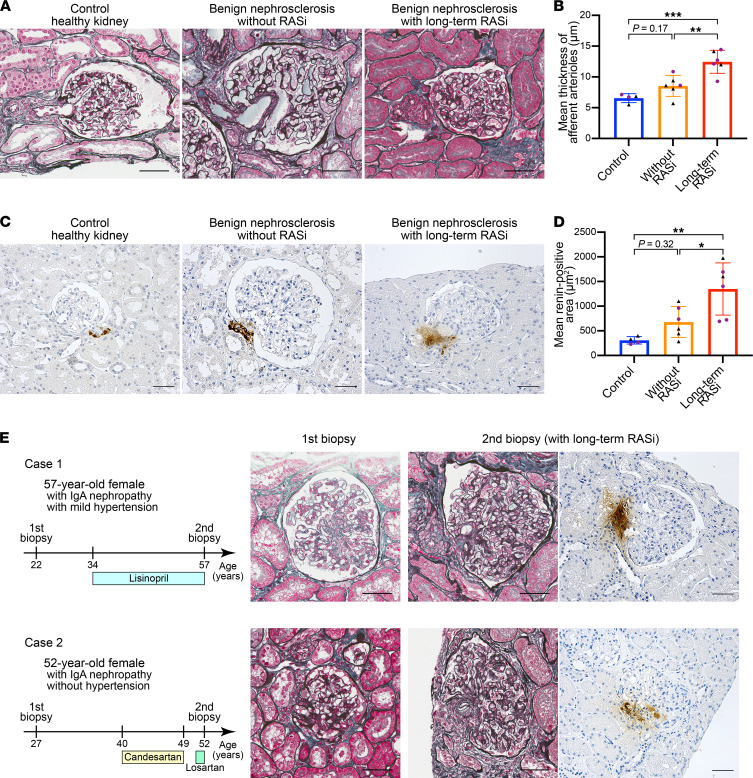
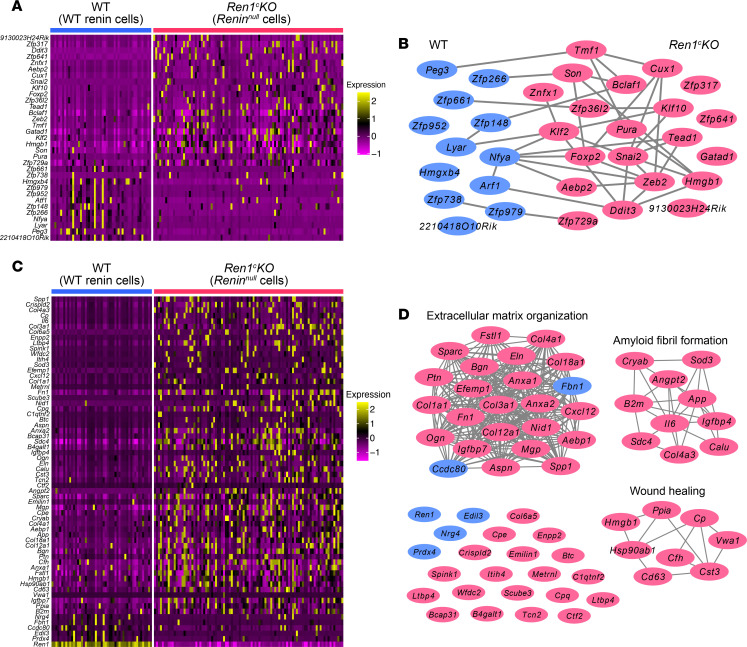
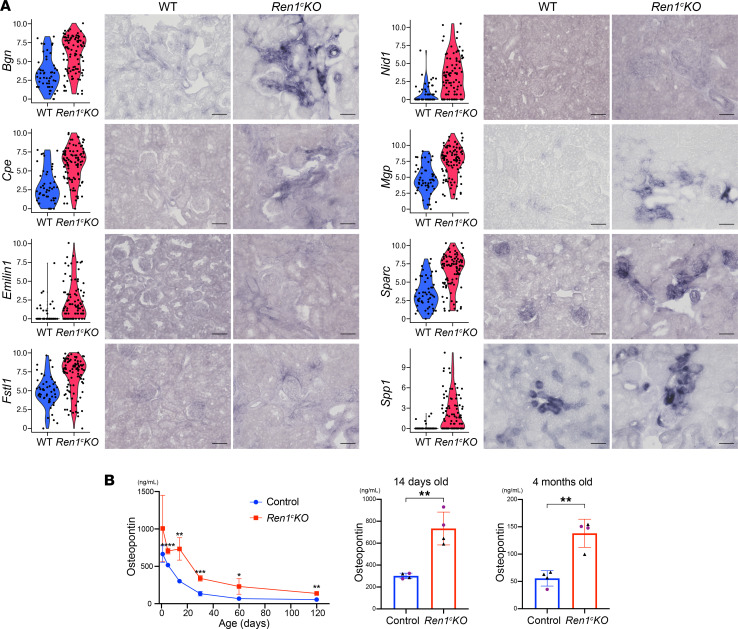
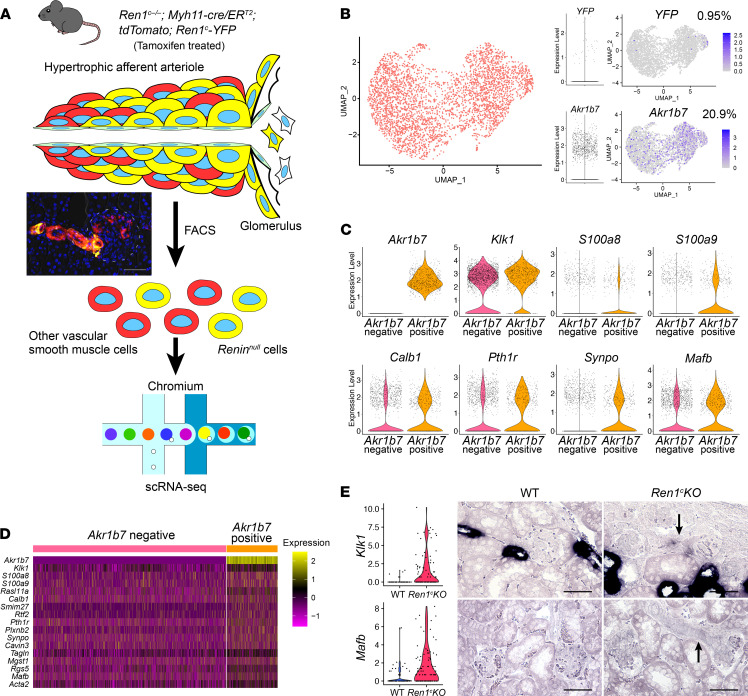
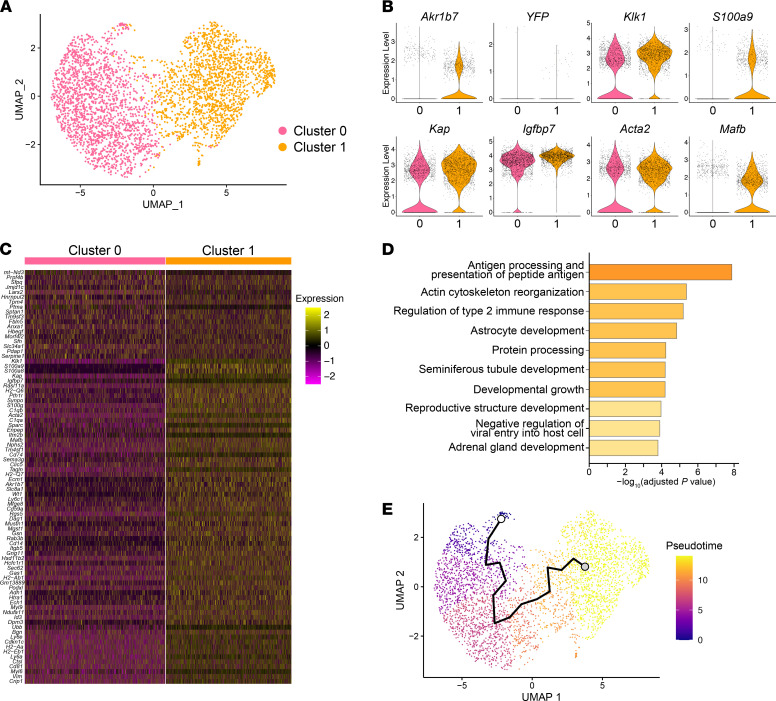
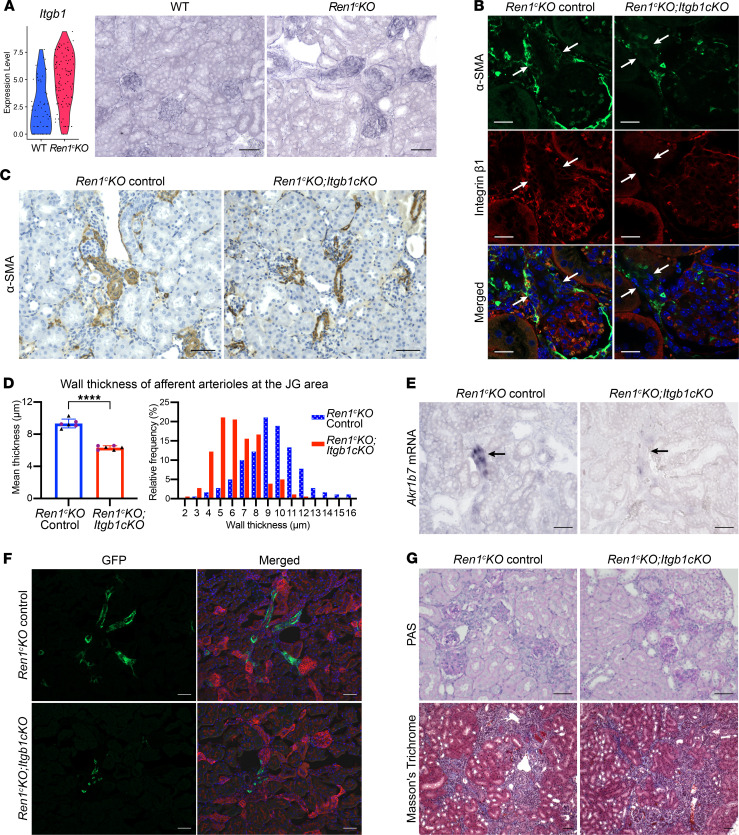
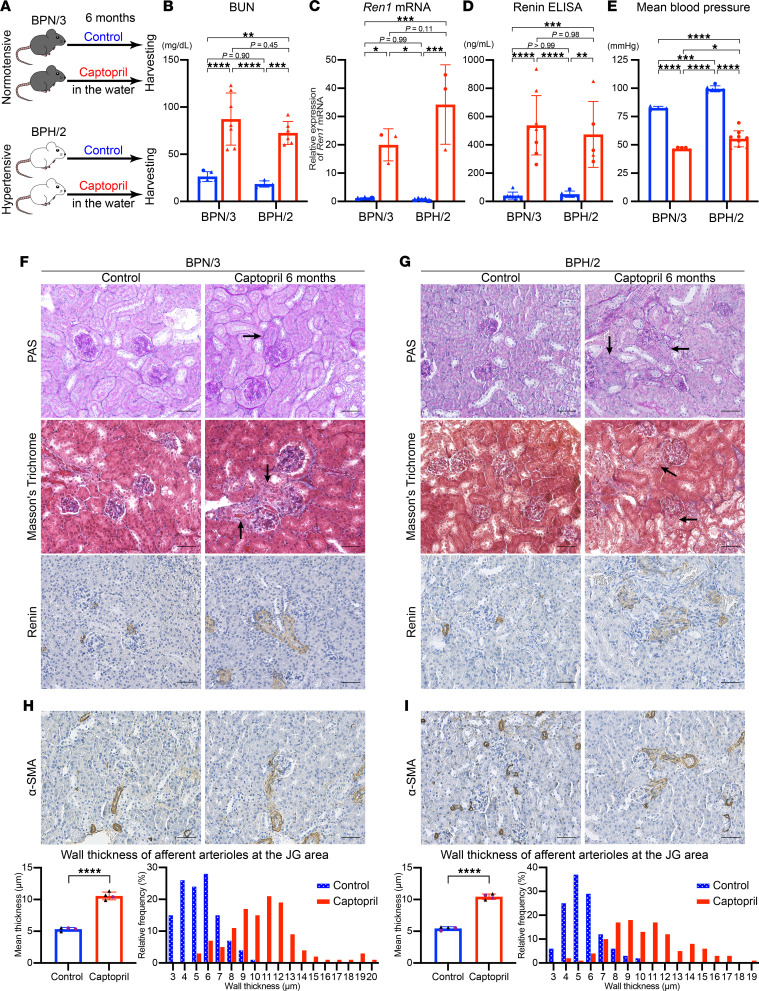
Inhibitors of the renin-angiotensin system (RAS) are widely used to treat hypertension. Using mice harboring fluorescent cell lineage tracers, single-cell RNA-Seq, and long-term inhibition of RAS in both mice and humans, we found that deletion of renin or inhibition of the RAS leads to concentric thickening of the intrarenal arteries and arterioles. This severe disease was caused by the multiclonal expansion and transformation of renin cells from a classical endocrine phenotype to a matrix-secretory phenotype: the cells surrounded the vessel walls and induced the accumulation of adjacent smooth muscle cells and extracellular matrix, resulting in blood flow obstruction, focal ischemia, and fibrosis. Ablation of the renin cells via conditional deletion of β1 integrin prevented arteriolar hypertrophy, indicating that renin cells are responsible for vascular disease. Given these findings, prospective morphological studies in humans are necessary to determine the extent of renal vascular damage caused by the widespread use of inhibitors of the RAS.
肾素-血管紧张素系统(RAS)抑制剂被广泛用于治疗高血压。通过使用携带荧光细胞谱系示踪剂的小鼠、单细胞 RNA-Seq 技术以及在小鼠和人类中对 RAS 的长期抑制,我们发现肾素的缺失或 RAS 的抑制会导致肾内动脉和小动脉的同心性增厚。这种严重的疾病是由肾素细胞从经典的内分泌表型向基质分泌表型的多克隆扩张和转化引起的:细胞环绕血管壁,并诱导相邻平滑肌细胞和细胞外基质的积累,导致血流阻塞、局灶性缺血和纤维化。通过条件性删除β1 整合素来消融肾素细胞可防止小动脉肥大,表明肾素细胞是血管疾病的罪魁祸首。鉴于这些发现,有必要在人类中进行前瞻性形态学研究,以确定广泛使用 RAS 抑制剂所导致的肾脏血管损伤的程度。