Lymphatic, Adipose and Regenerative Medicine Laboratory, O'Brien Institute Department, St Vincent's Institute of Medical Research, Fitzroy, VIC, 3065, Australia.
Department of Medicine, St Vincent's Hospital, University of Melbourne, Fitzroy, VIC, 3065, Australia.
Int J Obes (Lond). 2022 Mar;46(3):502-514. doi: 10.1038/s41366-021-01002-1. Epub 2021 Nov 11.
Lipedema, a poorly understood chronic disease of adipose hyper-deposition, is often mistaken for obesity and causes significant impairment to mobility and quality-of-life. To identify molecular mechanisms underpinning lipedema, we employed comprehensive omics-based comparative analyses of whole tissue, adipocyte precursors (adipose-derived stem cells (ADSCs)), and adipocytes from patients with or without lipedema.
We compared whole-tissues, ADSCs, and adipocytes from body mass index-matched lipedema (n = 14) and unaffected (n = 10) patients using comprehensive global lipidomic and metabolomic analyses, transcriptional profiling, and functional assays.
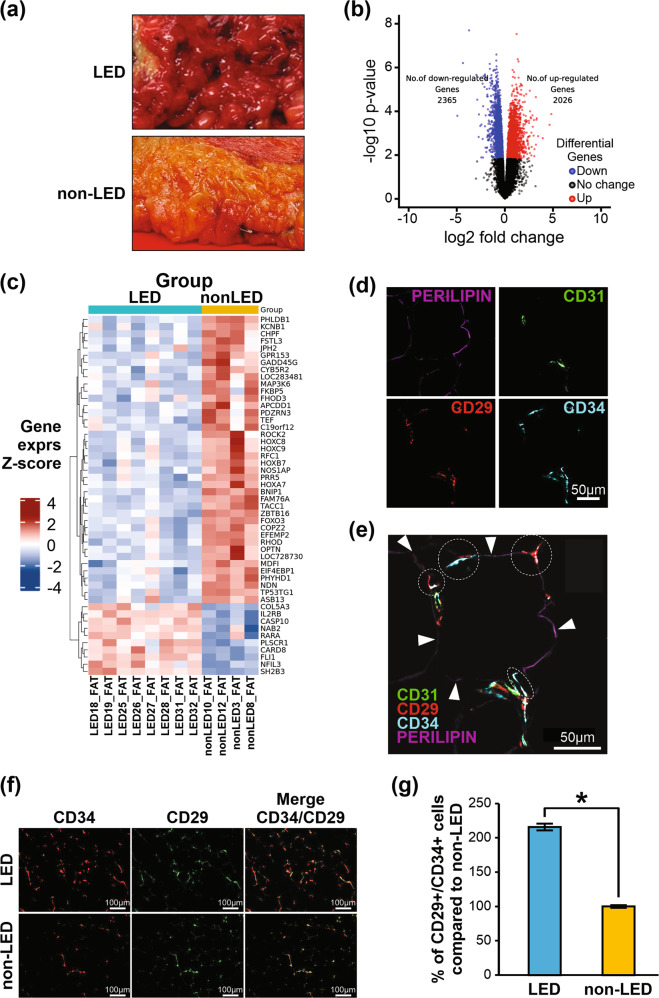
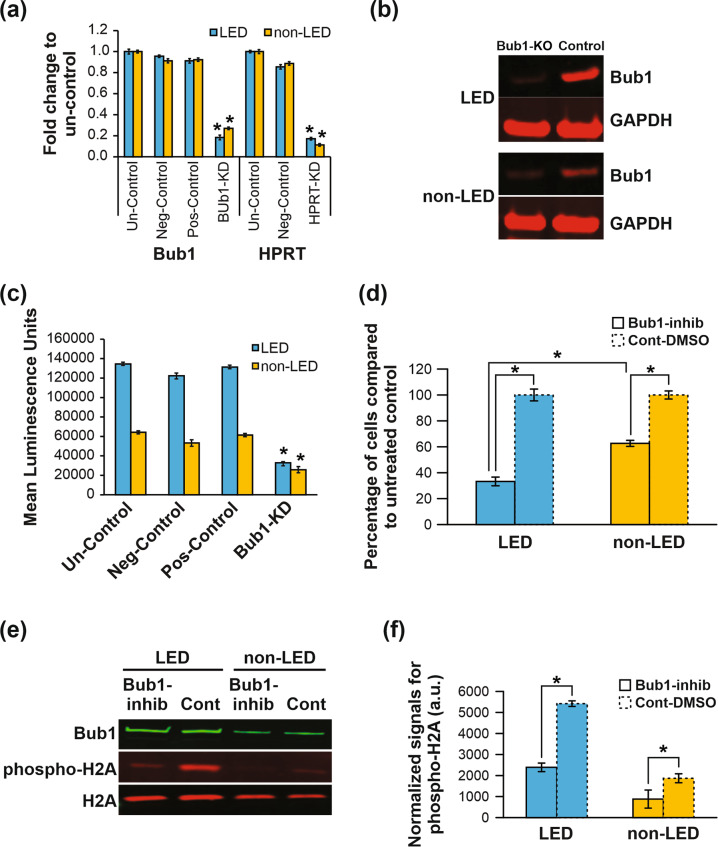
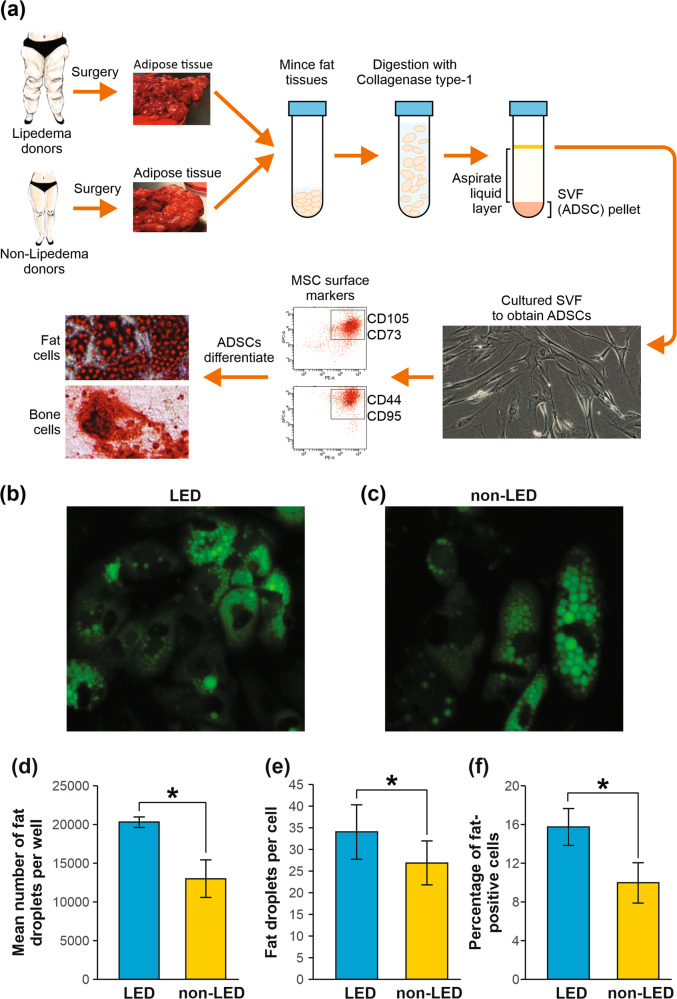
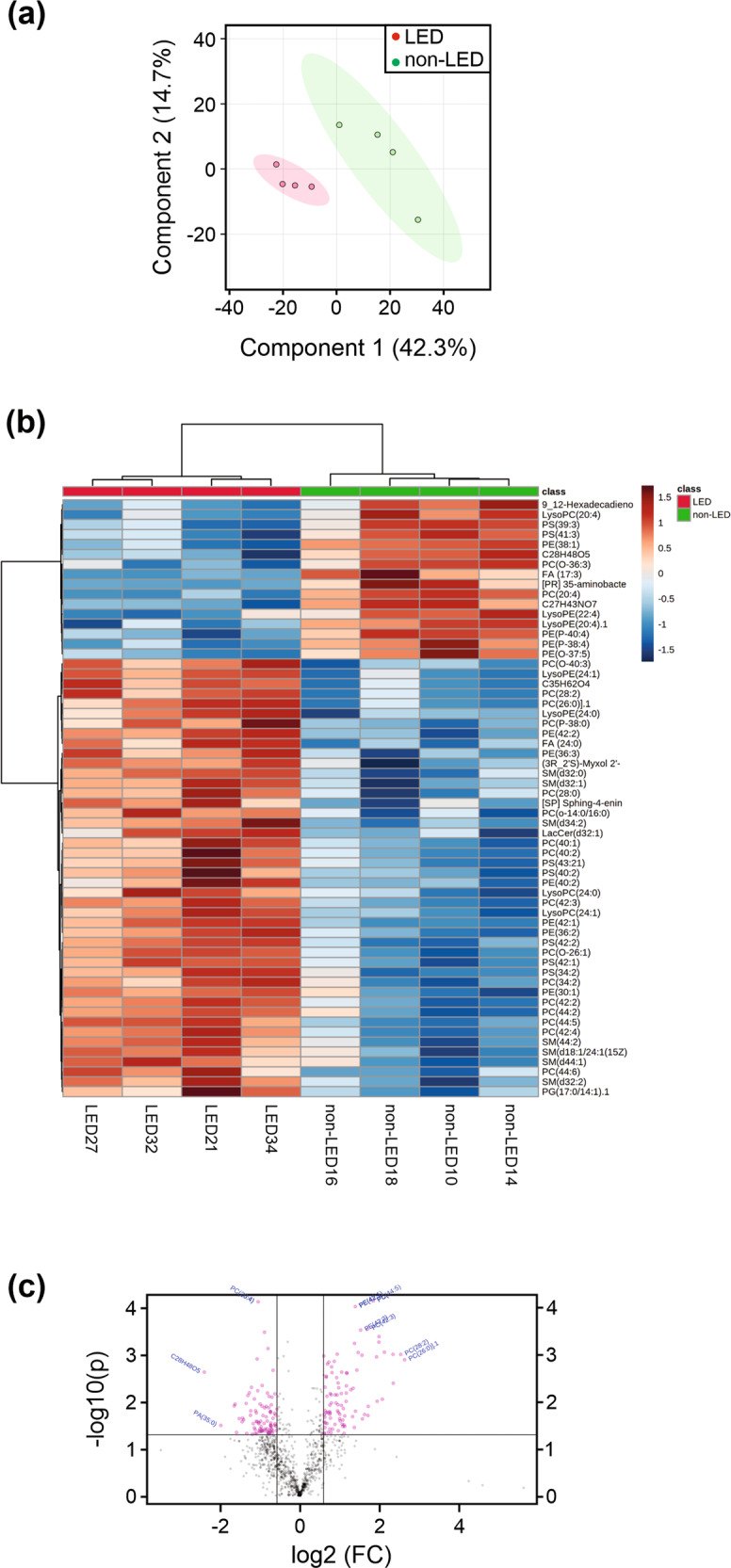
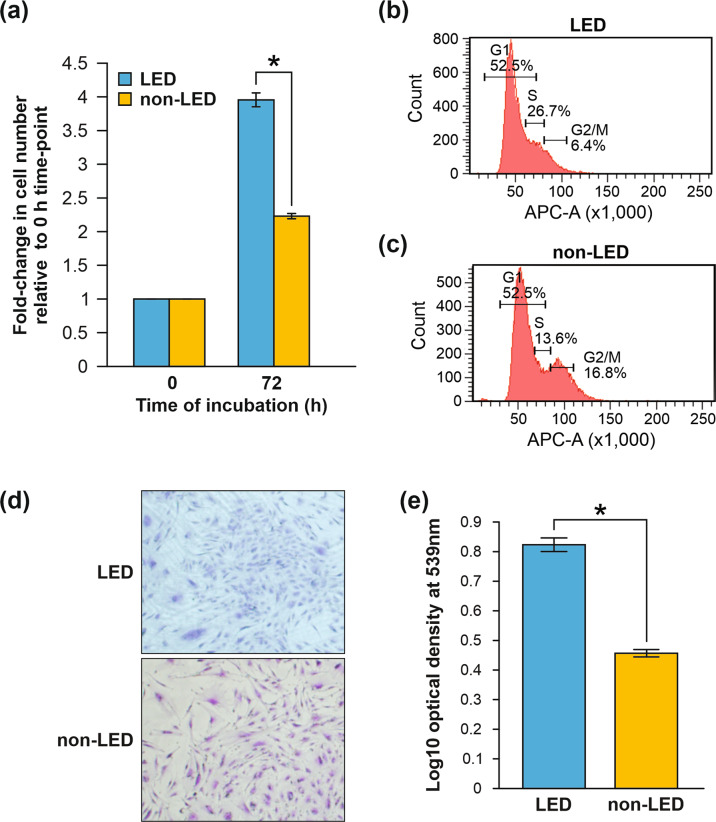
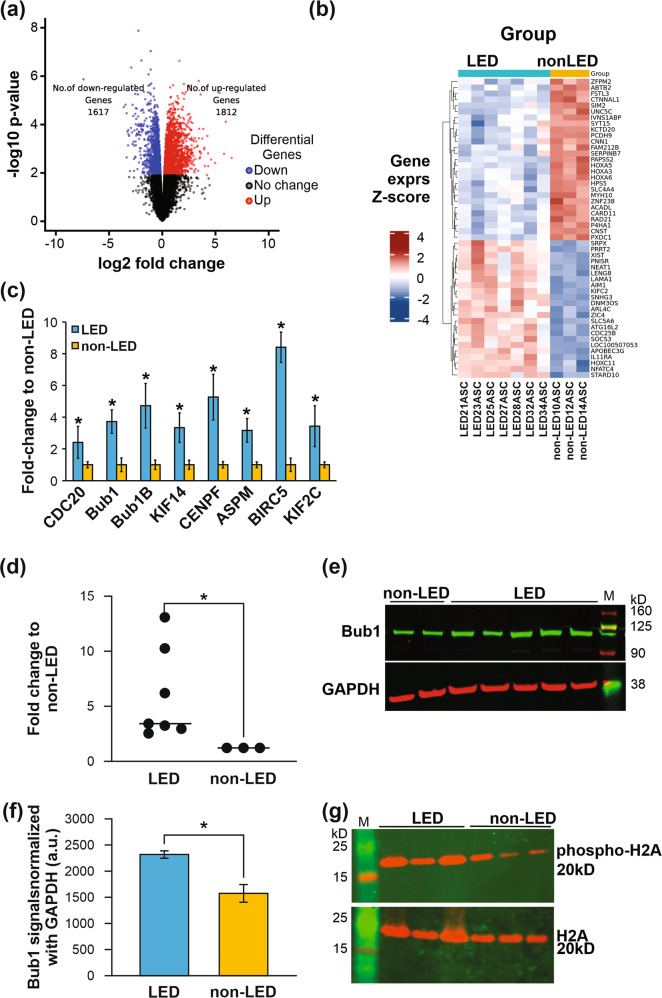
Transcriptional profiling revealed >4400 significant differences in lipedema tissue, with altered levels of mRNAs involved in critical signaling and cell function-regulating pathways (e.g., lipid metabolism and cell-cycle/proliferation). Functional assays showed accelerated ADSC proliferation and differentiation in lipedema. Profiling lipedema adipocytes revealed >900 changes in lipid composition and >600 differentially altered metabolites. Transcriptional profiling of lipedema ADSCs and non-lipedema ADSCs revealed significant differential expression of >3400 genes including some involved in extracellular matrix and cell-cycle/proliferation signaling pathways. One upregulated gene in lipedema ADSCs, Bub1, encodes a cell-cycle regulator, central to the kinetochore complex, which regulates several histone proteins involved in cell proliferation. Downstream signaling analysis of lipedema ADSCs demonstrated enhanced activation of histone H2A, a key cell proliferation driver and Bub1 target. Critically, hyperproliferation exhibited by lipedema ADSCs was inhibited by the small molecule Bub1 inhibitor 2OH-BNPP1 and by CRISPR/Cas9-mediated Bub1 gene depletion.
We found significant differences in gene expression, and lipid and metabolite profiles, in tissue, ADSCs, and adipocytes from lipedema patients compared to non-affected controls. Functional assays demonstrated that dysregulated Bub1 signaling drives increased proliferation of lipedema ADSCs, suggesting a potential mechanism for enhanced adipogenesis in lipedema. Importantly, our characterization of signaling networks driving lipedema identifies potential molecular targets, including Bub1, for novel lipedema therapeutics.
脂肪分布过度的脂膜炎是一种尚未完全阐明的慢性疾病,常被误诊为肥胖症,导致活动能力和生活质量显著受损。为了确定脂膜炎的潜在分子机制,我们对来自脂膜炎(n=14)和无脂膜炎(n=10)患者的全组织、脂肪前体细胞(脂肪来源干细胞[ADSCs])和脂肪细胞进行了基于全面组学的比较分析。
我们使用全面的全局脂质组学和代谢组学分析、转录谱分析和功能测定,比较了体重指数匹配的脂膜炎和无脂膜炎患者的全组织、ADSCs 和脂肪细胞。
转录谱分析显示,脂膜炎组织中存在 >4400 个显著差异,涉及关键信号和细胞功能调节途径(如脂质代谢和细胞周期/增殖)的 mRNA 水平发生改变。功能测定显示脂膜炎 ADSC 增殖和分化加速。脂膜炎脂肪细胞的分析显示脂质组成有 >900 个变化,代谢物有 >600 个差异。脂膜炎 ADSC 和非脂膜炎 ADSC 的转录谱分析显示,超过 3400 个基因的表达存在显著差异,其中一些基因参与细胞外基质和细胞周期/增殖信号通路。脂膜炎 ADSC 中上调的一个基因 Bub1 编码细胞周期调节剂,是动粒复合物的核心,它调节几个参与细胞增殖的组蛋白蛋白。脂膜炎 ADSC 的下游信号分析显示,组蛋白 H2A 的激活增强,组蛋白 H2A 是细胞增殖的关键驱动因素和 Bub1 的靶点。关键的是,脂膜炎 ADSC 的过度增殖可被小分子 Bub1 抑制剂 2OH-BNPP1 和 CRISPR/Cas9 介导的 Bub1 基因耗竭抑制。
与非脂膜炎对照相比,我们在来自脂膜炎患者的组织、ADSCs 和脂肪细胞中发现了基因表达、脂质和代谢物谱的显著差异。功能测定表明,失调的 Bub1 信号驱动脂膜炎 ADSC 的过度增殖,提示脂膜炎中增强的脂肪生成可能存在潜在机制。重要的是,我们对驱动脂膜炎的信号网络的表征确定了潜在的分子靶点,包括 Bub1,为新型脂膜炎治疗提供了可能。