Greis Ari, Larsen Eric, Liu Conan, Renslo Bryan, Radakrishnan Anjithaa, Wilson-Poe Adrianne R
Department of Physical Medicine and Rehabilitation, Rothman Orthopedic Institute at Thomas Jefferson University, Philadelphia, Pennsylvania, USA.
Sidney Kimmel Medical College at Thomas Jefferson University, Philadelphia, Pennsylvania, USA.
Cannabis Cannabinoid Res. 2022 Dec;7(6):865-875. doi: 10.1089/can.2021.0088. Epub 2021 Nov 12.
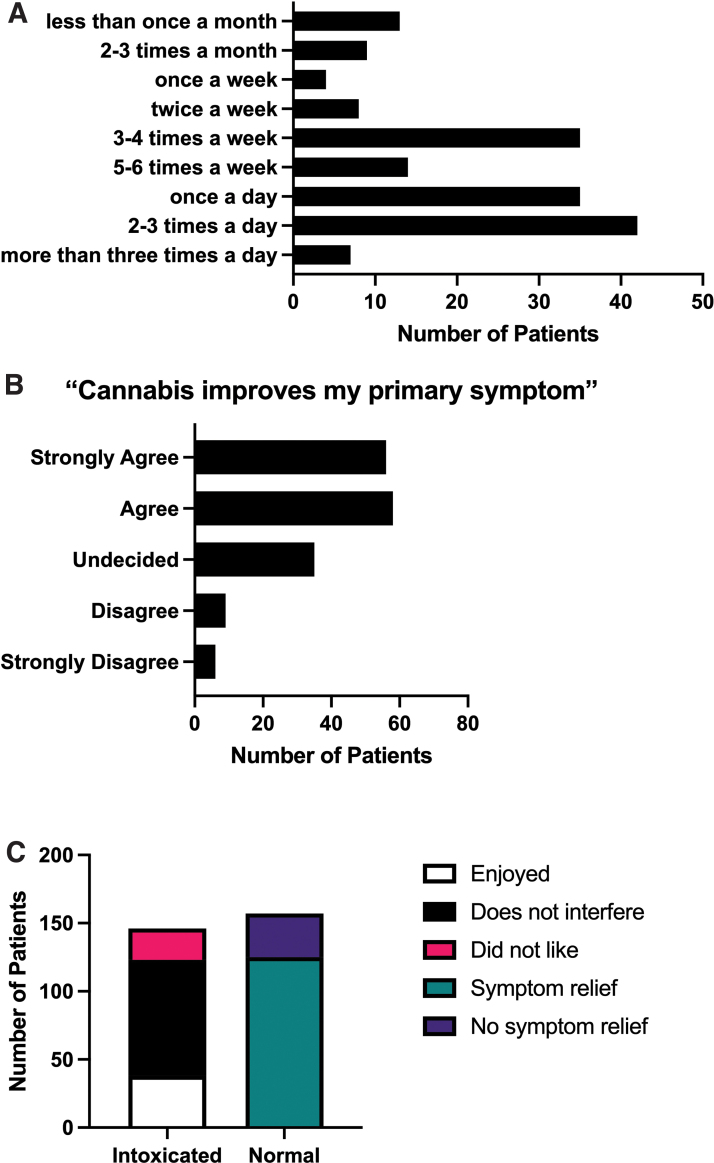
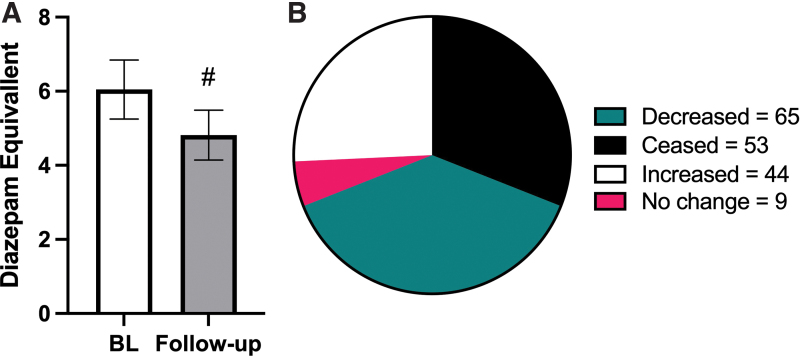
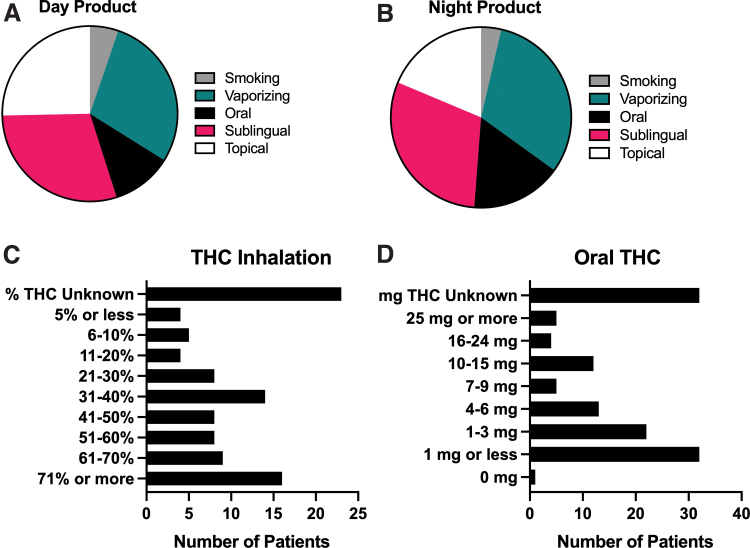
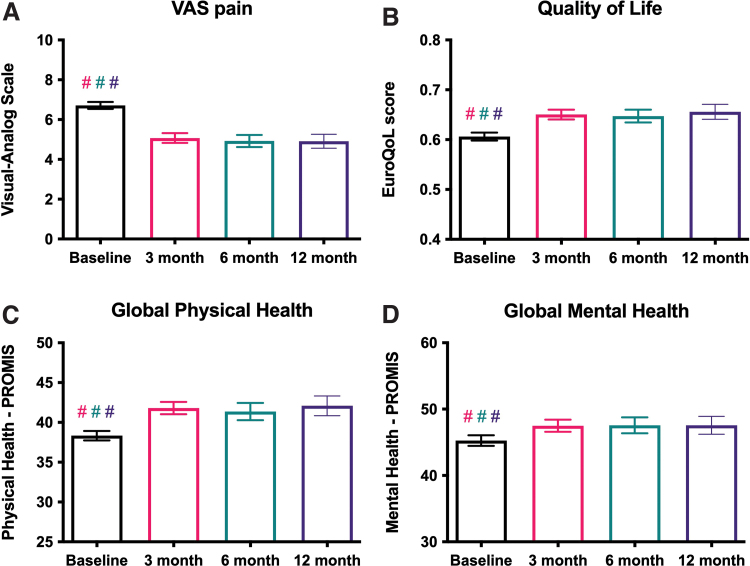
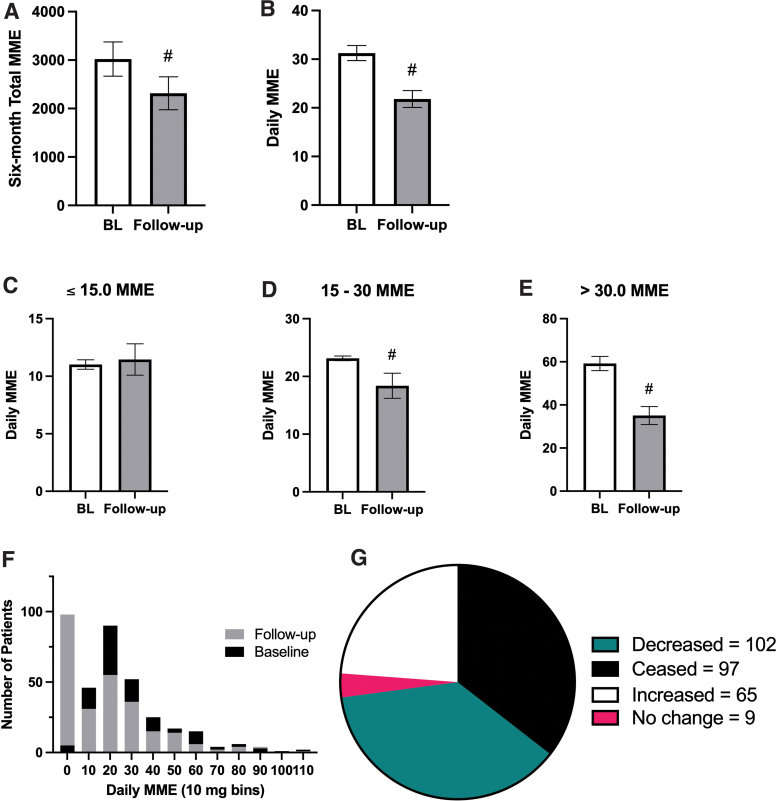
Although cannabis is widely used for the treatment of chronic pain, most research relies on patient self-report and few studies have objectively quantified its efficacy and side effects. Extant inventories for measuring cannabis use were not designed to capture the medically relevant features of cannabis use, but rather were designed to detect problematic use or cannabis use disorder. Thus, we sought to capture the medically relevant features of cannabis use in a population of patients with orthopedic pain and pair these data with objective measures of pain and prescription drug use. In this prospective observational study, orthopedic pain patients were enrolled in Pennsylvania's medical cannabis program by their treating pain management physician, received cannabis education from their physician at the time of certification, and purchased products from state-licensed cannabis retailers. Medical cannabis use was associated with clinical improvements in pain, function, and quality of life with reductions in prescription drug use; 73% either ceased or decreased opioid consumption and 31% discontinued benzodiazepines. Importantly, 52% of patients did not experience intoxication as a side effect of cannabis therapy. Significant clinical benefits of cannabis occurred within 3 months of initiating cannabis therapy and plateaued at the subsequent follow-ups. This work provides a direct relationship between the initiation of cannabis therapy and objectively fewer opioid and benzodiazepine prescriptions. Our work also identifies specific subpopulations of patients for whom cannabis may be most efficacious in reducing opioid consumption, and it highlights the importance of both physician involvement and patient self-titration in symptom management with cannabis.
尽管大麻被广泛用于治疗慢性疼痛,但大多数研究依赖患者自我报告,很少有研究客观地量化其疗效和副作用。现有的测量大麻使用情况的量表并非旨在捕捉大麻使用的医学相关特征,而是旨在检测问题使用或大麻使用障碍。因此,我们试图在一组骨科疼痛患者中捕捉大麻使用的医学相关特征,并将这些数据与疼痛和处方药使用的客观测量结果相结合。在这项前瞻性观察研究中,骨科疼痛患者由其主治疼痛管理医生纳入宾夕法尼亚州的医用大麻计划,在认证时从医生处接受大麻教育,并从该州持牌大麻零售商处购买产品。医用大麻的使用与疼痛、功能和生活质量的临床改善以及处方药使用的减少相关;73%的患者要么停止使用阿片类药物,要么减少了阿片类药物的消费量,31%的患者停用了苯二氮䓬类药物。重要的是,52%的患者没有将中毒作为大麻治疗的副作用。大麻治疗的显著临床益处发生在开始大麻治疗后的3个月内,并在随后的随访中趋于平稳。这项工作提供了大麻治疗的开始与客观上阿片类药物和苯二氮䓬类药物处方减少之间的直接关系。我们的工作还确定了大麻在减少阿片类药物消费方面可能最有效的特定患者亚群,并强调了医生参与和患者自我滴定在大麻症状管理中的重要性。