Department of Pharmacy, Faculty of Science, National University of Singapore, 18 Science Drive 4, Singapore 117559, Singapore.
Int J Mol Sci. 2021 Oct 29;22(21):11777. doi: 10.3390/ijms222111777.
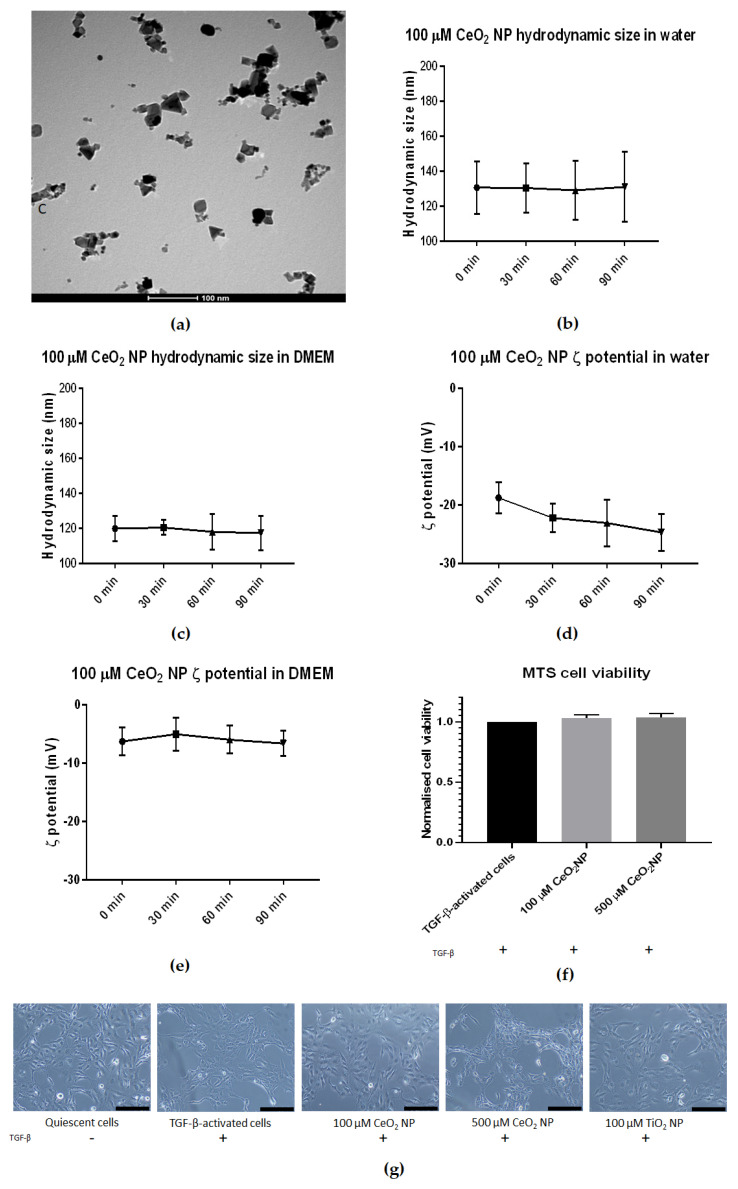
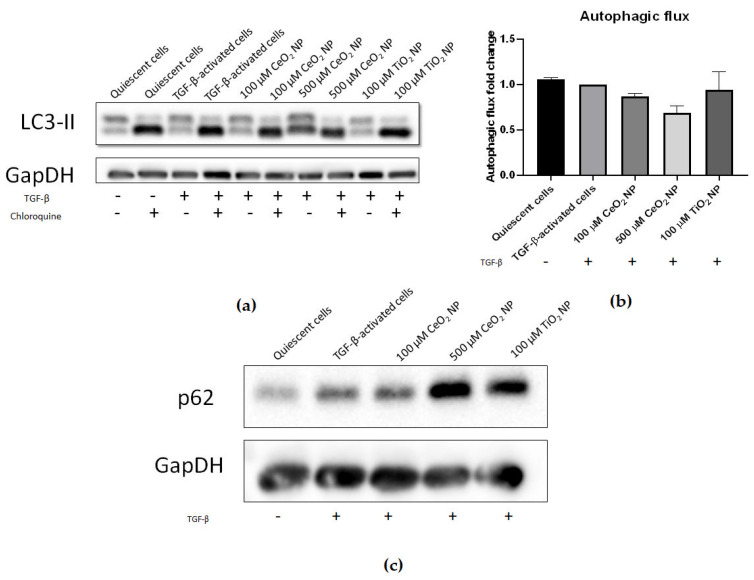
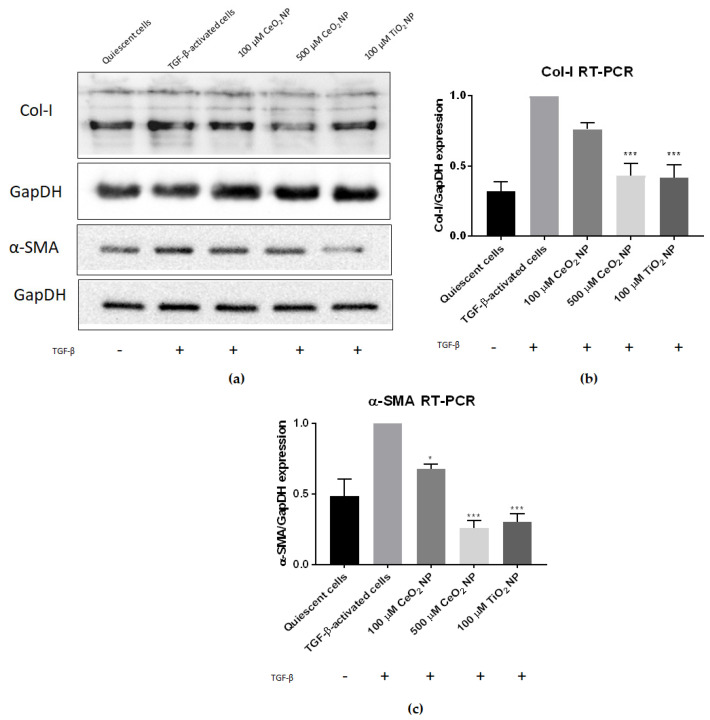
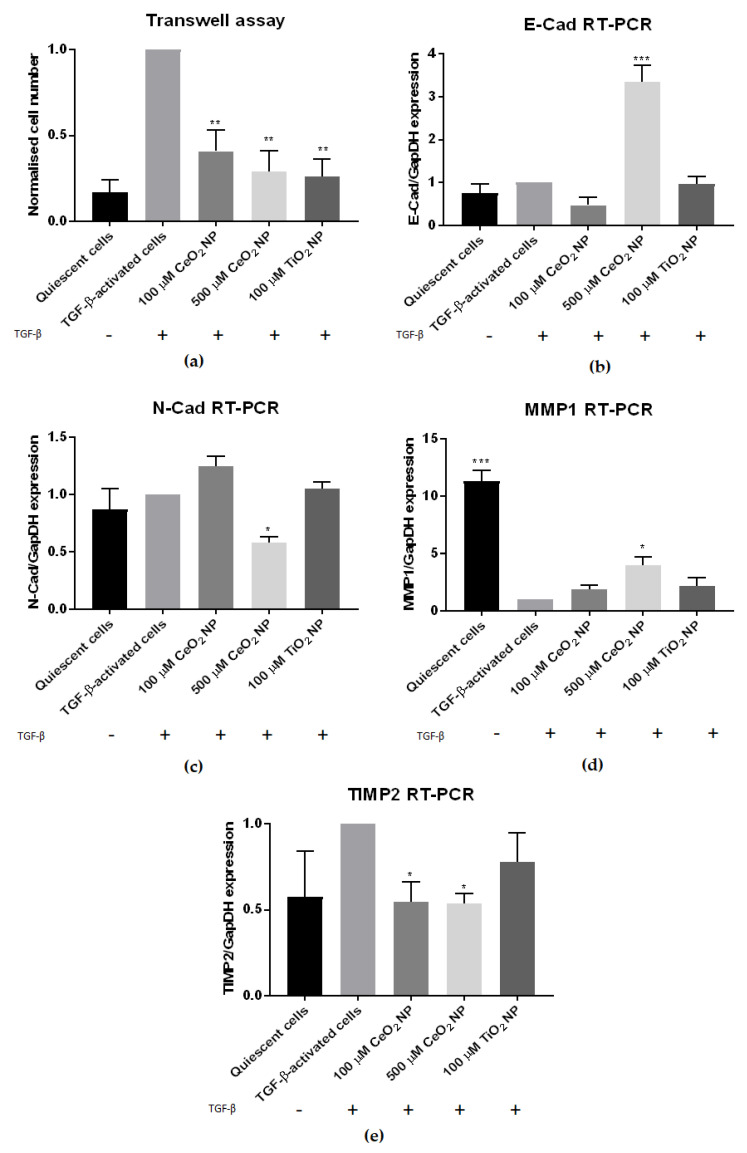
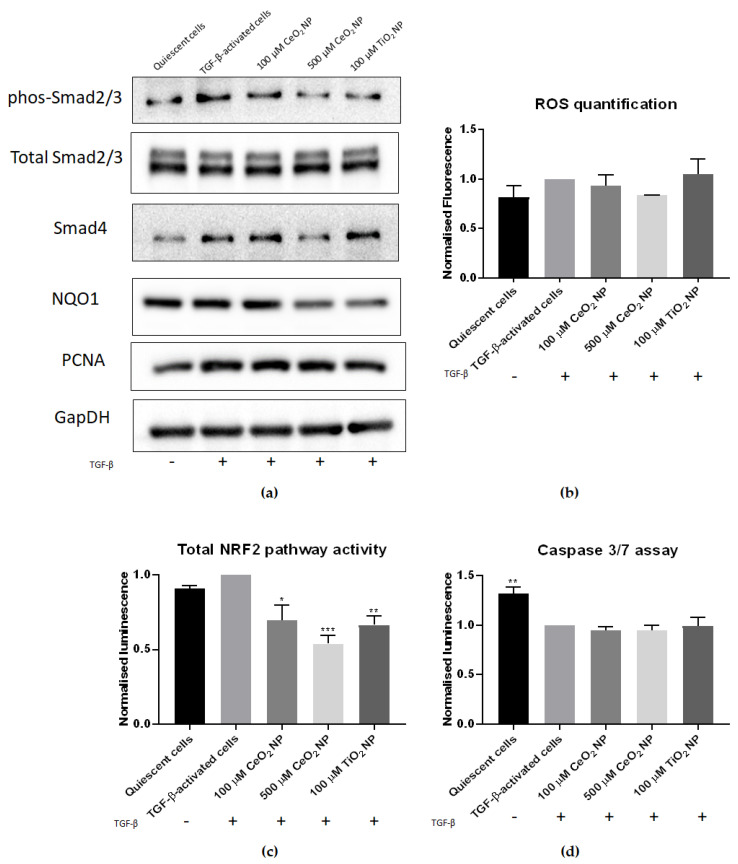
Exposure to metallic nanoparticles (NPs) can result in inadvertent NP accumulation in body tissues. While their subsequent cellular interactions can lead to unintended consequences and are generally regarded as detrimental for health, they can on occasion mediate biologically beneficial effects. Among NPs, cerium oxide nanoparticles (CeO NP) possess strong antioxidant properties and have shown to alleviate certain pathological conditions. Herein, we show that the presence of cubic 25 nm CeO NP was able to reduce TGF-β-mediated activation in the cultured hepatic stellate cell line LX2 by reducing oxidative stress levels and TGF-β-mediated signalling. These cells displayed reduced classical liver fibrosis phenotypes, such as diminished fibrogenesis, altered matrix degradation, decreased cell motility, modified contractability and potentially lowered autophagy. These findings demonstrate that CeO NP may be able to ameliorate hepatic fibrosis and suggest a possible therapeutic pathway for an otherwise difficult-to-treat condition.
金属纳米粒子(NPs)的暴露会导致它们在体内组织中的意外积累。虽然它们随后的细胞相互作用可能会导致意想不到的后果,并被普遍认为对健康有害,但它们有时也能介导有益的生物学效应。在这些纳米粒子中,氧化铈纳米粒子(CeO NP)具有很强的抗氧化特性,并已被证明可以缓解某些病理状况。在此,我们表明,立方 25nm CeO NP 的存在能够通过降低氧化应激水平和 TGF-β 介导的信号转导,减少 TGF-β 介导的培养的肝星状细胞系 LX2 的激活。这些细胞表现出减少的经典肝纤维化表型,例如减少纤维生成、改变基质降解、降低细胞迁移性、改变收缩性和可能降低自噬。这些发现表明 CeO NP 可能能够改善肝纤维化,并为一种本来难以治疗的疾病提供了一种可能的治疗途径。