Department of Surgery, Boston University School of Medicine, Boston, MA 02118, USA.
Proteomics Laboratory, VA Boston Healthcare System, Boston, MA 02130, USA.
Int J Mol Sci. 2021 Nov 1;22(21):11862. doi: 10.3390/ijms222111862.
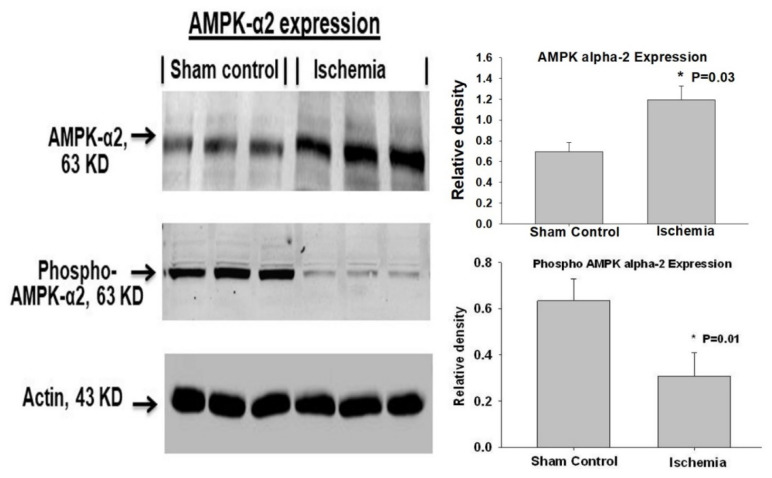
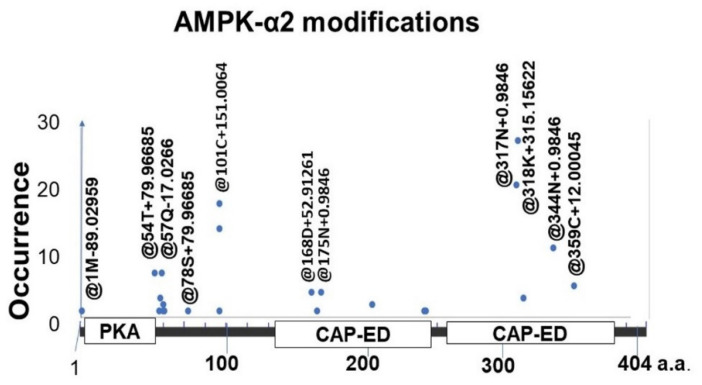
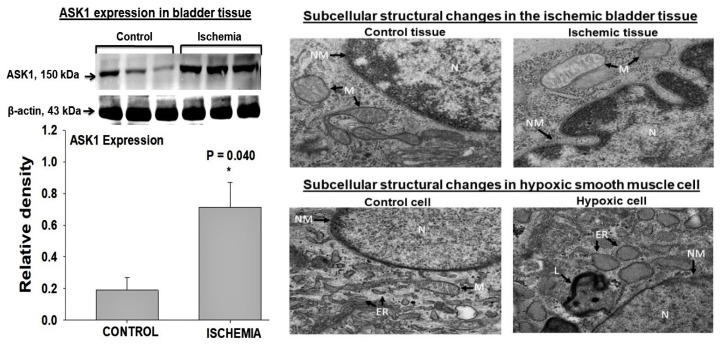
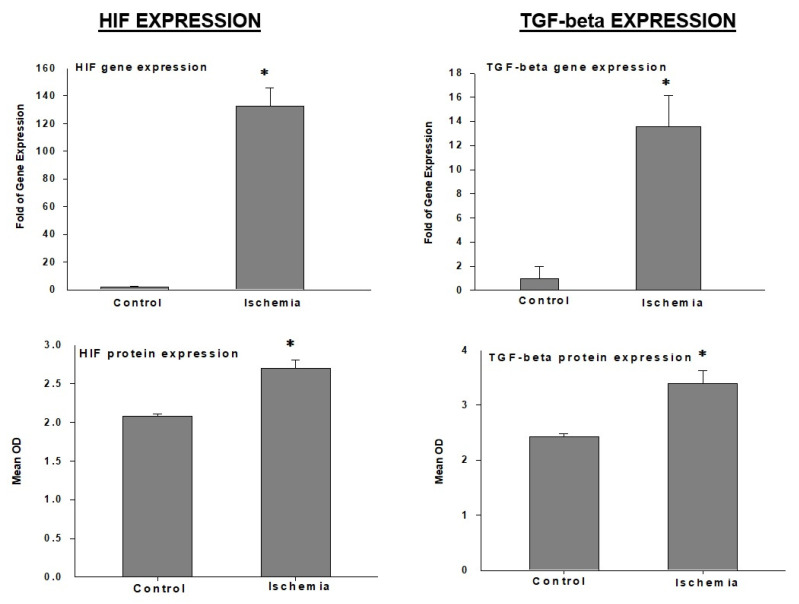
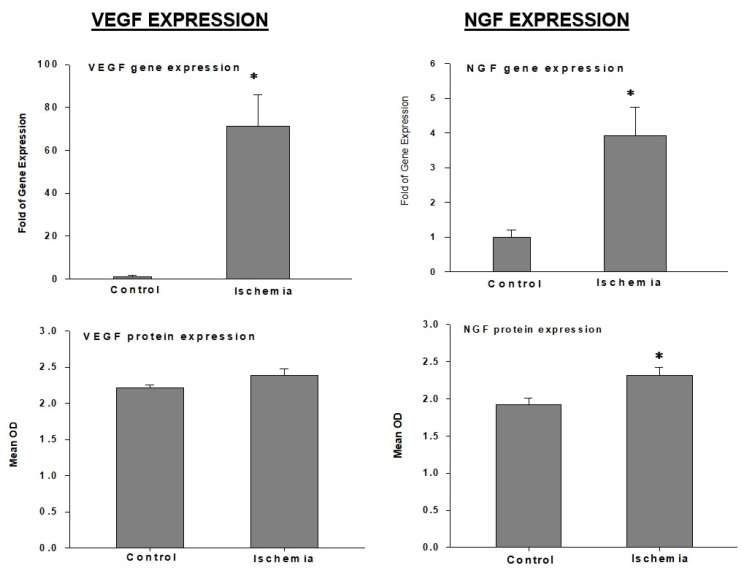
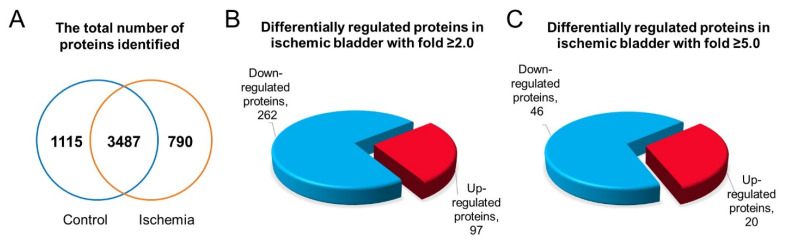
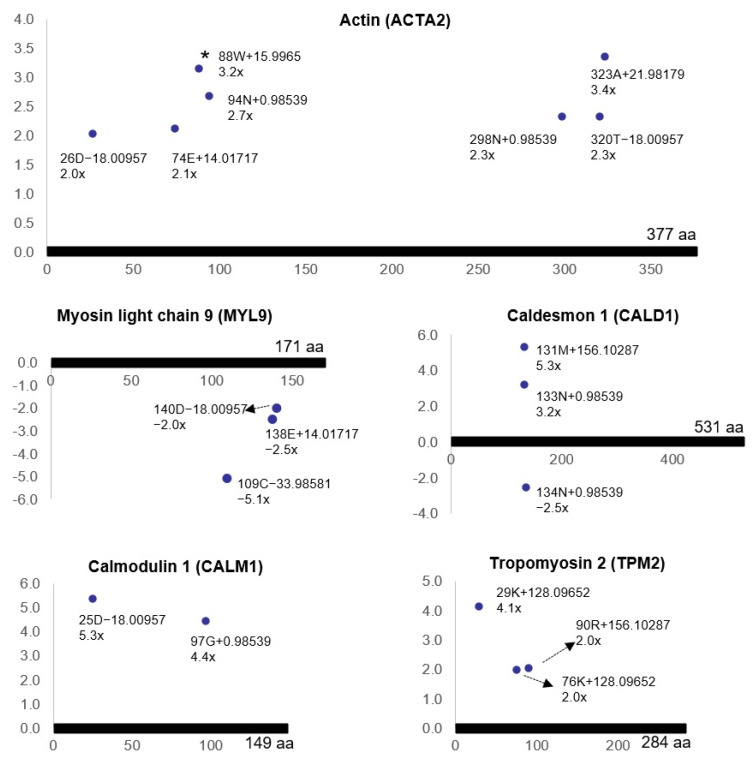
The concept of bladder ischemia as a contributing factor to detrusor overactivity and lower urinary tract symptoms (LUTS) is evolving. Bladder ischemia as a consequence of pelvic arterial atherosclerosis was first documented in experimental models and later in elderly patients with LUTS. It was shown that early-stage moderate ischemia produces detrusor overactivity, while prolonged severe ischemia provokes changes consistent with detrusor underactivity. Recent studies imply a central role of cellular energy sensors, cellular stress sensors, and stress response molecules in bladder responses to ischemia. The cellular energy sensor adenosine monophosphate-activated protein kinase was shown to play a role in detrusor overactivity and neurodegeneration in bladder ischemia. The cellular stress sensors apoptosis signal-regulating kinase 1 and caspase-3 along with heat shock proteins were characterized as important contributing factors to smooth muscle structural modifications and apoptotic responses in bladder ischemia. Downstream pathways seem to involve hypoxia-inducible factor, transforming growth factor beta, vascular endothelial growth factor, and nerve growth factor. Molecular responses to bladder ischemia were associated with differential protein expression, the accumulation of non-coded amino acids, and post-translational modifications of contractile proteins and stress response molecules. Further insight into cellular stress responses in bladder ischemia may provide novel diagnostic and therapeutic targets against LUTS.
膀胱缺血是导致逼尿肌过度活动和下尿路症状(LUTS)的一个因素,这一概念正在不断发展。最初在实验模型中观察到,随后在伴有 LUTS 的老年患者中发现,骨盆动脉粥样硬化导致的膀胱缺血。研究表明,早期中度缺血会导致逼尿肌过度活动,而长期严重缺血则会引起逼尿肌活动不足的变化。最近的研究表明,细胞能量传感器、细胞应激传感器和应激反应分子在膀胱对缺血的反应中起核心作用。细胞能量传感器 AMP 激活蛋白激酶被证明在膀胱缺血中的逼尿肌过度活动和神经退行性变中发挥作用。细胞应激传感器凋亡信号调节激酶 1 和半胱氨酸蛋白酶 3 以及热休克蛋白被认为是膀胱缺血中平滑肌结构改变和细胞凋亡反应的重要因素。下游途径似乎涉及缺氧诱导因子、转化生长因子β、血管内皮生长因子和神经生长因子。膀胱缺血的分子反应与差异蛋白表达、非编码氨基酸的积累以及收缩蛋白和应激反应分子的翻译后修饰有关。进一步深入了解膀胱缺血中的细胞应激反应可能为治疗 LUTS 提供新的诊断和治疗靶点。