
基于图像定量表征技术的碳纤维表面微观结构对复合材料界面性能的影响
Effect of Carbon Fiber Surface Microstructure on Composite Interfacial Property Based on Image Quantitative Characterization Technique.
作者信息
Xiong Shu, Zhao Yan, Song Jiupeng
机构信息
School of Materials Science and Engineering, Beihang University, Beijing 100191, China.
出版信息
Materials (Basel). 2021 Oct 25;14(21):6367. doi: 10.3390/ma14216367.
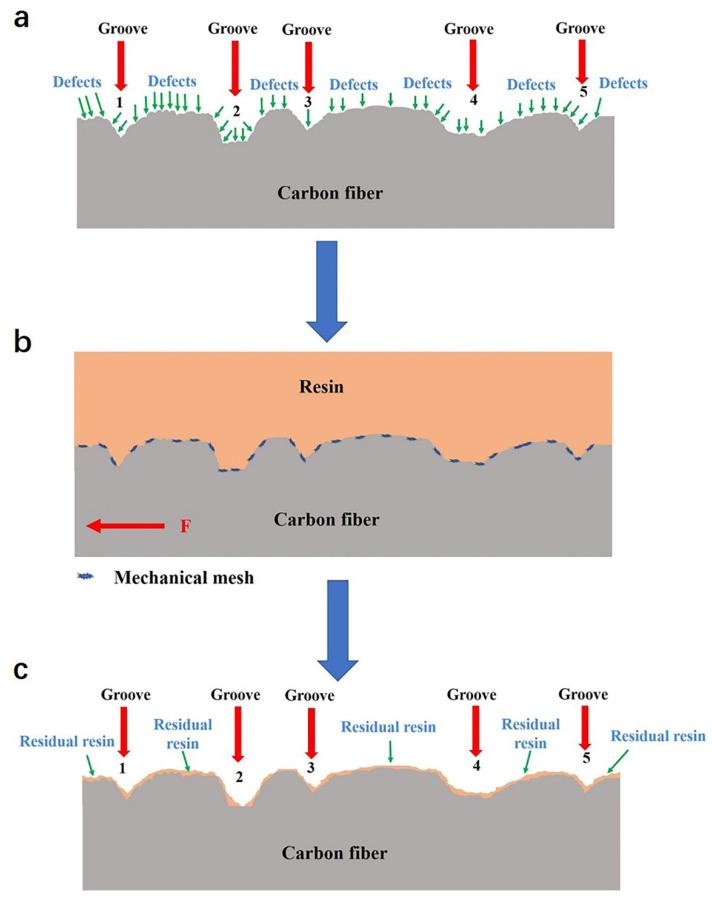
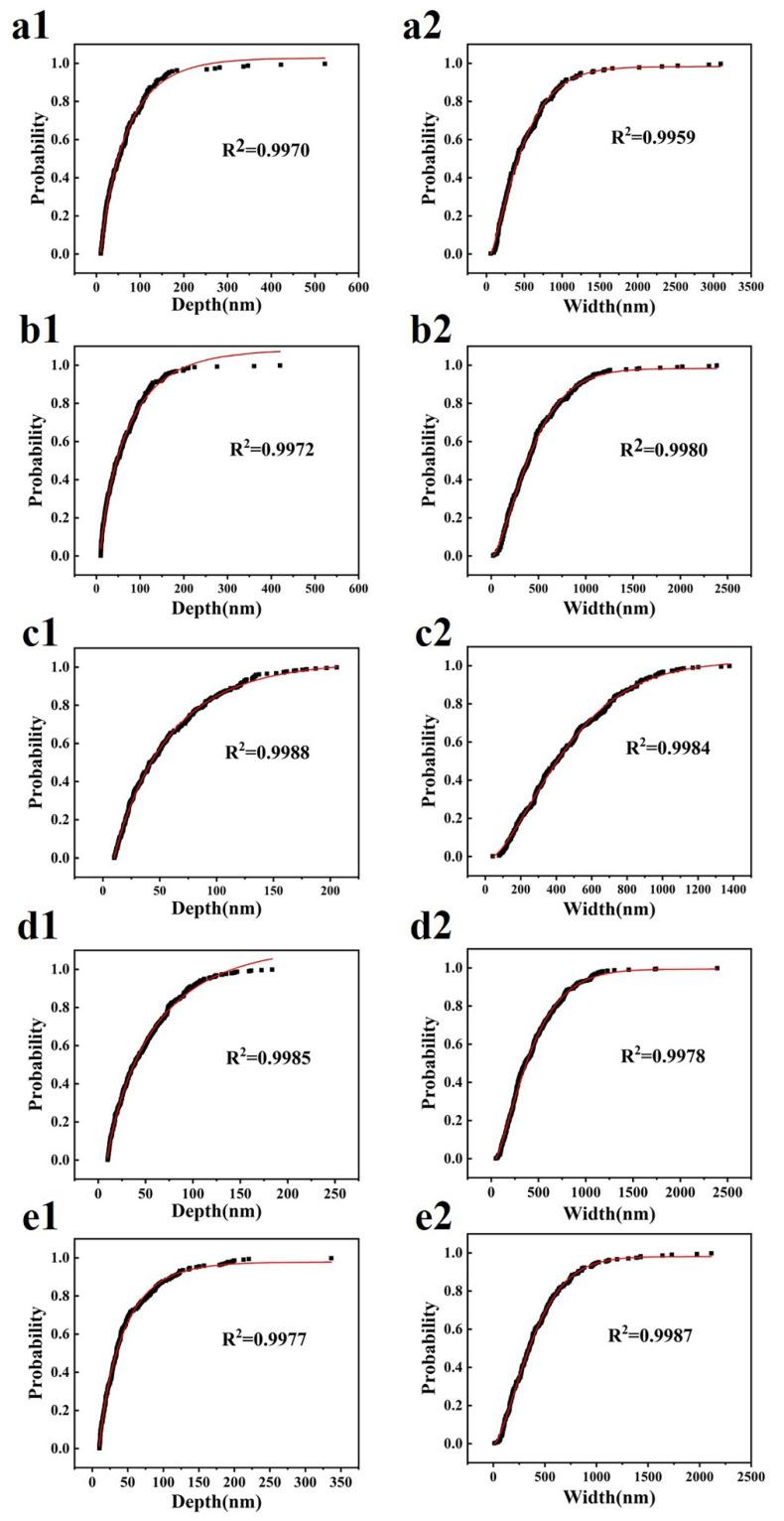
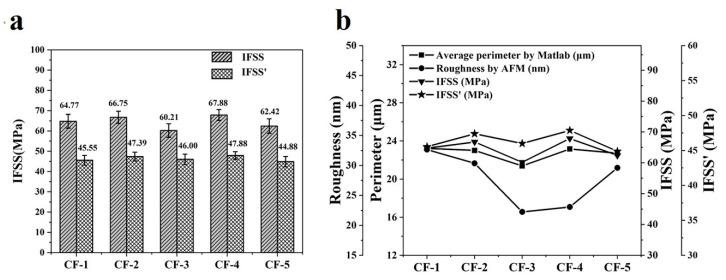
The surface roughness (Ra) and composite interfacial property of carbon fiber (CF) are considered to be mainly affected by the microstructure of the CF surface. However, quantitative characterization of the CF surface microstructure is always a difficulty. How the CF surface microstructure affects the interfacial property of CF composites is not entirely clear. A quantitative characterization technique based on images was established to calculate the cross-section perimeter and area of five types of CFs, as well as the number (N), width (W) and depth (D) of grooves on these CF surfaces. The CF composite interfacial shear strength (IFSS) was tested by the micro-droplet debonding test and modified by the realistic perimeter. The relationship between the groove structure parameter and the Ra, specific surface area and composite interfacial property was discussed in this article. The results indicated that the CF cross-section perimeter calculated by this technique showed strong consistency with the CF specific surface area and composite interfacial property. At last, the composite interface bonding mechanism based on defect capture was put forward. This mechanism can be a guiding principle for CF surface modification and help researchers better understand and establish interface bonding theories.
碳纤维(CF)的表面粗糙度(Ra)和复合材料界面性能被认为主要受CF表面微观结构的影响。然而,CF表面微观结构的定量表征一直是个难题。CF表面微观结构如何影响CF复合材料的界面性能尚不完全清楚。建立了一种基于图像的定量表征技术,用于计算五种类型CF的横截面周长和面积,以及这些CF表面上沟槽的数量(N)、宽度(W)和深度(D)。通过微滴脱粘试验测试CF复合材料界面剪切强度(IFSS),并通过实际周长进行修正。本文讨论了沟槽结构参数与Ra、比表面积和复合材料界面性能之间的关系。结果表明,通过该技术计算得到的CF横截面周长与CF比表面积和复合材料界面性能具有很强的一致性。最后,提出了基于缺陷捕获的复合材料界面结合机制。该机制可为CF表面改性提供指导原则,有助于研究人员更好地理解和建立界面结合理论。





 Zotero 插件