Department of Ultrasound, Guangxi Medical University Third Affiliated Hospital, Nanning, 530031, China.
Department of Radiology, Guangxi Medical University Third Affiliated Hospital, Nanning, 530031, China.
BMC Gastroenterol. 2021 Nov 12;21(1):427. doi: 10.1186/s12876-021-02002-1.
In rare cases, intrahepatic cholangiocarcinoma can present as a pyogenic liver abscess and are often misdiagnosed. This study aimed to analyze the imaging features of intrahepatic cholangiocarcinoma mimicking a pyogenic liver abscess.
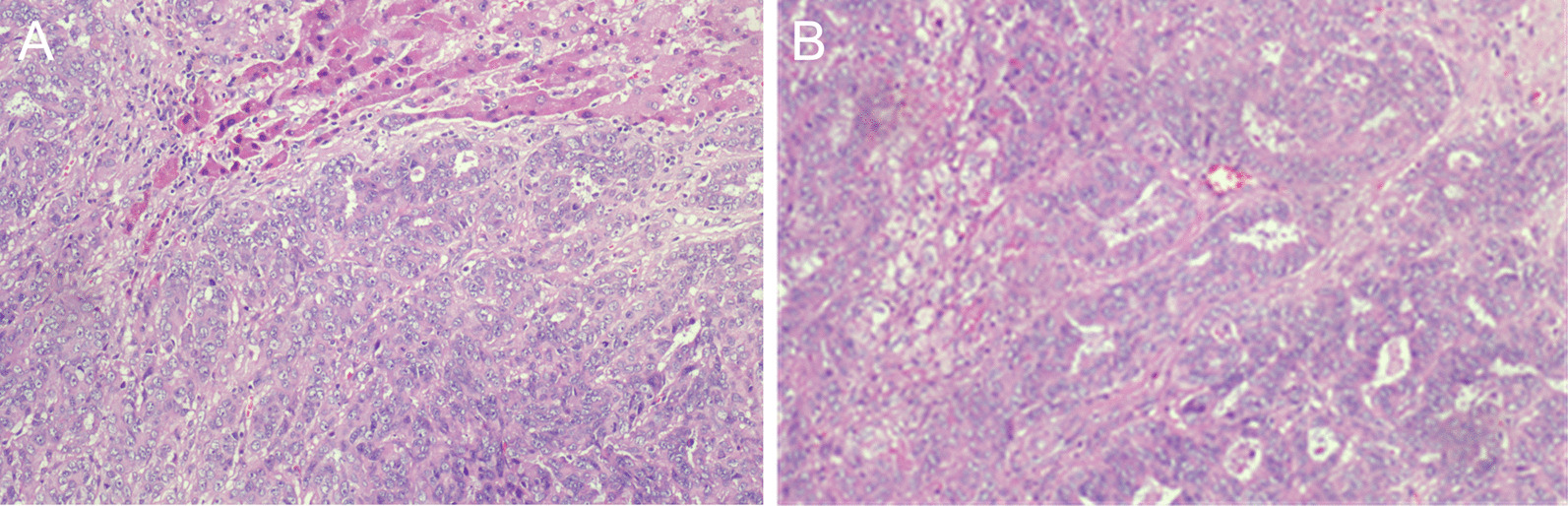
The clinical data and imaging results of eight patients with pathologically confirmed intrahepatic cholangiocarcinoma mimicking a liver abscess were retrospectively collected.
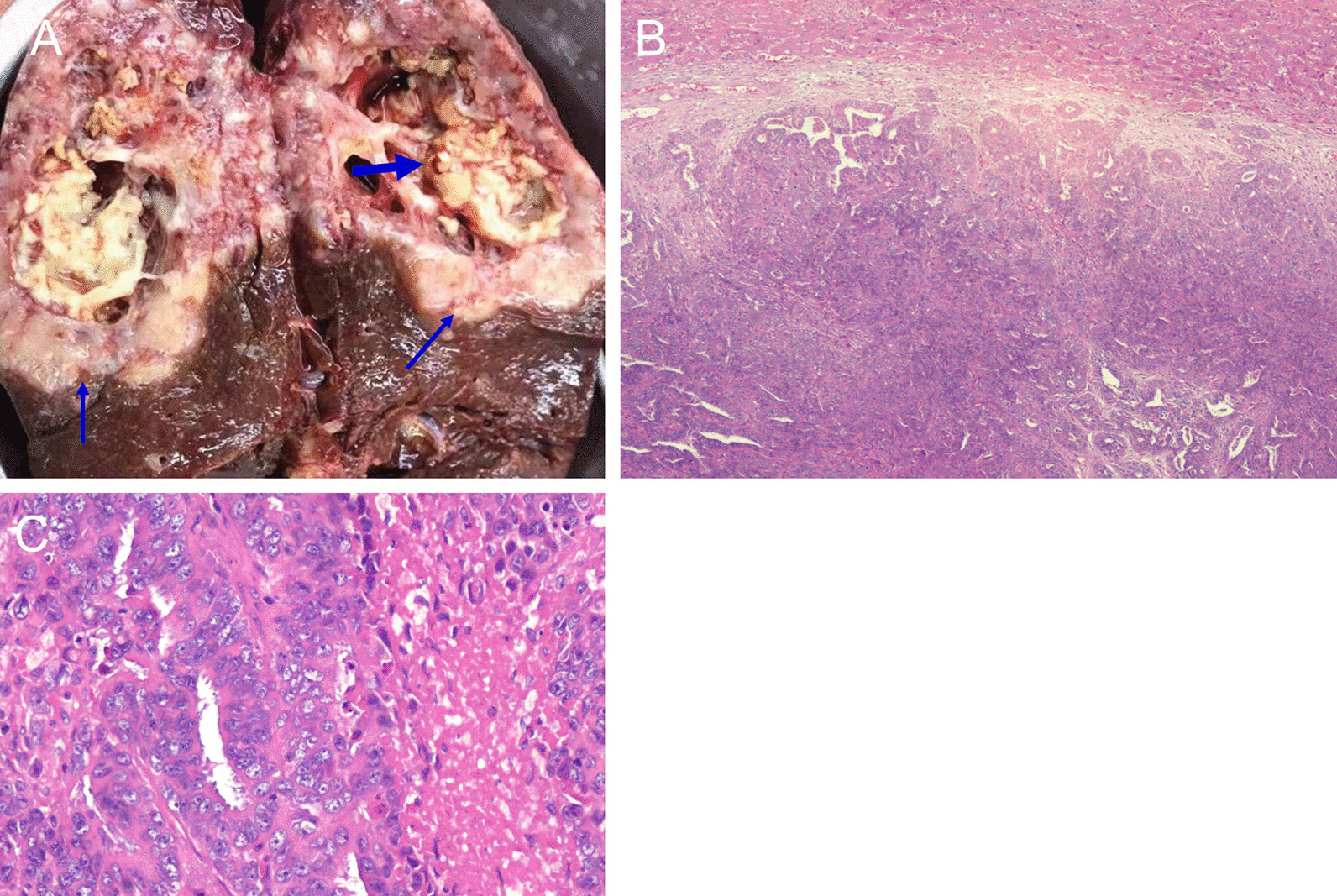
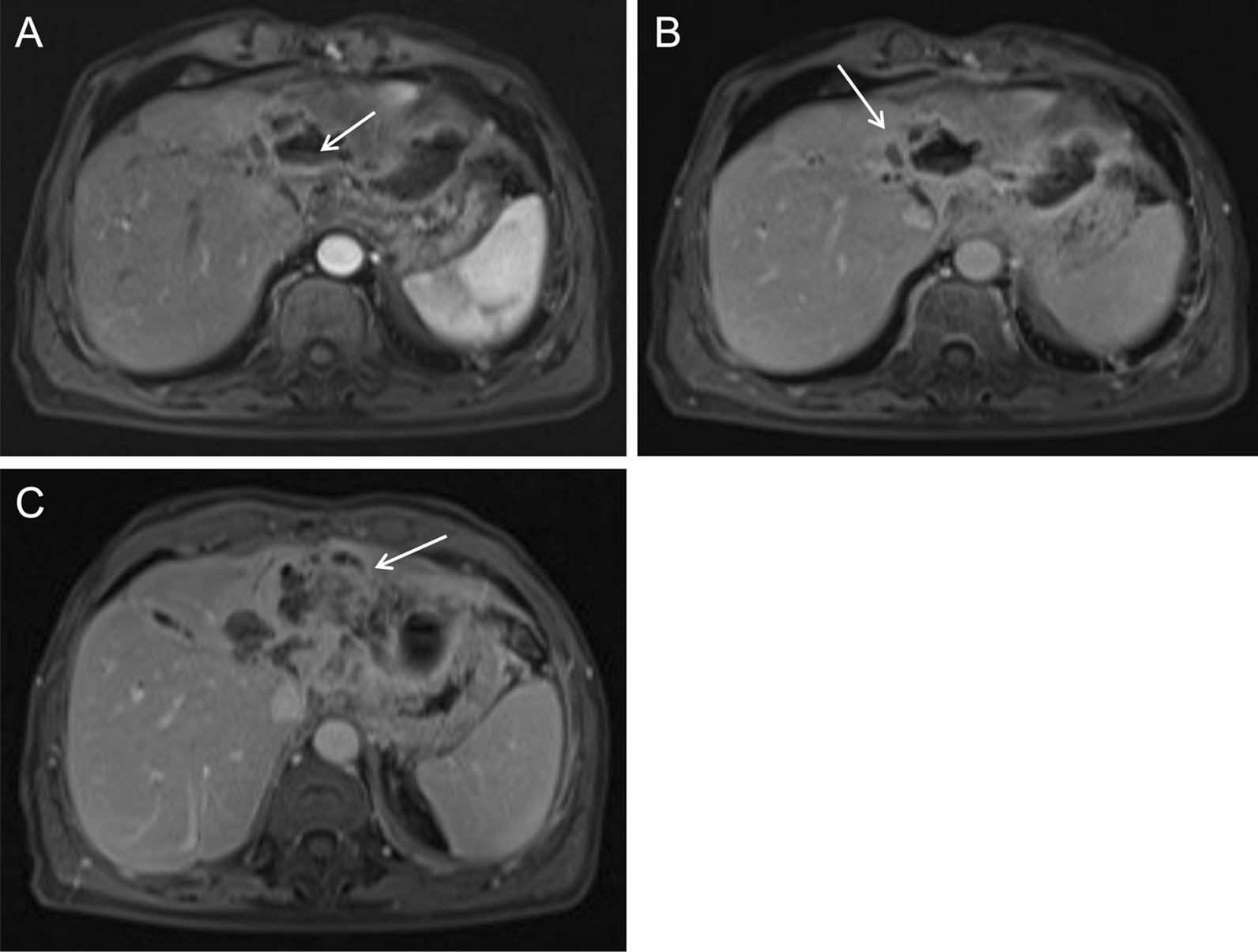
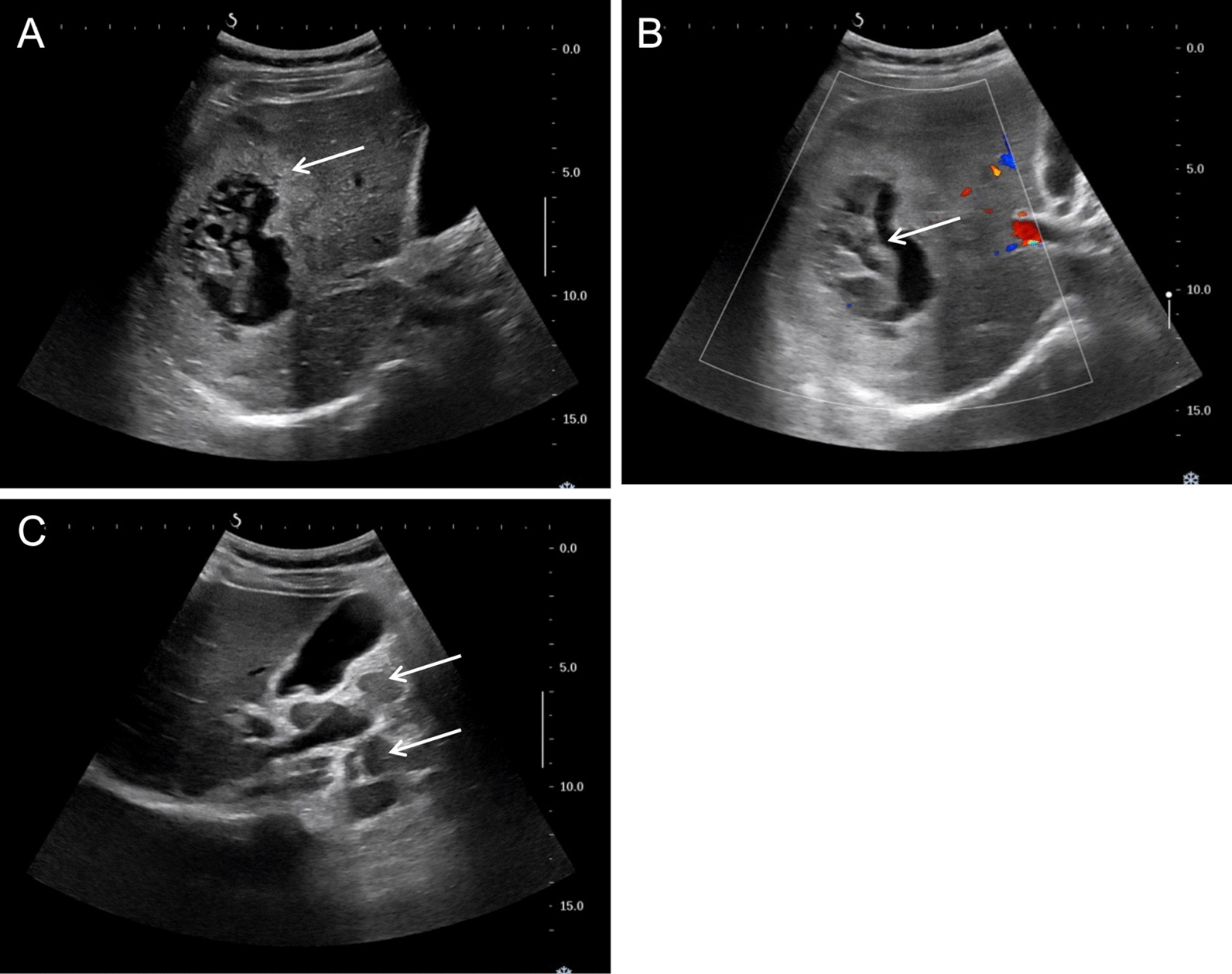
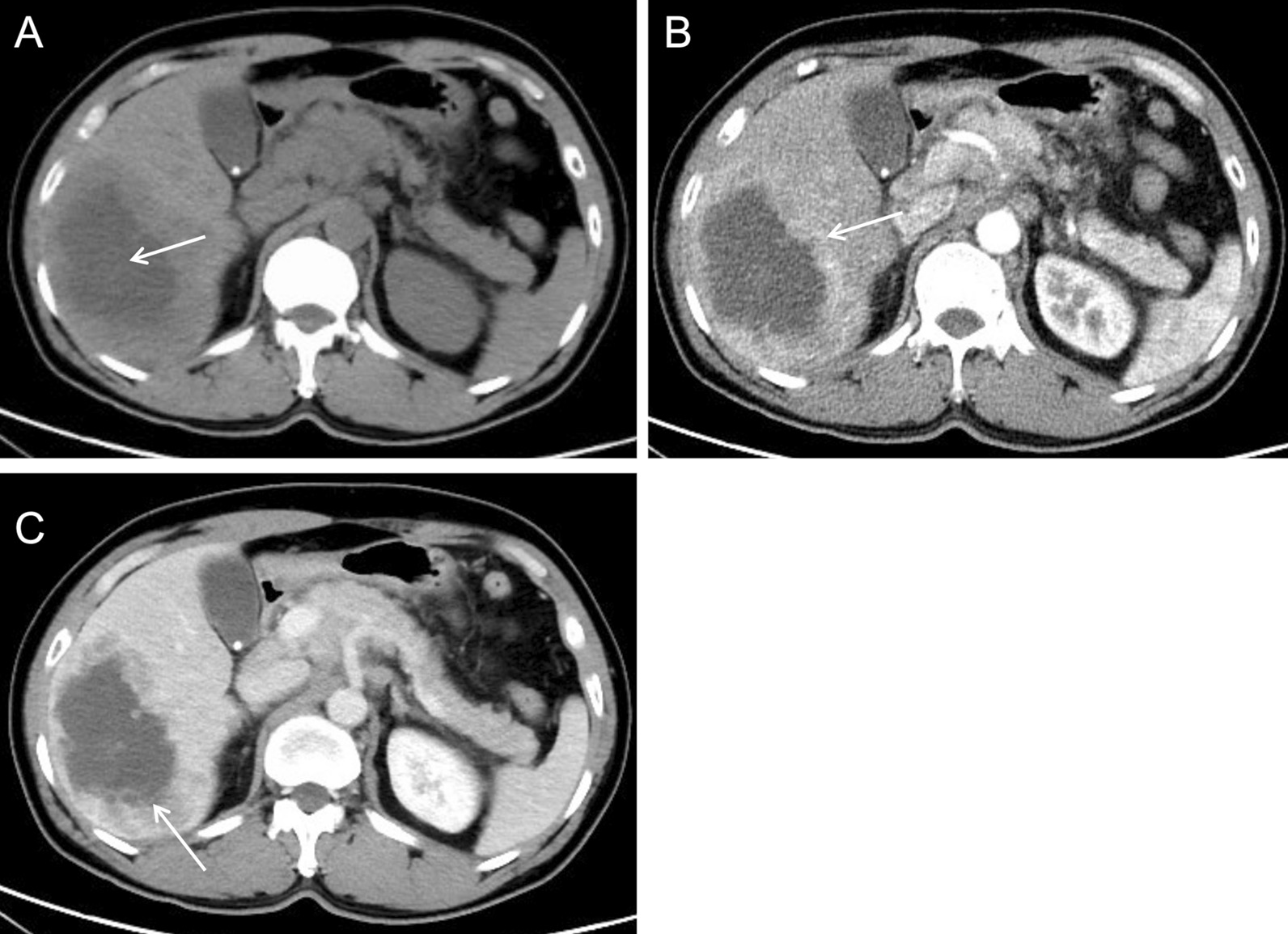
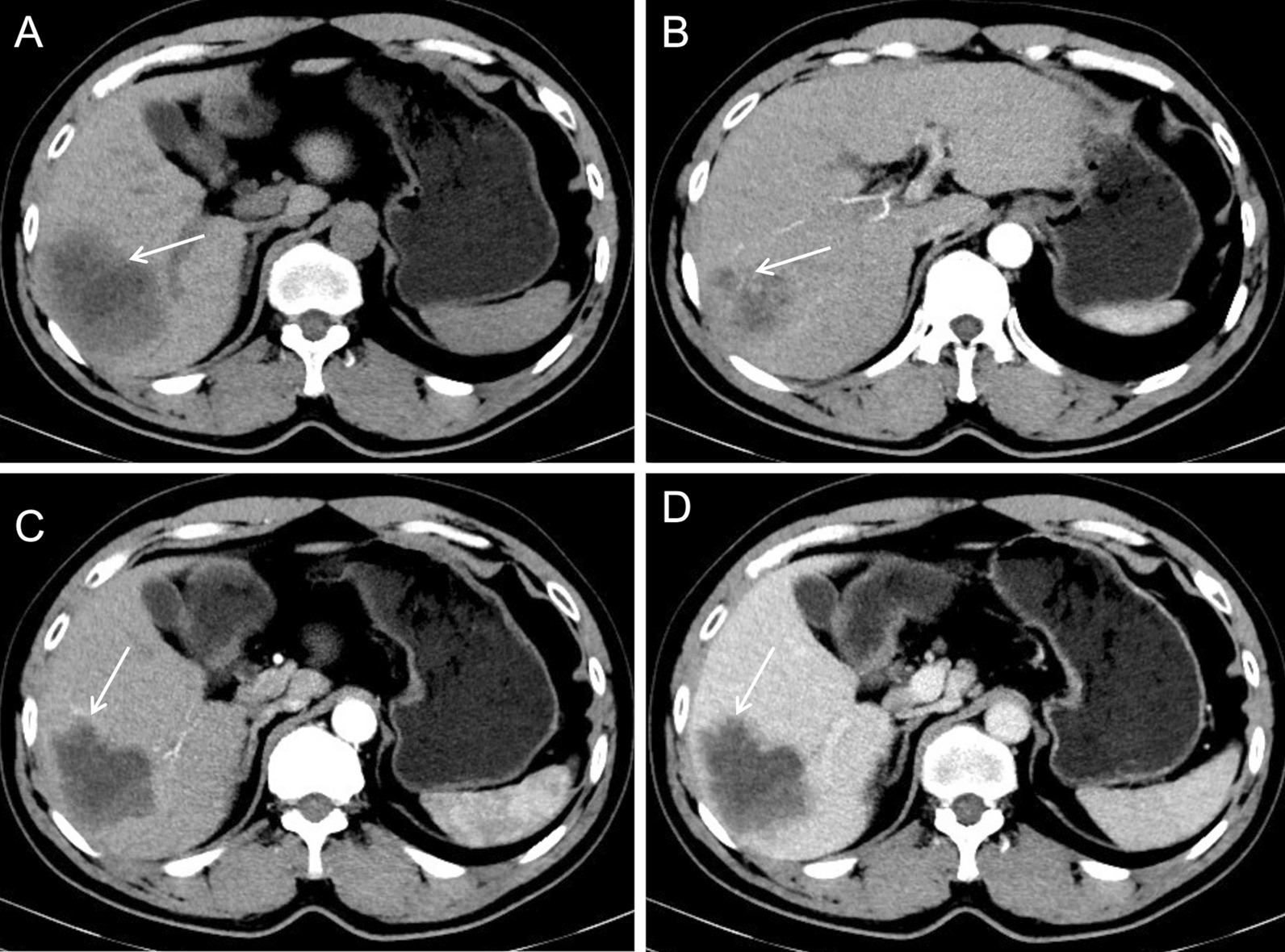
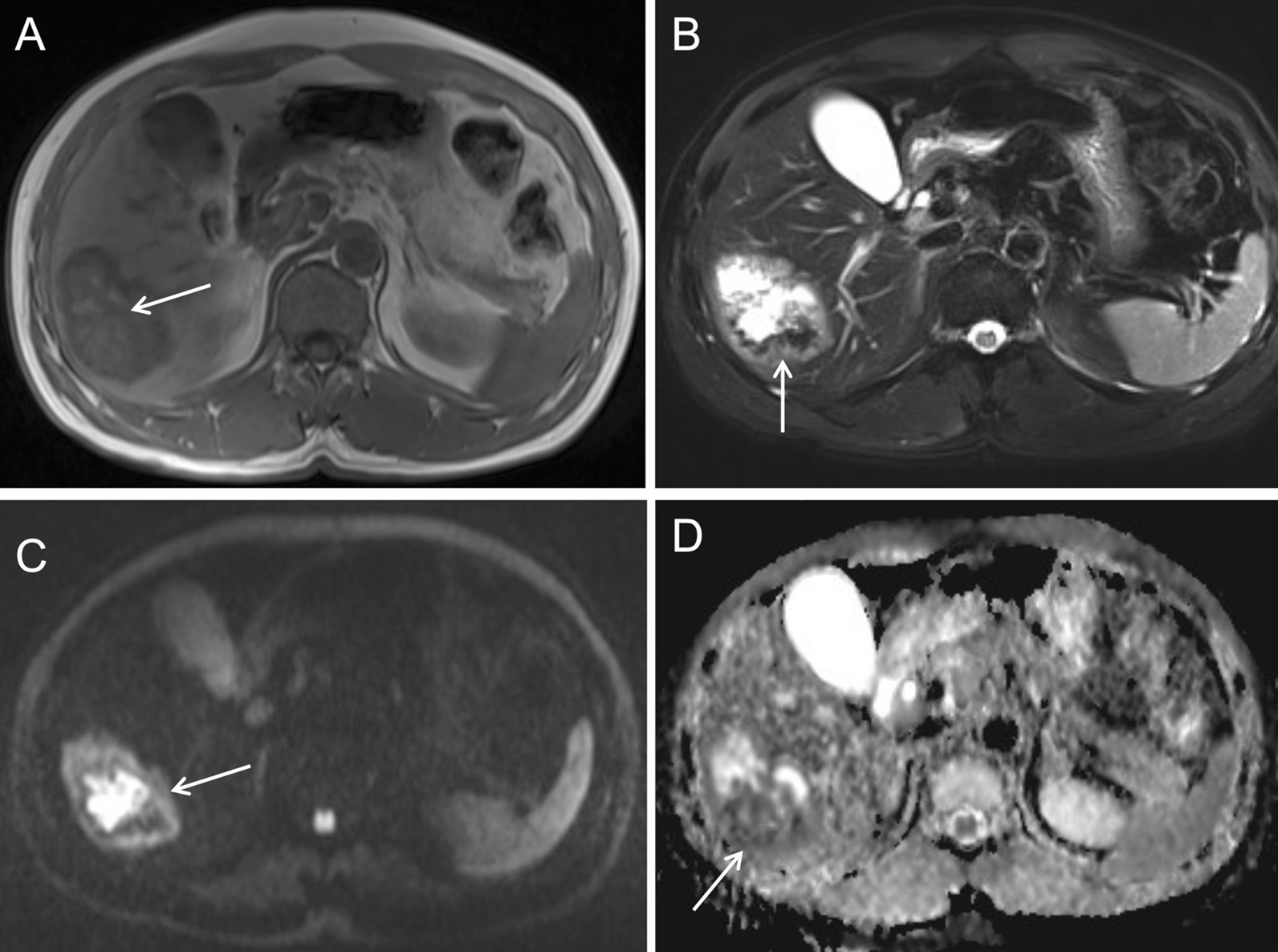
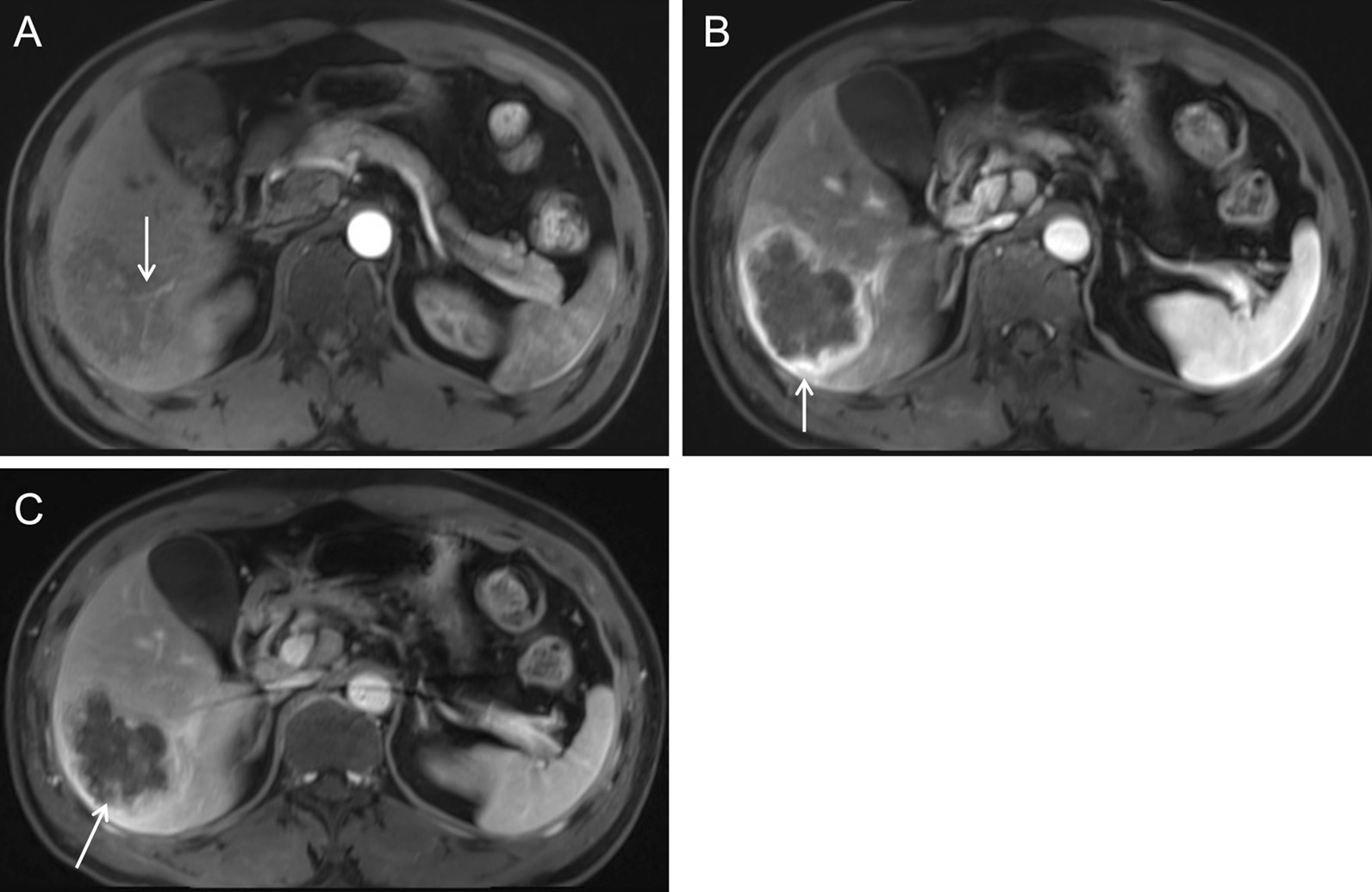
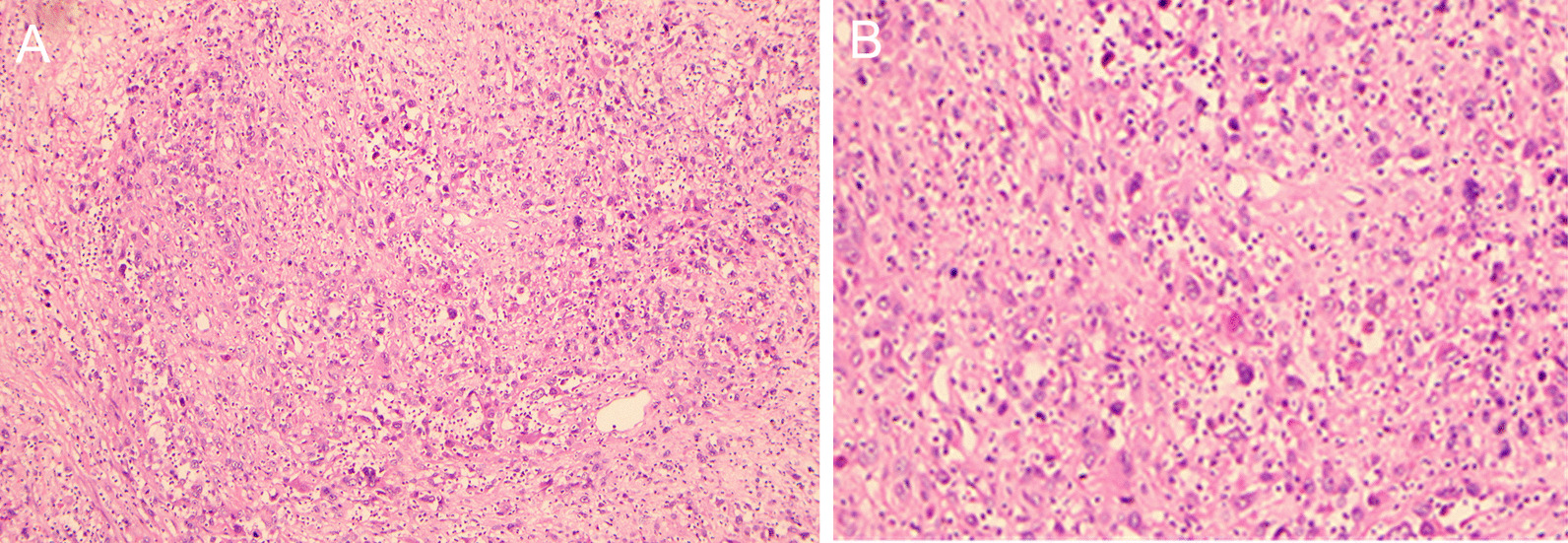
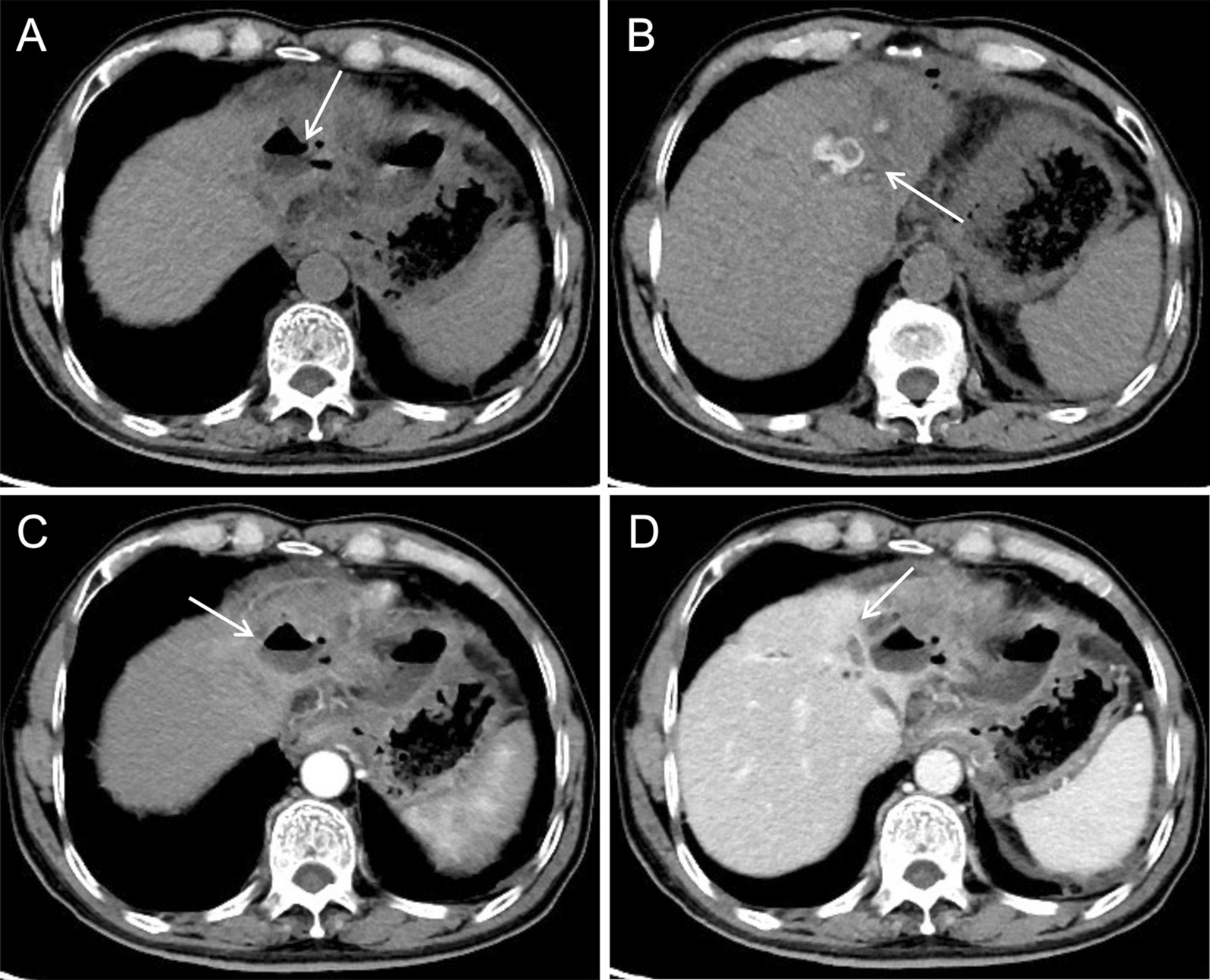
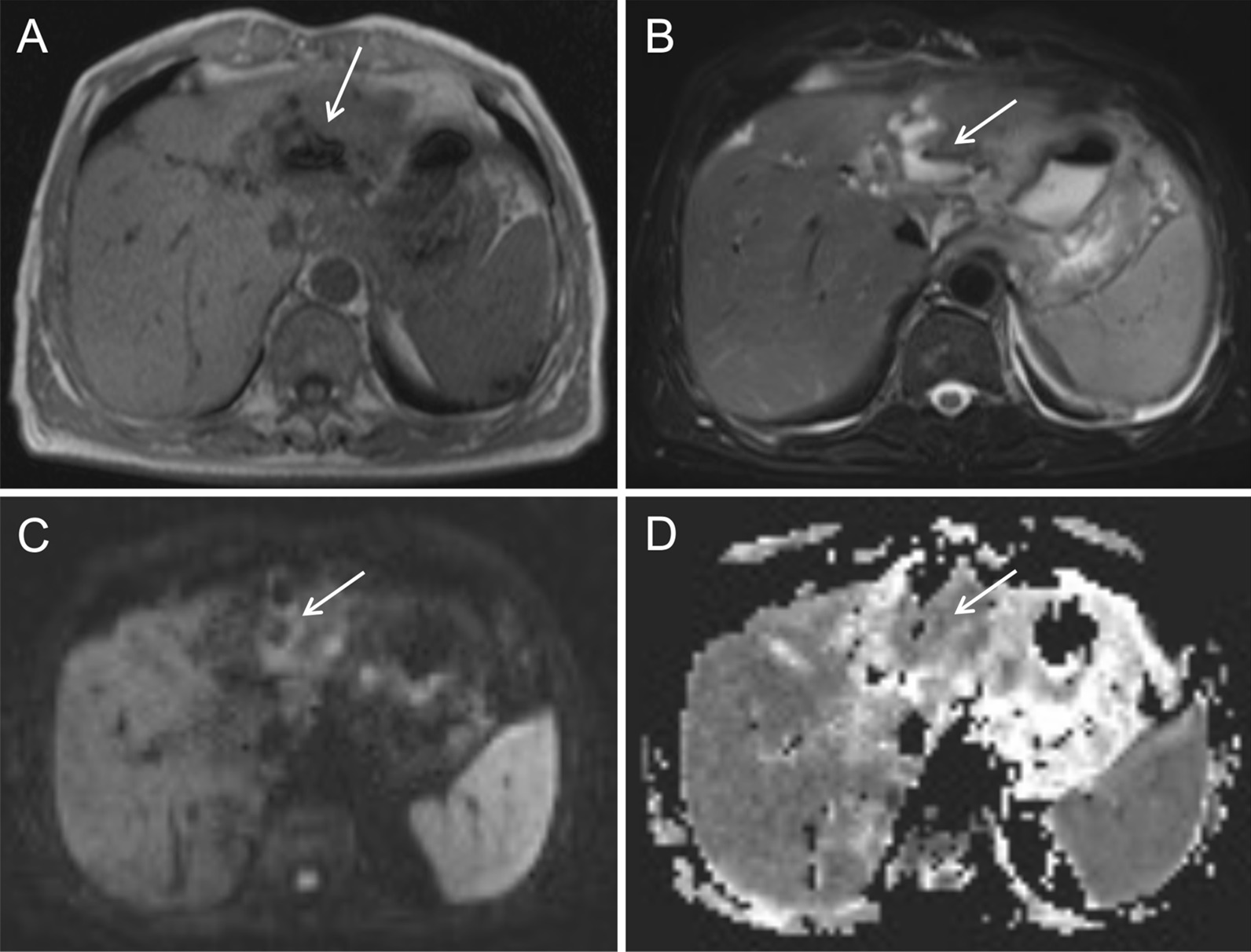
The mean age was 58 years with a range of 46-68 years. Fever and leukocytosis were present in six patients. All the eight lesions were a single mass. Air-liquid levels were present in two patients. Only one patient showed hepatic lobar atrophy and hepatic capsule retraction. The double target sign of liver abscess was not noticed in the CT/MRI images of all eight patients. The inner wall of the lesion was rough and irregular, with multiple dot/patchy and wall nodule enhancements. The abscess wall and the marginal parenchyma were supplied by the hepatic artery in four patients, and the intralesional arteries were rough and disrupted. Bile duct dilatation was seen adjacent to the lesion. In seven patients, diffusion-weighted images showed irregular patchy restricted diffusion in the marginal parenchyma of the necrotic area in addition to the prominent restricted diffusion in the necrotic area. Two patients with cholangiolithiasis showed patchy slight CT hypodensity, slight T1 hypointensity, slight T2 hyperintensity, and patchy delayed enhancement. Multiple lymph nodes enlargement in the hepatic hilar area and the retroperitoneal space were seen in five patients.
Intrahepatic cholangiocarcinoma mimicking a pyogenic liver abscess have unique imaging features and require careful image examination to avoid misdiagnosis.
在罕见情况下,肝内胆管细胞癌可表现为化脓性肝脓肿,且常被误诊。本研究旨在分析肝内胆管细胞癌模拟肝脓肿的影像学特征。
回顾性收集 8 例经病理证实的肝内胆管细胞癌模拟肝脓肿患者的临床资料和影像学结果。
患者的平均年龄为 58 岁(范围 46-68 岁),其中 6 例有发热和白细胞增多。8 个病灶均为单个肿块。2 例有气液平面。仅 1 例出现肝叶萎缩和肝包膜回缩。8 例患者的 CT/MRI 图像均未见肝脓肿的双靶征。病灶的内壁粗糙不规则,呈多个点状/斑片状和壁结节强化。4 例患者的脓肿壁和边缘实质由肝动脉供应,病灶内动脉呈粗糙、中断。病变周围可见胆管扩张。7 例患者弥散加权图像除了坏死区明显弥散受限外,还显示坏死区边缘实质不规则斑片状受限弥散。2 例伴有胆管结石的患者 CT 显示斑片状稍低密度,T1 稍低信号,T2 稍高信号,斑片状延迟强化。5 例患者肝门区和腹膜后可见多个淋巴结肿大。
肝内胆管细胞癌模拟肝脓肿具有独特的影像学特征,需要仔细检查图像以避免误诊。