Centre for Quantitative Systems Biology, Department of Physics and Department of Biology, Hong Kong Baptist University, Hong Kong, China.
Department of Systems Biology, Harvard Medical School, Boston, United States.
Elife. 2021 Nov 15;10:e73673. doi: 10.7554/eLife.73673.
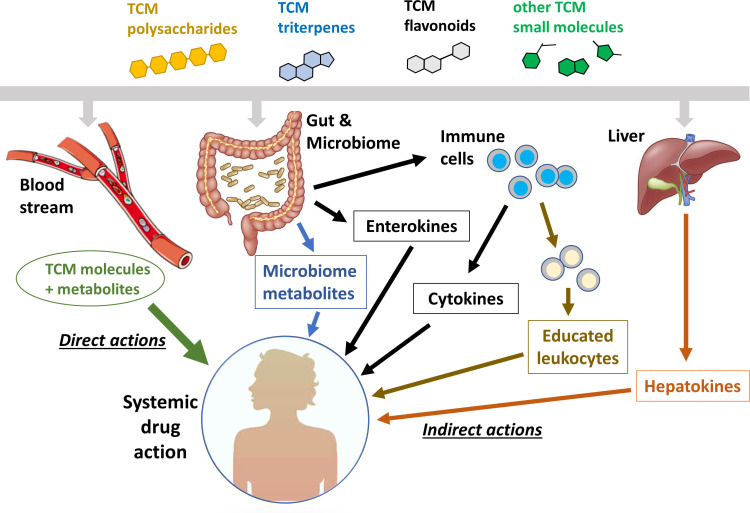
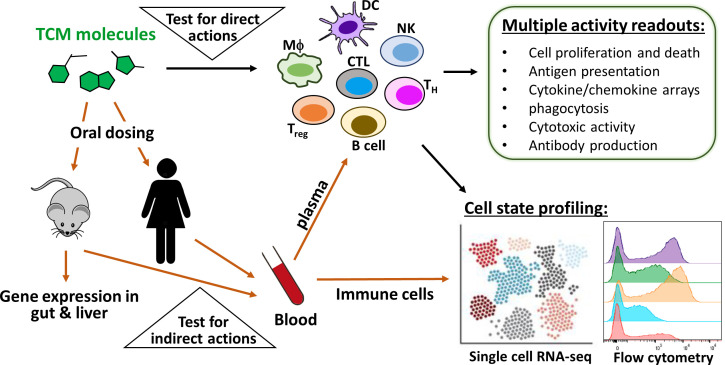
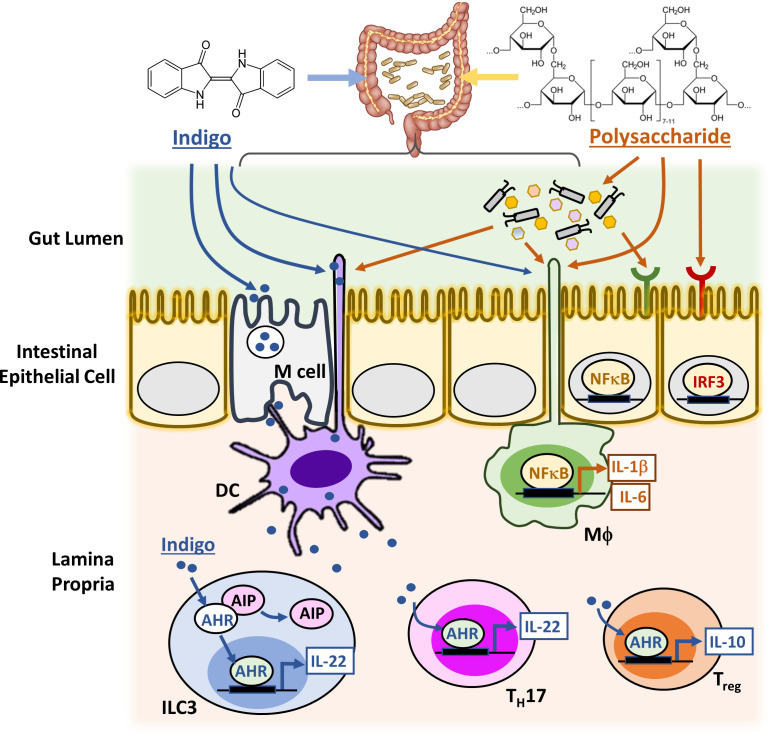
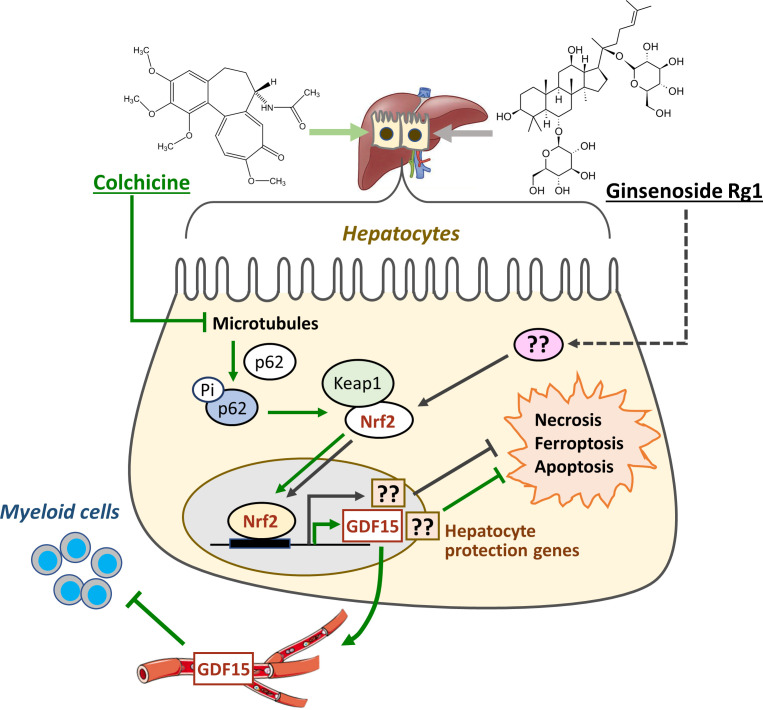
Traditional herbal medicines, which emphasize a holistic, patient-centric view of disease treatment, provide an exciting starting point for discovery of new immunomodulatory drugs. Progress on identification of herbal molecules with proven single agent activity has been slow, in part because of insufficient consideration of pharmacology fundamentals. Many molecules derived from medicinal plants exhibit low oral bioavailability and rapid clearance, leading to low systemic exposure. Recent research suggests that such molecules can act locally in the gut or liver to activate xenobiotic defense pathways that trigger beneficial systemic effects on the immune system. We discuss this hypothesis in the context of four plant-derived molecules with immunomodulatory activity: indigo, polysaccharides, colchicine, and ginsenosides. We end by proposing research strategies for identification of novel immunomodulatory drugs from herbal medicine sources that are informed by the possibility of local action in the gut or liver, leading to generation of systemic immune mediators.
传统草药强调从整体和以患者为中心的角度看待疾病治疗,为发现新的免疫调节药物提供了一个令人兴奋的起点。具有明确单药活性的草药分子的鉴定进展缓慢,部分原因是对药理学基础的考虑不足。许多来源于药用植物的分子口服生物利用度低,清除速度快,导致全身暴露水平低。最近的研究表明,此类分子可以在肠道或肝脏局部发挥作用,激活外源性防御途径,从而对免疫系统产生有益的全身效应。我们将这一假说应用于四种具有免疫调节活性的植物源性分子:靛蓝、多糖、秋水仙碱和人参皂苷。最后,我们提出了从草药中鉴定新型免疫调节药物的研究策略,该策略基于在肠道或肝脏局部作用的可能性,从而产生系统免疫介质。