Khalifa Adam, Zaeimbashi Mohsen, Zhou Tony X, Abrishami Seyed Mahdi, Sun Neville, Park Seunghyun, Šumarac Tamara, Qu Jason, Zohar Inbar, Yacoby Amir, Cash Sydney, Sun Nian X
Department of Neurology, Massachusetts General Hospital, Harvard Medical School, Boston, MA USA.
Department of Electrical and Computer Engineering, Northeastern University, Boston, MA USA.
Microsyst Nanoeng. 2021 Nov 12;7:91. doi: 10.1038/s41378-021-00320-8. eCollection 2021.
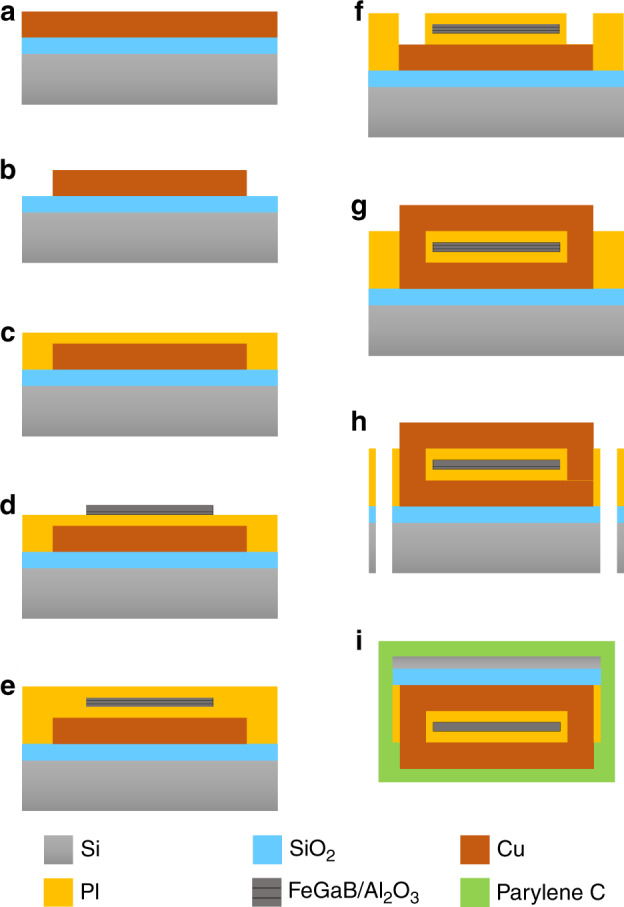
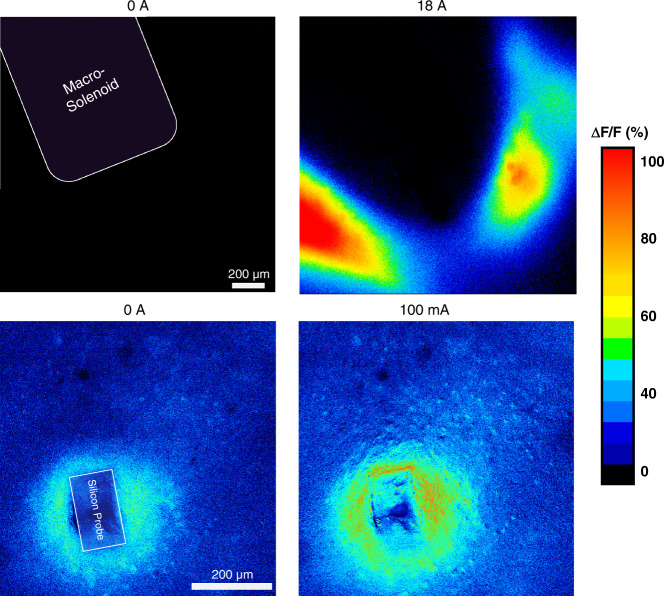
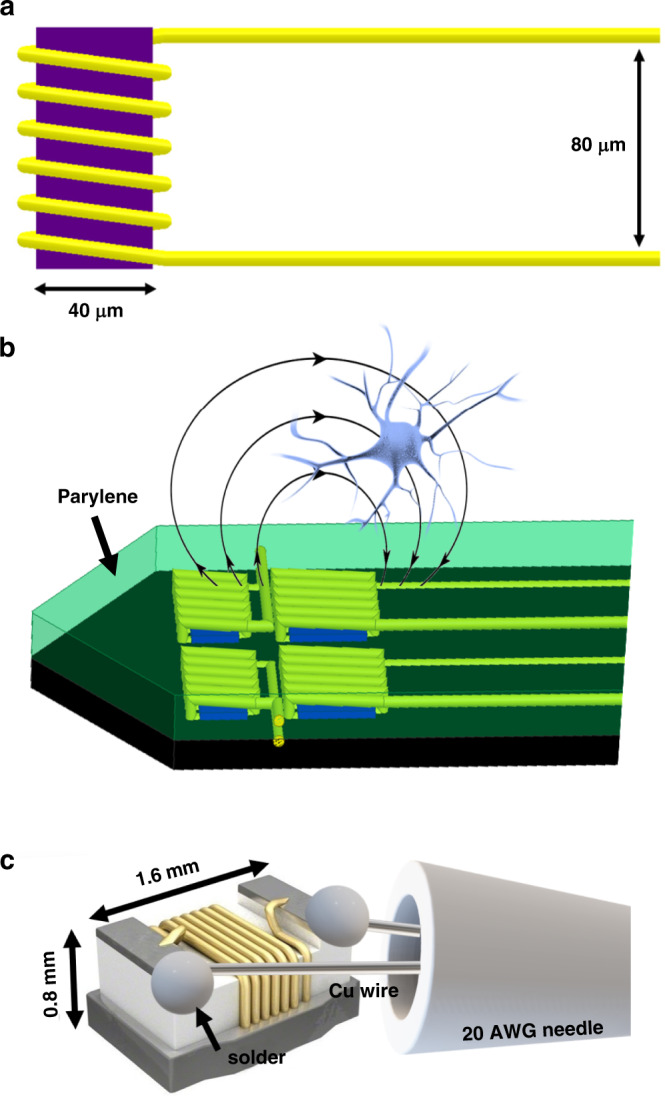
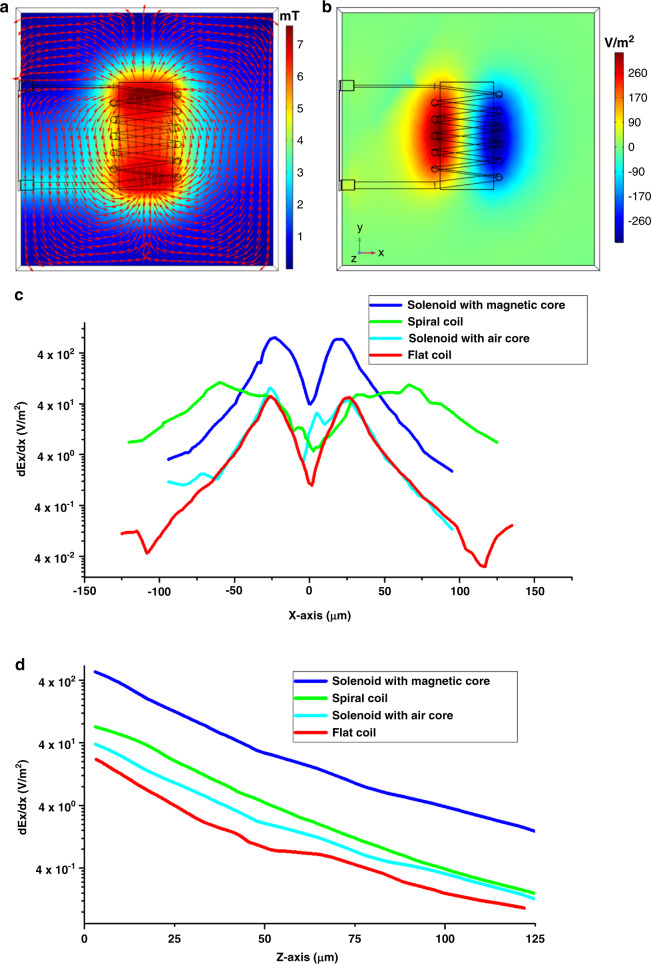
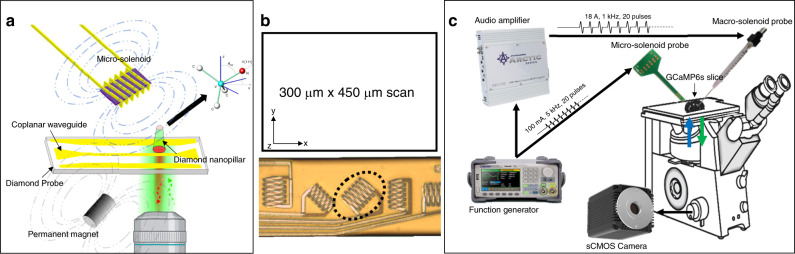
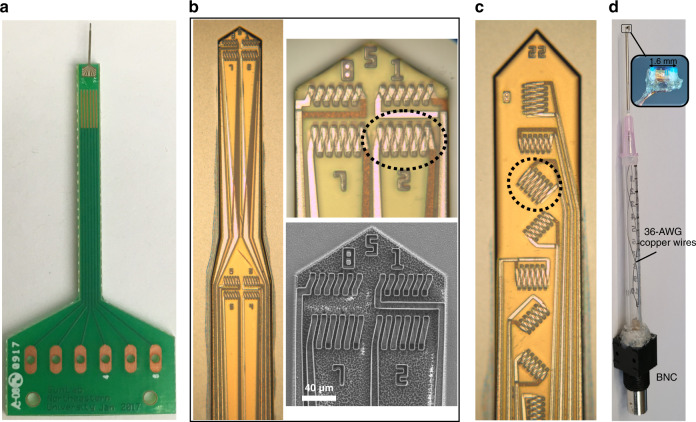
Electrical stimulation via invasive microelectrodes is commonly used to treat a wide range of neurological and psychiatric conditions. Despite its remarkable success, the stimulation performance is not sustainable since the electrodes become encapsulated by gliosis due to foreign body reactions. Magnetic stimulation overcomes these limitations by eliminating the need for a metal-electrode contact. Here, we demonstrate a novel microfabricated solenoid inductor (80 µm × 40 µm) with a magnetic core that can activate neuronal tissue. The characterization and proof-of-concept of the device raise the possibility that micromagnetic stimulation solenoids that are small enough to be implanted within the brain may prove to be an effective alternative to existing electrode-based stimulation devices for chronic neural interfacing applications.
通过侵入性微电极进行电刺激通常用于治疗多种神经和精神疾病。尽管取得了显著成功,但由于异物反应导致电极被胶质增生包裹,刺激性能无法持续。磁刺激通过消除金属电极接触的需求克服了这些限制。在此,我们展示了一种带有磁芯的新型微加工螺线管电感器(80微米×40微米),它可以激活神经元组织。该装置的特性和概念验证表明,小到足以植入大脑的微磁刺激螺线管可能成为现有基于电极的刺激装置在慢性神经接口应用中的有效替代品。