Thiede Brian C, Strube Johann
The Pennsylvania State University.
Glob Environ Change. 2020 Nov;65. doi: 10.1016/j.gloenvcha.2020.102192. Epub 2020 Nov 26.
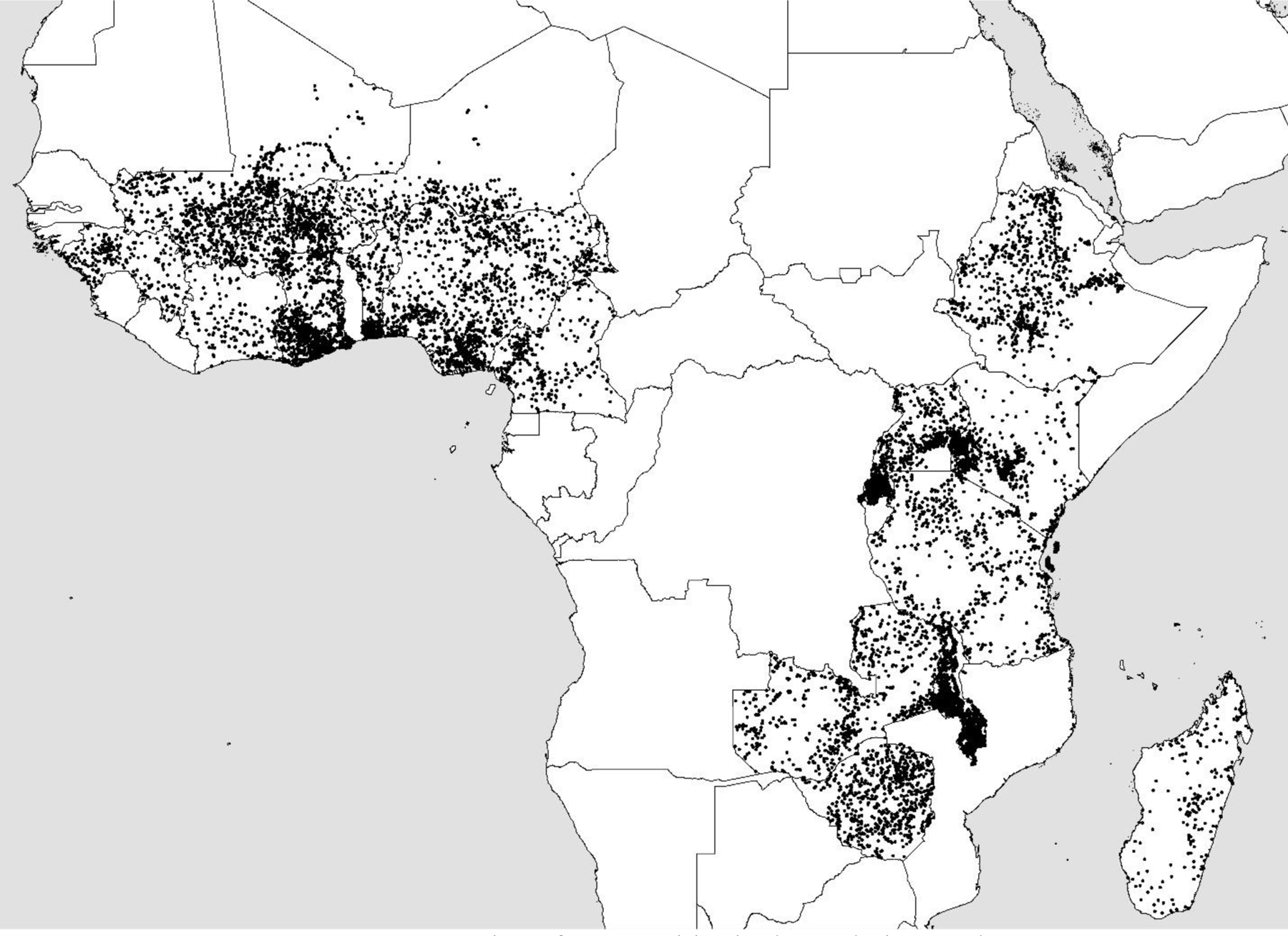
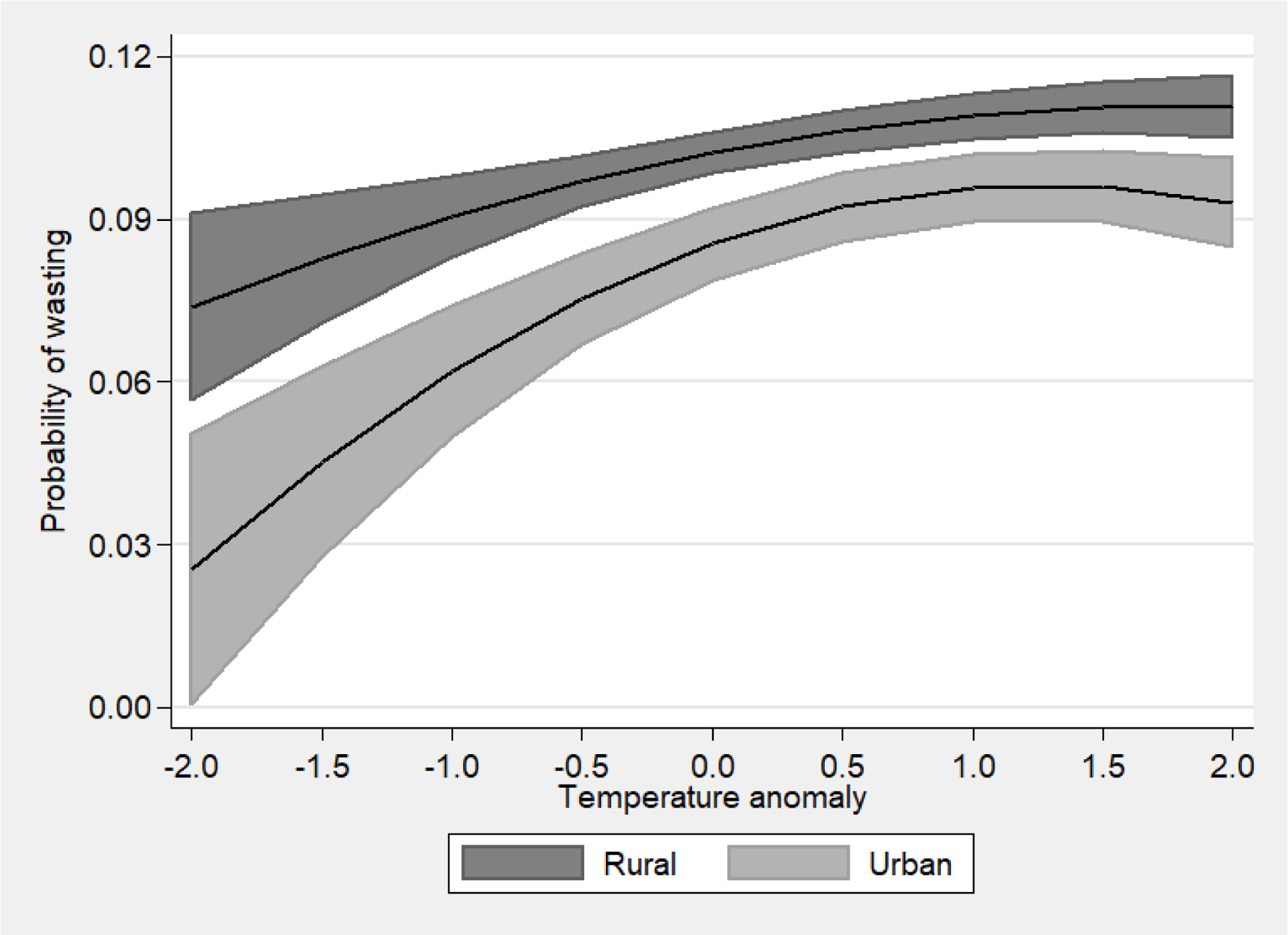
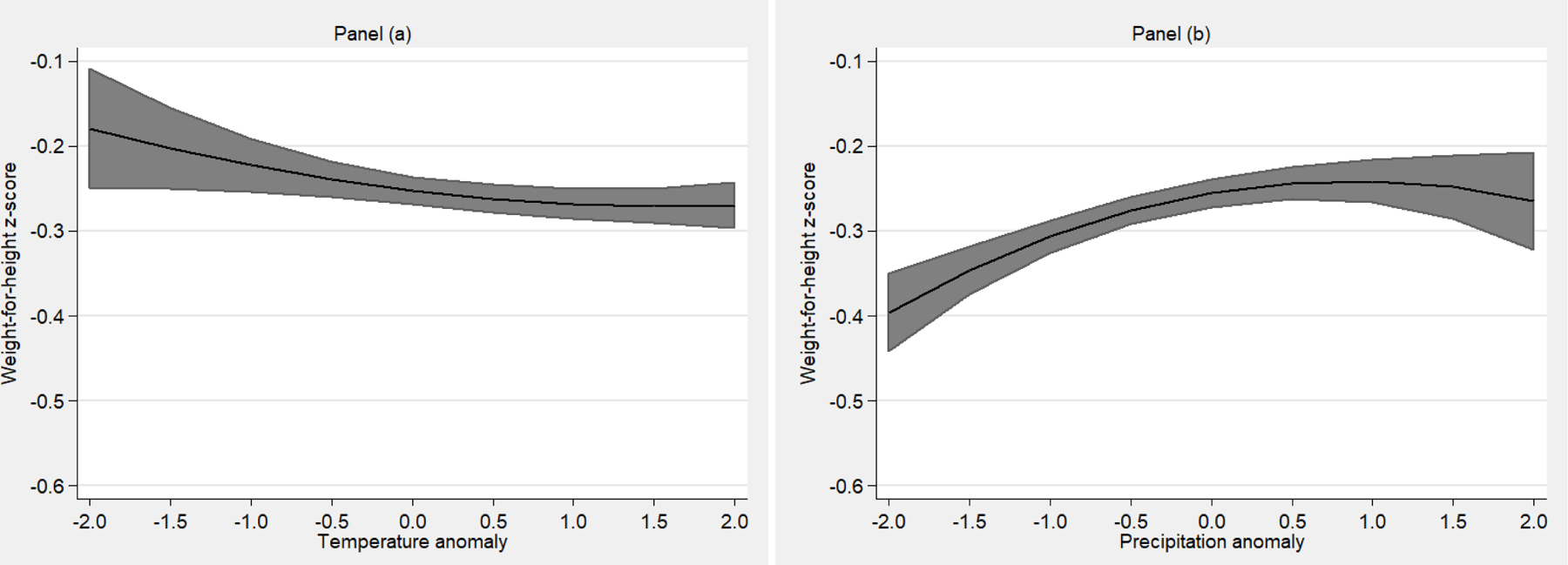
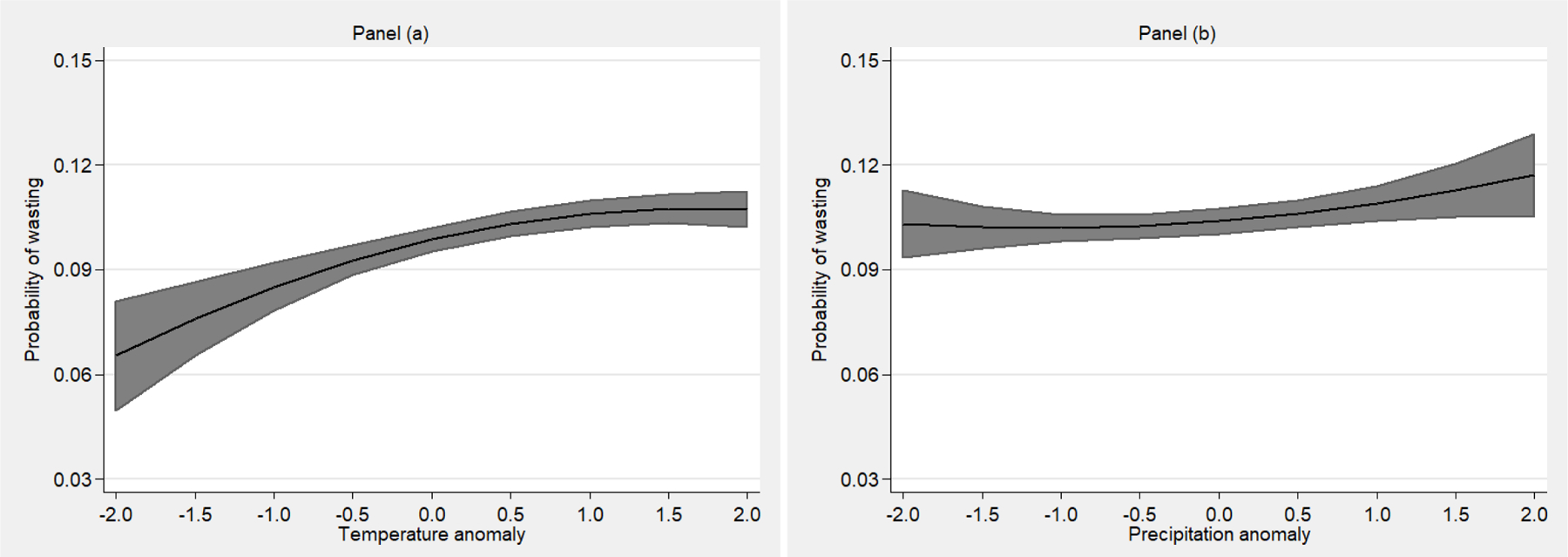
Climatic variability affects many underlying determinants of child malnutrition, including food availability, access, and utilization. Evidence of the effects of changing temperatures and precipitation on children's nutritional status nonetheless remains limited. Research addressing this knowledge gap is merited given the short- and long-run consequences of malnutrition. We address this issue by estimating the effects of temperature and precipitation anomalies on the weight and wasting status of children ages 0-59 months across 16 countries in sub-Saharan Africa. Linear regression models show that high temperatures and low precipitation are associated with reductions in child weight, and that high temperatures also lead to increased risk of wasting. We find little evidence of substantively meaningful differences in these effects across sub-populations of interest. Our results underscore the vulnerability of young children to climatic variability and its second-order economic and epidemiological effects. The study also highlights the corresponding need to design and assess interventions to effectively mitigate these impacts.
气候变异性影响儿童营养不良的许多潜在决定因素,包括食物供应、获取和利用。然而,关于气温和降水变化对儿童营养状况影响的证据仍然有限。鉴于营养不良的短期和长期后果,开展针对这一知识空白的研究很有必要。我们通过估算气温和降水异常对撒哈拉以南非洲16个国家0至59个月儿童体重和消瘦状况的影响来解决这一问题。线性回归模型表明,高温和低降水与儿童体重下降有关,而且高温还会导致消瘦风险增加。我们几乎没有发现这些影响在相关亚人群中存在实质性显著差异的证据。我们的研究结果强调了幼儿对气候变异性及其二阶经济和流行病学影响的脆弱性。该研究还凸显了相应的需求,即设计和评估有效减轻这些影响的干预措施。