Goldberg Johannes, Häni Levin, Jesse Christopher Marvin, Zubak Irena, Piechowiak Eike I, Gralla Jan, Dobrocky Tomas, Beck Jürgen, Raabe Andreas
Department of Neurosurgery, Inselspital, Bern University Hospital, University of Bern, Bern, Switzerland.
University Institute of Diagnostic and Interventional Neuroradiology, Inselspital, Bern University Hospital, University of Bern, Bern, Switzerland.
Front Neurol. 2021 Nov 1;12:760081. doi: 10.3389/fneur.2021.760081. eCollection 2021.
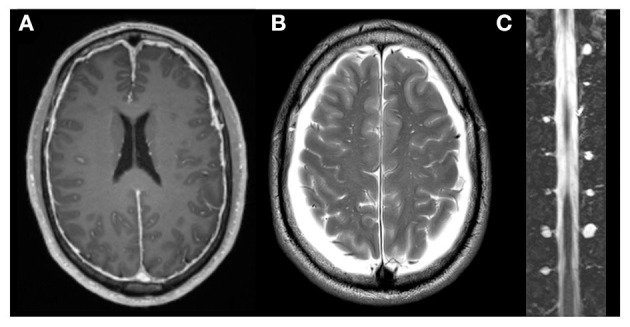
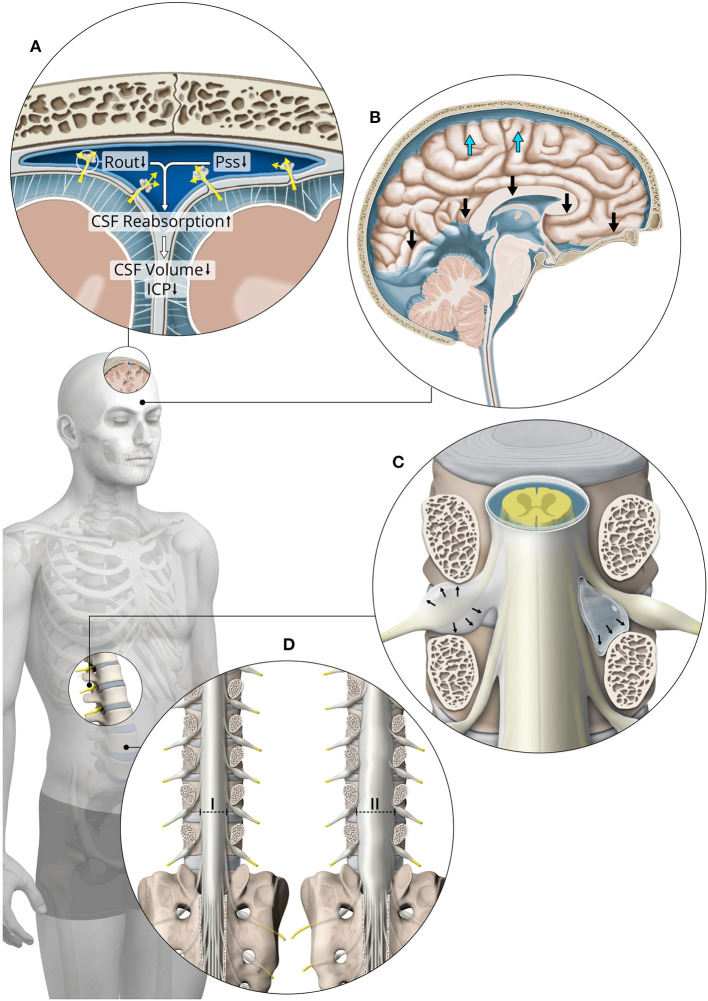
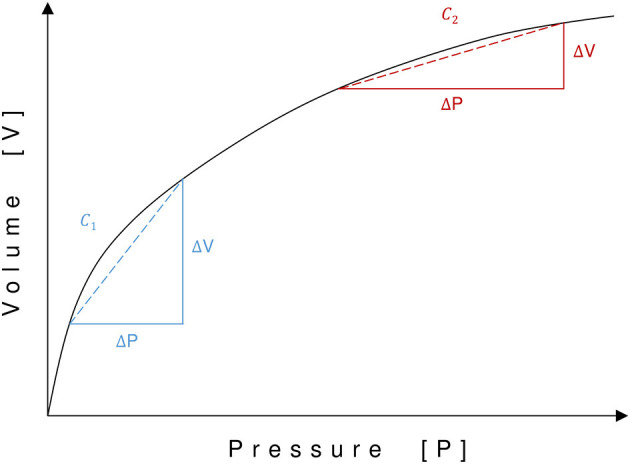
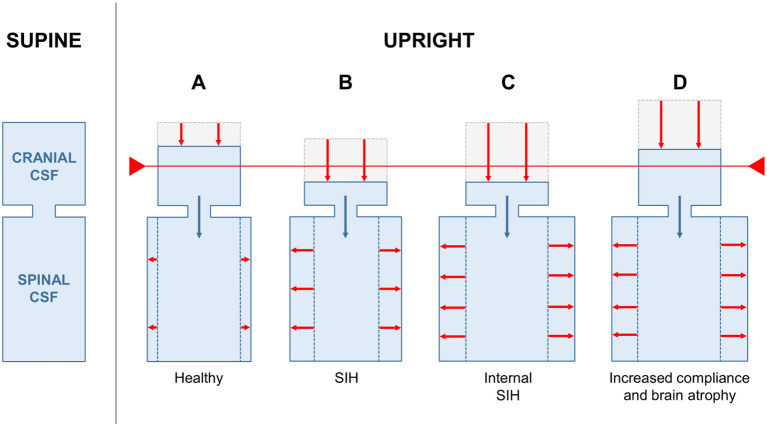
Spontaneous intracranial hypotension (SIH) is typically caused by CSF leakage from a spinal dural tear, a meningeal diverticulum, or a CSF venous fistula. However, some patients present with classic orthostatic symptoms and typical intracranial imaging findings without evidence of CSF leakage despite repeated diagnostic work-up. This article aims to elaborate a hypothesis that would explain a pathologically increased orthostatic shift of CSF from the cranial to the spinal compartment in the absence of a CSF leak. The symptoms of SIH are caused by a decrease in intracranial CSF volume, intracranial hypotension, and downward displacement of intracranial structures. A combination of pathologically increased spinal compliance, decreased intracranial CSF volume, low CSF outflow resistance, and decreased venous pressure might result in a pathological orthostatic cranial-to-spinal CSF shift. Thus, in rare cases, intracranial hypotension may occur in the absence of CSF leakage from the dural sac. We propose a pathophysiological concept for the subgroup of SIH patients with typical cranial imaging findings and no evidence of CSF leakage. In these patients, reducing the compliance or the volume of the spinal compartment seems to be the appropriate therapeutic strategy.
自发性颅内低压(SIH)通常由脊髓硬脊膜撕裂、脑膜憩室或脑脊液静脉瘘导致脑脊液漏引起。然而,一些患者虽反复进行诊断检查,但出现典型的直立性症状和典型的颅内影像学表现,却无脑脊液漏的证据。本文旨在阐述一种假说,该假说将解释在无脑脊液漏的情况下,脑脊液从颅腔到脊髓腔的病理性直立性移位增加的原因。SIH的症状是由颅内脑脊液量减少、颅内低压以及颅内结构向下移位引起的。病理性增加的脊髓顺应性、颅内脑脊液量减少、脑脊液流出阻力降低和静脉压降低共同作用,可能导致病理性直立性脑脊液从颅腔向脊髓腔移位。因此,在罕见情况下,即使硬脊膜囊无脑脊液漏,也可能发生颅内低压。我们为具有典型颅内影像学表现且无脑脊液漏证据的SIH患者亚组提出了一种病理生理概念。对于这些患者,降低脊髓腔的顺应性或体积似乎是合适的治疗策略。