Zeb Akbar, Choubey Vinay, Gupta Ruby, Kuum Malle, Safiulina Dzhamilja, Vaarmann Annika, Gogichaishvili Nana, Liiv Mailis, Ilves Ivar, Tämm Kaido, Veksler Vladimir, Kaasik Allen
Department of Pharmacology, Institute of Biomedicine and Translational Medicine, University of Tartu, Ravila 19, 50411, Tartu, Estonia.
Department of Pharmacology, Institute of Biomedicine and Translational Medicine, University of Tartu, Ravila 19, 50411, Tartu, Estonia.
Redox Biol. 2021 Nov 11;48:102186. doi: 10.1016/j.redox.2021.102186.
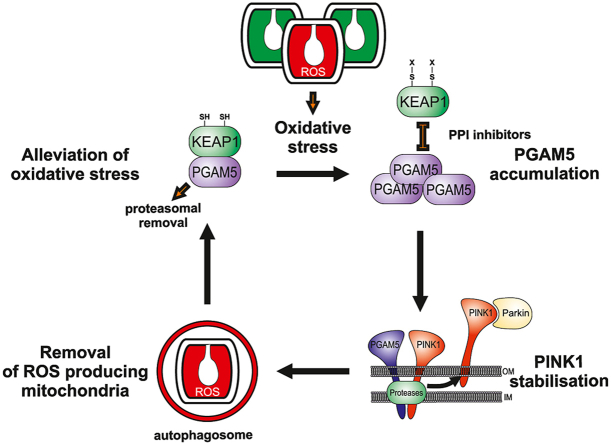
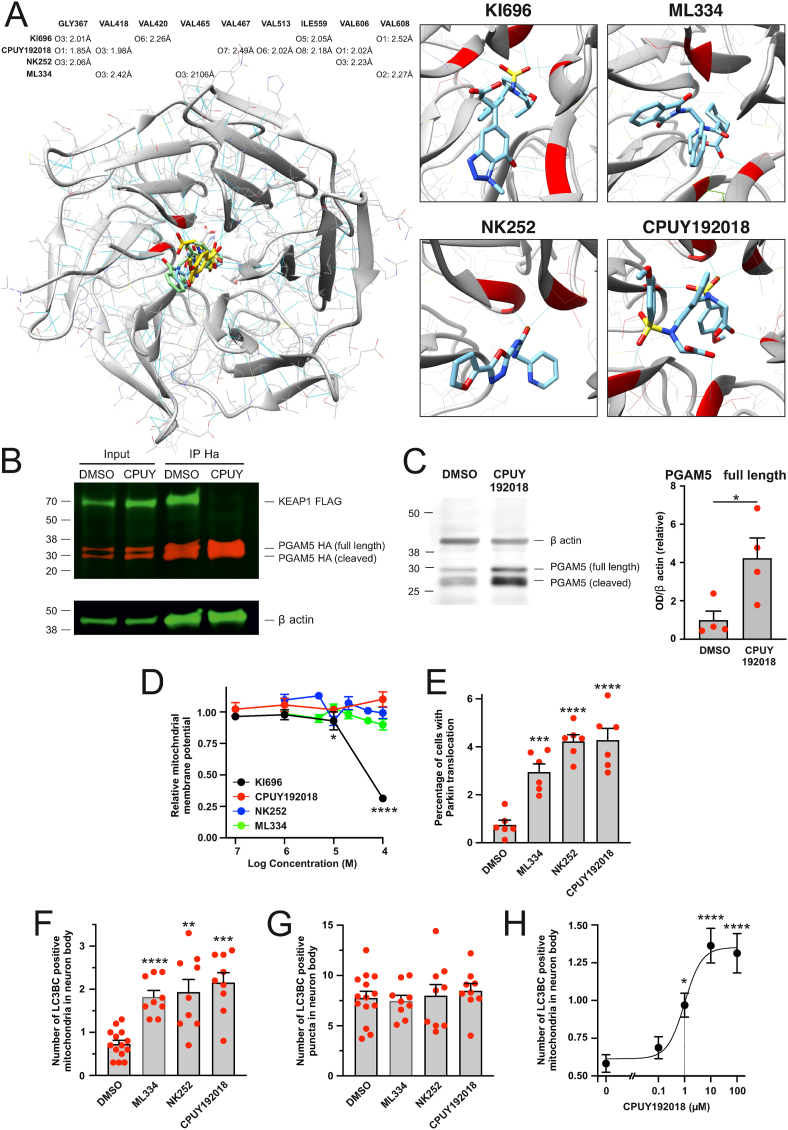
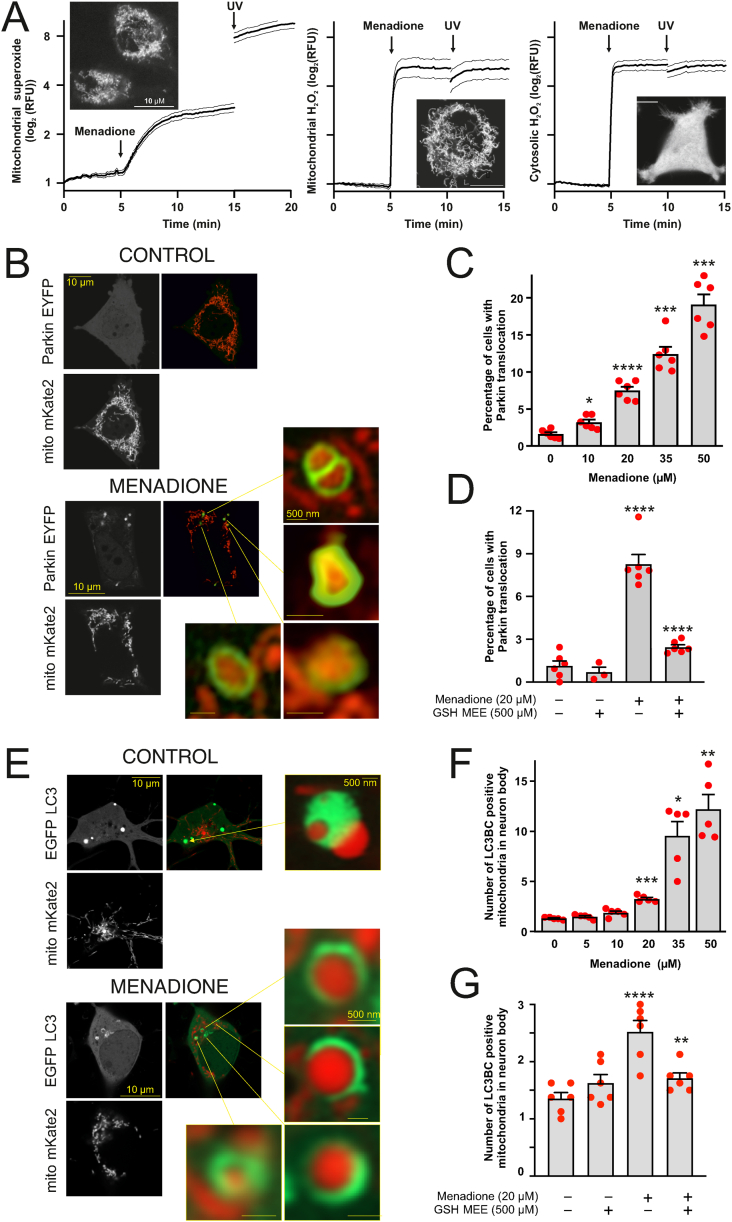
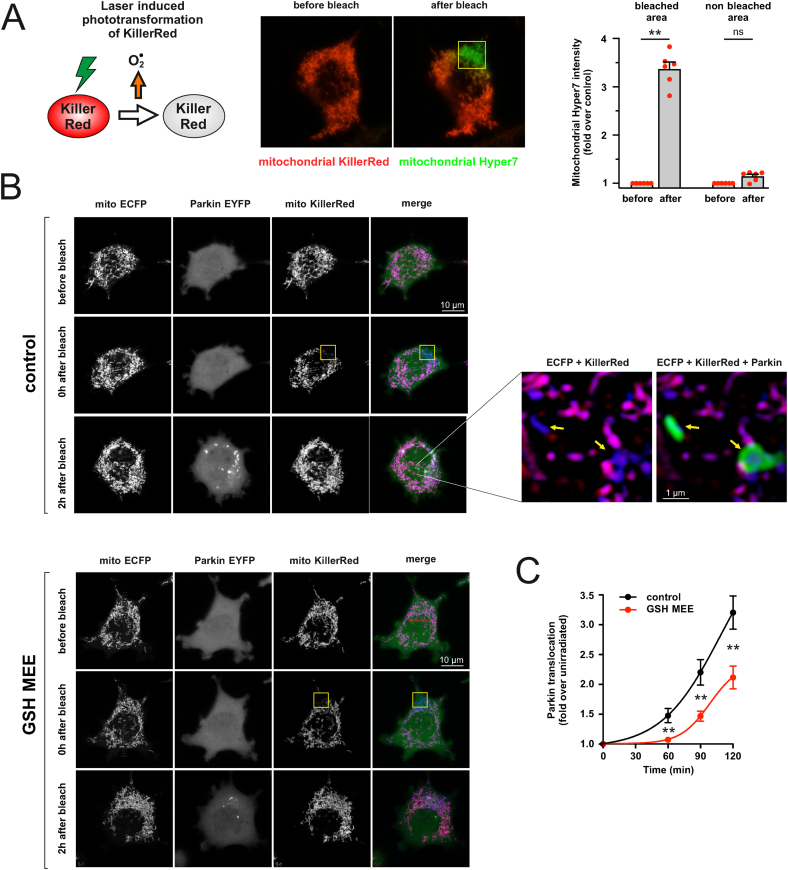
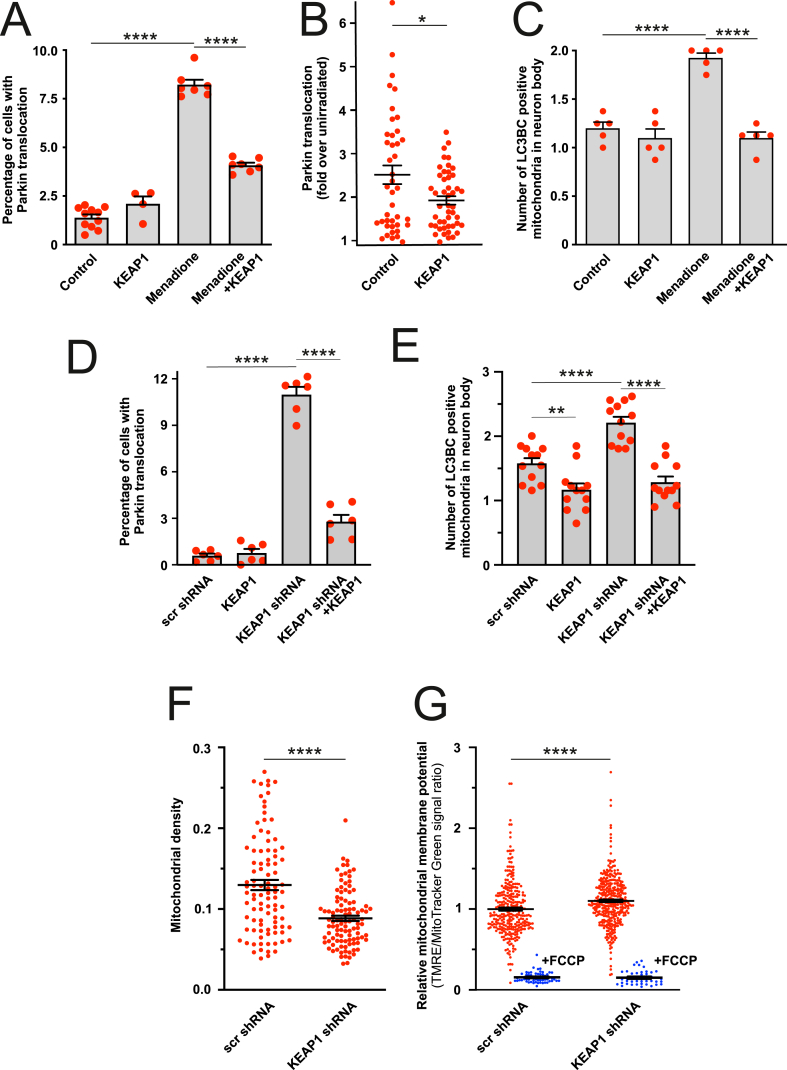
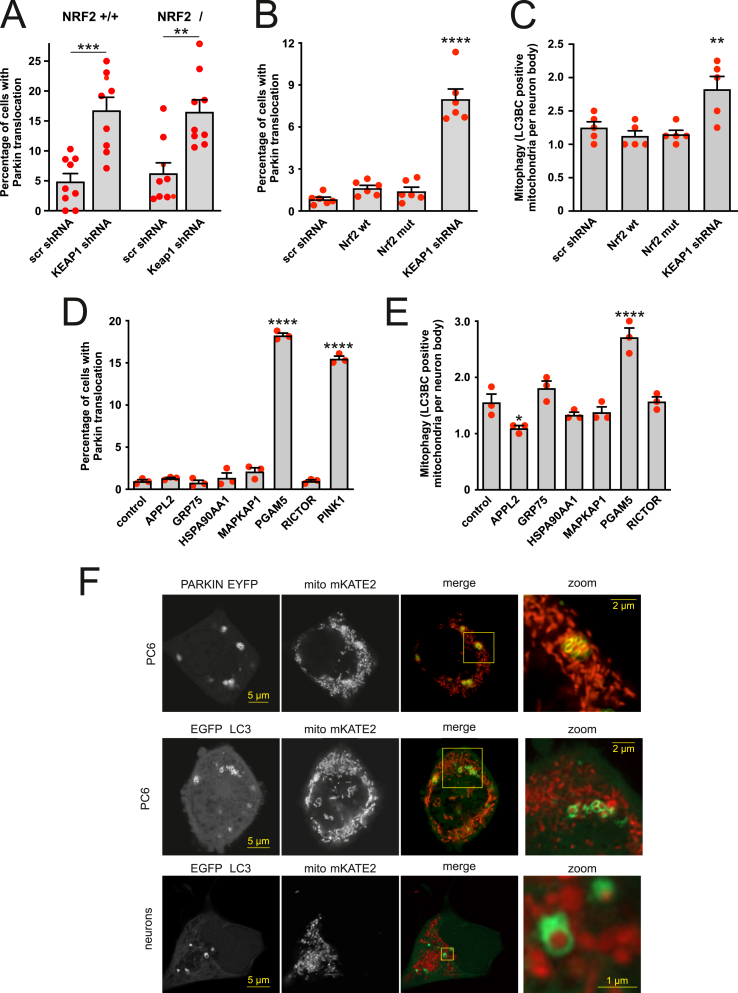
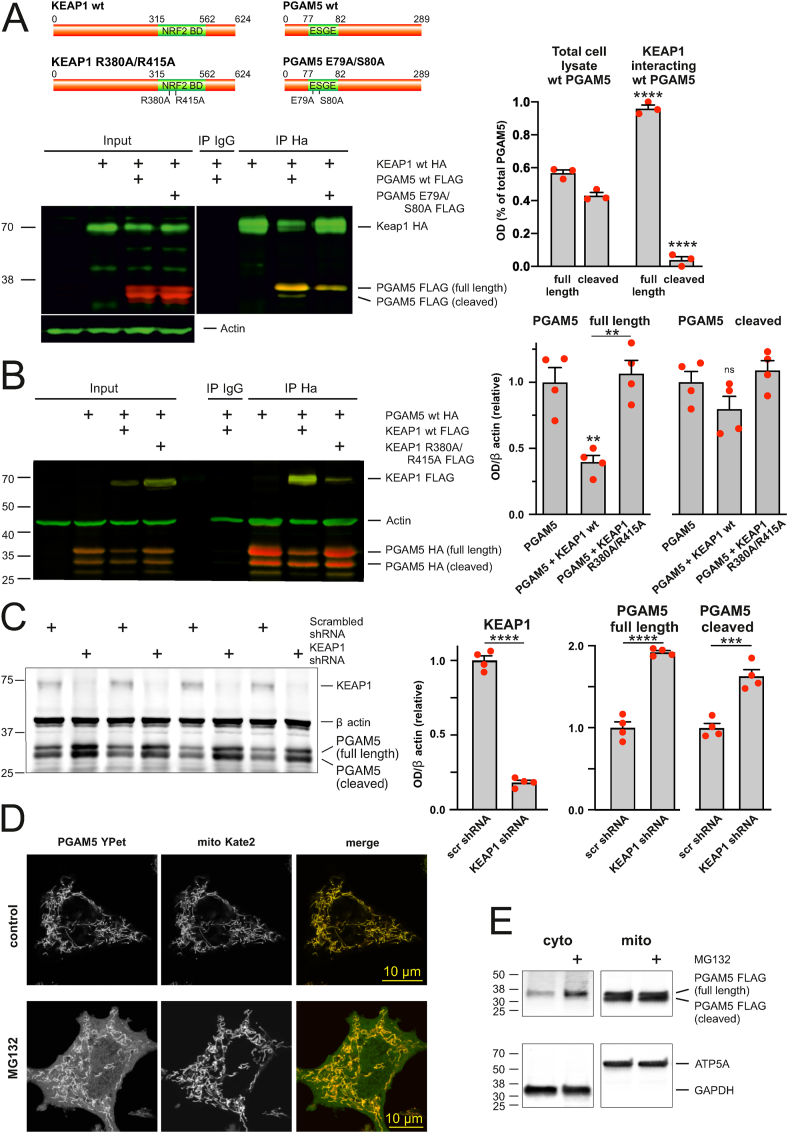
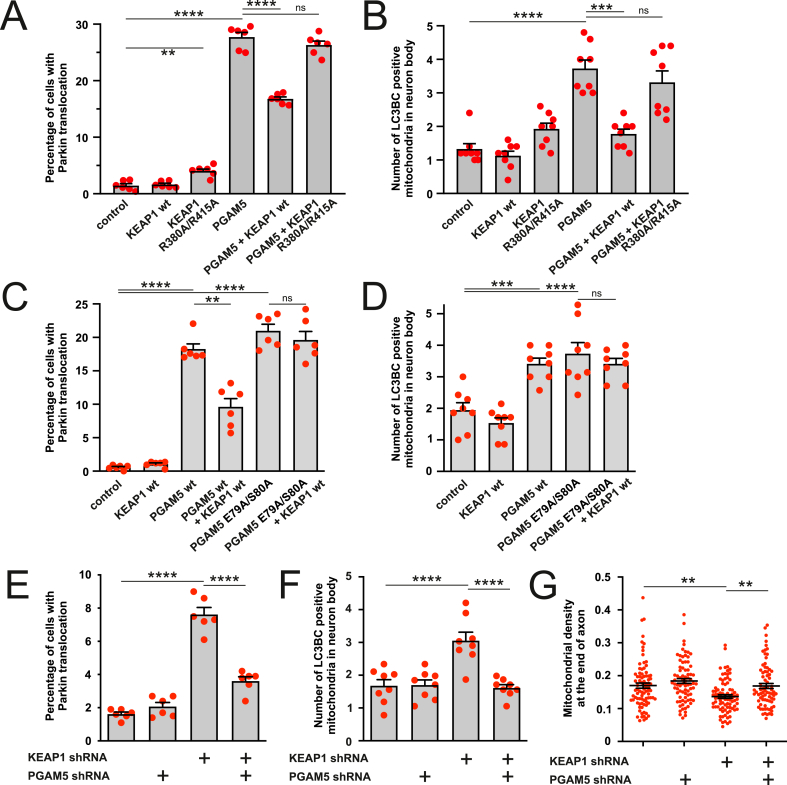
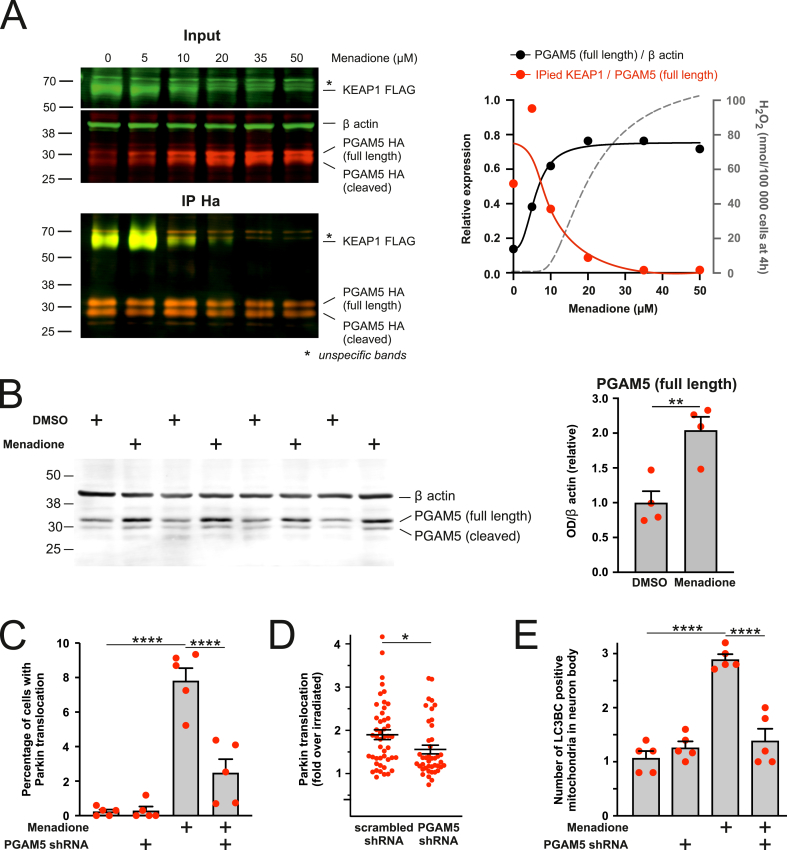
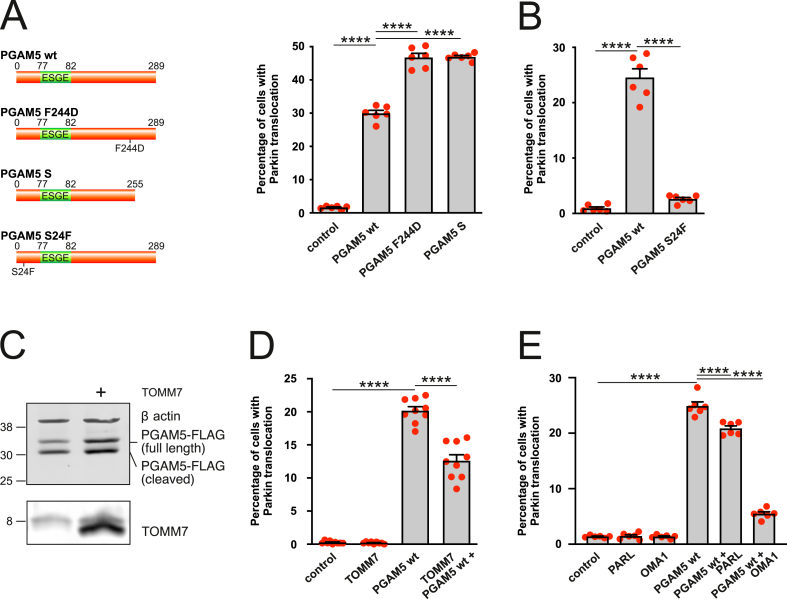
When ROS production exceeds the cellular antioxidant capacity, the cell needs to eliminate the defective mitochondria responsible for excessive ROS production. It has been proposed that the removal of these defective mitochondria involves mitophagy, but the mechanism of this regulation remains unclear. Here, we demonstrate that moderate mitochondrial superoxide and hydrogen peroxide production oxidates KEAP1, thus breaking the interaction between this protein and PGAM5, leading to the inhibition of its proteasomal degradation. Accumulated PGAM5 interferes with the processing of the PINK1 in the mitochondria leading to the accumulation of PINK1 on the outer mitochondrial membrane. In turn, PINK1 promotes Parkin recruitment to mitochondria and sensitizes mitochondria for autophagic removal. We also demonstrate that inhibitors of the KEAP1-PGAM5 protein-protein interaction (including CPUY192018) mimic the effect of mitochondrial ROS and sensitize mitophagy machinery, suggesting that these inhibitors could be used as pharmacological regulators of mitophagy. Together, our results show that KEAP1/PGAM5 complex senses mitochondrially generated superoxide/hydrogen peroxide to induce mitophagy.
当活性氧(ROS)的产生超过细胞的抗氧化能力时,细胞需要清除导致ROS过量产生的有缺陷的线粒体。有人提出,清除这些有缺陷的线粒体涉及线粒体自噬,但这种调节机制仍不清楚。在这里,我们证明适度的线粒体超氧化物和过氧化氢的产生会氧化KEAP1,从而破坏该蛋白与PGAM5之间的相互作用,导致其蛋白酶体降解受到抑制。积累的PGAM5会干扰线粒体中PINK1的加工过程,导致PINK1在线粒体外膜上积累。反过来,PINK1会促进Parkin募集到线粒体,并使线粒体对自噬清除敏感。我们还证明,KEAP1 - PGAM5蛋白 - 蛋白相互作用的抑制剂(包括CPUY192018)模拟了线粒体ROS的作用,并使线粒体自噬机制敏感,这表明这些抑制剂可作为线粒体自噬的药理学调节剂。总之,我们的结果表明,KEAP1/PGAM5复合物可感知线粒体产生的超氧化物/过氧化氢以诱导线粒体自噬。