Wang Xiaowu, Ma Jipeng, Zhang Shuaishuai, Li Zilin, Hong Ziwei, Jiang Liqing, Duan Weixun, Liu Jincheng
Department of Cardiovascular Surgery, Xijing Hospital, Fourth Military Medical University, Xi'an, China.
Front Pharmacol. 2021 Nov 5;12:731609. doi: 10.3389/fphar.2021.731609. eCollection 2021.
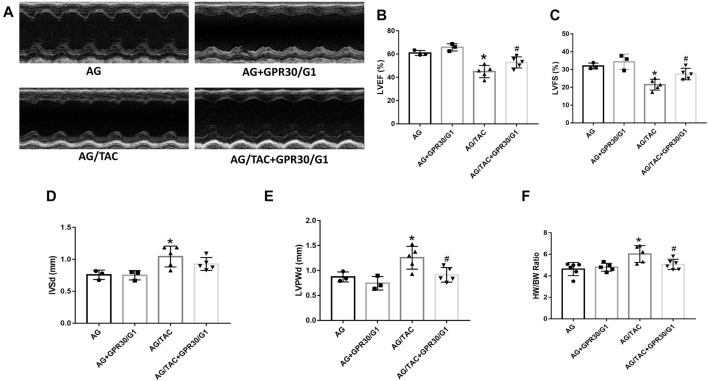
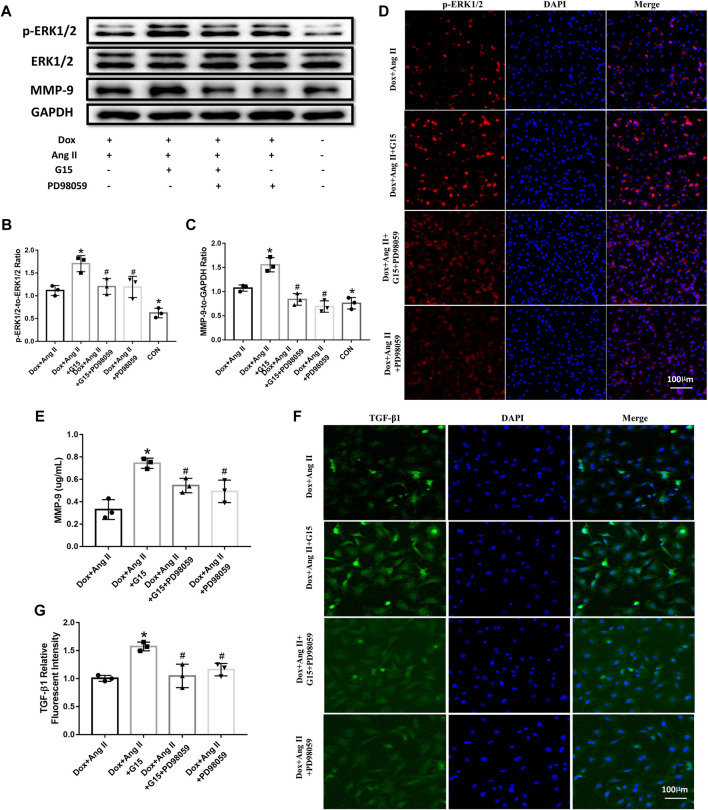
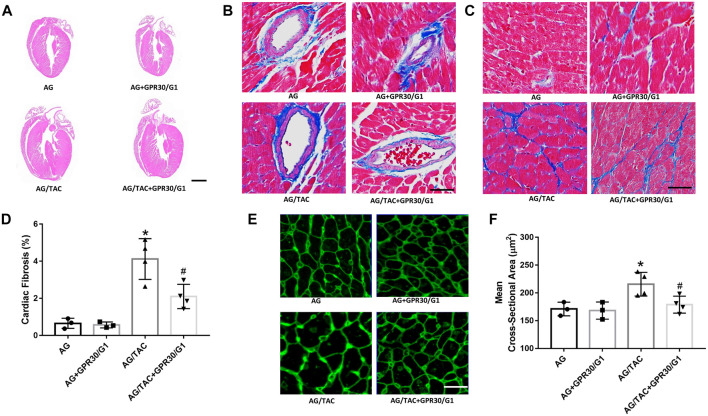
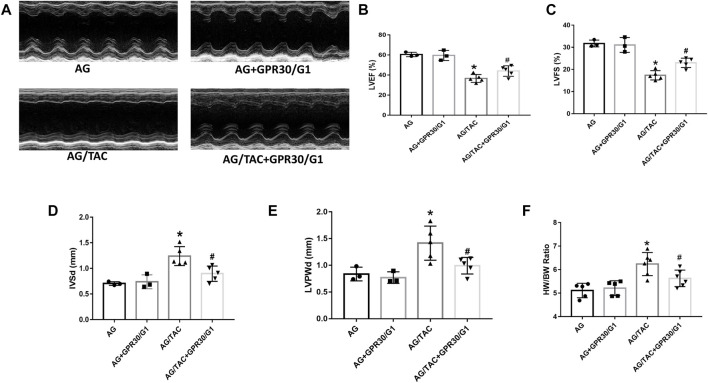
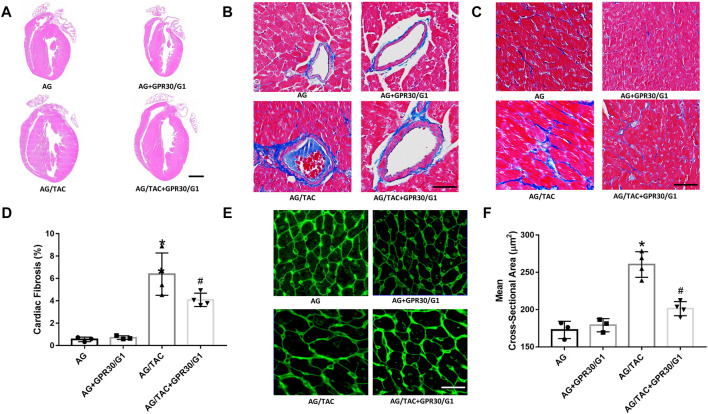
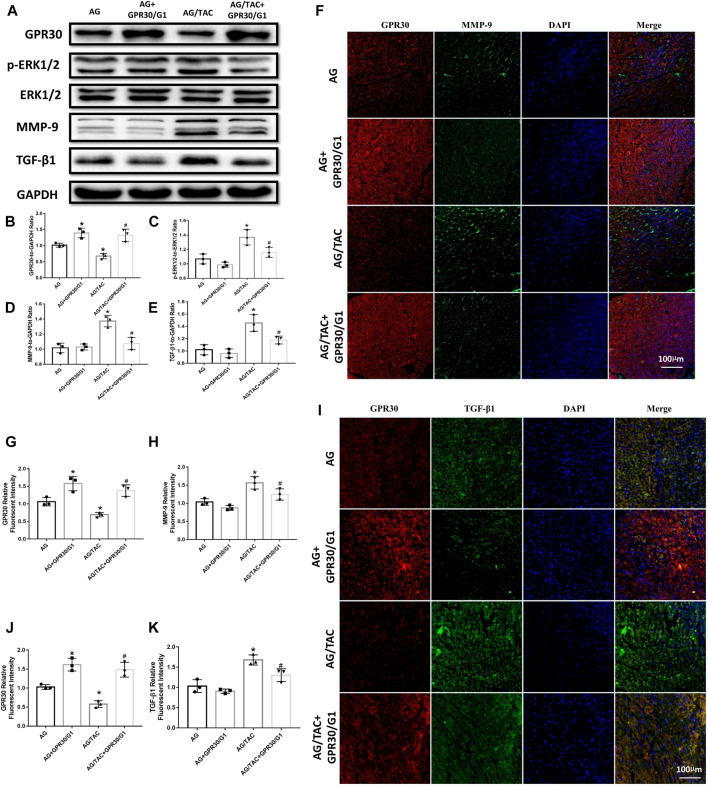
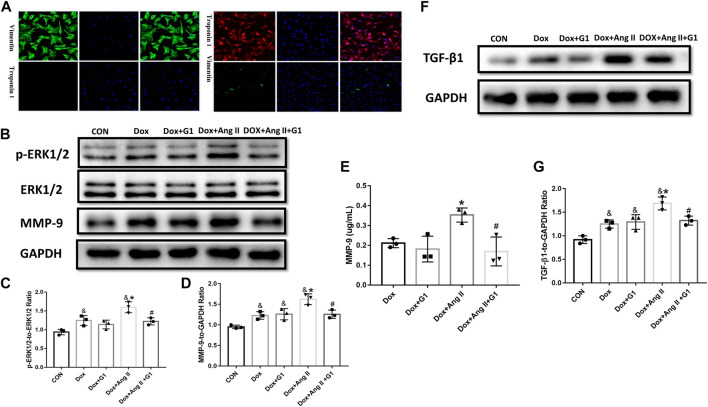
The incidence of cardiovascular diseases was significantly increased in postmenopausal women. The protection of estrogen in the cardiovascular system has been further reported for decades. Although menopausal hormone therapy has been used in many clinical trials, the debatable results indicate that the studies for elucidating the precise molecular mechanism are urgently required. G protein-coupled estrogen receptor 30 (GPR30) is a membrane receptor of estrogen and displays protective roles in diverse cardiovascular diseases. Previous studies have revealed that ERK1/2-mediated MMP-9 signaling was involved in ischemic heart diseases. However, the role of ERK1/2-mediated MMP-9 signaling in the protection of GPR30 against cardiac hypertrophy in aged female mice has not been investigated. Our present study demonstrated that GPR30 overexpression and its agonist G1 co-administration reduced transverse aortic constriction-induced myocardial fibrosis and preserved cardiac function in aged female mice. MMP-9 expression was markedly increased ERK1/2 phosphorylation in transverse aortic constriction-injured myocardium of aged female mice. Further results showed that GPR30/G1 activation decreased MMP-9 expression ERK1/2 inhibition, which further reduced TGF-β1 expression. Inhibition of the ERK1/2 signaling pathway by its inhibitor PD98059 suppressed the induction of the cardiomyocyte MMP-9 level caused by the GRP30 antagonist G15 and inhibited TGF-β1 expression in cardiac fibroblast . In summary, our results from and studies indicated that GPR30 activation inhibited myocardial fibrosis and preserved cardiac function inhibiting ERK-mediated MMP-9 expression. Thus, the present study may provide the novel drug targets for prevention and treatment of cardiac pathological hypertrophy in postmenopausal women.
绝经后女性心血管疾病的发病率显著增加。数十年来,雌激素对心血管系统的保护作用已有进一步报道。尽管绝经激素疗法已在许多临床试验中应用,但其有争议的结果表明,迫切需要开展研究以阐明其精确的分子机制。G蛋白偶联雌激素受体30(GPR30)是雌激素的膜受体,在多种心血管疾病中发挥保护作用。先前的研究表明,ERK1/2介导的MMP-9信号通路参与缺血性心脏病。然而,ERK1/2介导的MMP-9信号通路在老年雌性小鼠中GPR30对心脏肥大的保护作用中的作用尚未得到研究。我们目前的研究表明,GPR30过表达及其激动剂G1共同给药可减少老年雌性小鼠横断主动脉缩窄诱导的心肌纤维化并保留心脏功能。在老年雌性小鼠横断主动脉缩窄损伤的心肌中,MMP-9表达显著增加,ERK1/2磷酸化增加。进一步的结果表明,GPR30/G1激活通过抑制ERK1/2降低MMP-9表达,进而降低TGF-β1表达。其抑制剂PD98059抑制ERK1/2信号通路可抑制GRP30拮抗剂G15引起的心肌细胞MMP-9水平升高,并抑制心脏成纤维细胞中TGF-β1表达。总之,我们的研究结果表明,GPR30激活通过抑制ERK介导的MMP-9表达来抑制心肌纤维化并保留心脏功能。因此,本研究可能为绝经后女性心脏病理性肥大的预防和治疗提供新的药物靶点。