Department of Fixed Prosthodontics, Osaka University Graduate School of Dentistry, 1-8, Yamadaoka, Suita, Osaka, 565-0871, Japan.
Department of Oral Physiology, Osaka University Graduate School of Dentistry, 1-8, Yamadaoka, Suita, Osaka, 565-0871, Japan.
Clin Oral Investig. 2022 Mar;26(3):2965-2973. doi: 10.1007/s00784-021-04278-9. Epub 2021 Nov 23.
The FTO gene has been reported as an obesity-associated gene and is also considered a risk gene for osteoarthritis (OA). However, its exact function is unclear, and there is conflicting evidence on the involvement of FTO polymorphisms in OA via obesity. The purpose of this study was to determine the effects of FTO polymorphism rs8044769 alleles on OA in the temporomandibular joint (TMJ), which is minimally affected by body weight.
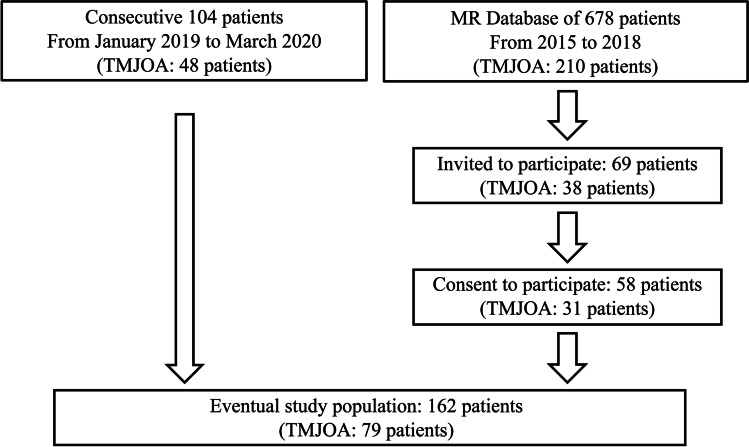
A total of 324 TMJs (113 with OA and 211 without OA, serving as controls) from 162 Japanese patients with temporomandibular disorders and undergoing MRI examination were analyzed. Genotyping was conducted, and multivariate analysis was performed after adjusting for the effects of age, sex, body mass index, and TMJ disc abnormalities.
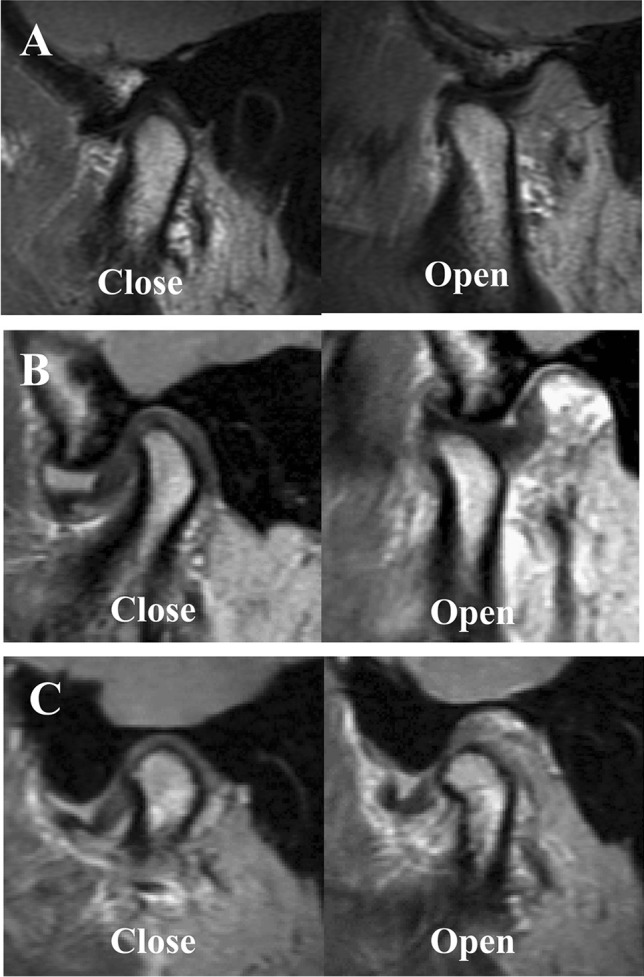
Mean age, BMI, and sex did not differ between the TMJs with OA and the TMJs without OA, but a significant difference was found for positional and dynamic disc abnormalities (P < 0.05). The allele frequency of FTO polymorphisms also differed significantly between the TMJs with OA and the TMJs without OA (P = 0.011). Moreover, logistic regression analysis showed no significant association between BMI (P = 0.581) and the occurrence of TMJOA but also indicated that the CC allele of rs8044769 is a risk factor for TMJOA (P = 0.040).
Our results show that rs8044769 in the FTO gene might be involved in TMJOA.
The present study provides a basis for a deeper understanding of the mechanism underlying degenerative skeletal diseases and the more effective selection and development of treatment strategies based on the patients' genetic characteristics.
FTO 基因已被报道为与肥胖相关的基因,也被认为是骨关节炎(OA)的风险基因。然而,其确切功能尚不清楚,并且关于 FTO 多态性通过肥胖参与 OA 的证据存在冲突。本研究旨在确定 FTO 多态性 rs8044769 等位基因对颞下颌关节(TMJ)OA 的影响,TMJ 受体重影响较小。
对 162 例颞下颌关节紊乱患者的 324 个 TMJ(113 个有 OA,211 个无 OA,作为对照)进行了分析。进行了基因分型,并在调整年龄、性别、体重指数和 TMJ 盘异常的影响后进行了多变量分析。
OA 组和无 OA 组的 TMJ 之间的平均年龄、BMI 和性别无差异,但在位置和动态盘异常方面存在显著差异(P < 0.05)。FTO 多态性的等位基因频率也在 OA 组和无 OA 组之间存在显著差异(P = 0.011)。此外,逻辑回归分析显示 BMI 与 TMJOA 的发生之间无显著相关性(P = 0.581),但 rs8044769 的 CC 等位基因是 TMJOA 的危险因素(P = 0.040)。
我们的结果表明,FTO 基因中的 rs8044769 可能与 TMJOA 有关。
本研究为深入了解退行性骨骼疾病的发病机制以及基于患者遗传特征更有效地选择和开发治疗策略提供了依据。