Department of Rheumatology, The First Affiliated Hospital of Anhui Medical University, Hefei, Anhui, 230022, People's Republic of China.
Department of Endocrinology, The First Affiliated Hospital of Anhui Medical University, Hefei, Anhui, 230022, People's Republic of China.
Drug Des Devel Ther. 2021 Nov 11;15:4633-4647. doi: 10.2147/DDDT.S336490. eCollection 2021.
To explore whether metformin (MET) can affect the biological behaviour and CD133 mRNA expression of CD133 colon cancer stem cells (CCSCs) through miR-342-3p.
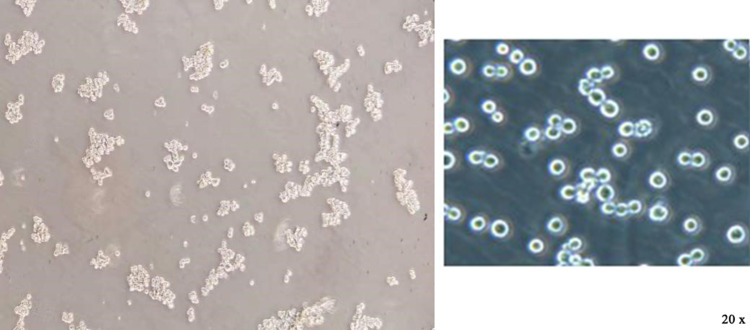
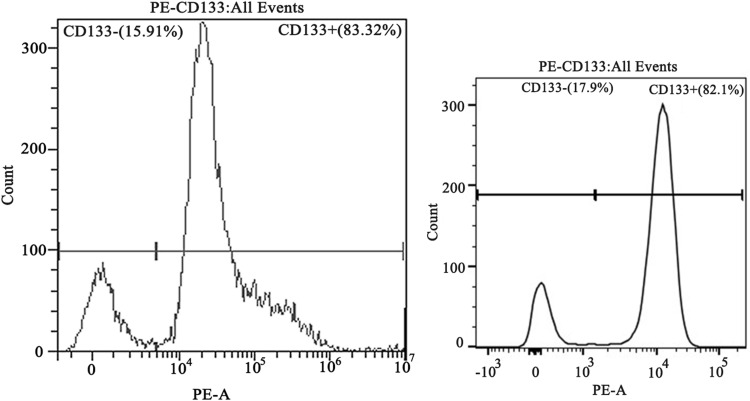
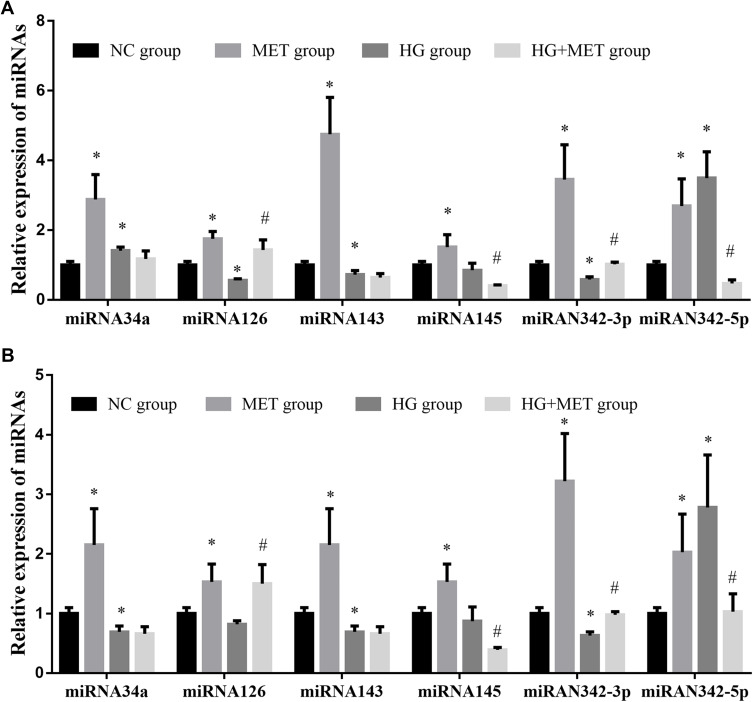
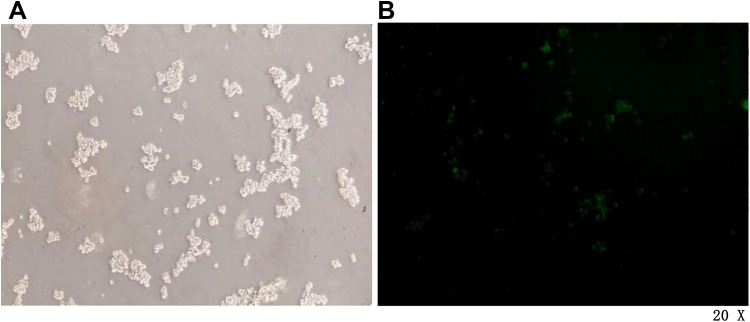
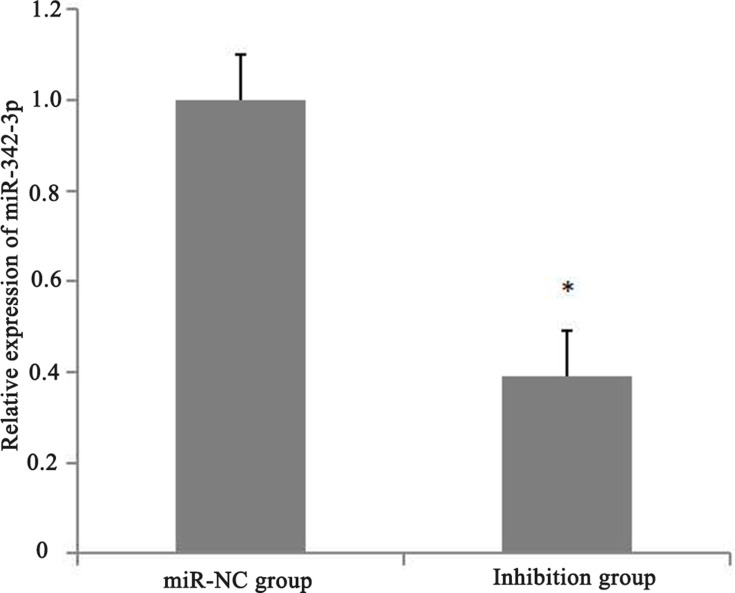
The direct immunomagnetic bead method was used to select CD133 CCSCs from the SW480 and HCT116 cell lines, and miRNA-tailing qRT-PCR was used to detect the expression changes of tumor suppressor-related miRNAs (miR-34a, miR-126, miR-143, miR-145, miR-342-3p, miR-342-5p) after MET intervention. Then, miR-342-3p with markedly significant differential expression was selected as the target miRNA. The lentiviruses LV16-hsa-miR-342-3p inhibitor and LV16-NC were used for the transfection inhibition test. CCK-8, flow cytometry, and qRT-PCR were used to detect the cell viability, apoptosis rate, and CD133 mRNA expression of CD133 CCSCs.
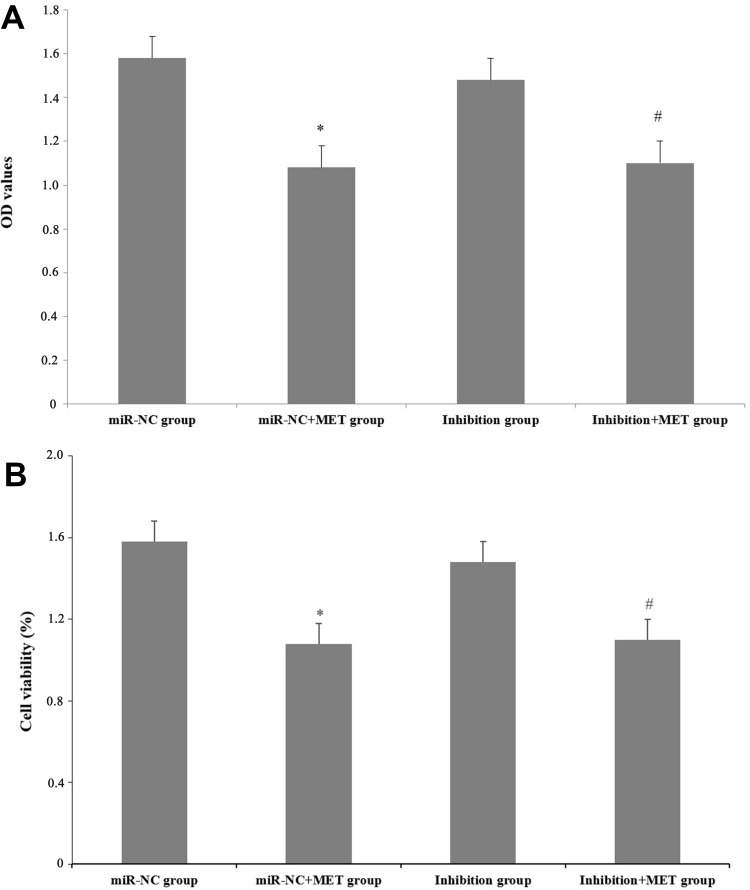
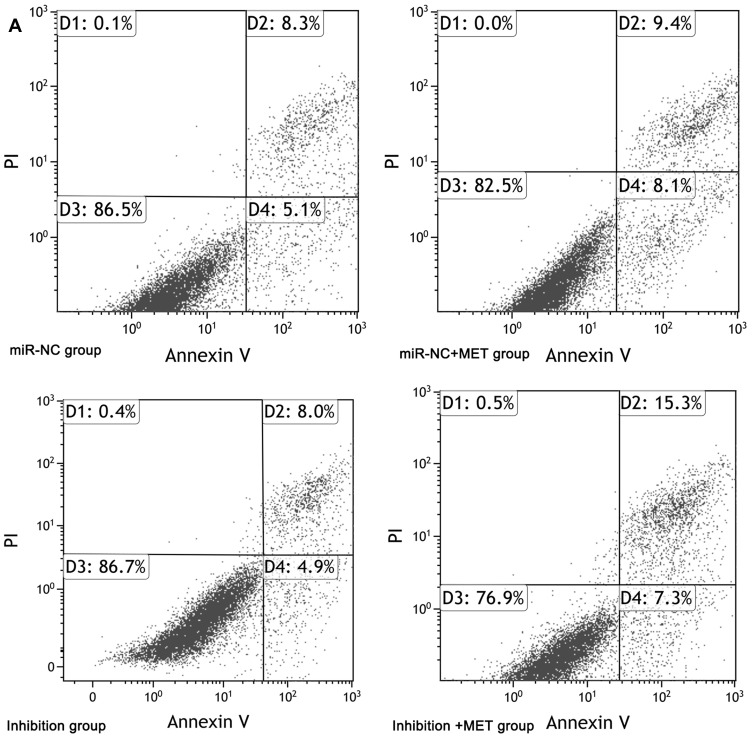
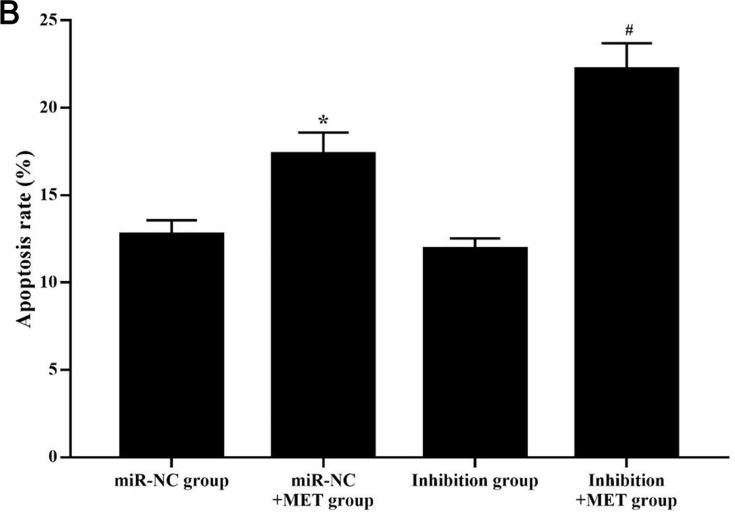
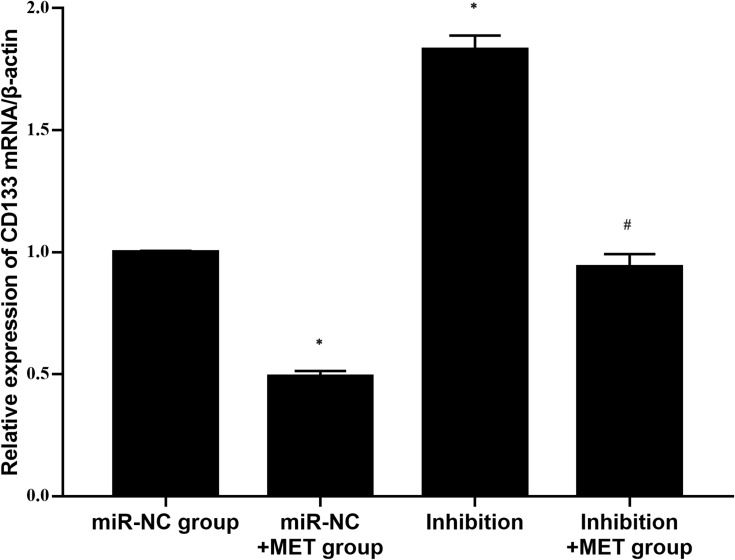
Under the high-glucose environment, the expression of tumor suppressor-related miRNAs in CCSCs changed differently ( <0.05), MET also had different effects on the expression of tumor suppressor-related miRNA under different glucose concentrations (<0.05). Among them, MET upregulates the expression of miR-342-3p in CCSCs for the first time. The results of the lentiviruses transfection inhibition test showed that after miR-342-3p was inhibited, the cell viability and apoptosis rate of CD133 CCSCs did not change significantly compared with before inhibition (>0.05), but the expression of CD133 mRNA markedly increased (<0.05). Meanwhile, after MET intervention, the apoptosis rate and the expression of CD133 mRNA of CD133 CCSCs was significantly increased, and the proliferation of CD133 CCSCs was obviously inhibited (<0.05).
MET upregulating the expression of miR-342-3p may not have a significant effect on the proliferation and apoptosis of CD133 CCSCs, but it can reduce the expression of CD133 mRNA in CD133 CCSCs.
探讨二甲双胍(MET)是否通过 miR-342-3p 影响 CD133 结肠癌细胞(CCSCs)的生物学行为和 CD133mRNA 表达。
采用直接免疫磁珠法从 SW480 和 HCT116 细胞系中分选 CD133 CCSCs,miRNA 尾端 qRT-PCR 检测 MET 干预后肿瘤抑制相关 miRNA(miR-34a、miR-126、miR-143、miR-145、miR-342-3p、miR-342-5p)的表达变化,然后选择表达差异有显著意义的 miR-342-3p 为靶 miRNA,利用慢病毒 LV16-hsa-miR-342-3p 抑制剂和 LV16-NC 进行转染抑制实验,采用 CCK-8、流式细胞术、qRT-PCR 检测 CD133 CCSCs 的细胞活力、凋亡率和 CD133mRNA 表达。
在高糖环境下,CCSCs 中肿瘤抑制相关 miRNA 的表达变化不同(<0.05),MET 在不同葡萄糖浓度下对肿瘤抑制相关 miRNA 的表达也有不同的影响(<0.05)。其中,MET 首次上调 CCSCs 中 miR-342-3p 的表达。慢病毒转染抑制实验结果显示,miR-342-3p 被抑制后,CD133 CCSCs 的细胞活力和凋亡率与抑制前相比无明显变化(>0.05),但 CD133mRNA 的表达明显增加(<0.05)。同时,MET 干预后,CD133 CCSCs 的凋亡率和 CD133mRNA 表达明显增加,CD133CCSCs 的增殖明显受到抑制(<0.05)。
MET 上调 miR-342-3p 的表达可能对 CD133 CCSCs 的增殖和凋亡没有明显影响,但可以降低 CD133CCSCs 中 CD133mRNA 的表达。