State Key Laboratory of Respiratory Disease, National Clinical Research Center for Respiratory Disease, Guangzhou Institute of Respiratory Health, the First Affiliated Hospital of Guangzhou Medical Universitygrid.410737.6, Guangzhou, China.
Pediatric Pulmonary Department, Guangzhou Women and Children's Medical Center, Guangzhou Medical Universitygrid.410737.6, Guangzhou, China.
J Virol. 2022 Feb 9;96(3):e0184221. doi: 10.1128/JVI.01842-21. Epub 2021 Nov 24.
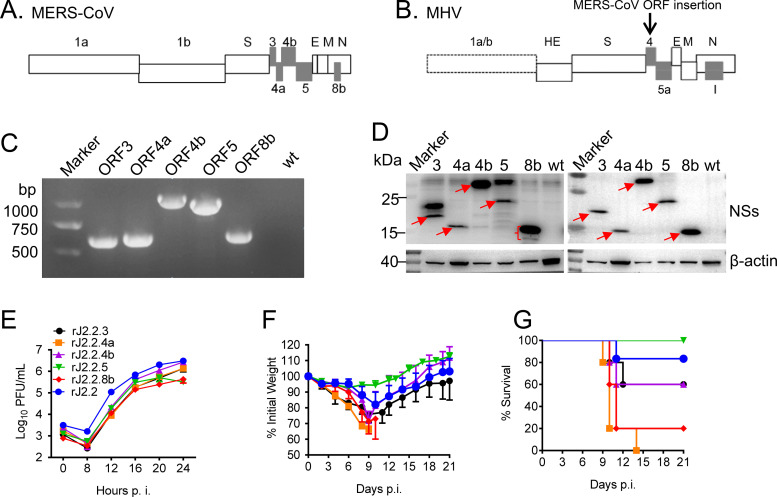
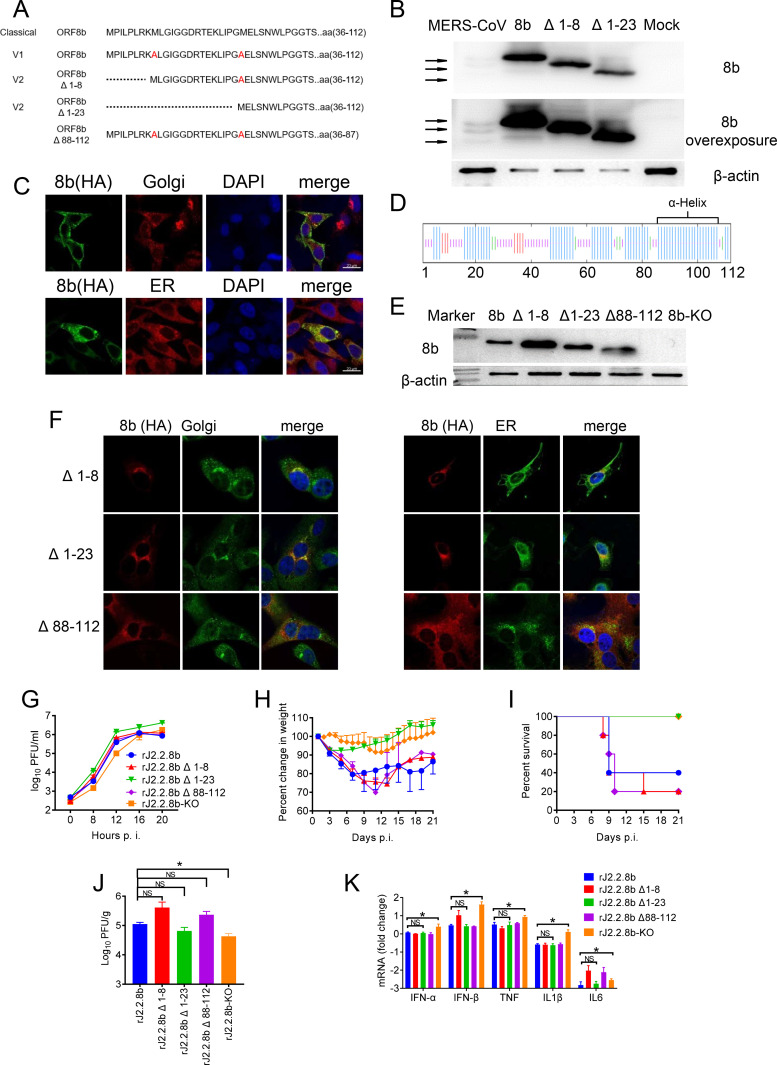
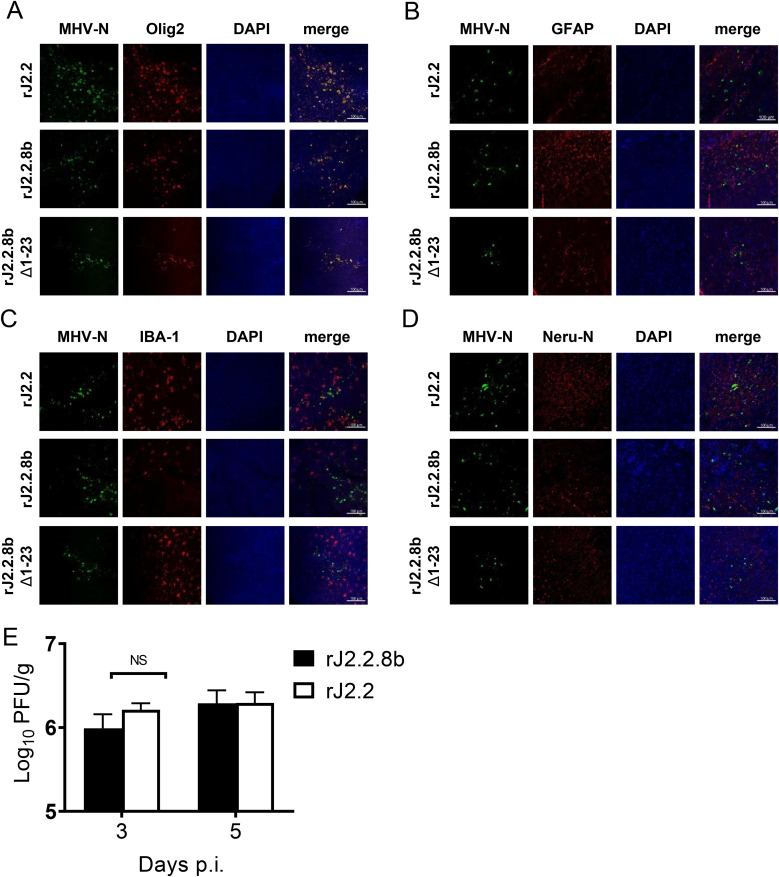
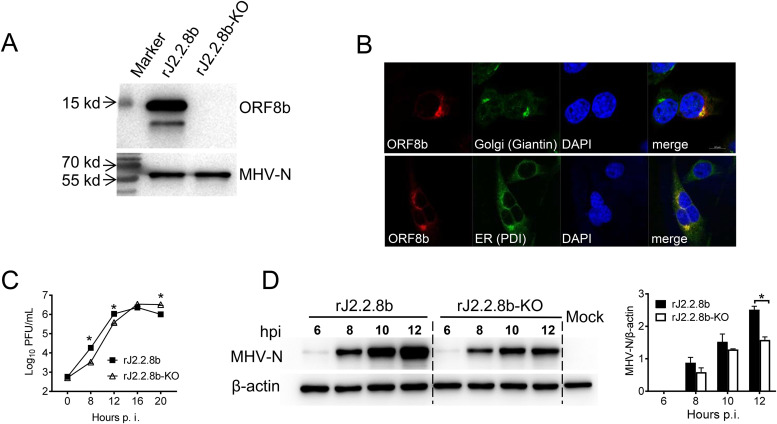
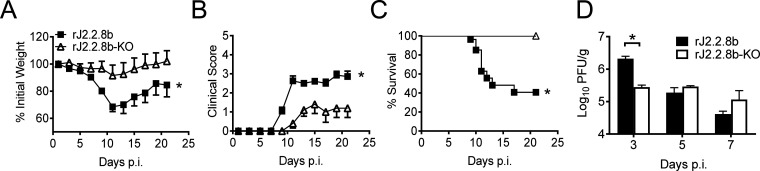
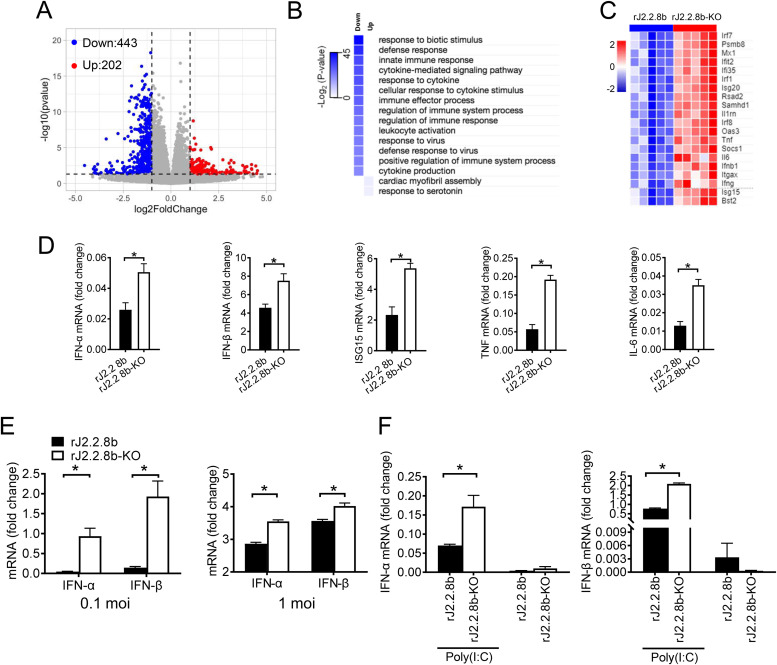
Middle East respiratory syndrome coronavirus (MERS-CoV) is a beta coronavirus that emerged in 2012, causing severe pneumonia and renal failure. MERS-CoV encodes five accessory proteins. Some of them have been shown to interfere with host antiviral immune response. However, the roles of protein 8b in innate immunity and viral virulence was rarely studied. Here, we introduced individual MERS-CoV accessory protein genes into the genome of an attenuated murine coronavirus (Mouse hepatitis virus, MHV), respectively, and found accessory protein 8b could enhance viral replication and and increase the lethality of infected mice. RNA-seq analysis revealed that protein 8b could significantly inhibit type I interferon production (IFN-I) and innate immune response in mice infected with MHV expressing protein 8b. We also found that MERS-CoV protein 8b could initiate from multiple internal methionine sites and at least three protein variants were identified. Residues 1-23 of protein 8b was demonstrated to be responsible for increased virulence . In addition, the inhibitory effect on IFN-I of protein 8b might not contribute to its virulence enhancement as aa1-23 deletion did not affect IFN-I production and . Next, we also found that protein 8b was localized to the endoplasmic reticulum (ER)/Golgi membrane in infected cells, which was disrupted by C-terminal region aa 88-112 deletion. This study will provide new insight into the pathogenesis of MERS-CoV infection. Multiple coronaviruses (CoV) cause severe respiratory infections and become global public health threats such as SARS-CoV, MERS-CoV, and SARS-CoV-2. Each coronavirus contains different numbers of accessory proteins which show high variability among different CoVs. Accessory proteins are demonstrated to play essential roles in pathogenesis of CoVs. MERS-CoV contains 5 accessory proteins (protein 3, 4a, 4b, 5, 8b), and deletion of all four accessory proteins (protein 3, 4a, 4b, 5), significantly affects MERS-CoV replication and pathogenesis. However, whether ORF8b also regulates MERS-CoV infection is unknown. Here, we constructed mouse hepatitis virus (MHV) recombinant virus expressing MERS-CoV protein 8b and demonstrated protein 8b could significantly enhance the virulence of MHV, which is mediated by N-terminal domain of protein 8b. This study will shed light on the understanding of pathogenesis of MERS-CoV infection.
中东呼吸综合征冠状病毒(MERS-CoV)是一种β冠状病毒,于 2012 年出现,可导致严重肺炎和肾衰竭。MERS-CoV 编码 5 种辅助蛋白。其中一些已被证明可干扰宿主抗病毒免疫反应。然而,蛋白 8b 在先天免疫和病毒毒力中的作用很少被研究。在这里,我们分别将 MERS-CoV 的辅助蛋白基因引入到一种减毒鼠冠状病毒(鼠肝炎病毒,MHV)的基因组中,发现辅助蛋白 8b 可增强病毒复制和感染 MHV 表达蛋白 8b 的小鼠的致死率。RNA-seq 分析显示,蛋白 8b 可显著抑制感染 MHV 的小鼠中Ⅰ型干扰素(IFN-I)的产生和先天免疫反应。我们还发现,MERS-CoV 蛋白 8b 可以从多个内部甲硫氨酸位点起始,并且鉴定了至少三种蛋白变异体。蛋白 8b 的残基 1-23 被证明负责增强毒力。此外,蛋白 8b 对 IFN-I 的抑制作用可能不会影响其增强病毒毒力,因为 aa1-23 缺失不影响 IFN-I 的产生。接下来,我们还发现蛋白 8b 在感染细胞中定位于内质网(ER)/高尔基体膜,其 C 端区域 aa88-112 缺失会破坏该定位。这项研究将为 MERS-CoV 感染的发病机制提供新的见解。多种冠状病毒(CoV)可引起严重的呼吸道感染,并成为 SARS-CoV、MERS-CoV 和 SARS-CoV-2 等全球性公共卫生威胁。每种冠状病毒都包含不同数量的辅助蛋白,这些蛋白在不同的 CoV 之间具有高度变异性。辅助蛋白被证明在 CoV 的发病机制中发挥重要作用。MERS-CoV 包含 5 种辅助蛋白(蛋白 3、4a、4b、5、8b),缺失所有 4 种辅助蛋白(蛋白 3、4a、4b、5)会显著影响 MERS-CoV 的复制和发病机制。然而,ORF8b 是否也调节 MERS-CoV 感染尚不清楚。在这里,我们构建了表达 MERS-CoV 蛋白 8b 的鼠肝炎病毒(MHV)重组病毒,并证明蛋白 8b 可显著增强 MHV 的毒力,这是由蛋白 8b 的 N 端结构域介导的。这项研究将有助于理解 MERS-CoV 感染的发病机制。