Tkáčová Zuzana, Bhide Katarína, Mochnáčová Evelina, Petroušková Patrícia, Hruškovicová Jana, Kulkarni Amod, Bhide Mangesh
Laboratory of Biomedical Microbiology and Immunology, The University of Veterinary Medicine and Pharmacy, Kosice, Slovakia.
Institute of Neuroimmunology, Slovak Academy of Sciences, Bratislava, Slovakia.
Front Microbiol. 2021 Nov 8;12:760627. doi: 10.3389/fmicb.2021.760627. eCollection 2021.
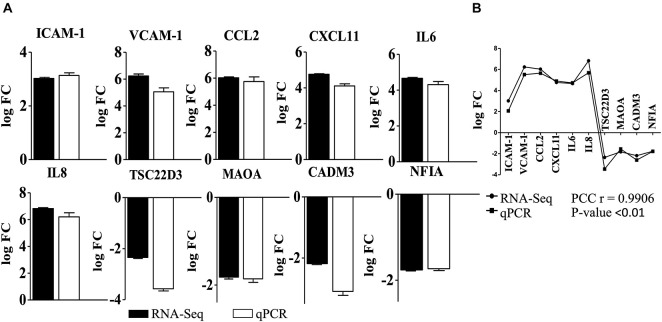
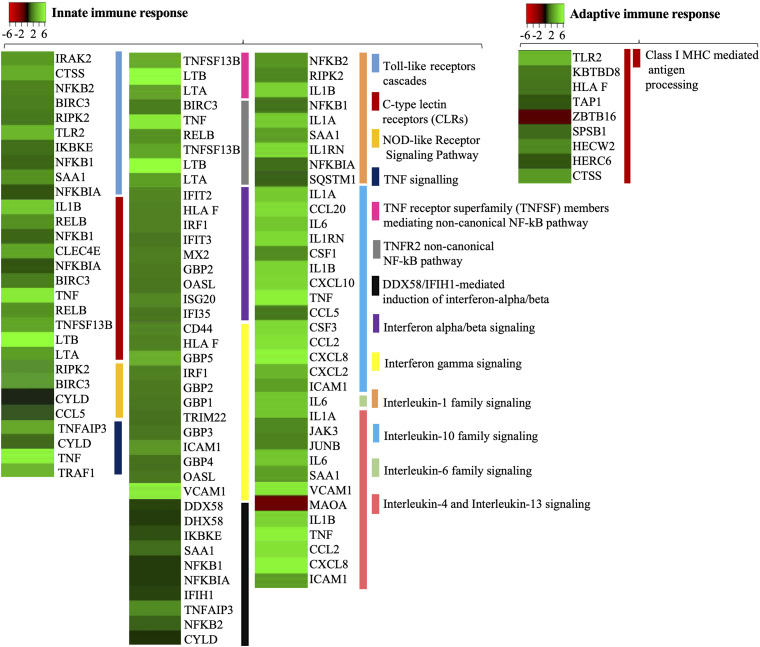
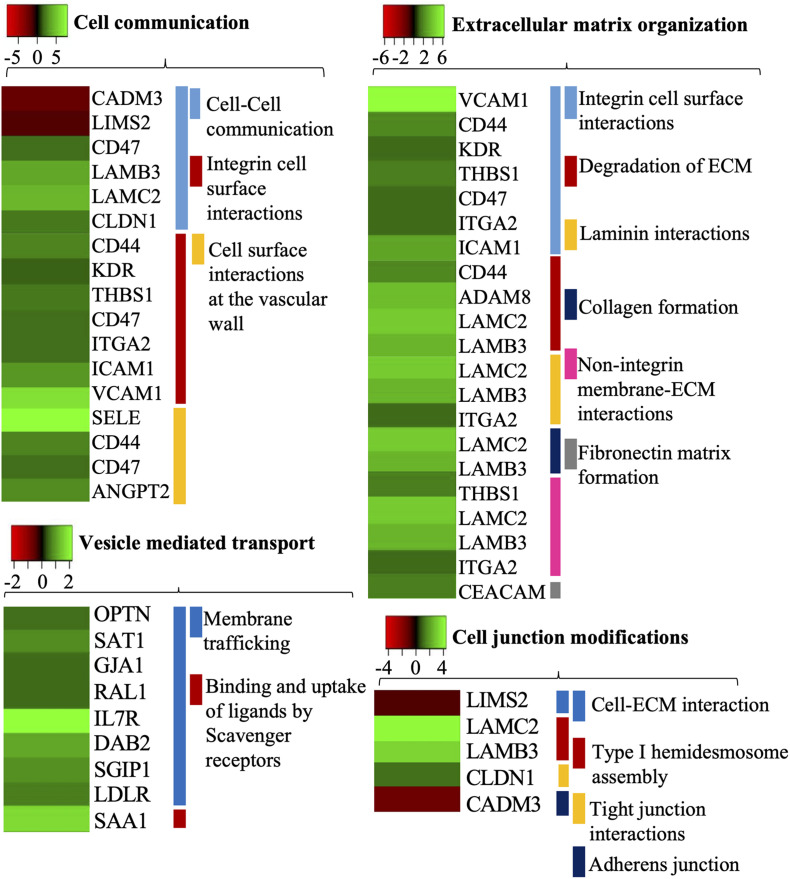
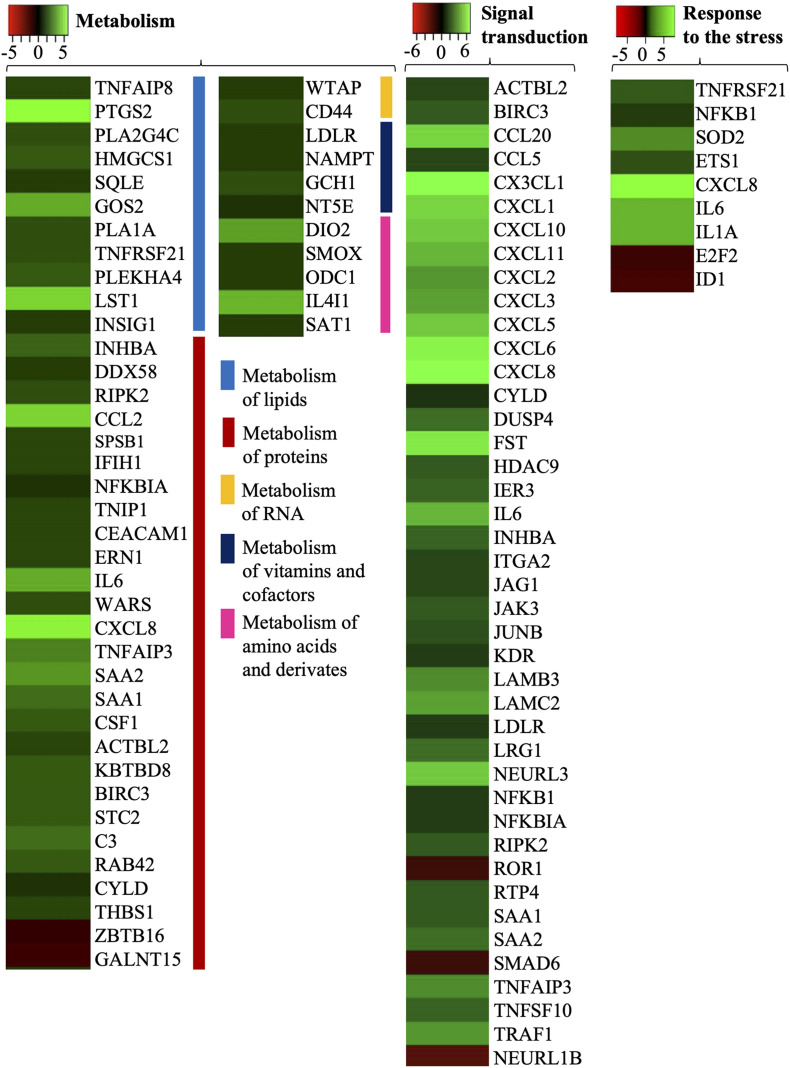
can invade the central nervous system (CNS) by crossing the blood-brain barrier (BBB). It is predicted that evokes numerous signaling cascades in the human brain microvascular endothelial cells (hBMECs) and exploits them to traverse across the BBB. The complete picture of signaling events in hBMECs induced by remains uncovered. Using RNA sequencing, we mapped 11,398 genes and identified 295 differentially expressed genes (DEGs, 251 upregulated genes and 44 downregulated genes) in challenged hBMECs. The results obtained from RNA-seq were validated with qPCR. Gene ontology analysis revealed the participation of DEGs in a number of biological processes like cell communication, organization of the extracellular matrix, vesicle-mediated transport, cell response triggered by pattern recognition receptors, antigen processing via MHC class I, cellular stress, metabolism, signal transduction, etc. The expression of several non-protein coding genes was also evoked. In this manuscript, we discuss in detail the correlation between several signaling cascades elicited and the translocation of BBB by . The data revealed here may contribute to a better understanding of the mechanisms employed by to cross the BBB.
可通过穿越血脑屏障(BBB)侵入中枢神经系统(CNS)。据预测,其在人脑血管内皮细胞(hBMECs)中引发众多信号级联反应,并利用这些反应穿越血脑屏障。由其诱导的hBMECs中信号事件的全貌仍未被揭示。利用RNA测序,我们绘制了11,398个基因图谱,并在受挑战的hBMECs中鉴定出295个差异表达基因(DEGs,251个上调基因和44个下调基因)。RNA测序得到的结果通过qPCR进行了验证。基因本体分析显示,差异表达基因参与了许多生物过程,如细胞通讯、细胞外基质组织、囊泡介导的运输、模式识别受体触发的细胞反应、通过MHC I类进行的抗原加工、细胞应激、代谢、信号转导等。还诱导了几个非蛋白质编码基因的表达。在本手稿中,我们详细讨论了所引发的几种信号级联反应与血脑屏障的易位之间的相关性。此处揭示的数据可能有助于更好地理解其穿越血脑屏障所采用的机制。