Department of Molecular and Cellular Oncology, The University of Texas MD Anderson Cancer Center, Houston, TX 77030, USA.
Center for Precision Health, School of Biomedical Informatics, The University of Texas Health Science Center at Houston, Houston, TX 77030, USA.
Cancer Cell. 2022 Jan 10;40(1):36-52.e9. doi: 10.1016/j.ccell.2021.11.002. Epub 2021 Nov 24.
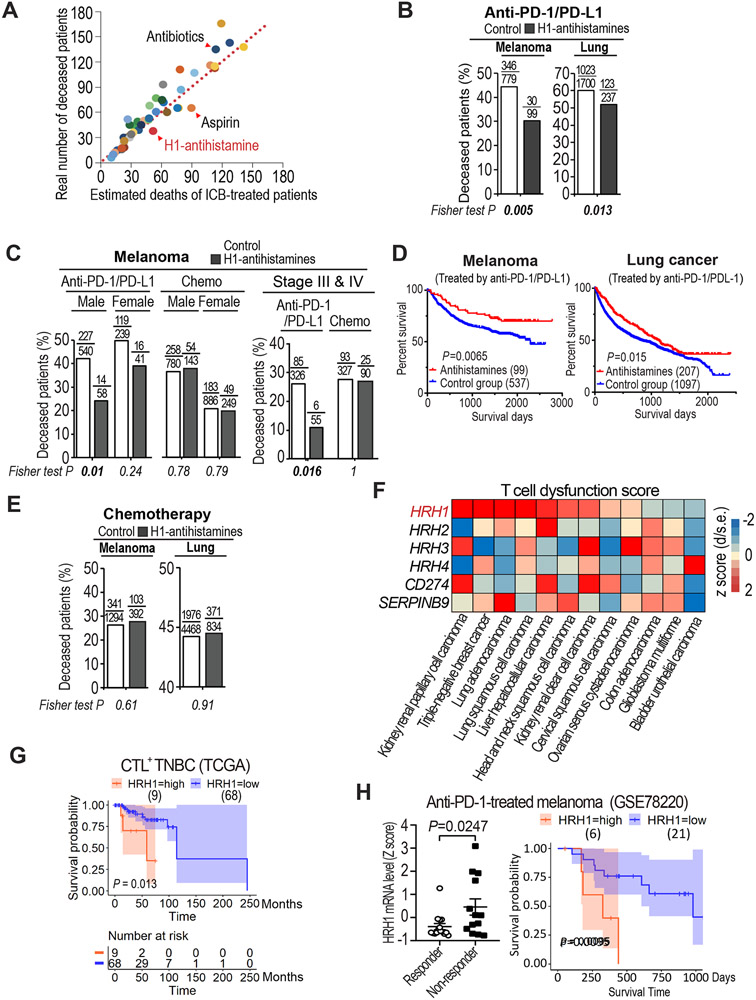
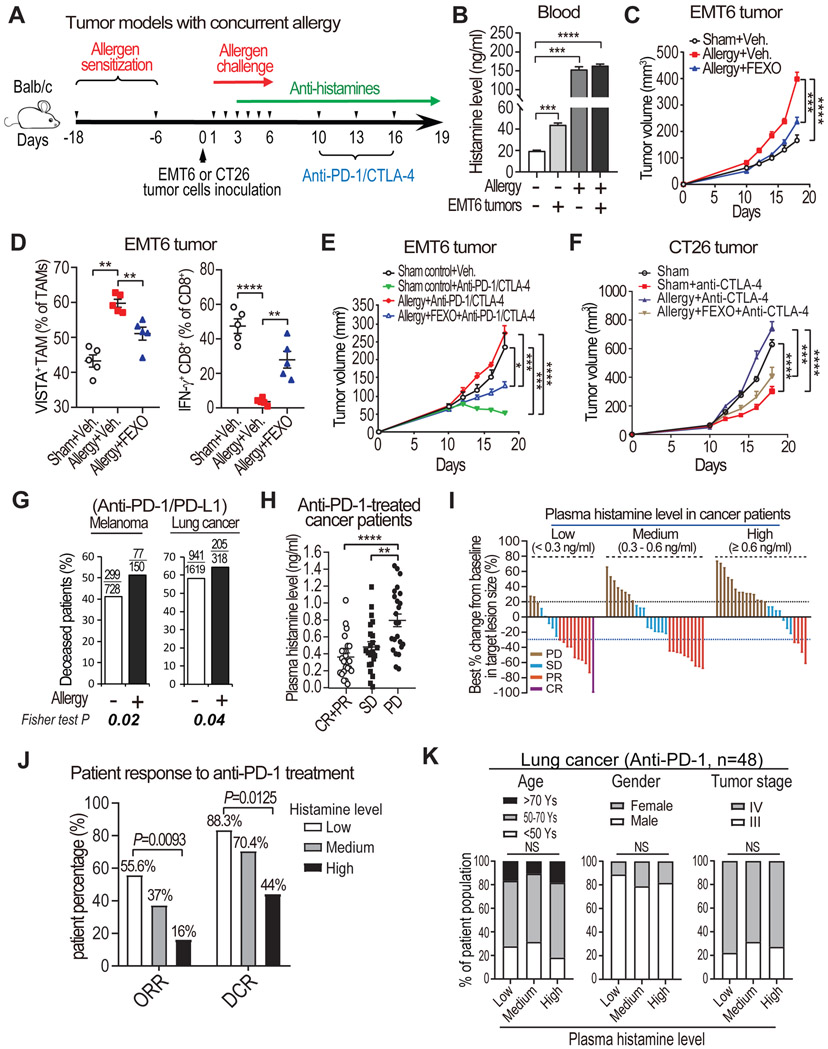
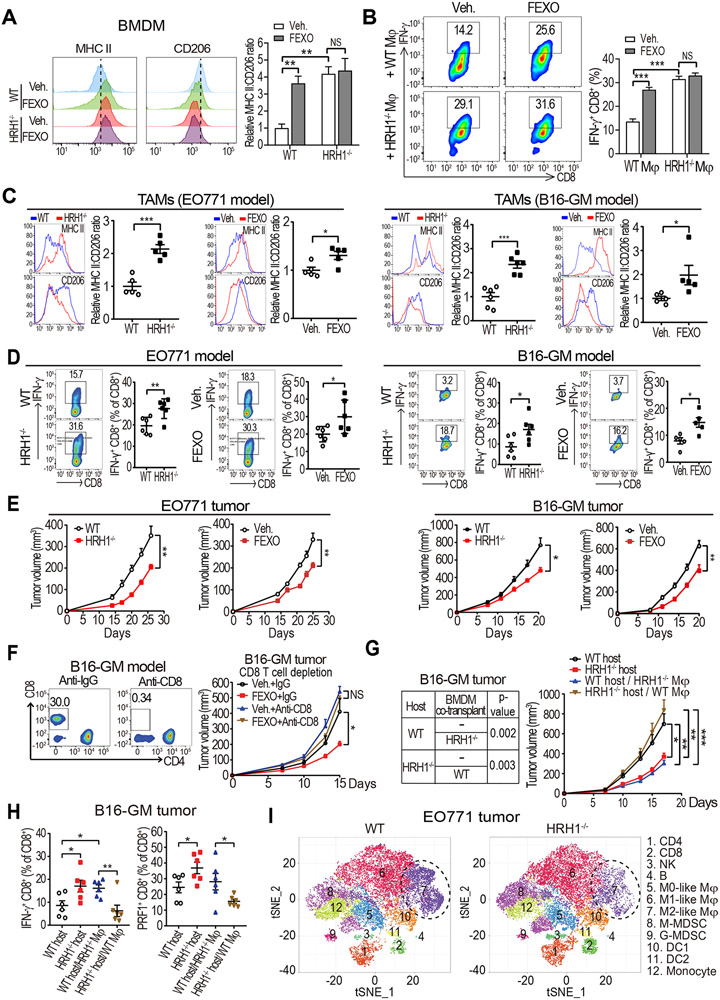
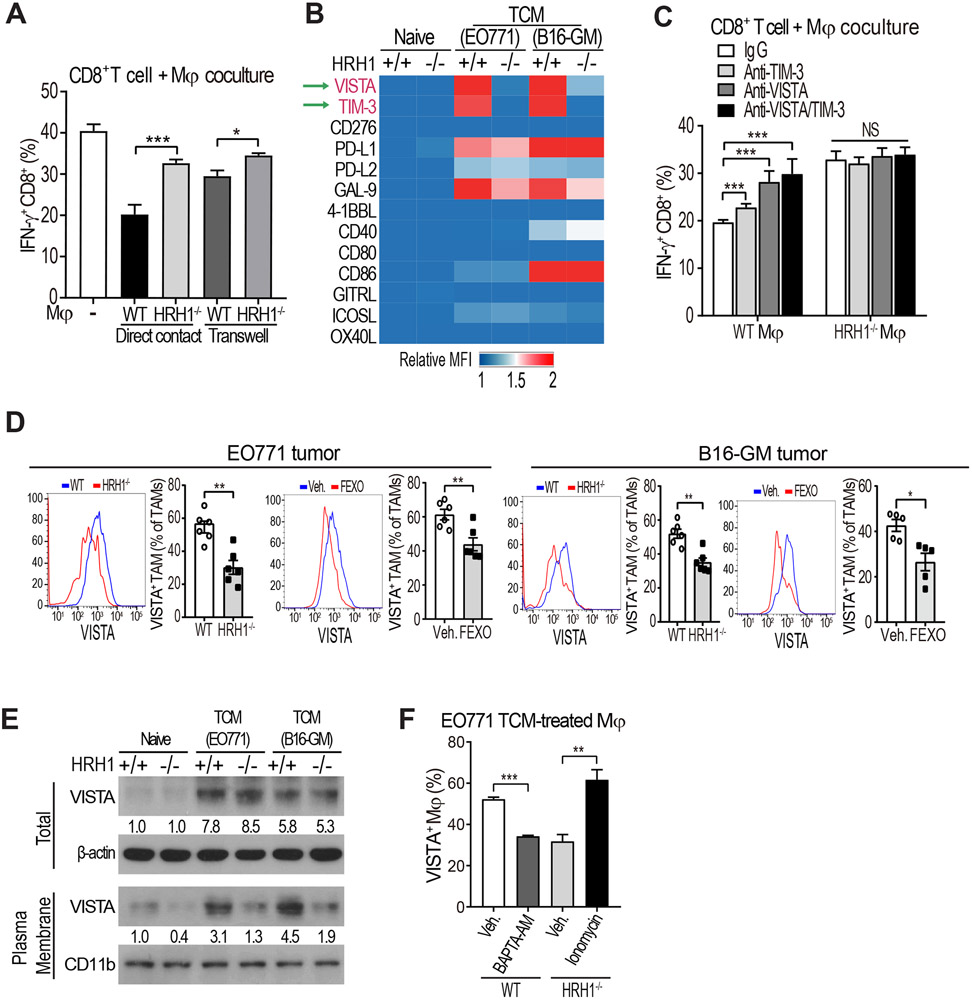
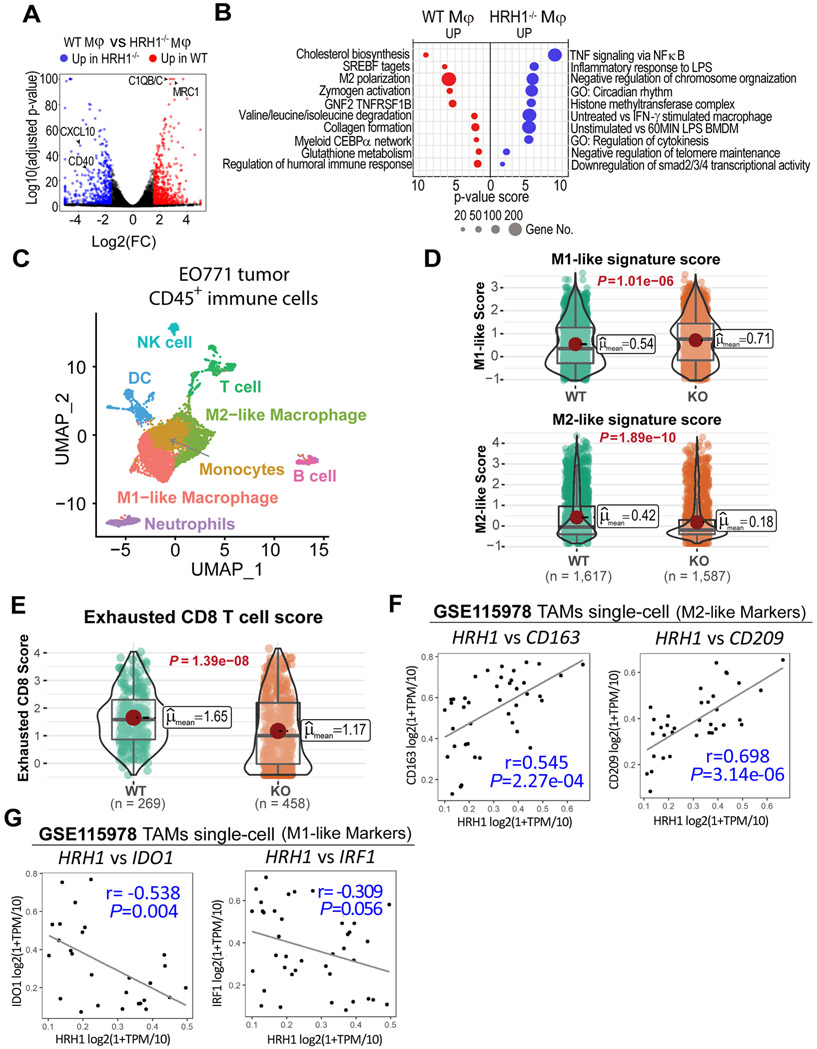
Reinvigoration of antitumor immunity remains an unmet challenge. Our retrospective analyses revealed that cancer patients who took antihistamines during immunotherapy treatment had significantly improved survival. We uncovered that histamine and histamine receptor H1 (HRH1) are frequently increased in the tumor microenvironment and induce T cell dysfunction. Mechanistically, HRH1-activated macrophages polarize toward an M2-like immunosuppressive phenotype with increased expression of the immune checkpoint VISTA, rendering T cells dysfunctional. HRH1 knockout or antihistamine treatment reverted macrophage immunosuppression, revitalized T cell cytotoxic function, and restored immunotherapy response. Allergy, via the histamine-HRH1 axis, facilitated tumor growth and induced immunotherapy resistance in mice and humans. Importantly, cancer patients with low plasma histamine levels had a more than tripled objective response rate to anti-PD-1 treatment compared with patients with high plasma histamine. Altogether, pre-existing allergy or high histamine levels in cancer patients can dampen immunotherapy responses and warrant prospectively exploring antihistamines as adjuvant agents for combinatorial immunotherapy.
重振抗肿瘤免疫仍然是一个未满足的挑战。我们的回顾性分析表明,在免疫治疗期间服用抗组胺药的癌症患者的生存显著改善。我们发现,组胺和组胺受体 H1(HRH1)在肿瘤微环境中经常增加,并诱导 T 细胞功能障碍。从机制上讲,HRH1 激活的巨噬细胞向具有增加的免疫检查点 VISTA 表达的 M2 样免疫抑制表型极化,使 T 细胞功能失调。HRH1 敲除或抗组胺治疗可逆转巨噬细胞免疫抑制,恢复 T 细胞细胞毒性功能,并恢复免疫治疗反应。过敏通过组胺-HRH1 轴促进肿瘤生长,并在小鼠和人类中诱导免疫治疗耐药性。重要的是,与高血浆组胺水平的患者相比,血浆组胺水平低的癌症患者对抗 PD-1 治疗的客观反应率增加了两倍以上。总之,癌症患者预先存在的过敏或高组胺水平会抑制免疫治疗反应,因此有必要前瞻性地探索抗组胺药作为联合免疫治疗的辅助药物。