Department of Neurology, Drum Tower Hospital, Medical School and The State Key Laboratory of Pharmaceutical Biotechnology, Institute of Brain Science, Nanjing University, Nanjing 210008, China.
Jiangsu Key Laboratory for Molecular Medicine, Medical School of Nanjing University, Nanjing 210008, China.
Oxid Med Cell Longev. 2021 Nov 16;2021:2961079. doi: 10.1155/2021/2961079. eCollection 2021.
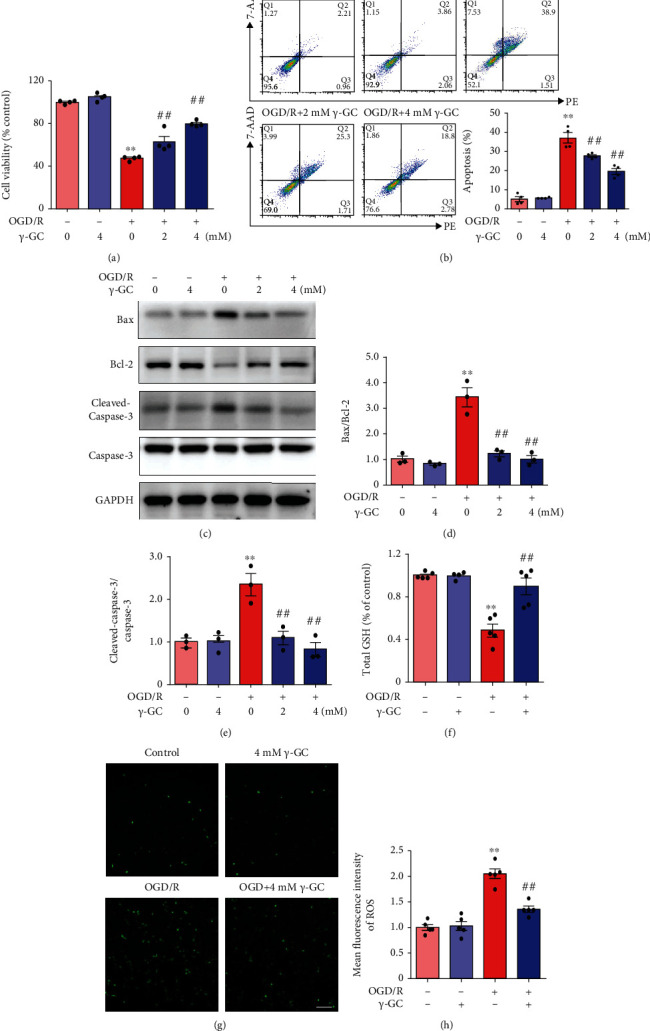
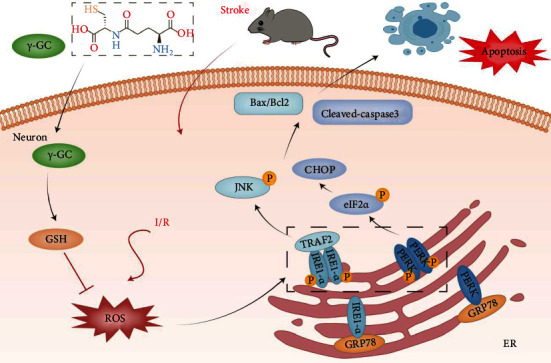
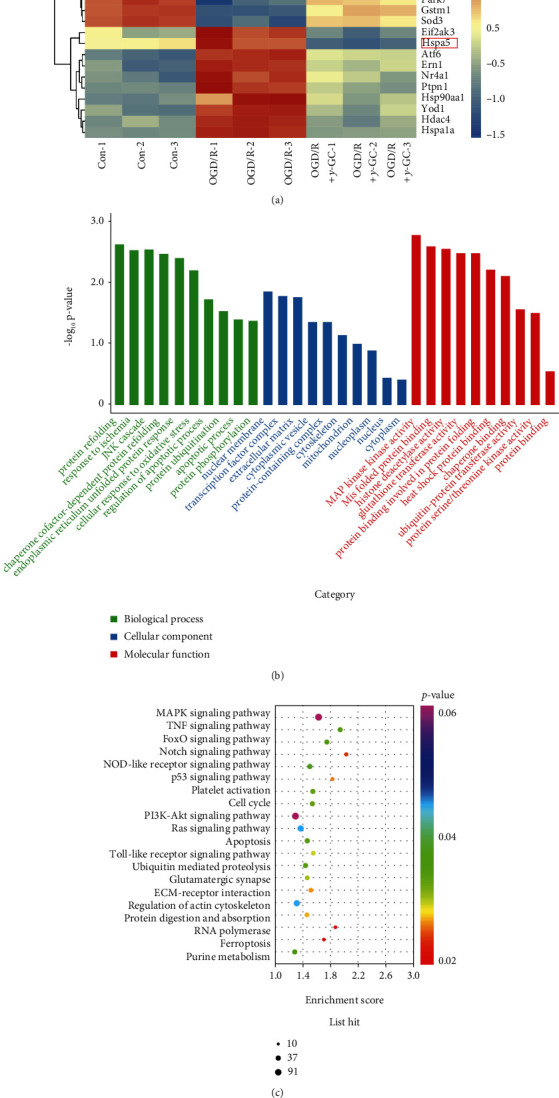
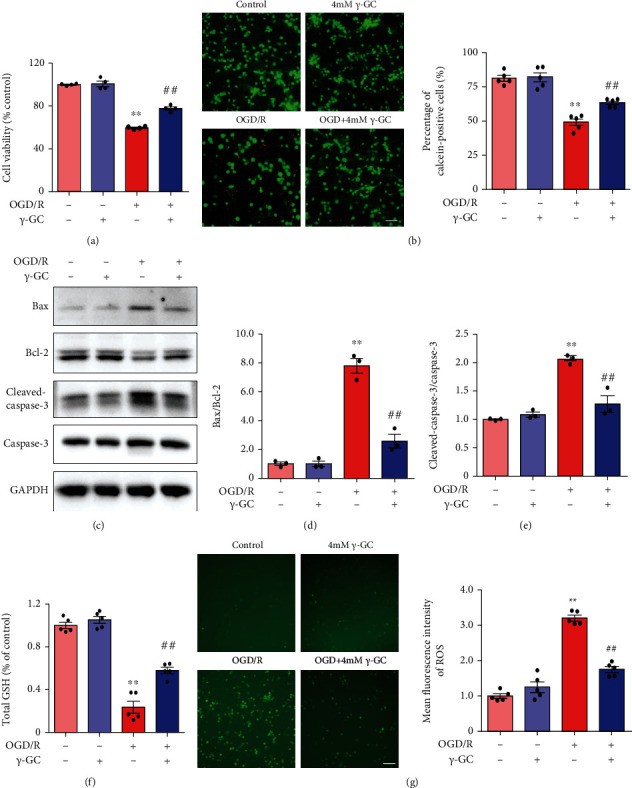
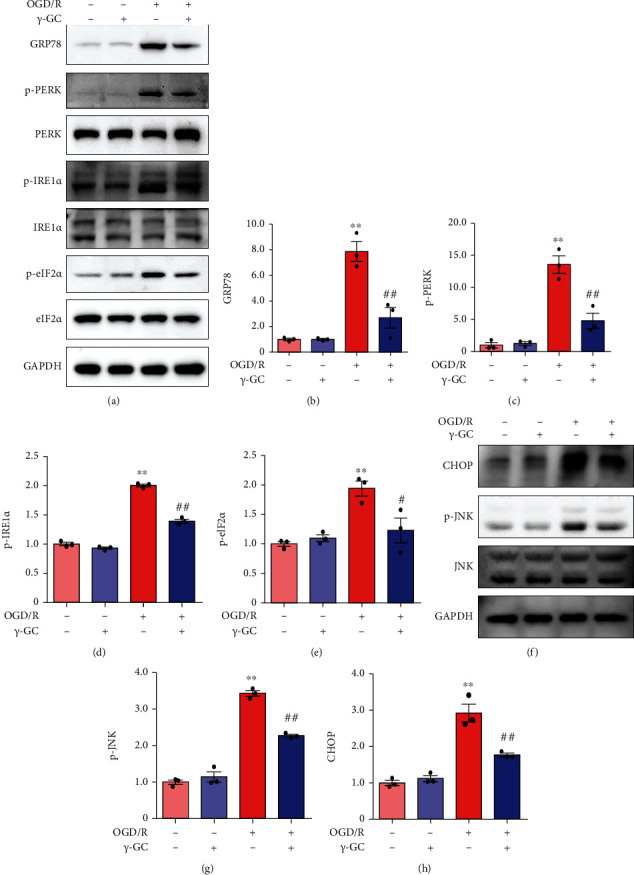
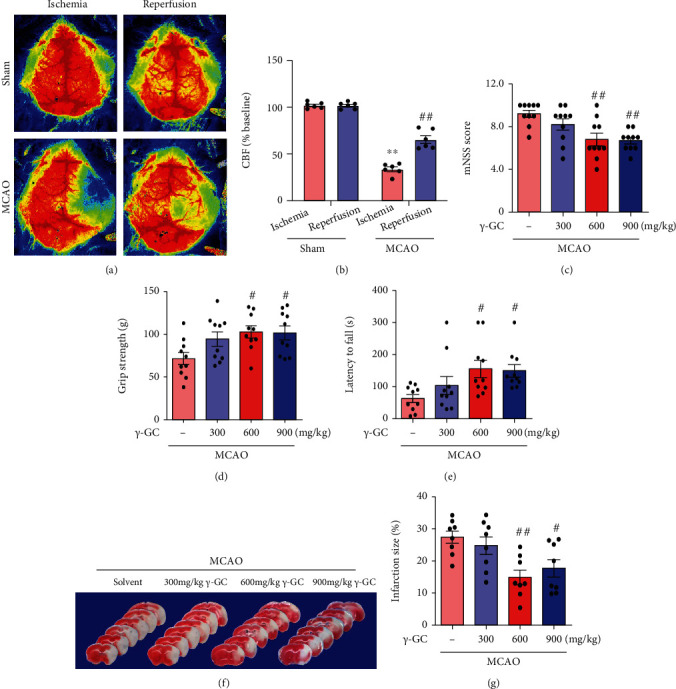
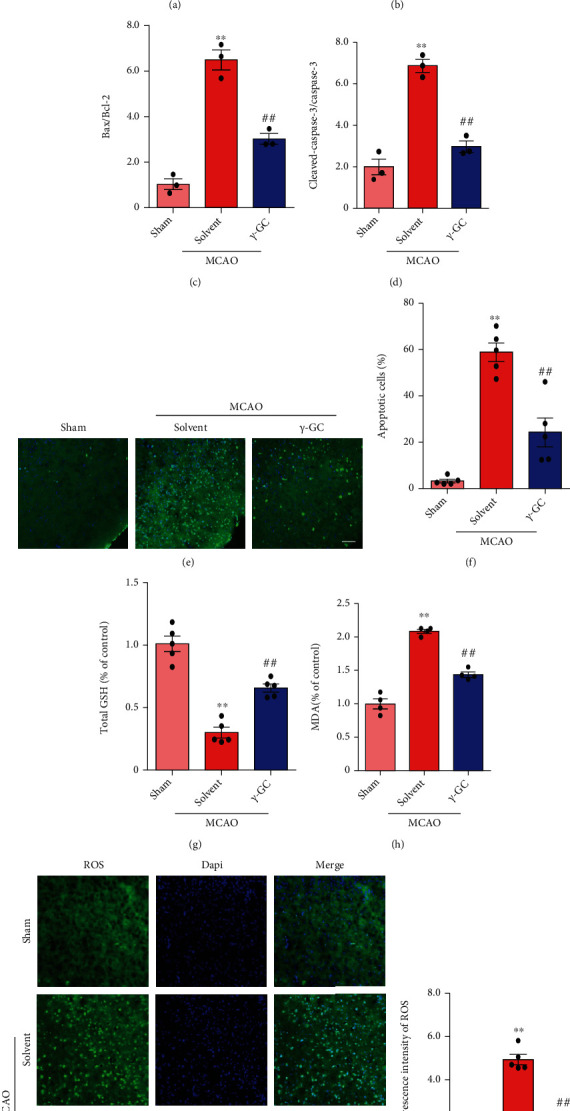
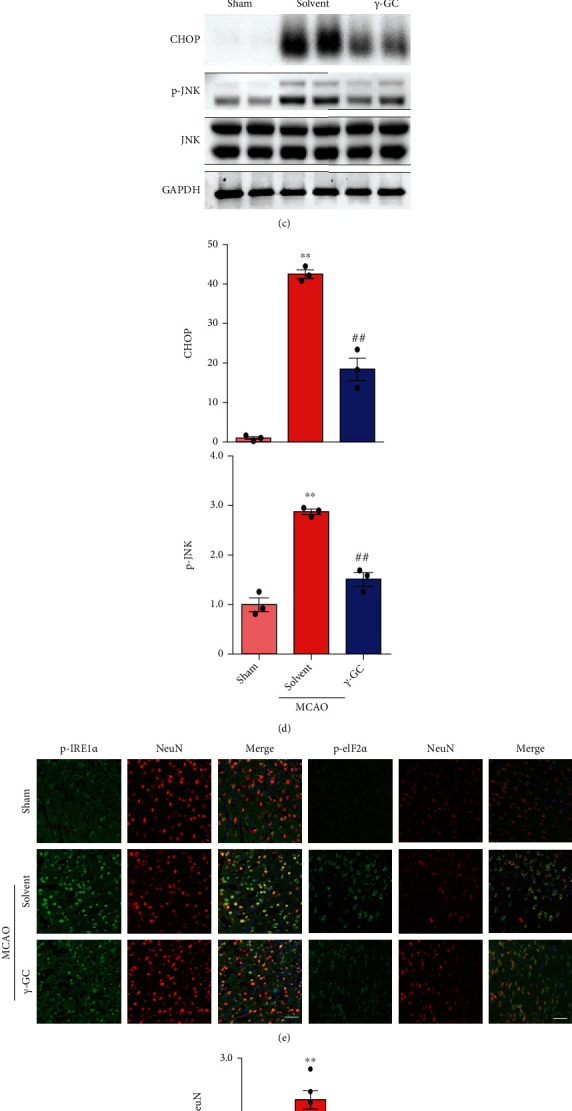
Ischemic stroke is a severe and acute neurological disorder with limited therapeutic strategies currently available. Oxidative stress is one of the critical pathological factors in ischemia/reperfusion injury, and high levels of reactive oxygen species (ROS) may drive neuronal apoptosis. Rescuing neurons in the penumbra is a potential way to recover from ischemic stroke. Endogenous levels of the potent ROS quencher glutathione (GSH) decrease significantly after cerebral ischemia. Here, we aimed to investigate the neuroprotective effects of -glutamylcysteine (-GC), an immediate precursor of GSH, on neuronal apoptosis and brain injury during ischemic stroke. Middle cerebral artery occlusion (MCAO) and oxygen-glucose deprivation/reoxygenation (OGD/R) were used to mimic cerebral ischemia in mice, neuronal cell lines, and primary neurons. Our data indicated that exogenous -GC treatment mitigated oxidative stress, as indicated by upregulated GSH and decreased ROS levels. In addition, -GC attenuated ischemia/reperfusion-induced neuronal apoptosis and brain injury in vivo and in vitro. Furthermore, transcriptomics approaches and subsequent validation studies revealed that -GC attenuated penumbra neuronal apoptosis by inhibiting the activation of protein kinase R-like endoplasmic reticulum kinase (PERK) and inositol-requiring enzyme 1 (IRE1) in the endoplasmic reticulum (ER) stress signaling pathway in OGD/R-treated cells and ischemic brain tissues. To the best of our knowledge, this study is the first to report that -GC attenuates ischemia-induced neuronal apoptosis by suppressing ROS-mediated ER stress. -GC may be a promising therapeutic agent for ischemic stroke.
缺血性脑卒中是一种严重的急性神经系统疾病,目前可用的治疗策略有限。氧化应激是缺血/再灌注损伤的关键病理因素之一,高水平的活性氧(ROS)可能导致神经元凋亡。挽救半影区的神经元是从缺血性脑卒中恢复的一种潜在方法。脑缺血后,内源性强 ROS 清除剂谷胱甘肽(GSH)的水平显著降低。在这里,我们旨在研究 - 谷氨酰半胱氨酸(-GC)作为 GSH 的直接前体,对缺血性脑卒中期间神经元凋亡和脑损伤的神经保护作用。大脑中动脉闭塞(MCAO)和氧葡萄糖剥夺/再灌注(OGD/R)用于模拟小鼠、神经元细胞系和原代神经元中的脑缺血。我们的数据表明,外源性 -GC 处理减轻了氧化应激,表现为 GSH 上调和 ROS 水平降低。此外,-GC 在体内和体外减轻了缺血/再灌注诱导的神经元凋亡和脑损伤。此外,转录组学方法和随后的验证研究表明,-GC 通过抑制蛋白激酶 R 样内质网激酶(PERK)和内质网(ER)应激信号通路中的肌醇需求酶 1(IRE1)的激活,减轻 OGD/R 处理细胞和缺血性脑组织中的半影区神经元凋亡。据我们所知,这项研究首次报道 -GC 通过抑制 ROS 介导的 ER 应激来减轻缺血诱导的神经元凋亡。-GC 可能是缺血性脑卒中的一种有前途的治疗药物。