Pediatric Surgery, Department of General Surgery, Hebei Children's Hospital, Shijiazhuang 050000, Hebei, China.
J Healthc Eng. 2021 Nov 16;2021:7096286. doi: 10.1155/2021/7096286. eCollection 2021.
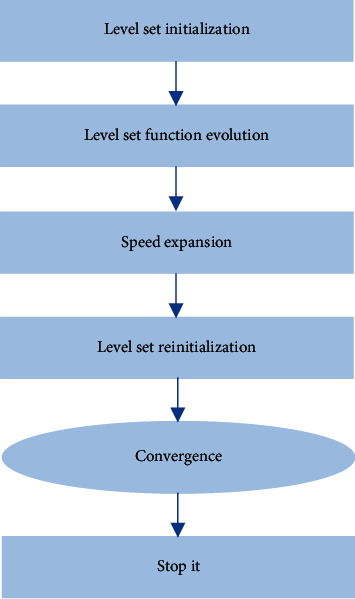
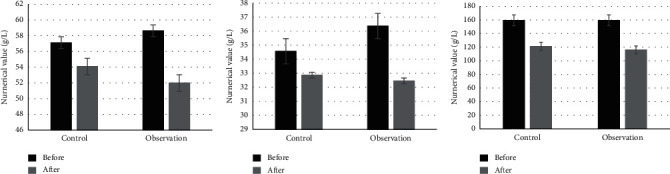
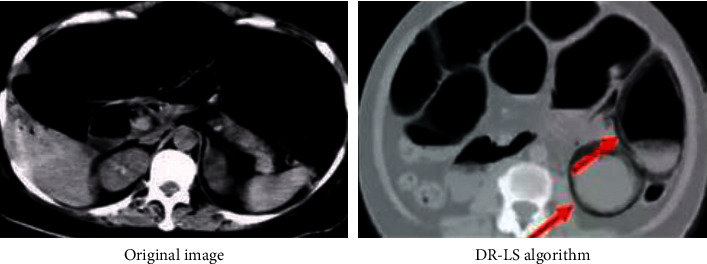
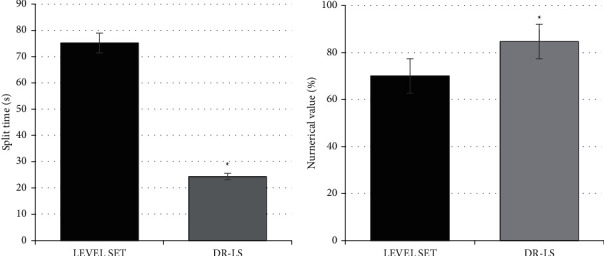
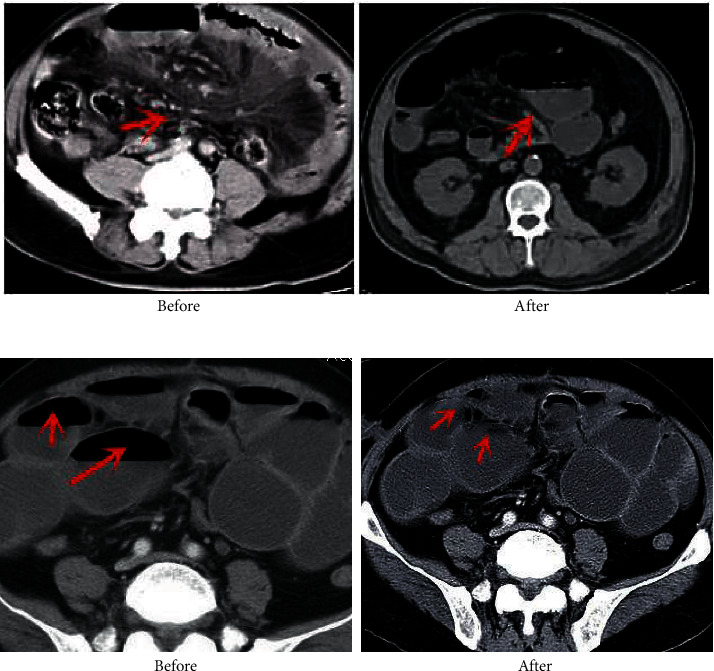
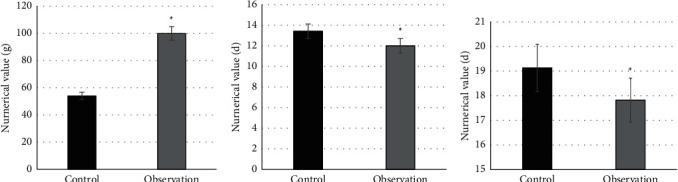
In this study, CT image technology based on level set intelligent segmentation algorithm was used to evaluate the postoperative enteral nutrition of neonatal high intestinal obstruction and analyze the clinical treatment effect of high intestinal obstruction, so as to provide a reasonable research basis for the clinical application of neonatal high intestinal obstruction. 60 children with high intestinal obstruction treated in the hospital were selected as the research objects. Based on the postoperative enteral nutrition treatment, they were divided into control group (noncatheterization group)-parenteral nutrition support. In the observation group, gastric tube was placed through nose for nutritional support. Then, CT images based on level set segmentation algorithm were used to compare the intestinal recovery of the two groups, and the biochemical indexes and hospitalization were compared. The level set algorithm can accurately segment the lesions in CT images. The segmentation time of the level set algorithm was shorter than that of the traditional algorithm (24.34 ± 2.01 s vs. 75.21 ± 5.91 s), and the segmentation accuracy was higher than that of the traditional algorithm (84.71 ± 3.91% vs. 70.04 ± 3.71%, < 0.05). The weight of children in the observation group (100 ± 7 g) was higher than that in the control group (54 ± 5 g), and the ICU monitoring time (12.01 ± 2.65 days) and the hospital stay (17.82 ± 3.11 days) were shorter than those in the control group (13.42 ± 2.95 days, 19.13 ± 3.22 days, all < 0.05). The level set segmentation algorithm can accurately segment the CT image, so that the disease location and its contour can be displayed more clearly. Moreover, the nasal placement of jejunal nutrition tube can effectively improve the intestinal function of children, maintain the steady-state environment of intestinal bacterial growth, and significantly improve the clinical treatment effect, which is worthy of clinical application and promotion.
本研究采用基于水平集智能分割算法的 CT 图像技术,评估新生儿高位肠梗阻的术后肠内营养,并分析肠梗阻的临床治疗效果,为新生儿高位肠梗阻的临床应用提供合理的研究依据。选取我院收治的 60 例高位肠梗阻患儿作为研究对象,均进行术后肠内营养治疗,在此基础上,对照组(非置管组)给予肠外营养支持,观察组则经鼻放置胃管进行营养支持。然后,利用基于水平集分割算法的 CT 图像对两组患儿的肠道恢复情况进行比较,并比较两组患儿的生化指标及住院时间。水平集算法能够准确分割 CT 图像中的病灶,其分割时间短于传统算法(24.34±2.01s 比 75.21±5.91s),分割准确率高于传统算法(84.71±3.91%比 70.04±3.71%,<0.05)。观察组患儿的体质量(100±7g)高于对照组(54±5g),且 ICU 监测时间(12.01±2.65d)和住院时间(17.82±3.11d)均短于对照组(13.42±2.95d、19.13±3.22d,均<0.05)。水平集分割算法能够准确分割 CT 图像,使疾病部位及其轮廓能够更清晰地显示出来。此外,经鼻放置空肠营养管能有效改善患儿的肠道功能,维持肠道细菌生长的稳态环境,显著提高临床治疗效果,值得临床应用和推广。