
在乳汁水相中经调理作用后,人乳细胞对细菌和酵母的吞噬及杀伤作用。
Phagocytosis and killing of bacteria and yeast by human milk cells after opsonisation in aqueous phase of milk.
作者信息
Robinson J E, Harvey B A, Soothill J F
出版信息
Br Med J. 1978 Jun 3;1(6125):1443-5. doi: 10.1136/bmj.1.6125.1443.
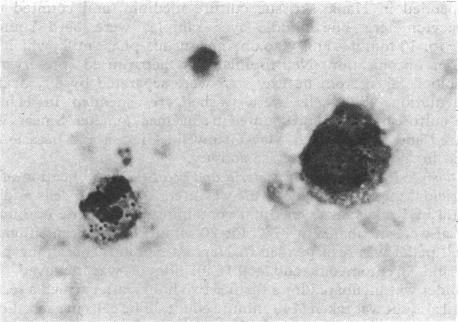
Macrophages and neutrophils from human milk phagocytose and kill Staphylococcus aureus and Escherichia coli in vitro after opsonisation by the aqueous phase of milk as effectively as blood leucocytes in serum. They also phagocytose Candida albicans. The overgrowth of E coli resulting from the addition of iron to cultures of the organism in the aqueous phase of milk is not influenced by the presence of cells. We conclude that the phagocytosis and killing of bacteria by milk cells may contribute to the lower incidence of infection among breast-fed than artificially fed babies.
人乳中的巨噬细胞和中性粒细胞在被乳的水相调理后,能在体外吞噬并杀死金黄色葡萄球菌和大肠杆菌,其效果与血清中的血液白细胞一样有效。它们还能吞噬白色念珠菌。在乳的水相中向该生物体培养物中添加铁导致的大肠杆菌过度生长不受细胞存在的影响。我们得出结论,乳细胞对细菌的吞噬和杀伤作用可能有助于母乳喂养婴儿的感染发生率低于人工喂养婴儿。
 Zotero 插件