Calluso Cinzia, Devetag Maria Giovanna, Donato Carmela
Department of Business and Management, Luiss University, Viale Romania 32, 00192 Roma, Italy.
Brain Sci. 2021 Oct 25;11(11):1407. doi: 10.3390/brainsci11111407.
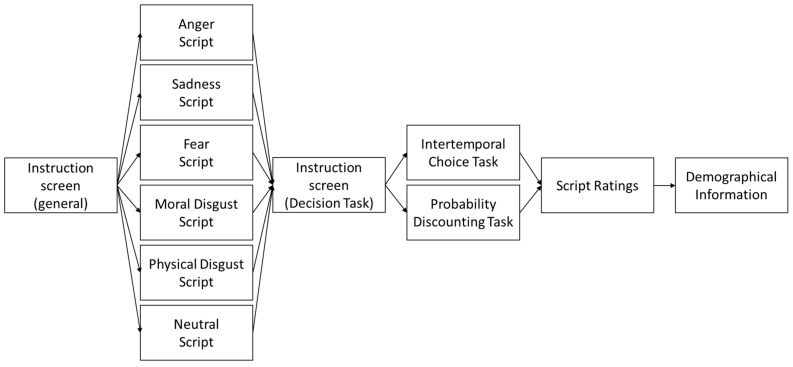
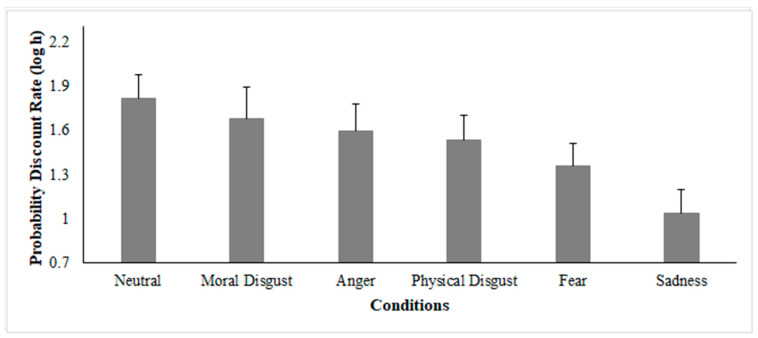
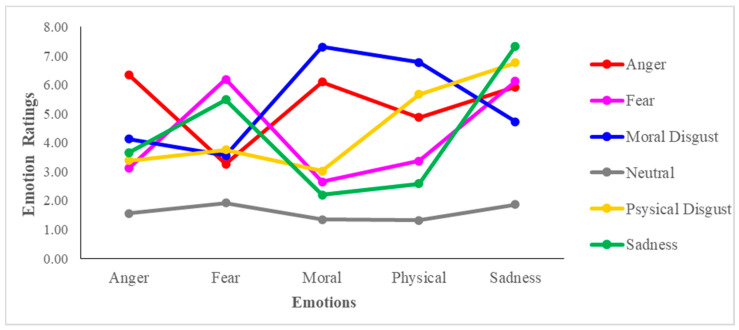
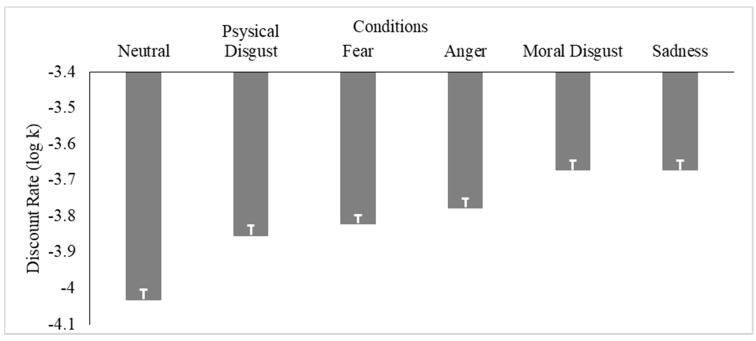
Temporal and probability discounting are considered two fundamental constructs in economic science, as they are associated with phenomena with major societal impact and a variety of sub-optimal behaviors and clinical conditions. Although it is well known that positive and negative affective states bear important cognitive/behavioral consequences, the effect of emotional experiences on decision-making remains unclear due to the existence of many conflicting results. Inspired by the need to understand if and to what extent the current COVID-19 pandemic has determined changes in our decision-making processes by means of the unusual, prolonged experience of negative feelings, in this study we investigate the effect of anger, fear, sadness, physical and moral disgust on intertemporal and risky choices. Results show that all emotions significantly increase subjects' preferences for immediate rewards over delayed ones, and for risky rewards over certain ones, in comparison to a "neutral emotion" condition, although the magnitude of the effect differs across emotions. In particular, we observed a more pronounced effect in the case of sadness and moral disgust. These findings contribute to the literature on emotions and decision-making by offering an alternative explanation to the traditional motivational appraisal theories. Specifically, we propose that the increased preference for immediate gratification and risky outcomes serves as a mechanism of self-reward aimed at down-regulating negative feelings and restore the individual's "emotional balance".
时间折扣和概率折扣被认为是经济科学中的两个基本概念,因为它们与具有重大社会影响的现象以及各种次优行为和临床状况相关联。尽管众所周知,积极和消极的情感状态会产生重要的认知/行为后果,但由于存在许多相互矛盾的结果,情感体验对决策的影响仍不明确。受理解当前新冠疫情是否以及在多大程度上通过异常、长期的负面情绪体验导致我们决策过程发生变化这一需求的启发,在本研究中,我们调查了愤怒、恐惧、悲伤、身体厌恶和道德厌恶对跨期选择和风险选择的影响。结果表明,与“中性情绪”条件相比,所有情绪都会显著增加受试者对即时奖励而非延迟奖励、对风险奖励而非确定奖励的偏好,尽管不同情绪的影响程度有所不同。特别是,我们在悲伤和道德厌恶的情况下观察到了更明显的影响。这些发现通过为传统动机评估理论提供另一种解释,为情感与决策的文献做出了贡献。具体而言,我们提出对即时满足和风险结果的偏好增加是一种自我奖励机制,旨在下调负面情绪并恢复个体的“情绪平衡”。