Degani Ofir
Plant Sciences Department, Migal-Galilee Research Institute, Tarshish 2, Kiryat Shmona 11016, Israel.
Faculty of Sciences, Tel-Hai College, Upper Galilee, Tel-Hai 12210, Israel.
J Fungi (Basel). 2021 Nov 19;7(11):989. doi: 10.3390/jof7110989.
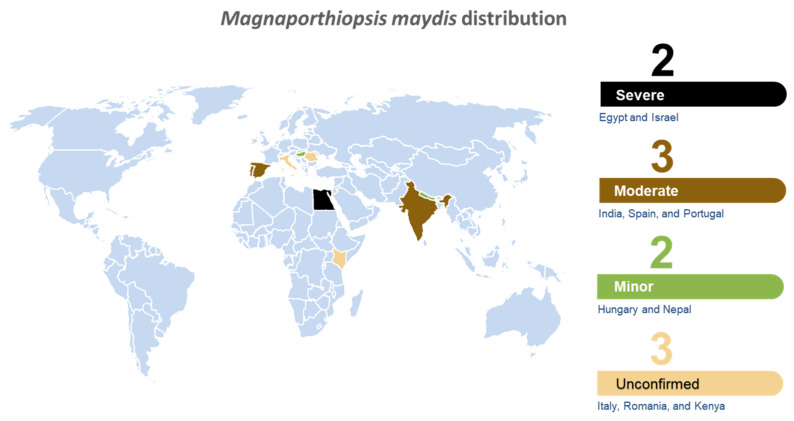
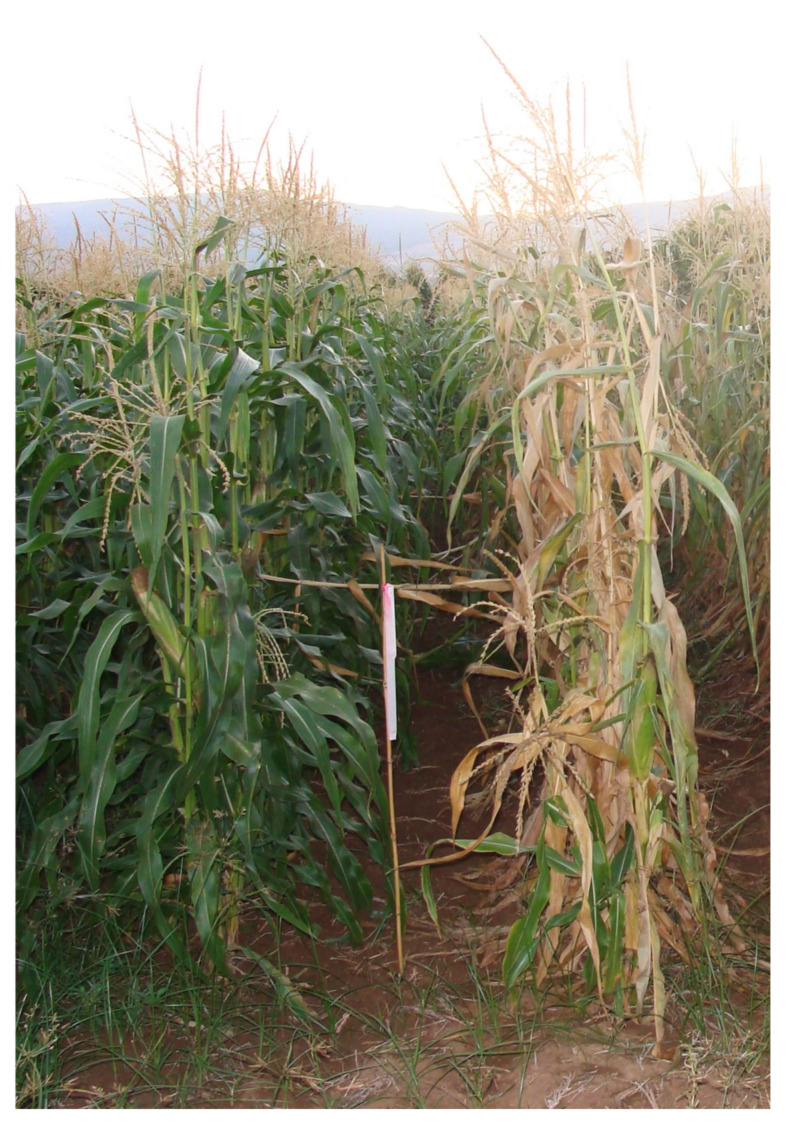
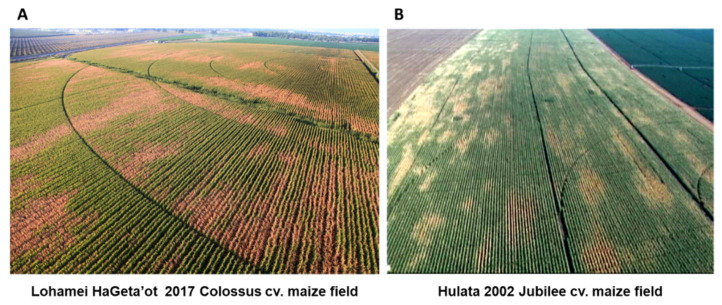
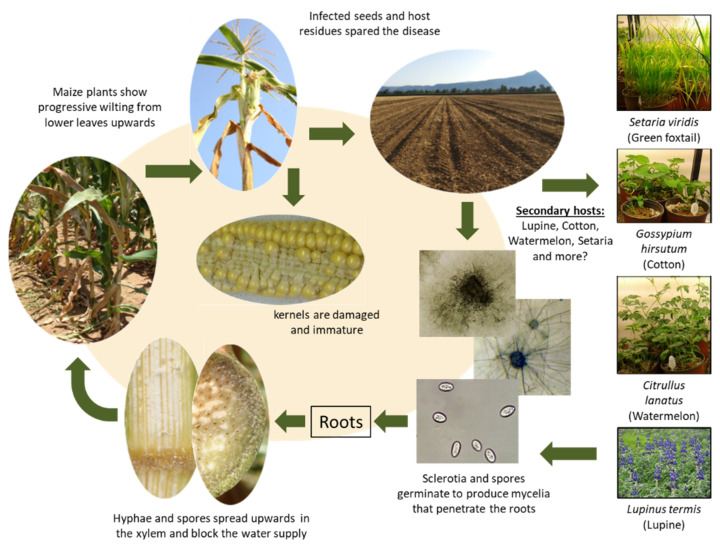
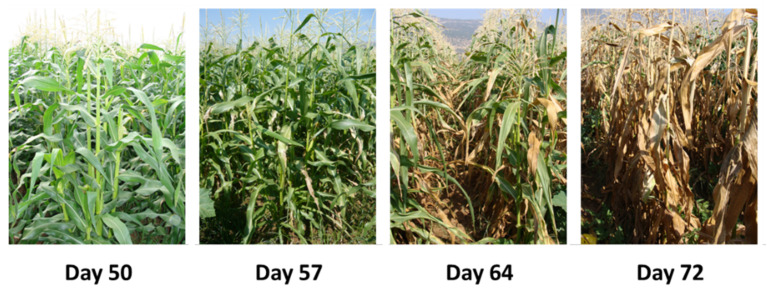
Late wilt (LWD) is a vascular wilt disease that outbursts late in maize development, usually during or after flowering. The disease causal agent, the soil and seed-borne fungi, , causes significant economic losses in Egypt, Israel, Spain, Portugal, and India. Since its discovery in the early 1960s in Egypt, the knowledge base of the disease was significantly expanded. This includes basic information on the pathogen and its mode of action, disease symptoms and damages, methods to study and monitor the pathogen, and above all, control strategies to restrain and reduce its impact on commercial maize production. Three approaches stand out from the various control methods inspected. First, the traditional use of chemical pesticides was investigated extensively. This approach gained attention when, in 2018-2020, a feasible and economical treatment based on Azoxystrobin (alone or in combination with other fungicides) was proven to be effective even in severe cases of LWD. Second, the growing trend of replacing chemical treatments with eco-friendly biological and other green protocols has become increasingly important in recent years and has already made significant achievements. Last but not least, today's leading strategy to cope with LWD is to rely on resistant maize genotypes. The past two decades' introduction of molecular-based diagnostic methods to track and identify the pathogen marked significant progress in this global effort. Still, worldwide research efforts are progressing relatively slowly since the disease is considered exotic and unfamiliar in most parts of the world. The current review summarizes the accumulated knowledge on LWD, its causal agent, and the disease implications. An additional important aspect that will be addressed is a future perspective on risks and knowledge gaps.
晚枯病(LWD)是一种维管束萎蔫病,在玉米生长后期爆发,通常在开花期或开花后。该病的病原体是土壤和种子传播的真菌,在埃及、以色列、西班牙、葡萄牙和印度造成了重大经济损失。自20世纪60年代初在埃及发现该病以来,其知识库得到了显著扩展。这包括有关病原体及其作用方式的基本信息、病害症状和损害、研究和监测病原体的方法,最重要的是,抑制和减少其对商业玉米生产影响的控制策略。在检查的各种控制方法中,有三种方法脱颖而出。首先,对化学农药的传统使用进行了广泛研究。当在2018 - 2020年,一种基于嘧菌酯(单独或与其他杀菌剂组合)的可行且经济的处理方法被证明即使在晚枯病严重的情况下也有效时,这种方法受到了关注。其次,近年来用环保的生物和其他绿色方案取代化学处理的趋势日益重要,并且已经取得了显著成就。最后但同样重要的是,当今应对晚枯病的主要策略是依靠抗性玉米基因型。在过去二十年中引入基于分子的诊断方法来追踪和识别病原体,标志着在这一全球努力中取得了重大进展。然而,由于该病在世界大部分地区被认为是外来且不熟悉的,全球研究工作进展相对缓慢。本综述总结了关于晚枯病、其病原体以及病害影响的积累知识。将讨论的另一个重要方面是对风险和知识差距的未来展望。