Fischer Christine, Volani Chiara, Komlódi Timea, Seifert Markus, Demetz Egon, Valente de Souza Lara, Auer Kristina, Petzer Verena, von Raffay Laura, Moser Patrizia, Gnaiger Erich, Weiss Guenter
Department of Internal Medicine II, Medical University of Innsbruck, Anichstrasse 35, 6020 Innsbruck, Austria.
Oroboros Instruments, Schöpfstrasse 18, 6020 Innsbruck, Austria.
Antioxidants (Basel). 2021 Nov 16;10(11):1818. doi: 10.3390/antiox10111818.
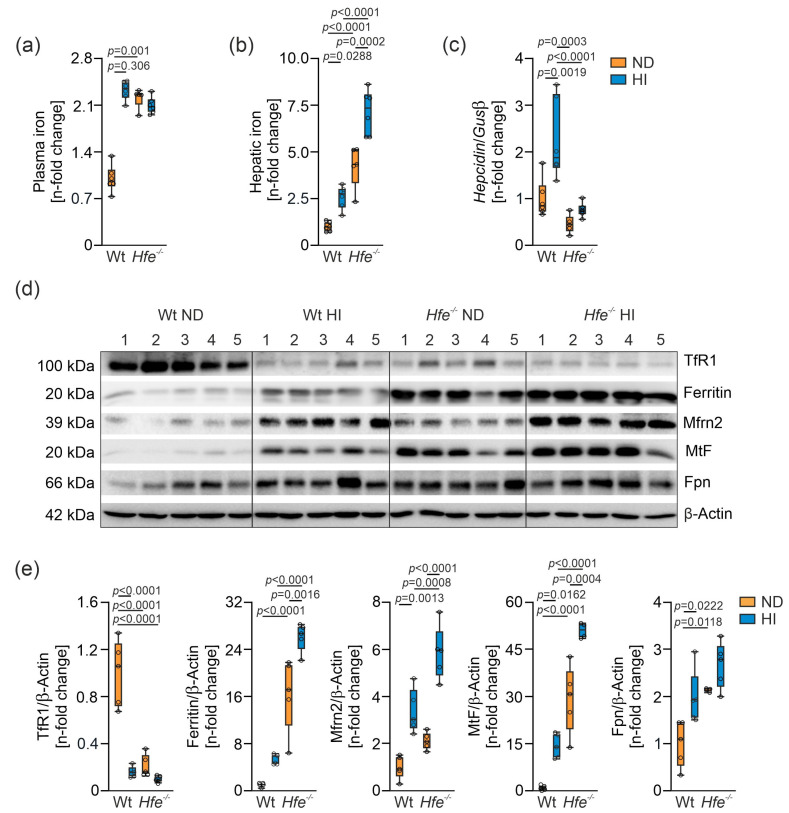
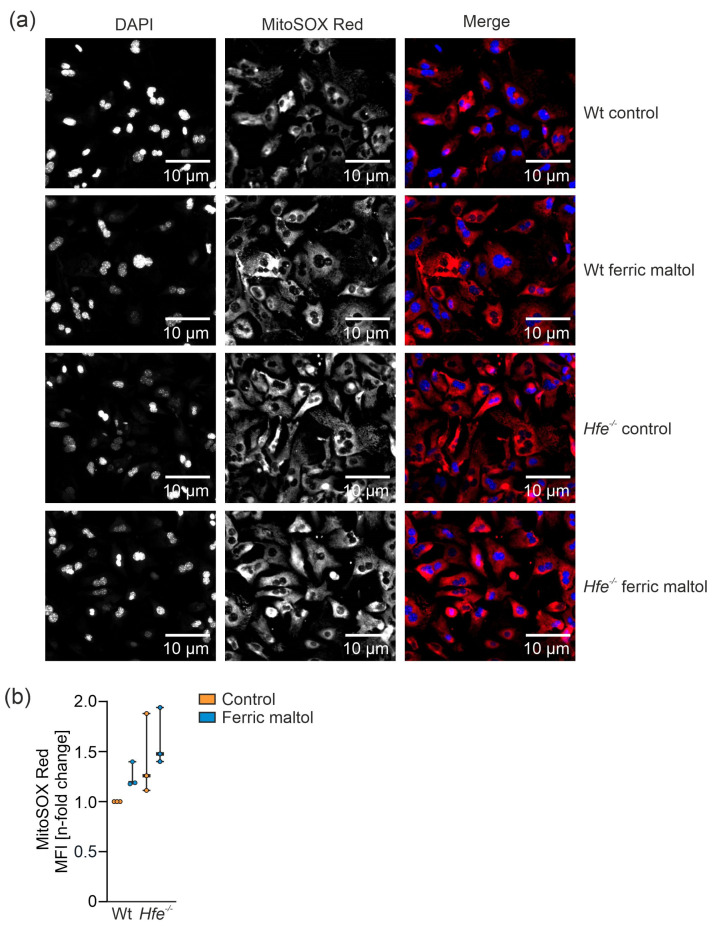
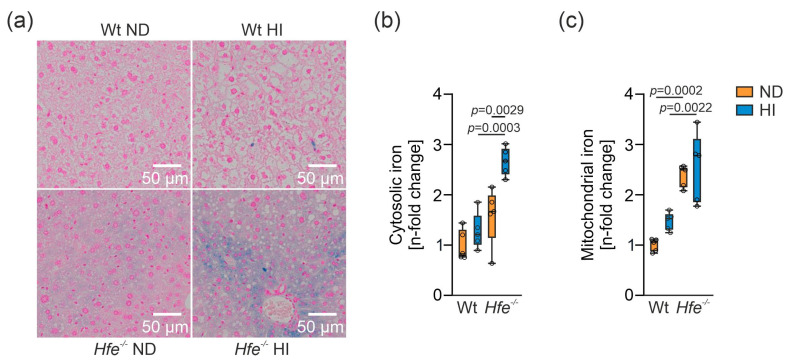
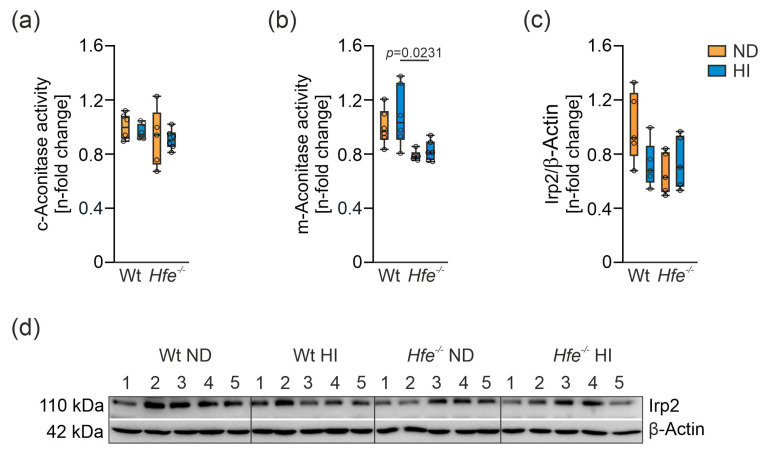
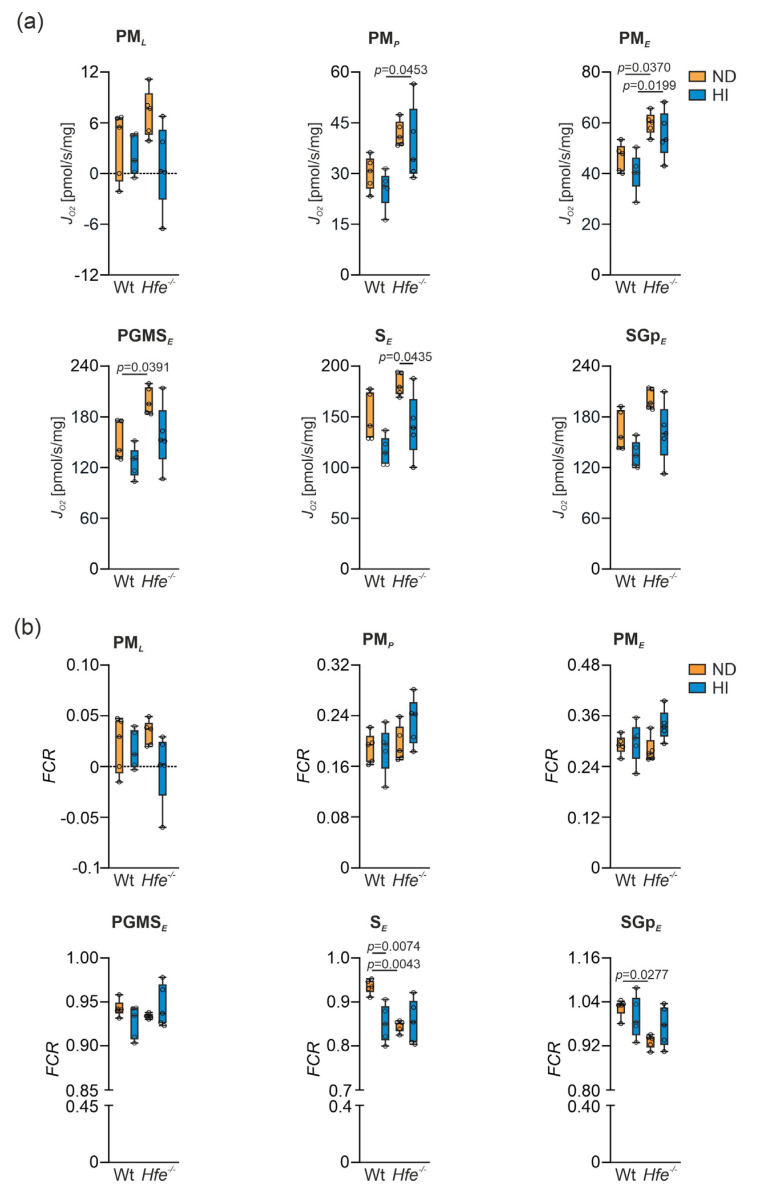
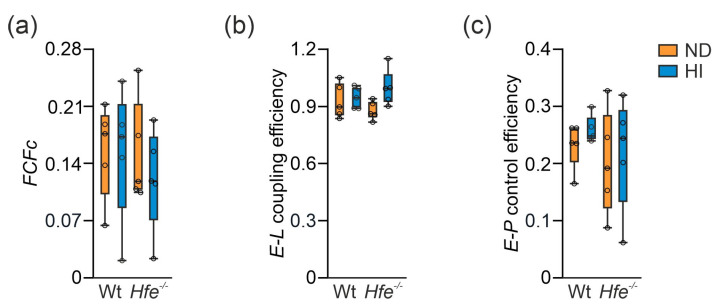
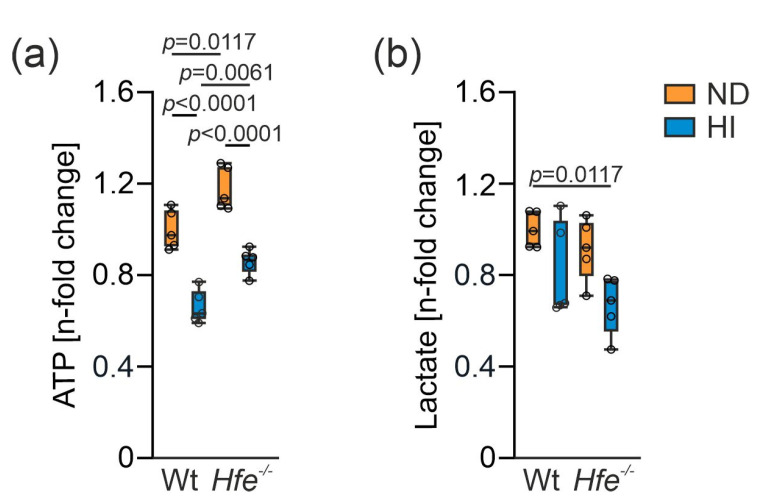
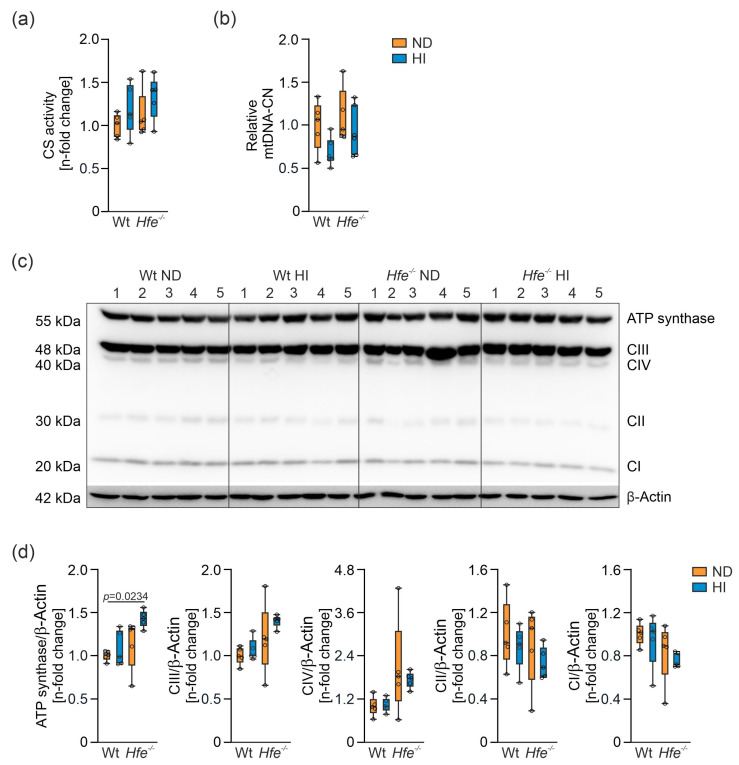
Iron is an essential co-factor for many cellular metabolic processes, and mitochondria are main sites of utilization. Iron accumulation promotes production of reactive oxygen species (ROS) via the catalytic activity of iron species. Herein, we investigated the consequences of dietary and genetic iron overload on mitochondrial function. C57BL/6N wildtype and mice, the latter a genetic hemochromatosis model, received either normal diet (ND) or high iron diet (HI) for two weeks. Liver mitochondrial respiration was measured using high-resolution respirometry along with analysis of expression of specific proteins and ROS production. HI promoted tissue iron accumulation and slightly affected mitochondrial function in wildtype mice. Hepatic mitochondrial function was impaired in mice on ND and HI. Compared to wildtype mice, mice on ND showed increased mitochondrial respiratory capacity. mice on HI showed very high liver iron levels, decreased mitochondrial respiratory capacity and increased ROS production associated with reduced mitochondrial aconitase activity. Although resulted in increased mitochondrial iron loading, the concentration of metabolically reactive cytoplasmic iron and mitochondrial density remained unchanged. Our data show multiple effects of dietary and genetic iron loading on mitochondrial function and linked metabolic pathways, providing an explanation for fatigue in iron-overloaded hemochromatosis patients, and suggests iron reduction therapy for improvement of mitochondrial function.
铁是许多细胞代谢过程中必不可少的辅助因子,而线粒体是铁利用的主要场所。铁的积累通过铁离子的催化活性促进活性氧(ROS)的产生。在此,我们研究了饮食和基因铁过载对线粒体功能的影响。C57BL/6N野生型小鼠和 小鼠(后者为遗传性血色素沉着症模型)接受正常饮食(ND)或高铁饮食(HI)两周。使用高分辨率呼吸测定法测量肝脏线粒体呼吸,并分析特定蛋白质的表达和ROS的产生。高铁饮食促进了野生型小鼠的组织铁积累,并对线粒体功能产生了轻微影响。在正常饮食和高铁饮食条件下, 小鼠的肝脏线粒体功能均受损。与野生型小鼠相比,正常饮食的 小鼠线粒体呼吸能力增强。高铁饮食的 小鼠肝脏铁水平非常高,线粒体呼吸能力下降,ROS产生增加,同时线粒体乌头酸酶活性降低。尽管 导致线粒体铁负荷增加,但代谢活性细胞质铁的浓度和线粒体密度保持不变。我们的数据显示了饮食和基因铁负荷对线粒体功能及相关代谢途径的多种影响,为铁过载血色素沉着症患者的疲劳提供了解释,并建议采用铁减少疗法来改善线粒体功能。