Murdaca Giuseppe, Paladin Francesca, Tonacci Alessandro, Isola Stefania, Allegra Alessandro, Gangemi Sebastiano
Clinical Immunology Unit, Department of Internal Medicine, University of Genoa and Ospedale Policlinico San Martino, 16132 Genoa, Italy.
Department of Internal Medicine, University of Genoa and Ospedale Policlinico San Martino, 16132 Genoa, Italy.
Biomedicines. 2021 Nov 15;9(11):1688. doi: 10.3390/biomedicines9111688.
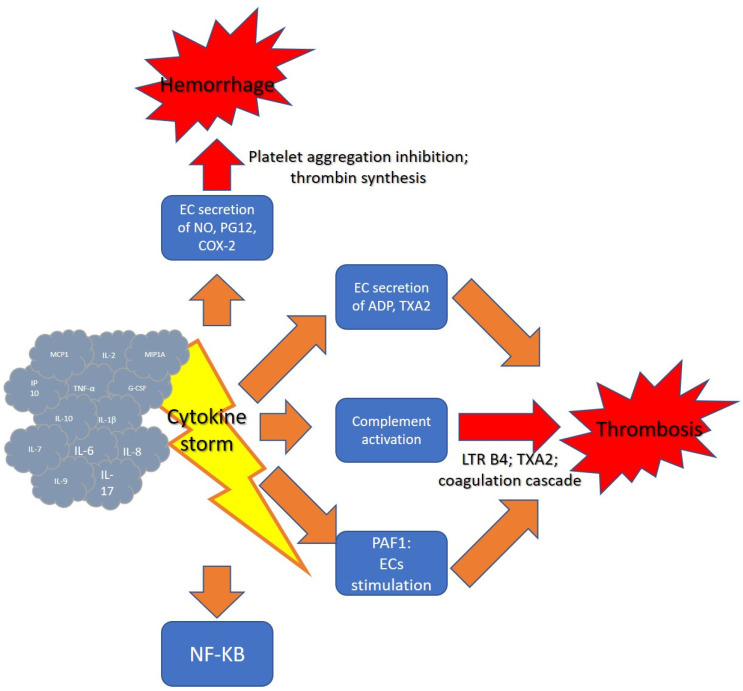
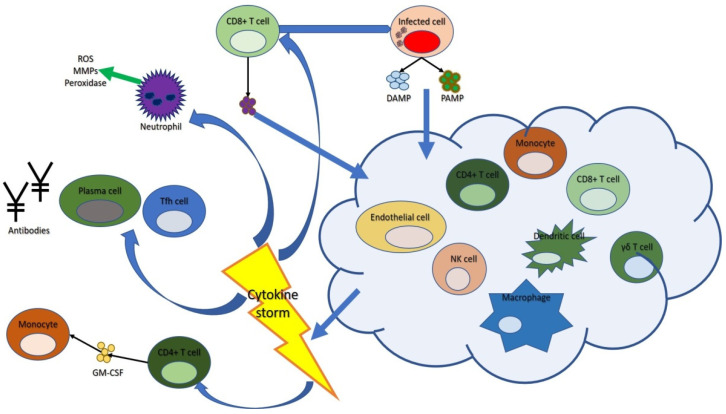
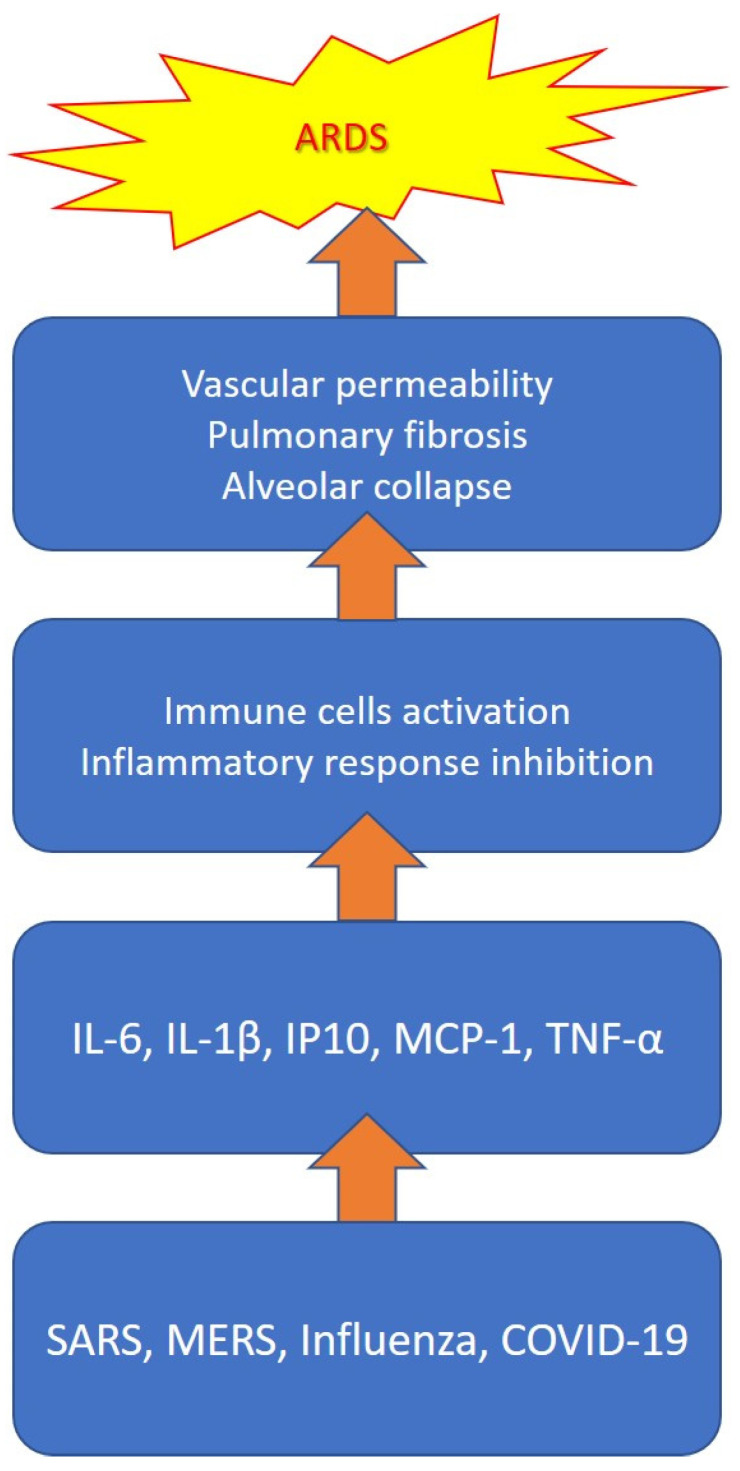
The "cytokine storm" (CS) consists of a spectrum of different immune dysregulation disorders characterized by constitutional symptoms, systemic inflammation and multiorgan dysfunction triggered by an uncontrolled immune response. Particularly in respiratory virus infections, the cytokine storm plays a primary role in the pathogenesis of respiratory disease and the clinical outcome of respiratory diseases, leading to complications such as alveolar edema and hypoxia. In this review, we wanted to analyze the different pathogenetic mechanisms involved in the various respiratory viral pandemics (COVID-19; SARS; MERS; H1N1 influenza A and Spanish flu) which have affected humans in this and last century, with particular attention to the phenomenon of the "cytokine storm" which determines the clinical severity of the respiratory disease and consequently its lethality.
“细胞因子风暴”(CS)由一系列不同的免疫失调疾病组成,其特征为全身症状、全身炎症以及由不受控制的免疫反应引发的多器官功能障碍。特别是在呼吸道病毒感染中,细胞因子风暴在呼吸道疾病的发病机制和临床结局中起主要作用,导致诸如肺泡水肿和缺氧等并发症。在本综述中,我们希望分析在本世纪和上世纪影响人类的各种呼吸道病毒性大流行(新冠病毒病、严重急性呼吸综合征、中东呼吸综合征、甲型H1N1流感和西班牙流感)中涉及的不同发病机制,尤其关注决定呼吸道疾病临床严重程度及其致死率的“细胞因子风暴”现象。