Department of Medical Nanobiotechnology, Pirogov Russian National Research Medical University, Ostrovityanova St., 1, 117997 Moscow, Russia.
Laboratory "Biomedical Nanomaterials", National University of Science and Technology "MISiS", Leninskiy Prospect, 4, 119049 Moscow, Russia.
Int J Mol Sci. 2021 Nov 12;22(22):12275. doi: 10.3390/ijms222212275.
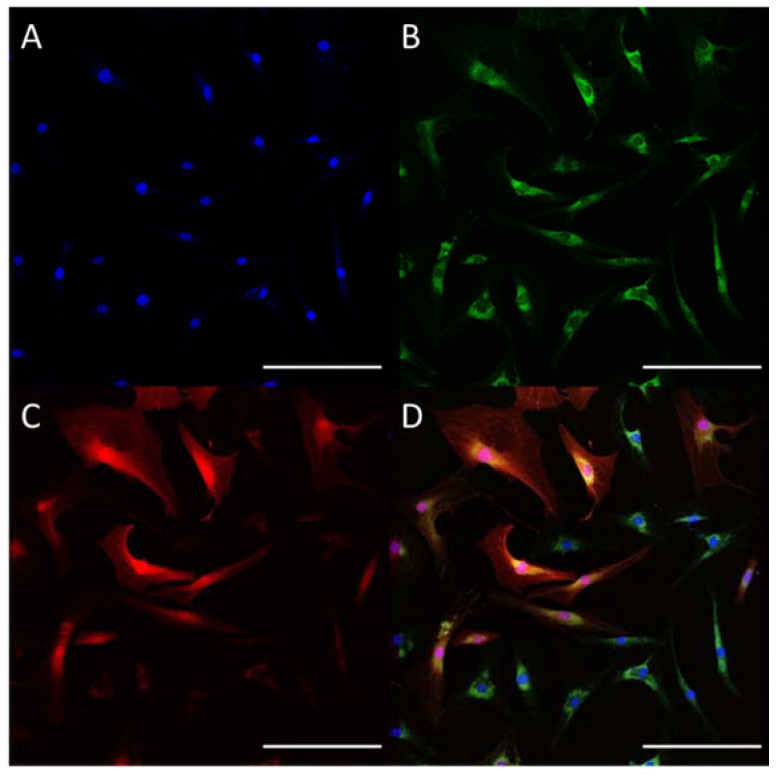
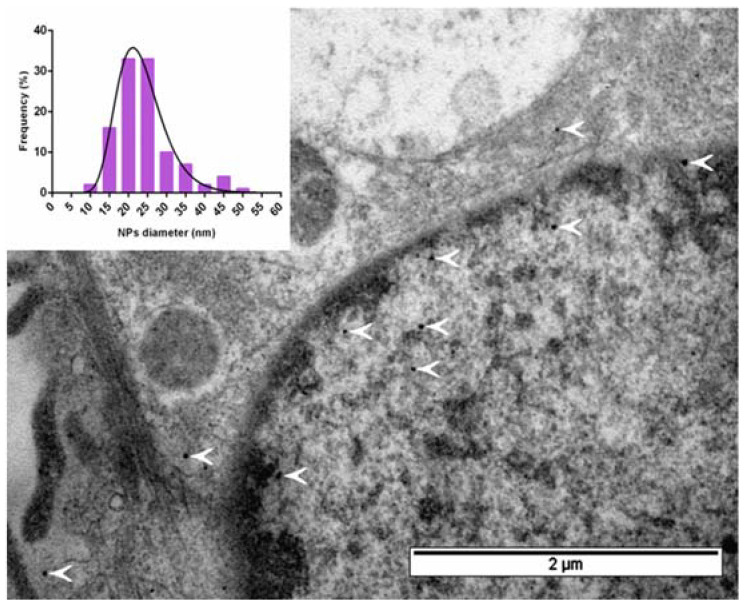
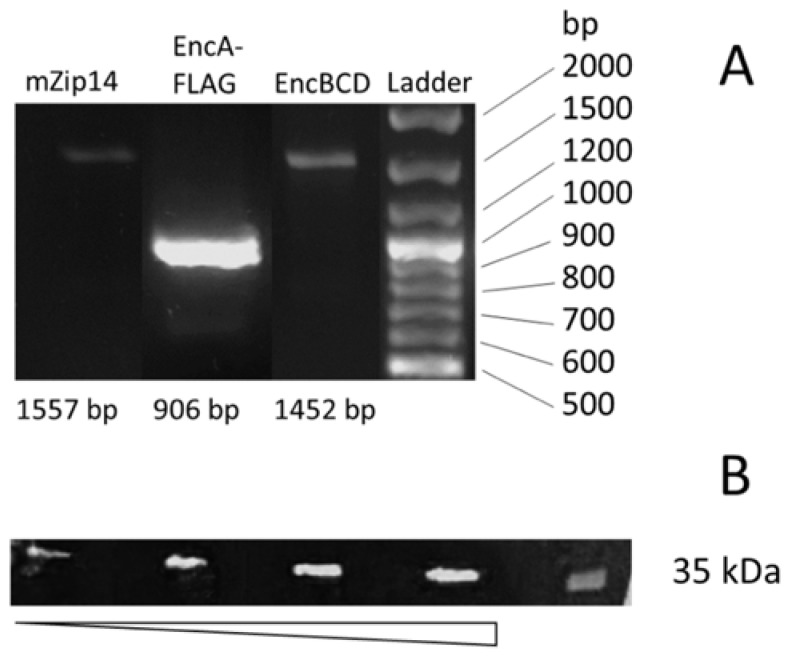
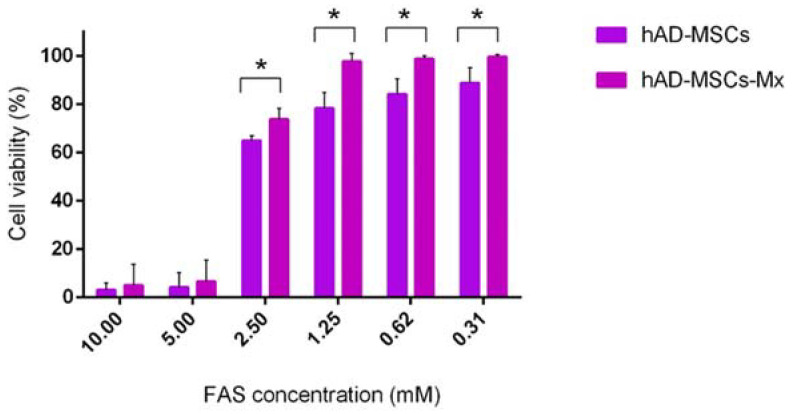
Over the past decade, cell therapy has found many applications in the treatment of different diseases. Some of the cells already used in clinical practice include stem cells and CAR-T cells. Compared with traditional drugs, living cells are much more complicated systems that must be strictly controlled to avoid undesirable migration, differentiation, or proliferation. One of the approaches used to prevent such side effects involves monitoring cell distribution in the human body by any noninvasive technique, such as magnetic resonance imaging (MRI). Long-term tracking of stem cells with artificial magnetic labels, such as magnetic nanoparticles, is quite problematic because such labels can affect the metabolic process and cell viability. Additionally, the concentration of exogenous labels will decrease during cell division, leading to a corresponding decrease in signal intensity. In the current work, we present a new type of genetically encoded label based on encapsulin from bacteria, stably expressed in human mesenchymal stem cells (MSCs) and coexpressed with ferroxidase as a cargo protein for nanoparticles' synthesis inside encapsulin shells. mZip14 protein was expressed for the enhancement of iron transport into the cell. Together, these three proteins led to the synthesis of iron-containing nanoparticles in mesenchymal stem cells-without affecting cell viability-and increased contrast properties of MSCs in MRI.
在过去的十年中,细胞疗法在治疗各种疾病方面有了许多应用。一些已经在临床实践中使用的细胞包括干细胞和 CAR-T 细胞。与传统药物相比,活细胞是更为复杂的系统,必须严格控制,以避免不良的迁移、分化或增殖。为了防止这种副作用,一种方法是使用任何非侵入性技术(如磁共振成像 (MRI))来监测细胞在人体中的分布。用人工磁性标签(如磁性纳米颗粒)长期跟踪干细胞存在一些问题,因为这些标签会影响代谢过程和细胞活力。此外,外源性标签的浓度在细胞分裂过程中会降低,导致信号强度相应降低。在当前的工作中,我们提出了一种基于细菌包被蛋白的新型基因编码标签,该标签在人骨髓间充质干细胞(MSCs)中稳定表达,并与铁氧化酶共表达,作为纳米颗粒在包被蛋白壳内合成的货物蛋白。mZip14 蛋白的表达增强了铁向细胞内的转运。这三种蛋白共同导致含铁纳米颗粒在间充质干细胞中的合成——不影响细胞活力——并增加了 MRI 中 MSCs 的对比特性。