Park Byung Kwan
Department of Radiology, Samsung Medical Center, Sungkyunkwan University School of Medicine, Seoul 06351, Korea.
Cancers (Basel). 2021 Nov 11;13(22):5647. doi: 10.3390/cancers13225647.
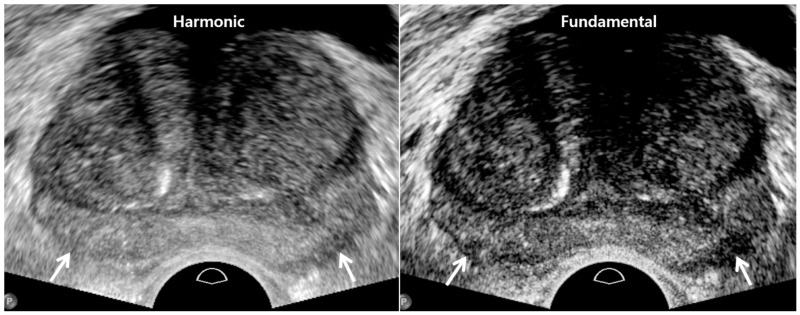
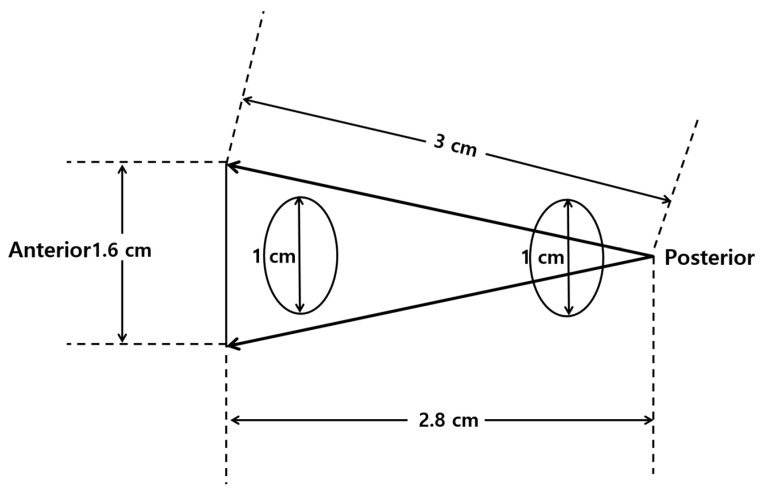
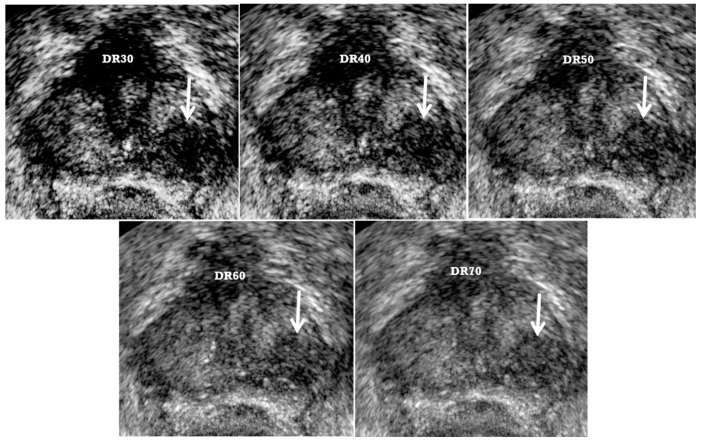
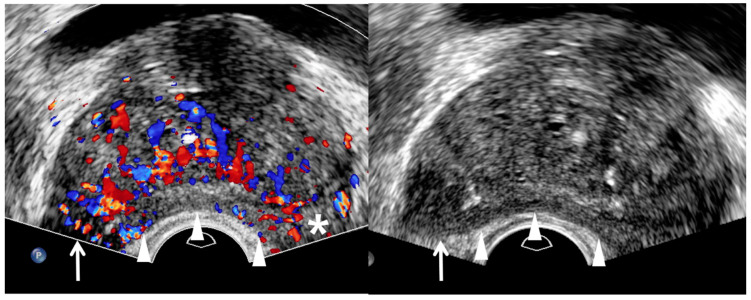
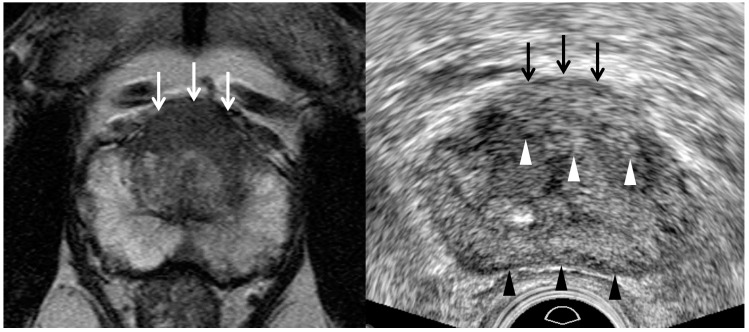
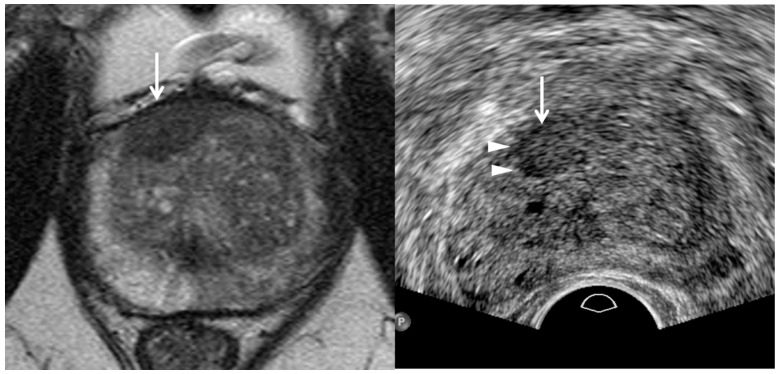
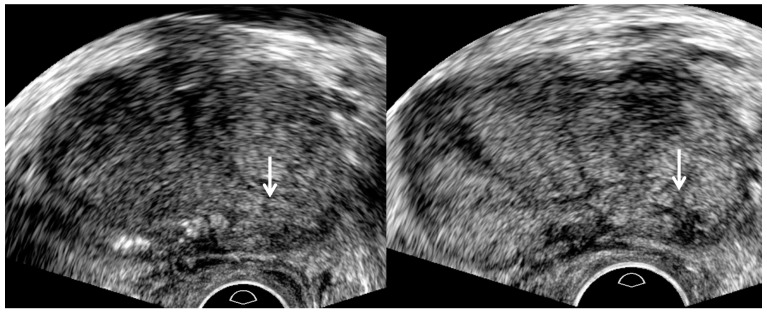
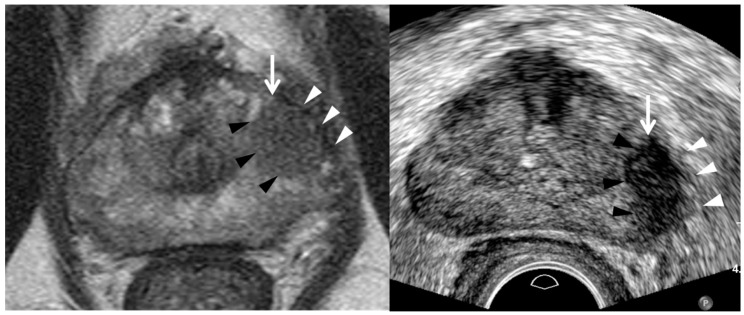
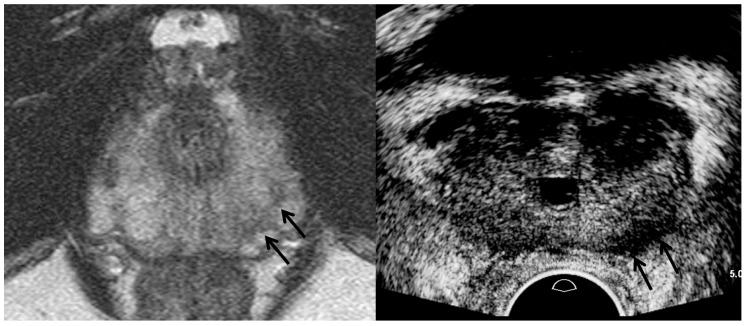
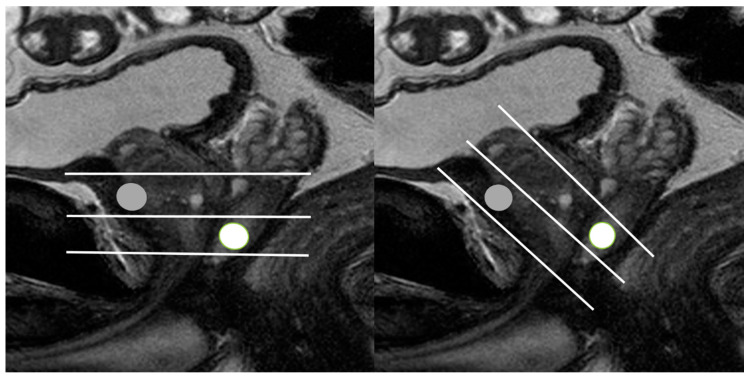
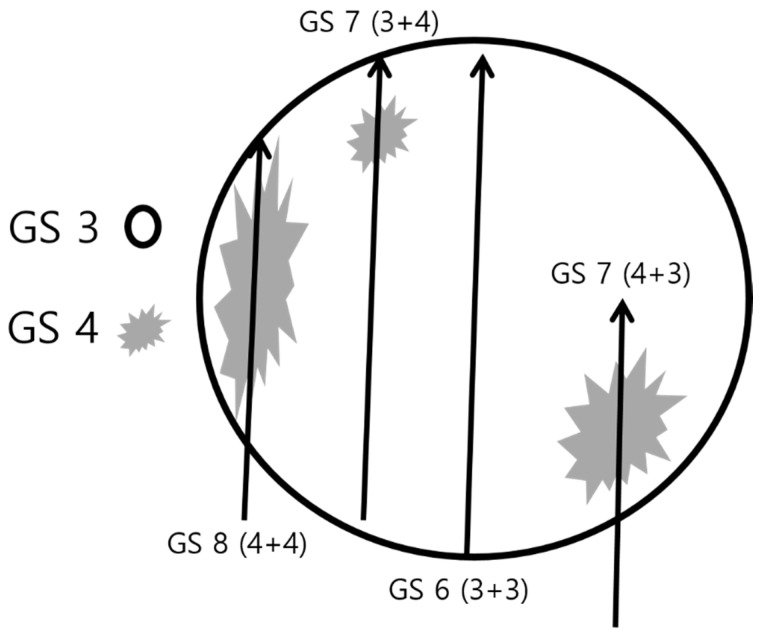
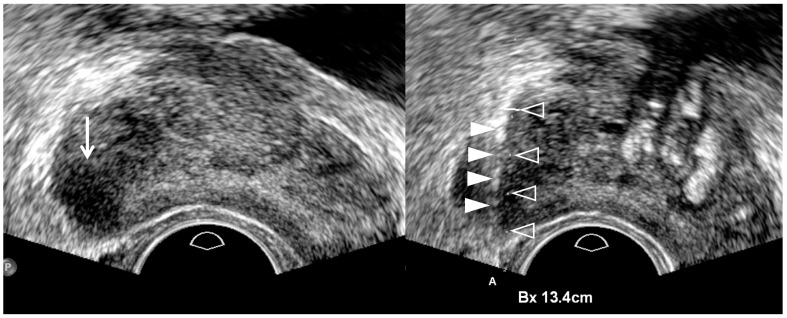
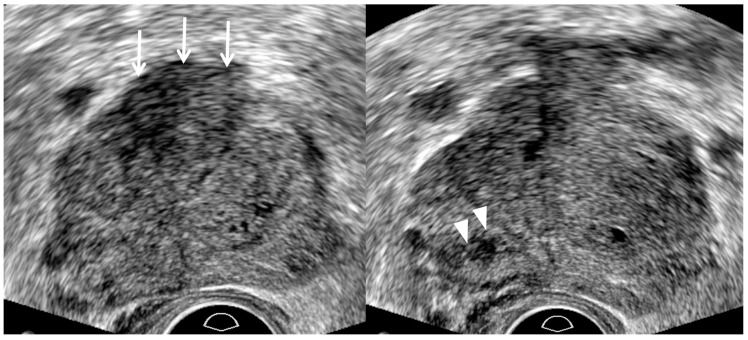
TRUS is a basic imaging modality when radiologists or urologists perform cognitive fusion or image fusion biopsy. This modality plays the role of the background images to add to an operator's cognitive function or MRI images. Operators need to know how to make TRUS protocols for lesion detection or targeting. Tumor location, size, and shape on TRUS are different from those on MRI because the scan axis is different. TRUS findings of peripheral or transition tumors are not well known to radiologists and urologists. Moreover, it remains unclear if systematic biopsy is necessary after a tumor is targeted. The purpose of this review is to introduce new TRUS protocols, new imaging features, new biopsy techniques, and to assess the necessity of systematic biopsy for improving biopsy outcomes.
当放射科医生或泌尿科医生进行认知融合或图像融合活检时,超声弹性成像(TRUS)是一种基本的成像方式。这种方式起到背景图像的作用,以增强操作者的认知功能或补充MRI图像。操作者需要知道如何制定用于病变检测或靶向的TRUS方案。由于扫描轴不同,TRUS上肿瘤的位置、大小和形状与MRI上的不同。放射科医生和泌尿科医生对周围型或移行型肿瘤的TRUS表现了解不足。此外,在肿瘤靶向定位后是否有必要进行系统活检仍不明确。本综述的目的是介绍新的TRUS方案、新的成像特征、新的活检技术,并评估系统活检对改善活检结果的必要性。