Pispero Alberto, Marcon Marco, Ghezzi Carlo, Massironi Domenico, Varoni Elena Maria, Tubaro Stefano, Lodi Giovanni
Azienda Ospedaliera Santi Paolo e Carlo, Unità Operativa Complessa Odontostomatologia II, Università degli Studi di Milano, Via Beldiletto 1/3, 20142 Milan, Italy.
Dipartimento di Elettronica, Informazione e Bioingegneria (DEIB), Politecnico di Milano, Piazza Leonardo da Vinci, 32, 20133 Milan, Italy.
Sensors (Basel). 2021 Nov 19;21(22):7717. doi: 10.3390/s21227717.
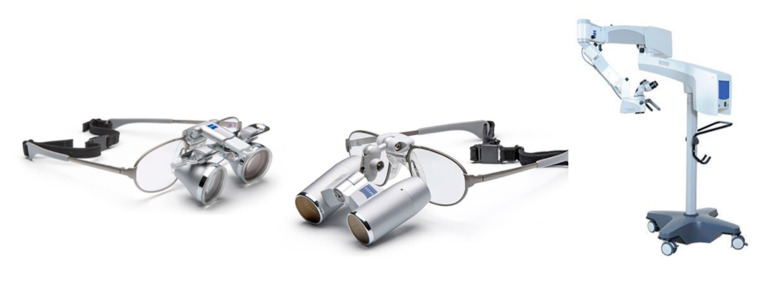
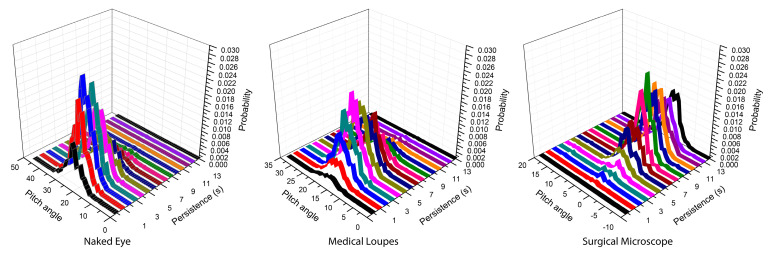
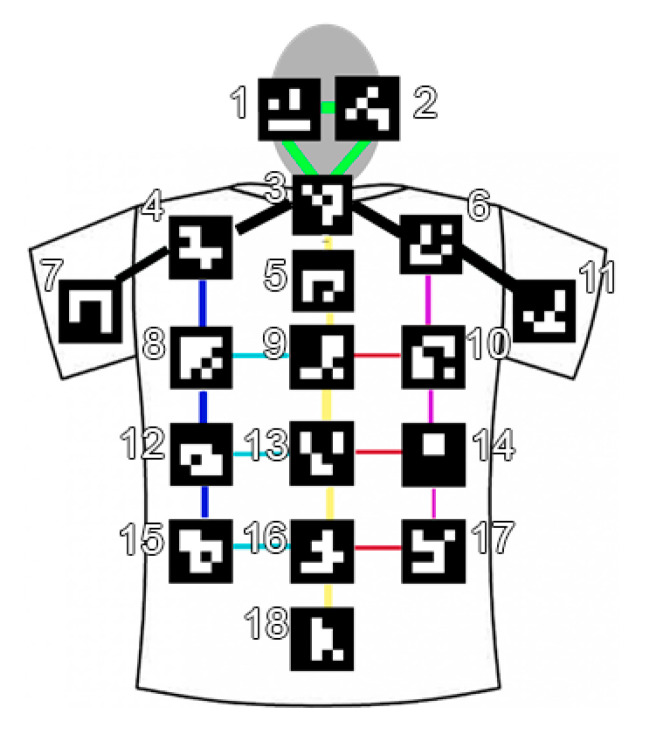
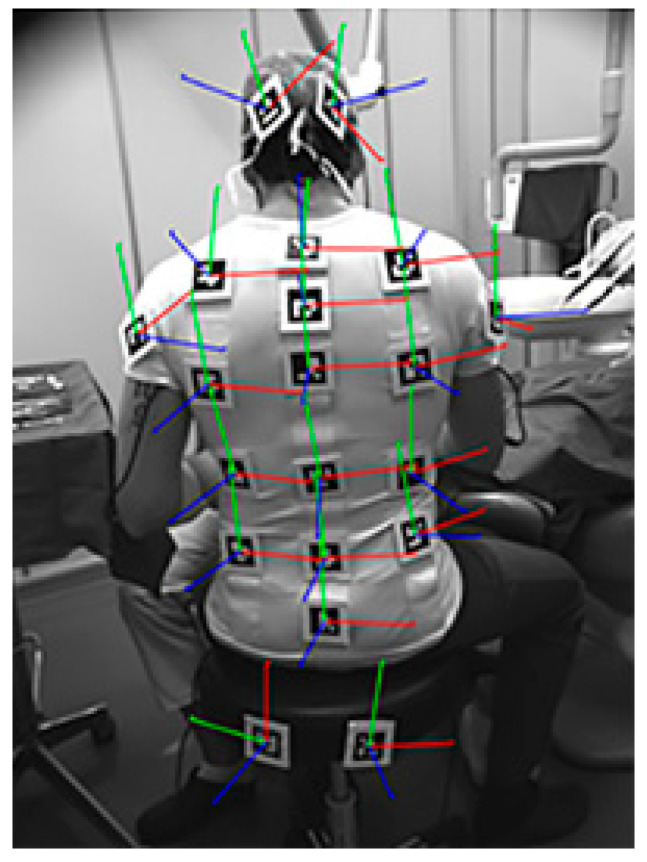
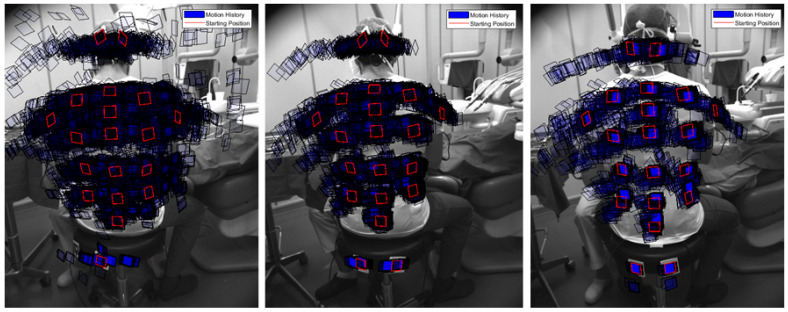
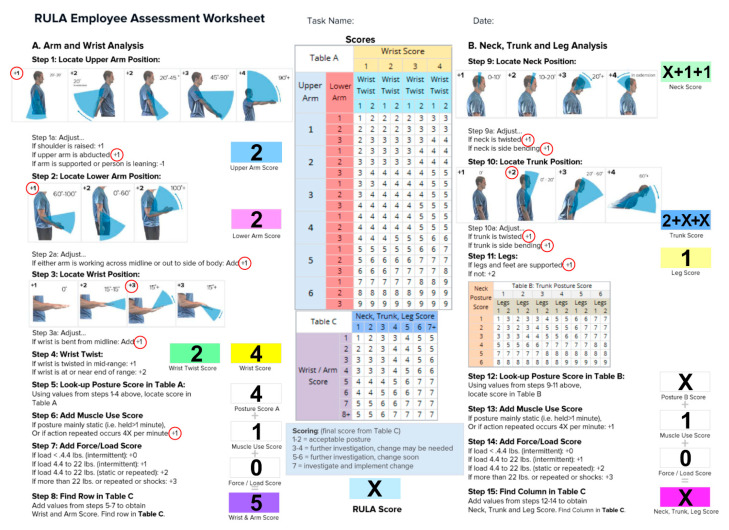
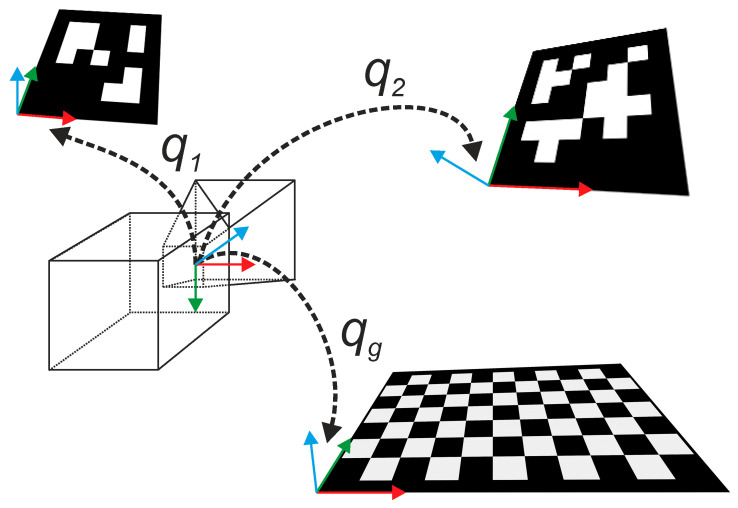
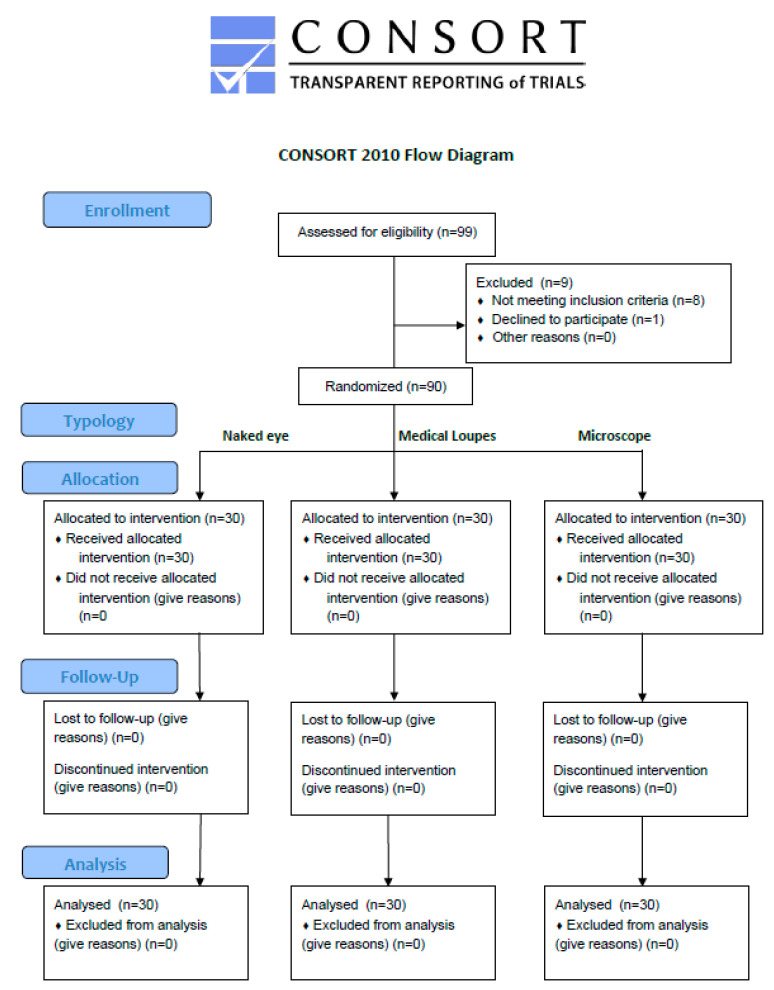
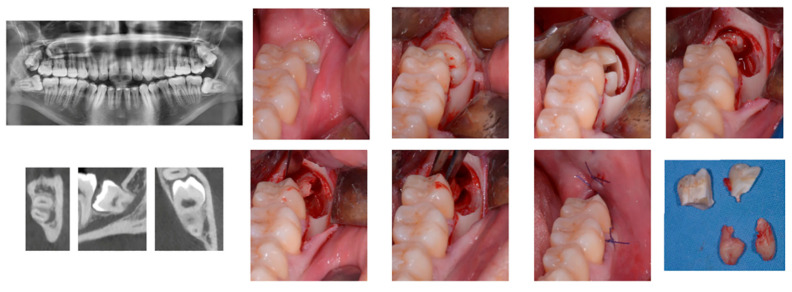
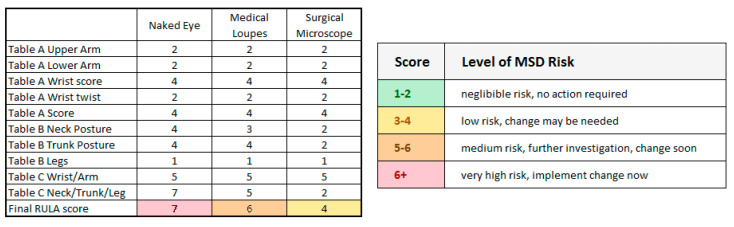
Attention and awareness towards musculoskeletal disorders (MSDs) in the dental profession has increased considerably in the last few years. From recent literature reviews, it appears that the prevalence of MSDs in dentists concerns between 64 and 93%. In our clinical trial, we have assessed the dentist posture during the extraction of 90 third lower molars depending on whether the operator performs the intervention by the use of the operating microscope, surgical loupes, or with the naked eye. In particular, we analyzed the evolution of the body posture during different interventions evaluating the impact of visual aids with respect to naked eye interventions. The presented posture assessment approach is based on 3D acquisitions of the upper body, based on planar markers, which allows us to discriminate spatial displacements up to 2 mm in translation and 1 degree in rotation. We found a significant reduction of neck bending in interventions using visual aids, in particular for those performed with the microscope. We further investigated the impact of different postures on MSD risk using a widely adopted evaluation tool for ergonomic investigations of workplaces, named (RULA) Rapid Upper Limb Assessment. The analysis performed in this clinical trial is based on a 3D marker tracker that is able to follow a surgeon's upper limbs during interventions. The method highlighted pros and cons of different approaches.
在过去几年中,牙科行业对肌肉骨骼疾病(MSDs)的关注和认识有了显著提高。从最近的文献综述来看,牙医中肌肉骨骼疾病的患病率在64%至93%之间。在我们的临床试验中,我们根据操作者是使用手术显微镜、手术放大镜还是肉眼进行操作,评估了拔除90颗下颌第三磨牙过程中牙医的姿势。特别是,我们分析了不同干预过程中身体姿势的变化,评估了视觉辅助工具相对于肉眼干预的影响。所提出的姿势评估方法基于对上半身的三维采集,基于平面标记,这使我们能够辨别平移高达2毫米和旋转1度的空间位移。我们发现,在使用视觉辅助工具的干预中,尤其是使用显微镜进行的干预,颈部弯曲明显减少。我们还使用一种广泛采用的工作场所人体工程学调查评估工具,即快速上肢评估(RULA),进一步研究了不同姿势对肌肉骨骼疾病风险的影响。本次临床试验中的分析基于一个三维标记跟踪器,该跟踪器能够在干预过程中跟踪外科医生的上肢。该方法突出了不同方法的优缺点。