Buyukgoz Guluzar Gorkem, Kossor Christopher Gordon, Davé Rajesh N
Otto H. York Department of Chemical and Materials Engineering, New Jersey Institute of Technology, Newark, NJ 07102, USA.
Pharmaceutics. 2021 Nov 4;13(11):1857. doi: 10.3390/pharmaceutics13111857.
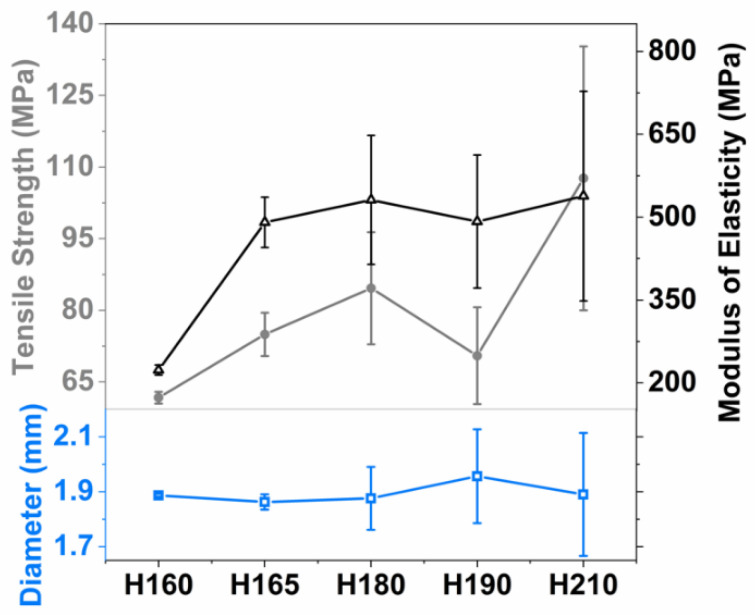
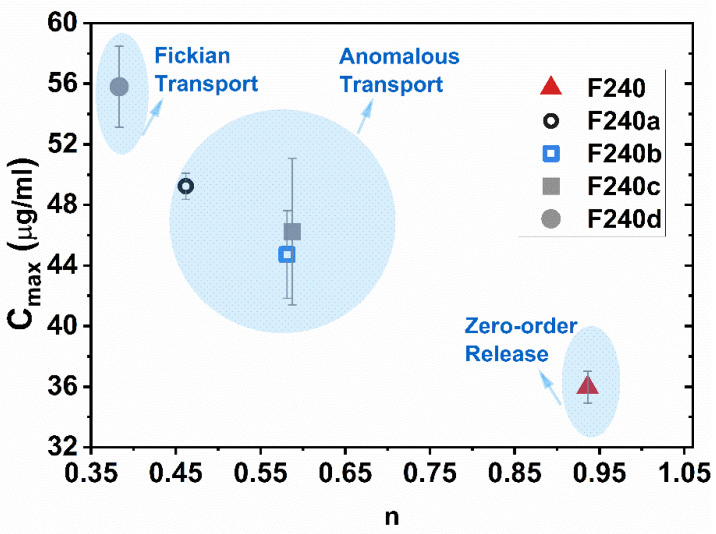
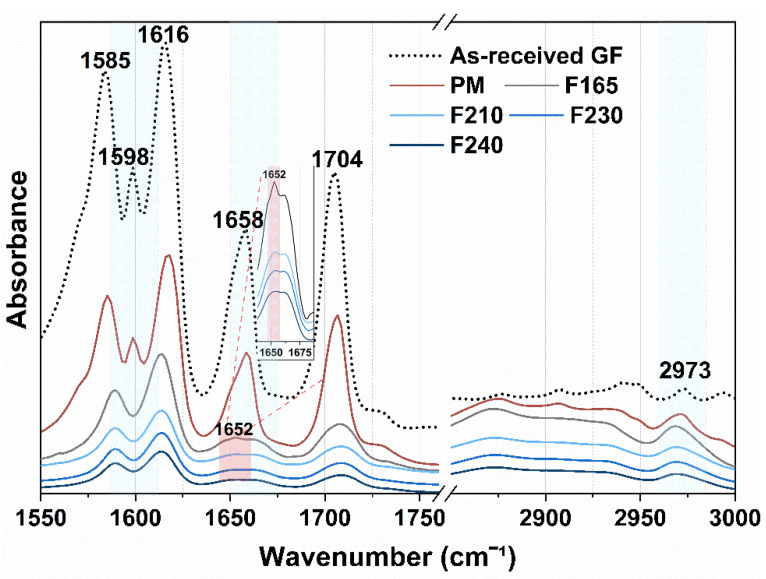
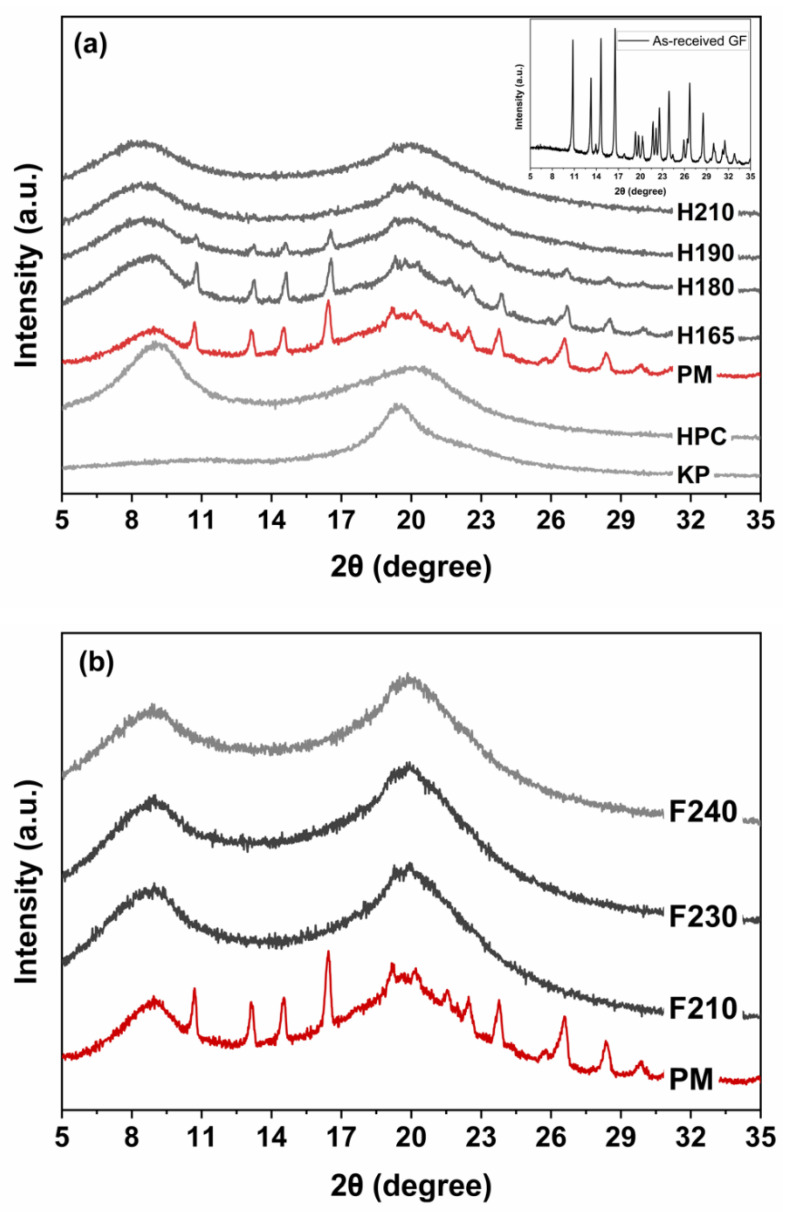
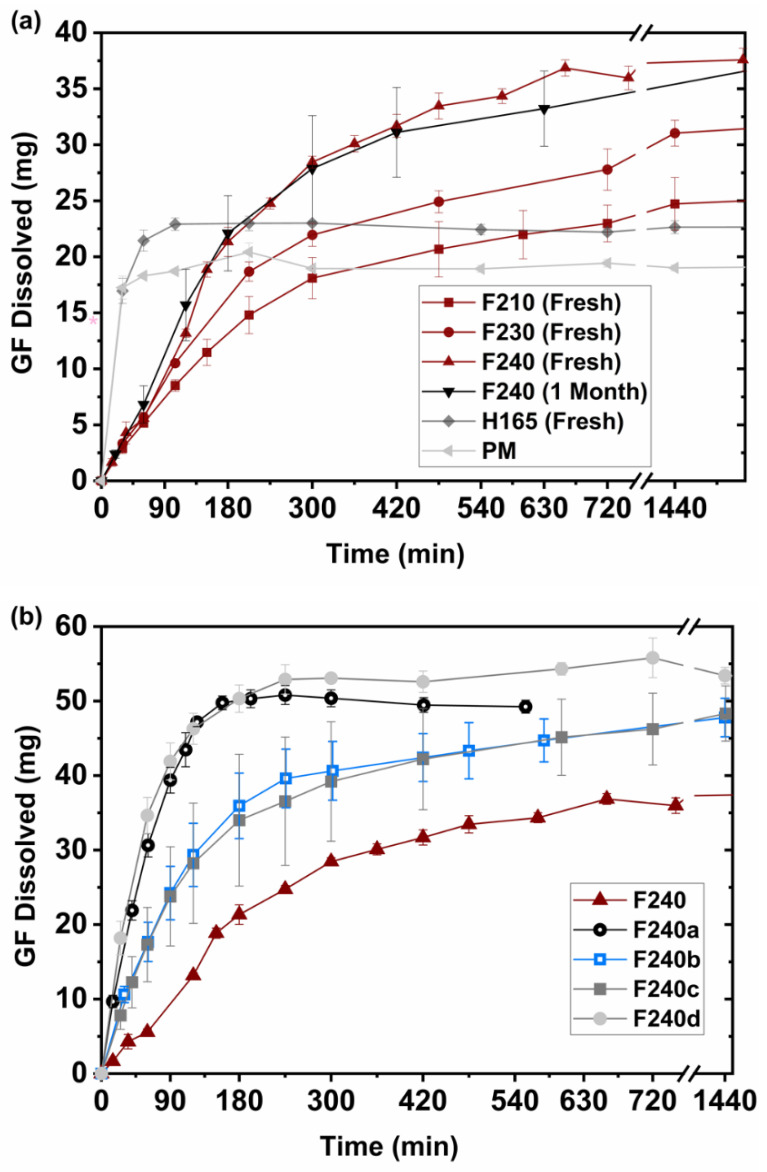
Filaments loaded with griseofulvin (GF), a model poorly water-soluble drug, were prepared and used for 3D printing via fused deposition modeling (FDM). GF was selected due to its high melting temperature, enabling lower temperature hot-melt extrusion (HME) keeping GF largely crystalline in the filaments, which could help mitigate the disadvantages of high HME processing temperatures such as filament quality, important for printability and the adverse effects of GF recrystallization on tablet properties. Novel aspects include single-step fusion-assisted ASDs generation during FDM 3D printing and examining the impact of tablet surface areas (SA) through printing multi-mini and square-pattern perforated tablets to further enhance drug supersaturation during dissolution. Kollicoat protect and hydroxypropyl cellulose were selected due to their low miscibility with GF, necessary to produce crystalline filaments. The drug solid-state was assessed via XRPD, DSC and FT-IR. At 165 °C HME processing temperature, the filaments containing ~80% crystalline GF were printable. Fusion-assisted 3D printing led to GF supersaturation of ~153% for cylindrical tablets and ~293% with the square-pattern perforated tablets, indicating strong monotonous impact of tablet SA. Dissolution kinetics of drug release profiles indicated Fickian transport for tablets with higher SA, demonstrating greater SA-induced drug supersaturation for well-designed 3D printed tablets.
制备了负载有灰黄霉素(GF,一种难溶性药物模型)的长丝,并通过熔融沉积建模(FDM)用于3D打印。选择GF是因为其熔点高,能够在较低温度下进行热熔挤出(HME),使GF在长丝中基本保持结晶状态,这有助于减轻HME加工温度过高带来的缺点,如长丝质量问题(这对可打印性很重要)以及GF重结晶对片剂性质的不利影响。新的方面包括在FDM 3D打印过程中一步法生成融合辅助无定形固体分散体(ASD),以及通过打印多种微型和方形图案的多孔片剂来研究片剂表面积(SA)的影响,以进一步提高溶解过程中的药物过饱和度。选择了Kollicoat protect和羟丙基纤维素,因为它们与GF的低混溶性是生产结晶长丝所必需的。通过X射线粉末衍射(XRPD)、差示扫描量热法(DSC)和傅里叶变换红外光谱(FT-IR)对药物固态进行了评估。在165℃的HME加工温度下,含有约80%结晶GF的长丝是可打印的。融合辅助3D打印使圆柱形片剂的GF过饱和度达到约153%,方形图案多孔片剂的过饱和度达到约293%,表明片剂SA有强烈的单调影响。药物释放曲线的溶解动力学表明,表面积较大的片剂为菲克扩散,这表明精心设计的3D打印片剂具有更大的SA诱导药物过饱和度。